Your wood outdoor furniture deserves the best care to stay beautiful and strong through every season. But what should you use to protect and enhance it?
Choosing the right products can make all the difference between weathered, cracked wood and furniture that looks fresh and inviting year after year. You’ll discover simple, effective ways to treat your wood outdoor pieces so they last longer and keep their natural charm.
Keep reading to learn exactly what works and why—it’s easier than you think!
Choosing The Right Finish
Choosing the right finish for wood outdoor furniture is key to its look and life. The finish protects wood from sun, rain, and dirt. It also brings out the natural beauty of the wood. Not all finishes work the same. Some are better for certain woods or weather. Understanding the types helps you pick the best one for your furniture.
Oil-based Vs Water-based
Oil-based finishes soak deep into wood. They give strong protection and a warm tone. These finishes take longer to dry. They may have a stronger smell during application. Oil finishes usually last longer outdoors.
Water-based finishes dry faster and have less odor. They keep wood’s natural color better. Water-based finishes are easier to clean up with soap and water. They may need more frequent reapplication than oil-based.
Sealants And Varnishes
Sealants form a hard layer on wood. They block water and stop damage. Varnishes add shine and extra toughness. Both help wood resist sun and rain. Some sealants are clear, while others add color.
Choose sealants or varnishes that say “outdoor” on the label. These products are made to handle weather changes. Applying two coats often works best for long life.
Natural Oils For Wood
Natural oils like teak or linseed oil nourish wood from inside. They keep wood from drying out and cracking. Natural oils do not form a hard shell on top.
These oils need regular reapplication to stay effective. They enhance the wood’s grain and give a soft glow. Natural oils work well for woods that breathe and change with weather.
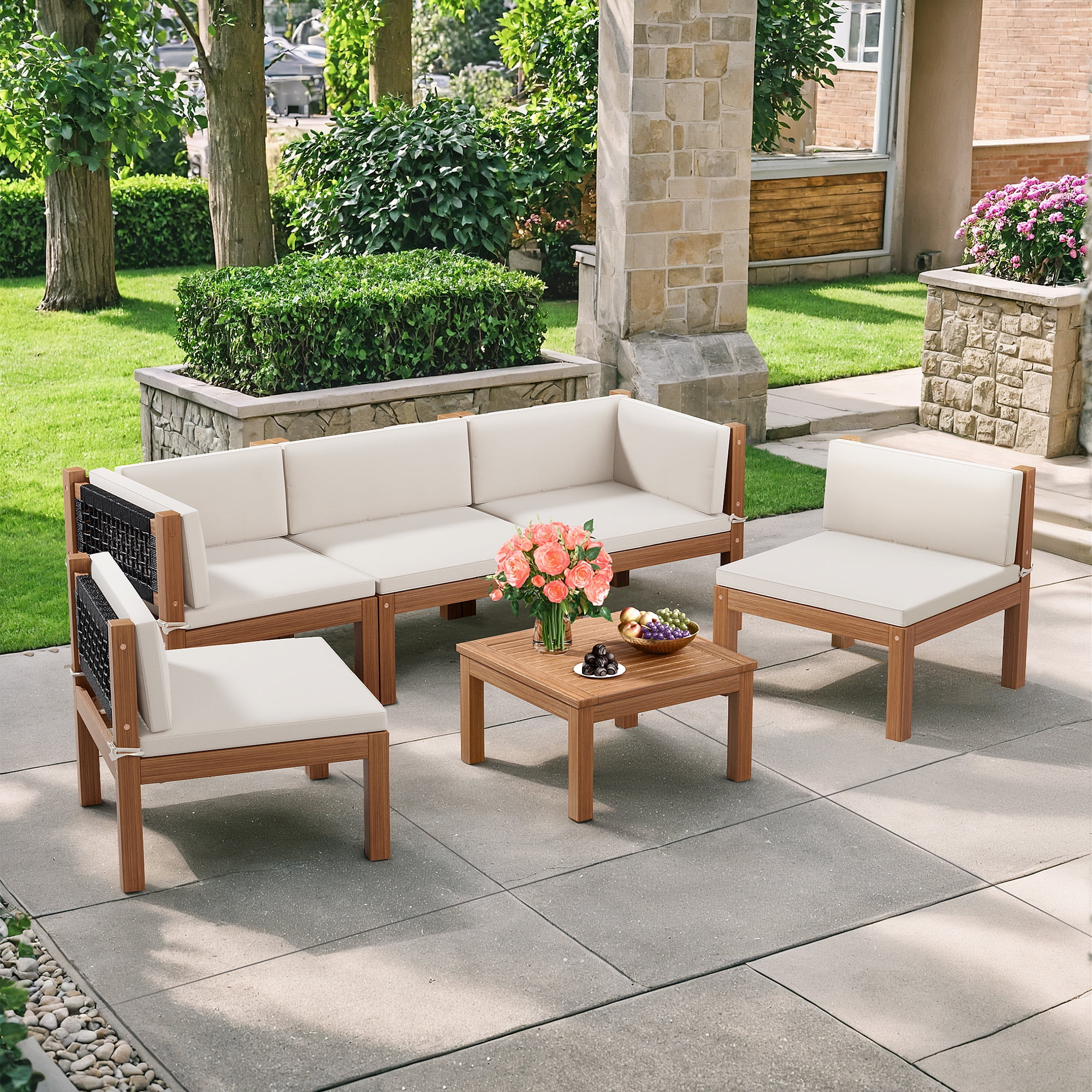
Credit: www.walmart.com
Preparing Wood For Treatment
Preparing wood for treatment is the first step to keep outdoor furniture strong and beautiful. Good preparation helps protect the wood from weather and wear. It makes sure the treatment sticks well and lasts longer.
Start by cleaning the wood to remove dirt and old finishes. Repair any damage to keep the wood smooth and safe. Finally, control the moisture to avoid warping or mold growth. Each step is key to a great finish.
Cleaning And Sanding
Clean the wood with a soft brush or cloth. Use mild soap and water to remove dirt. Avoid harsh chemicals that can damage the wood. Let the wood dry completely before sanding.
Sanding smooths the surface and opens the wood pores. Use medium-grit sandpaper for best results. Sand along the grain to avoid scratches. Remove dust with a cloth after sanding.
Repairing Damages
Check for cracks, holes, or loose joints. Fill cracks and holes with wood filler or putty. Let the filler dry fully before sanding smooth. Tighten or replace any loose screws or nails.
Fixing damages helps the wood last longer. It also improves the look and feel of your furniture.
Drying And Moisture Control
Wood must be dry before treatment. Moist wood can trap moisture inside. This leads to mold and wood decay.
Store furniture in a dry, shaded place to dry. Use fans or air circulation to speed drying. Avoid direct sunlight that can cause cracks.
Check moisture with a moisture meter if possible. Aim for less than 15% moisture before treating.
Applying Protective Coatings
Applying protective coatings on wood outdoor furniture is essential. It guards the wood against sun, rain, and dirt. Coatings help keep the wood looking fresh and new for years. Choosing the right technique makes a big difference in protection and appearance.
Brushing Techniques
Use a soft-bristle brush for smooth, even coating. Brush along the wood grain for best results. Avoid over-brushing, which can cause streaks or bubbles. Clean the brush often to prevent clumps. Work in thin layers to allow better drying and adhesion.
Spraying Vs Wiping
Spraying covers large areas quickly and evenly. It works well for textured or detailed wood surfaces. Wiping with a cloth gives more control and less mess. It suits small or flat pieces. Choose spraying for speed and wiping for precision.
Number Of Coats Needed
Most outdoor wood needs two to three coats for good protection. Let each coat dry fully before applying the next. Thin coats dry faster and last longer. More coats add stronger resistance to weather damage. Check the product label for specific recommendations.
:max_bytes(150000):strip_icc()/patio-furniture-plans-4769226-hero-2ba4479863d84c908bb86a06830f023d.jpg)
Credit: www.thespruce.com
Maintaining Outdoor Wood Furniture
Maintaining outdoor wood furniture keeps it strong and beautiful. Wood faces sun, rain, and dirt every day. These elements can damage the wood over time. Regular care helps protect and extend the life of your furniture.
Regular Cleaning Tips
Clean your wood furniture often. Use a soft brush or cloth to remove dust and dirt. Mix mild soap with water for washing. Avoid harsh chemicals that can harm the wood. Rinse with clean water and dry with a towel. Regular cleaning stops dirt buildup and keeps wood fresh.
Reapplying Protection
Wood needs protection to stay safe outside. Use sealants, oils, or varnishes made for outdoor wood. Apply a thin, even coat with a brush. Let it dry fully before using the furniture. Reapply protection every year or after heavy rain. This layer keeps water and sun damage away.
Seasonal Care Strategies
Change your care routine with the seasons. In spring and summer, clean and apply fresh protection. In fall, remove leaves and dirt to avoid stains. Cover furniture or move it indoors in winter. These steps help wood survive cold and moisture. Seasonal care keeps wood looking good all year.
Common Mistakes To Avoid
Taking care of wood outdoor furniture requires attention. Avoiding common mistakes helps your furniture last longer and look better. Many people use wrong methods that damage the wood or reduce its life.
Learn about these common errors. Fixing them keeps your furniture strong and beautiful.
Using The Wrong Products
Not all products suit wood furniture outdoors. Some cleaners or finishes can harm the wood. Avoid harsh chemicals or oil-based products not meant for outdoor use. Use products labeled safe for outdoor wood. This protects the wood and maintains its natural look.
Skipping Surface Preparation
Many skip sanding or cleaning before applying a finish. Dirt, old paint, or rough spots stop finishes from sticking well. Always clean the surface thoroughly. Sand it smooth to help new coatings bond. Proper prep ensures a strong, even finish that lasts.
Overexposure To Sun And Moisture
Sun and water can quickly damage wood. Too much sun causes fading and cracking. Moisture leads to swelling, warping, or mold growth. Move furniture to shaded or covered spots if possible. Apply protective sealants regularly to shield wood from elements.

Credit: www.countrycasualteak.com
Best Products For Different Wood Types
Choosing the right product for your outdoor wood furniture protects it and keeps it looking good. Different wood types need different care. Using the correct treatment helps wood last longer. It also keeps the natural beauty of the wood. Below are the best products for various wood types.
Teak And Hardwood Options
Teak and other hardwoods are strong and dense. These woods resist water well but need protection from sun damage. Use teak oil or a specialized hardwood oil. These oils nourish the wood and prevent drying and cracking. A clear sealer with UV protection also works well. Avoid water-based products, as they can raise the wood grain. Regular oiling every few months keeps hardwoods healthy.
Softwood Treatments
Softwoods like pine and cedar need more care. They are softer and absorb water easily. Use a wood preservative to stop rot and insect damage. A water-repellent sealer helps prevent moisture buildup. Stains with sealants offer color and protection in one step. Reapply treatments yearly to maintain protection. Avoid thick paints that can trap moisture inside.
Exotic Wood Care
Exotic woods need gentle, tailored care. They often have natural oils that protect them. Use light oil treatments designed for exotic woods. Avoid harsh chemicals that strip natural oils. A mild soap and water wash keeps dirt off. Apply a clear finish with UV blockers to stop sun damage. Check furniture regularly and reapply treatments as needed.
Frequently Asked Questions
What Is The Best Finish For Wood Outdoor Furniture?
The best finish is a high-quality exterior wood sealer. It protects against moisture, UV rays, and mildew. Look for water-resistant and UV-protective formulas. Apply regularly to maintain durability and appearance in changing weather conditions.
How Often Should I Treat Outdoor Wood Furniture?
Treat outdoor wood furniture at least once a year. More frequent treatment is needed in harsh climates. Regular maintenance prevents cracking, warping, and fading. Clean the furniture before applying any treatment for best results.
Can I Use Paint On Wood Outdoor Furniture?
Yes, use exterior-grade paint designed for wood. Paint provides strong protection and vibrant color. Ensure the wood is clean, dry, and sanded before painting. Apply a primer for better adhesion and longevity.
Is Oil Or Varnish Better For Outdoor Wood?
Oil penetrates wood, nourishing and repelling water, while varnish forms a hard protective layer. Oils like teak or linseed enhance natural beauty but need reapplication. Varnish offers longer-lasting protection but may crack over time. Choose based on desired look and maintenance level.
Conclusion
Protecting wood outdoor furniture keeps it beautiful and strong. Choose the right oil or sealant to stop damage from sun and rain. Clean the wood gently before applying any product. Regular care helps wood last many years. Remember to check for cracks or wear often.
Treat your furniture with care, and it will stay a lovely part of your outdoor space. Small steps make a big difference in wood furniture care. Keep it simple, and enjoy your outdoor furniture longer.