Is your outdoor wicker furniture looking tired or faded? Choosing the right paint can bring it back to life and protect it from the elements.
But with so many options out there, how do you know which type of paint will work best for your wicker? You’ll discover simple, effective paint choices that not only refresh your furniture but also make it last longer. Keep reading to find out how to transform your outdoor space with the perfect paint for your wicker pieces.
Credit: porchdaydreamer.com
Choosing Paint For Outdoor Wicker
Choosing the right paint for outdoor wicker furniture is important. The paint must protect the furniture and keep it looking good. Outdoor wicker faces sun, rain, and wind. The paint should handle all these elements well. Using the correct paint helps the furniture last longer. It also keeps the color fresh and vibrant.
Factors To Consider
First, the paint must be weather-resistant. It should not peel or crack under sun and rain. Next, the paint should stick well to wicker’s woven surface. This surface is uneven and needs paint that can cover every part. Also, the paint must be flexible. Wicker moves a little when you sit or lean. Paint that cracks easily will not last long.
Choose paint with good coverage. This helps hide old colors or stains. Look for paint that dries fast. Quick drying reduces dust and dirt sticking to the surface. Lastly, pick paint that is safe and non-toxic. This is important for outdoor use and family safety.
Types Of Paint Suitable For Wicker
Acrylic paint works well on outdoor wicker. It is water-based and easy to clean. Acrylic paint also resists fading and cracking. It holds up well in sun and rain. Another good option is spray paint made for outdoor use. Spray paint covers tight spaces easily. It creates a smooth, even finish on wicker.
Oil-based paint is also an option. It is very durable but takes longer to dry. Oil-based paint can handle moisture better than some others. However, it has stronger fumes and needs proper ventilation. Choose paint labeled for outdoor furniture. These paints have additives that fight mold and mildew.
Preparing Wicker Furniture
Preparing wicker furniture for paint ensures a smooth, lasting finish. It helps paint stick better and protects the furniture. Start by cleaning, then fix any damage. Proper preparation saves time and effort later. This step is key for outdoor wicker that faces weather.
Cleaning Techniques
Remove dust and dirt with a soft brush or cloth. Use mild soap mixed with water for deeper cleaning. Gently scrub the wicker to avoid breaking strands. Rinse with clean water and let it dry fully. Avoid harsh chemicals that may damage the wicker.
Sanding And Repairing
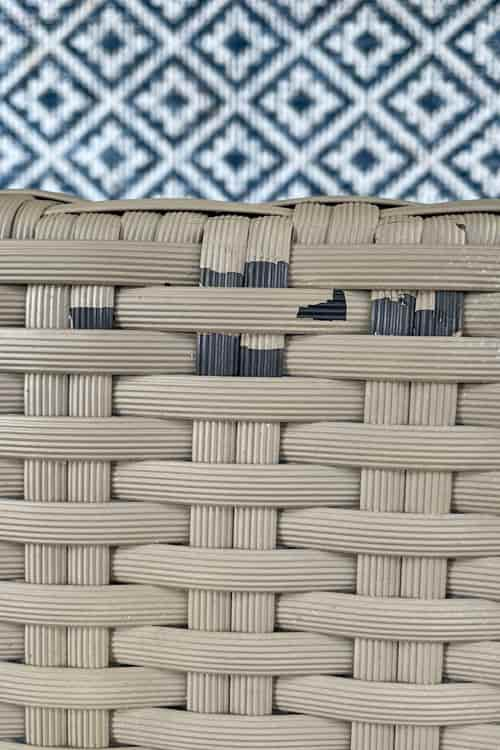
Lightly sand rough or peeling areas with fine-grit sandpaper. Sanding helps paint stick evenly. Check for broken or loose strands and glue them back. Fill small cracks with wood filler or putty. Let repairs dry completely before painting.
Best Paint Options
Choosing the right paint for outdoor wicker furniture is key for lasting beauty and protection. The paint must handle weather changes and not peel or crack. Some paints work better on wicker because they stick well and stay flexible. Here are the best paint options to consider for your wicker pieces.
Acrylic Paint
Acrylic paint is popular for outdoor wicker. It dries fast and resists fading from the sun. It holds up well against rain and humidity. Acrylic paint also stays flexible, which helps prevent cracking as the wicker bends. Use a brush to apply thin, even coats. It’s water-based, so cleanup is easy with soap and water.
Spray Paint
Spray paint offers quick and smooth coverage on wicker’s curves and crevices. It helps reach tight spots that brushes miss. Choose spray paint made for outdoor use. It forms a tough, protective layer that resists rust and moisture. Spray paint dries quickly and gives a clean finish. Apply several light coats for best results.
Oil-based Paint
Oil-based paint creates a strong, durable finish on wicker furniture. It sticks well to rough and smooth surfaces. Oil-based paints resist water and wear longer than some other types. Clean brushes with mineral spirits after use. This paint takes longer to dry but offers excellent protection against outdoor elements.
Credit: www.dabblinganddecorating.com
Applying Paint Correctly
Applying paint correctly on outdoor wicker furniture is key to a smooth, lasting finish. Proper steps ensure the paint sticks well and the furniture looks great. Take time with each stage for the best results.
Priming The Surface
Start by cleaning the wicker thoroughly. Remove dirt and dust with a soft brush or cloth. Use a primer made for outdoor use. It helps the paint hold better and prevents peeling. Apply a thin, even coat of primer. Let it dry completely before painting.
Painting Tips For Even Coverage
Use a small brush or spray paint for detailed work. Thin coats are better than thick layers. Paint in the direction of the wicker weave. This avoids clumps and uneven spots. Allow each coat to dry before adding the next. Two to three coats usually give full coverage.
Drying And Curing Times
Let the paint dry in a dust-free area. Drying time varies by paint type and weather. Wait at least 24 hours before touching the furniture. Full curing can take up to a week. Avoid heavy use during this time to keep the finish strong.
Protecting Painted Wicker
Protecting painted wicker is important to keep furniture looking fresh and new. Paint adds color and style, but it needs care to last outdoors. Outdoor wicker faces sun, rain, and dirt. Without protection, paint can peel, fade, or crack. Simple steps can help maintain the beauty of painted wicker furniture for years.
Sealing And Finishing
Apply a clear sealer over the painted wicker. Sealers lock in color and add a protective layer. Use a water-based polyurethane or acrylic sealer. These sealers dry clear and do not yellow over time. Brush or spray the sealer evenly on all surfaces. Let it dry completely before using the furniture. Reapply the sealer every year for best results. This step helps prevent moisture from damaging the paint and wicker.
Weatherproofing Tips
Keep painted wicker furniture under a covered area if possible. Avoid direct sunlight to slow down paint fading. Use furniture covers during heavy rain or snow. Wipe off dirt and dust regularly with a soft cloth. Clean with mild soap and water, then dry thoroughly. Avoid harsh chemicals that can strip paint and damage wicker. Store furniture indoors during winter for extra protection. These habits extend the life of paint and wicker material.
Maintaining Painted Wicker Furniture
Maintaining painted wicker furniture keeps it looking fresh and extends its life. Outdoor pieces face sun, rain, and dirt. Proper care helps the paint stay strong and bright. Regular attention prevents damage and saves time on big repairs later.
Cleaning Painted Surfaces
Use a soft brush or cloth to remove dust and dirt. Mix mild soap with water for gentle cleaning. Avoid strong chemicals that can strip paint. Rinse with clean water and dry with a towel. Clean painted wicker every few weeks to keep it neat.
Touch-up Techniques
Check for paint chips or scratches often. Lightly sand rough spots before repainting. Use matching outdoor paint for touch-ups. Apply thin coats and let them dry fully. Repeat if needed to blend repairs with the old paint. Touch-ups keep furniture looking new and protected.
Common Mistakes To Avoid
Choosing the right paint for outdoor wicker furniture is important. Many people make simple mistakes that ruin their work. Avoiding these errors saves time and money. It also helps your furniture look great longer.
Skipping Surface Cleaning
Paint won’t stick well on dirty wicker. Dust, dirt, and old paint layers block the new paint. Clean the furniture thoroughly with soap and water. Let it dry completely before painting.
Using The Wrong Paint Type
Not all paints work on wicker. Some paints crack or peel fast outside. Choose paint made for outdoor use. Look for flexible, weather-resistant options that bend with wicker.
Ignoring Primer Application
Primer helps paint stick and last longer. Skipping primer causes uneven color and peeling. Apply a light coat of primer first. Let it dry fully before adding paint.
Painting In Bad Weather
Paint dries poorly in rain or high humidity. Hot sun can dry paint too fast and cause cracks. Paint on dry, mild days for best results. Check weather forecasts before starting.
Applying Thick Paint Layers
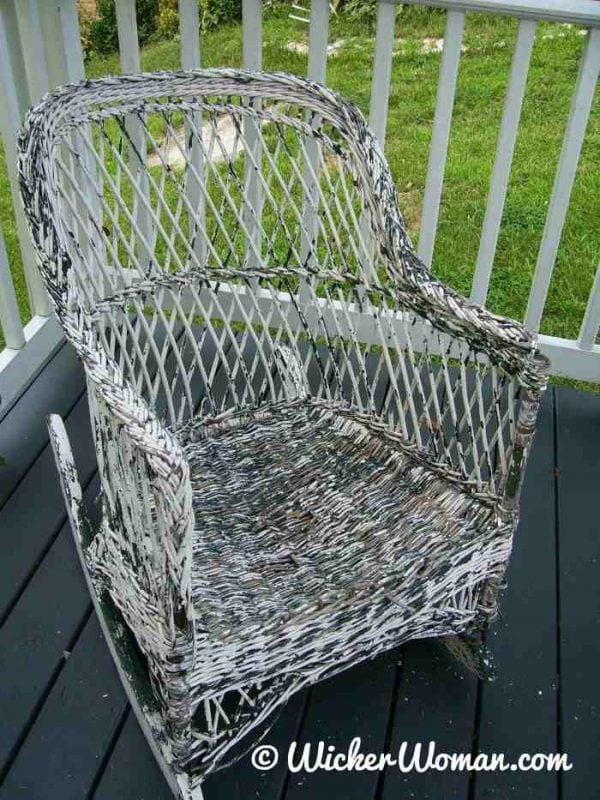
Thick paint hides wicker’s texture and drips easily. Use thin, even coats and let each layer dry. Multiple thin coats create a smooth, durable finish.
Credit: www.wickerwoman.com
Frequently Asked Questions
What Type Of Paint Is Best For Outdoor Wicker Furniture?
Acrylic latex paint is best for outdoor wicker furniture. It adheres well and resists weather damage. It also remains flexible, preventing cracking or peeling.
Can Spray Paint Be Used On Outdoor Wicker Furniture?
Yes, spray paint can be used for even coverage. Choose a spray paint designed for outdoor use and suitable for wicker surfaces.
How To Prepare Wicker Furniture Before Painting?
Clean the wicker thoroughly and let it dry. Lightly sand to remove old paint and improve adhesion. Use a primer for better paint bonding.
Is Oil-based Paint Suitable For Outdoor Wicker Furniture?
Oil-based paint can provide a durable finish but may crack on flexible wicker. Acrylic latex paint is generally preferred for outdoor wicker.
Conclusion
Choosing the right paint protects your outdoor wicker furniture well. Use paint made for outdoor use to stop damage. Paint with flexibility helps prevent cracking and peeling. Clean the furniture before painting for better results. Let the paint dry completely to last longer.
Regular touch-ups keep your furniture looking fresh. A good paint job saves money by avoiding repairs. Now, your wicker furniture can stay beautiful through all seasons. Simple steps make a big difference in care and look.