Your outdoor wood furniture adds charm and comfort to your space. But, keeping it looking great takes more than just placing it outside.
You might wonder, what’s really good for outdoor wood furniture? How do you protect it from sun, rain, and wear? You’ll discover simple, effective ways to care for your wood pieces. By the end, you’ll know exactly how to make your furniture last longer and shine brighter.
Ready to give your outdoor wood furniture the care it deserves? Let’s dive in!
Choosing The Right Wood
Choosing the right wood for outdoor furniture is very important. The wood must last long and resist weather changes. It should also look good and feel sturdy. Different woods have different qualities. Knowing these can help you pick the best wood for your needs.
Hardwood Vs Softwood
Hardwood comes from trees that lose their leaves each year. These woods are usually dense and strong. Softwood comes from trees with needles and cones. It is lighter and easier to work with. Hardwoods often last longer outside. Softwoods need more care to avoid damage.
Weather-resistant Wood Types
Some woods naturally resist rain, sun, and insects. Teak and cedar are great examples. They do not rot or warp easily. These woods need less maintenance. Pine and fir can also work but must be treated. Weather resistance helps furniture stay beautiful for years.
Sustainable Wood Options
Choosing wood that is good for the environment helps the planet. Bamboo grows fast and is very strong. Reclaimed wood is another option that saves trees. Look for wood certified by groups that protect forests. Sustainable wood helps keep nature safe while making great furniture.

Credit: osmouk.com
Preparing Wood For Outdoor Use
Preparing wood for outdoor use is important to keep furniture strong and looking good. Wood faces sun, rain, and wind outside. These elements can cause damage over time. Proper preparation helps protect the wood and makes it last longer. The process includes cleaning, fixing, and protecting the wood surface.
Cleaning And Sanding
Start by cleaning the wood surface. Remove dirt, dust, and old paint with a soft brush or cloth. Use mild soap and water for stubborn spots. Let the wood dry completely before sanding. Sand the wood to smooth rough areas and remove splinters. Use fine-grit sandpaper for best results. Sanding also helps new coatings stick better.
Sealing Cracks And Holes
Look for cracks and holes in the wood. Fill these gaps with wood filler or exterior-grade putty. Press the filler firmly and smooth it out. Let the filler dry as per instructions. Sand the filled areas lightly to blend them with the rest of the wood. Sealing stops moisture from entering and causing rot.
Applying Primer
Apply a good quality primer to the wood surface. Primer creates a base that protects wood and improves paint adhesion. Use a brush or roller for even coverage. Choose a primer made for outdoor wood furniture. Allow the primer to dry fully before adding paint or sealant. This step increases the wood’s durability outdoors.
Protective Finishes And Treatments
Outdoor wood furniture faces many challenges like rain, sun, and dirt. Protective finishes and treatments keep wood strong and beautiful. They stop water damage, fading, and cracking. Applying the right finish helps wood last longer and look fresh.
Wood Stains And Oils
Wood stains add color and protect wood from moisture. They soak into the wood and keep it from drying out. Oils like teak or linseed nourish the wood and bring out its natural beauty. Both stains and oils need regular reapplication for best results.
Waterproof Sealers
Waterproof sealers create a barrier to stop water from soaking in. They prevent swelling and warping in wood. Sealers work well on all wood types and keep furniture dry. Some sealers also resist mold and mildew growth on surfaces.
Uv Protection Methods
Sunlight can fade and weaken wood over time. UV protection methods block harmful rays to keep wood color bright. Special finishes contain UV blockers to reduce sun damage. Regularly applying these finishes helps maintain wood’s strength and look.
Credit: www.livingetc.com
Maintenance Tips For Longevity
Outdoor wood furniture faces sun, rain, and dirt daily. Proper maintenance helps keep it strong and beautiful for years. Simple care routines protect wood from damage and wear. Follow these tips to extend your furniture’s life and look.
Regular Cleaning Techniques
Clean wood furniture often to stop dirt build-up. Use a soft brush or cloth to remove dust. Wash with mild soap and water. Avoid harsh chemicals that can harm the wood. Rinse well and dry with a towel. This prevents mold and stains from forming.
Reapplying Protective Coatings
Protective coatings shield wood from moisture and sun damage. Apply oil, varnish, or sealant once or twice a year. Lightly sand the surface before applying new layers. This helps the coating stick better. Choose products made for outdoor wood. This keeps the furniture looking fresh and strong.
Seasonal Care Practices
Adjust care routines with the seasons for best results. Cover or move furniture indoors during heavy rain or snow. Check for cracks or loose joints after winter. Treat wood with protective oils in spring to restore moisture. This stops wood from drying and cracking. Seasonal care prevents long-term damage and keeps furniture safe.
Storage And Placement Advice
Proper storage and placement keep outdoor wood furniture safe and lasting longer. Wood reacts to sun, rain, and wind. Protecting it from these elements helps maintain its look and strength. Smart choices in where and how to place furniture make a big difference.
Ideal Outdoor Locations
Place wood furniture in shaded areas to avoid direct sun damage. A spot near trees or under a porch works well. Avoid low spots where water collects after rain. Good air flow helps wood dry faster and stops mold growth. Keep furniture off the ground using rubber feet or small blocks. This stops moisture from seeping in from below.
Using Covers And Shelters
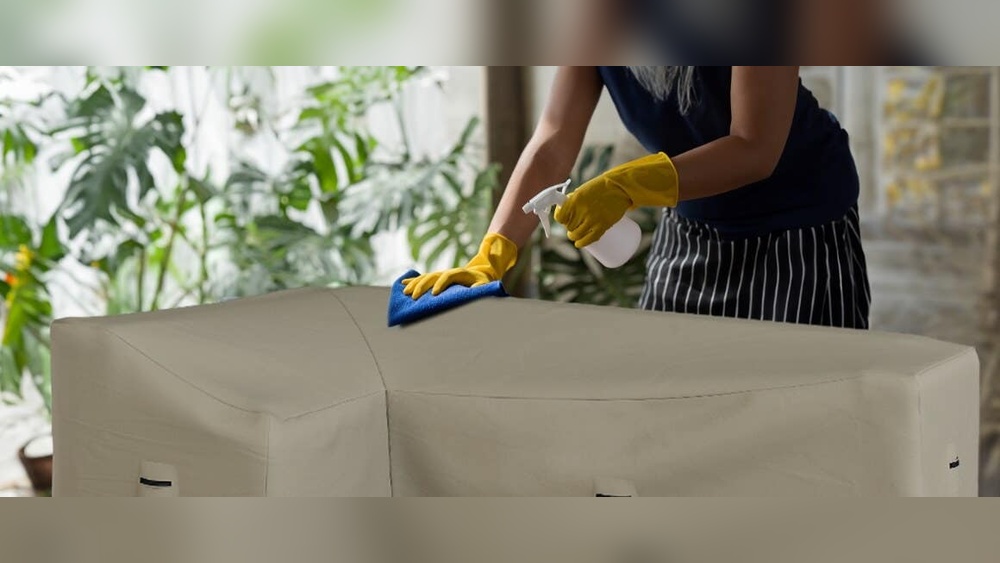
Use breathable furniture covers to shield wood from rain and dust. Covers that trap moisture can cause mold and rot. Shelters like pergolas or gazebos offer extra protection. They block harsh sun and reduce water exposure. Remove covers on dry, sunny days to let wood breathe and dry out.
Winter Storage Solutions
Winter is tough on wood furniture. Store pieces indoors if possible, like in a garage or shed. If indoor space is limited, stack furniture and cover it well outdoors. Use waterproof and breathable covers to prevent moisture build-up. Elevate furniture off the ground to avoid water damage from snow and ice. Clean and dry furniture before storing to stop mildew and pests.
Common Problems And Solutions
Outdoor wood furniture faces many challenges from sun, rain, and dirt. These problems can damage the wood and shorten its life. Knowing common issues and easy fixes helps keep furniture strong and good-looking. Simple care steps extend the beauty and use of wood pieces outside.
Dealing With Mold And Mildew
Mold and mildew grow in damp places on wood surfaces. They look like dark spots or fuzzy patches. Clean the wood with a mix of water and mild soap. Use a soft brush to scrub gently. Rinse well and dry the furniture under the sun. This stops mold from returning quickly.
Fixing Cracks And Splits
Cracks appear as wood dries out or moves in heat. Small cracks need filling with wood filler or epoxy. Sand the area smooth after it dries. For bigger splits, use wood glue and clamps to hold pieces tight. Keep wood moisturized with oil to avoid new cracks.
Addressing Fading And Discoloration
Sunlight can cause wood color to fade or change. Light sanding removes the dull top layer. Apply a wood stain or sealant to restore color and protect wood. Use products made for outdoor wood. This keeps furniture looking fresh and guards against sun damage.

Credit: lumbergrand.com
Frequently Asked Questions
What Type Of Wood Is Best For Outdoor Furniture?
Teak, cedar, and redwood are ideal for outdoor furniture. They resist moisture, insects, and decay, ensuring durability. These woods also require less maintenance and age beautifully over time. Choosing the right wood enhances longevity and keeps your furniture looking great outdoors.
How Do I Protect Outdoor Wood Furniture From Weather?
Use a high-quality sealant or wood oil to protect your furniture. Regularly apply these treatments to prevent moisture damage and UV fading. Additionally, cover furniture during harsh weather or store it indoors in winter to extend its lifespan.
Can I Use Paint On Outdoor Wood Furniture?
Yes, outdoor wood furniture can be painted with weather-resistant paint. Use a primer first for better adhesion. Painting adds color and extra protection against moisture and sun damage, prolonging the furniture’s life and maintaining its appearance.
How Often Should I Clean Outdoor Wood Furniture?
Clean outdoor wood furniture every few weeks or at least once a month. Use mild soap, water, and a soft brush to remove dirt and debris. Regular cleaning prevents buildup that can damage the wood and keeps your furniture looking fresh.
Conclusion
Outdoor wood furniture needs care to stay strong and beautiful. Use the right cleaner and protectant for wood. Regular cleaning removes dirt and prevents damage. Apply sealants or oils to keep moisture out. Store furniture in shade or cover it during rain.
Small efforts help furniture last many seasons. Enjoy your outdoor space with well-kept wood pieces. Taking care of wood furniture is simple and worth it.