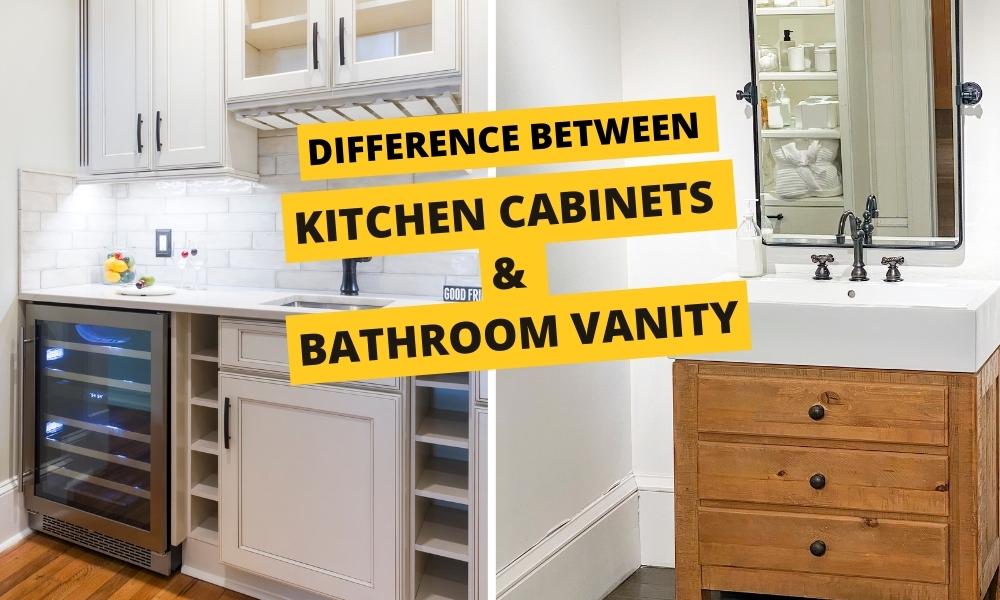
Are you confused about whether to choose a cabinet or a vanity for your bathroom or kitchen? You’re not alone.
Many people mix up these two terms, but knowing the difference can save you time, money, and frustration. Understanding how each one works for your space will help you make the right choice that fits your style and needs perfectly.
Keep reading, and by the end of this article, you’ll see clearly which option suits your home best.
Credit: kitchencabinetkings.com
Cabinet Basics
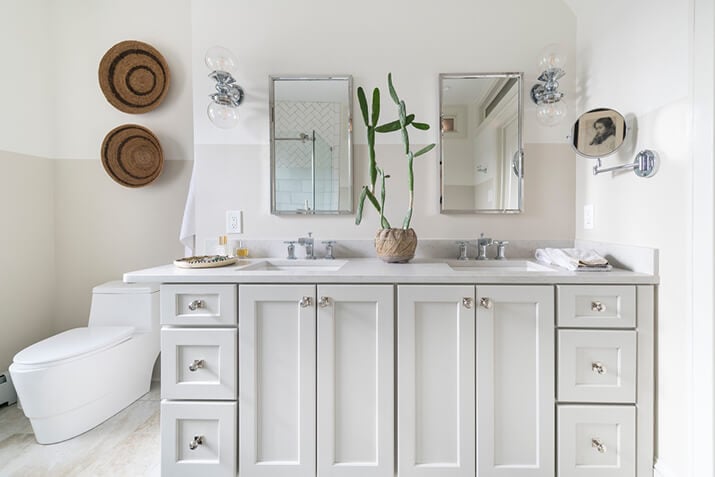
Understanding cabinets is key to choosing the right storage for your space. Cabinets come in many shapes and styles. Each has a role in organizing and decorating your home. Let’s explore the basics of cabinets, so you know what sets them apart from vanities.
Common Cabinet Types
There are several cabinet types used in homes. Base cabinets sit on the floor and support countertops. Wall cabinets hang on the wall for easy access. Tall cabinets reach from floor to ceiling and offer large storage. Each type fits different needs and spaces.
Materials And Finishes
Cabinets are made from wood, plywood, MDF, or metal. Wood offers natural beauty and strength. Plywood is durable and resists warping. MDF is smooth and perfect for painting. Metal cabinets are tough and modern. Finishes vary from painted to stained or laminated surfaces.
Storage Functions
Cabinets store many items, from dishes to cleaning supplies. Shelves hold folded towels or boxes. Drawers organize utensils or small items. Some cabinets have pull-out trays for easier reach. Proper cabinet storage keeps your space neat and functional.
Credit: standardcompanies.com
Vanity Essentials
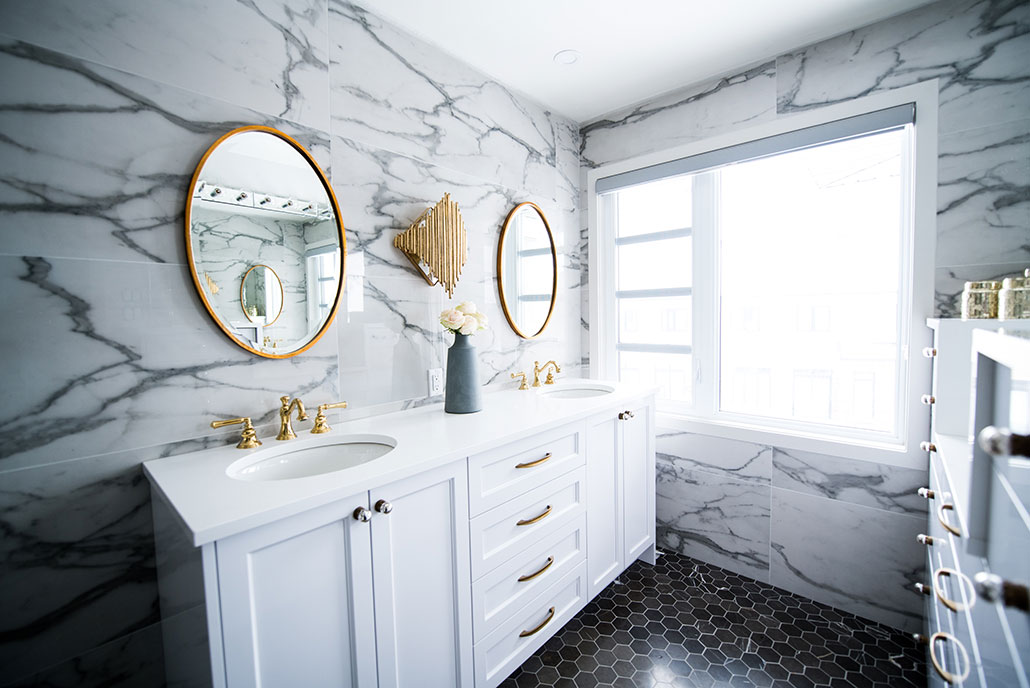
Vanity essentials focus on style, function, and storage. A vanity is more than a cabinet. It serves as a place to wash, store, and organize.
Choosing the right vanity helps improve bathroom comfort and appearance. It combines beauty and practicality in one piece.
Vanity Styles
Vanities come in many styles. Some are modern with clean lines. Others have a classic or rustic look. Styles can match any bathroom theme. This choice affects the room’s overall feel.
Built-in Sinks
Most vanities include built-in sinks. These sinks fit inside the countertop. They save space and create a smooth look. Some sinks are under-mounted for easy cleaning. Others sit on top for a bold design.
Storage And Design
Vanities offer different storage options. Drawers and cabinets keep items tidy. Open shelves provide quick access to essentials. Design also impacts usability. A well-planned vanity balances storage with style.
Design And Placement
Design and placement play a big role in choosing between a cabinet and a vanity. Both affect how your bathroom looks and works. Understanding these differences helps you pick the best option for your space. Design relates to style and function. Placement means where the piece fits in your bathroom layout.
Bathroom Layout Considerations
Cabinets often fit into tight spaces or corners. They can be wall-mounted or floor-standing. Vanities usually need more room. They often include a sink and countertop. Think about the plumbing location. This affects where vanities can go. Cabinets offer flexible placement. They adapt better to unusual bathroom shapes.
Space Efficiency
Cabinets use vertical space well. Tall cabinets provide extra storage without taking floor space. Vanities combine storage and sink. This saves space by merging functions. Small bathrooms benefit from vanities. They keep essentials close at hand. Cabinets can store more items but may need more room.
Aesthetic Impact
Vanities create a smooth, integrated look with the sink. They often appear modern and neat. Cabinets stand out as separate furniture. They add character and style. Vanities usually match bathroom fixtures. Cabinets can contrast for a unique look. Your choice affects the bathroom’s overall feel.
Functionality Differences
Cabinets and vanities serve different roles in a home. Understanding their functionality helps you choose the right one. Each offers unique benefits depending on your needs. The following sections explain how they differ in use, care, and strength.
Usage Scenarios
Cabinets store items in kitchens, offices, or bathrooms. They hold dishes, supplies, or personal items. Vanities focus on bathroom use and include a sink. They combine storage with a place to wash or groom. Vanities often fit smaller spaces better than cabinets.
Maintenance Needs
Cabinets need regular cleaning to avoid dust and stains. Their surfaces vary from wood to laminate, affecting care. Vanities require extra attention near water sources. Moisture can damage wood or cause mold. Wiping spills immediately helps keep vanities in good shape.
Durability Factors
Cabinets usually have strong frames to hold heavy items. They last longer in dry areas like kitchens. Vanities face more wear from water and daily use. Materials should resist water damage and scratches. Choosing durable materials extends the life of both products.
Choosing The Right Option
Choosing the right option between a cabinet and a vanity can shape your space and style. It depends on your needs, taste, and budget. Knowing the key points helps you decide what fits best.
Budget And Cost Factors
Cabinets usually cost less than vanities. They are simpler in design and use fewer materials. Vanities often include a countertop and sink, raising the price. Installation may also cost more for vanities.
Think about how much you want to spend. Consider both the purchase and installation costs. Choose an option that fits your budget without cutting corners.
Personal Preferences
Your style and needs matter. Cabinets offer more storage and a clean look. Vanities provide a finished, decorative appearance with a sink area. Some prefer the classic feel of a vanity, while others like the simplicity of cabinets.
Consider your bathroom size and how you use the space. Pick the option that feels right for your daily routine and style.
Long-term Value
Vanities may add more value to your home due to their design and functionality. Cabinets can last longer if made from quality materials. Think about durability and future resale value.
Choose the option that stays useful and looks good over time. This helps you avoid extra costs later.
Credit: www.greengroupremodeling.com
Frequently Asked Questions
What Is The Main Difference Between A Cabinet And Vanity?
A cabinet is a storage unit without plumbing, while a vanity combines storage with a sink. Vanities are designed for bathrooms, integrating space and functionality. Cabinets can be used in various rooms for general storage purposes.
Can A Cabinet Be Used As A Bathroom Vanity?
Yes, a cabinet can be adapted as a vanity if it fits plumbing needs. However, standard cabinets lack sink cutouts and plumbing access. Vanities are specifically designed for bathroom use, making installation easier and more practical.
Are Vanities More Expensive Than Cabinets?
Vanities generally cost more due to integrated sinks and plumbing features. Cabinets without plumbing components are usually less expensive. Pricing varies by material, size, and brand, but vanities offer more functionality for bathroom spaces.
Which Is Better For Bathroom Storage: Vanity Or Cabinet?
Vanities offer combined storage and sink space, ideal for bathrooms. Cabinets provide more flexible storage options but may lack sink integration. Choosing depends on your bathroom layout and whether you need a sink included.
Conclusion
Cabinets and vanities serve different purposes in your home. Cabinets mainly provide extra storage space. Vanities combine storage with a sink or countertop. Choosing the right one depends on your needs and room size. Both can improve organization and style.
Understanding their differences helps you make a smart choice. Think about how you use your bathroom or kitchen. Pick the option that fits your daily routine best. Simple and clear choices make your space work better.