Choosing the right wood for your outdoor furniture can make all the difference between a beautiful, long-lasting setup and one that quickly wears out. You want your outdoor space to feel inviting, comfortable, and durable—something that stands up to weather and time.
But with so many wood options available, how do you know which one is best for you? This guide will help you find the perfect wood that matches your style, budget, and outdoor needs. Keep reading, and you’ll discover expert tips that make your furniture not just look great, but last for years.

Credit: www.jensenoutdoor.com
Types Of Wood For Outdoor Use
Choosing the right wood for outdoor furniture is important. The wood must handle rain, sun, and changing weather. Some types of wood last longer outside than others. Knowing the types of wood helps you pick the best one for your needs.
Wood for outdoor use mainly falls into two groups: hardwoods and softwoods. Each type has its own strength and look. Understanding their differences helps you make a smart choice.
Hardwoods Vs Softwoods
Hardwoods come from trees that lose their leaves each year. They are usually strong and dense. Hardwoods resist damage and last a long time outdoors.
Softwoods come from trees that keep their leaves all year. These woods are lighter and easier to cut. Softwoods can be less durable outside but cost less.
Hardwoods often need less maintenance. Softwoods might need more protection like paint or sealant. The choice depends on your budget and how much care you want to give.
Popular Wood Species
Teak is a famous hardwood for outdoor furniture. It resists water and insects well. Teak ages to a nice silver-gray color over time.
Cedar is a softwood known for its natural smell and insect resistance. It stays stable and does not warp easily.
Redwood is another softwood option. It has a rich color and resists decay. Redwood furniture looks warm and inviting.
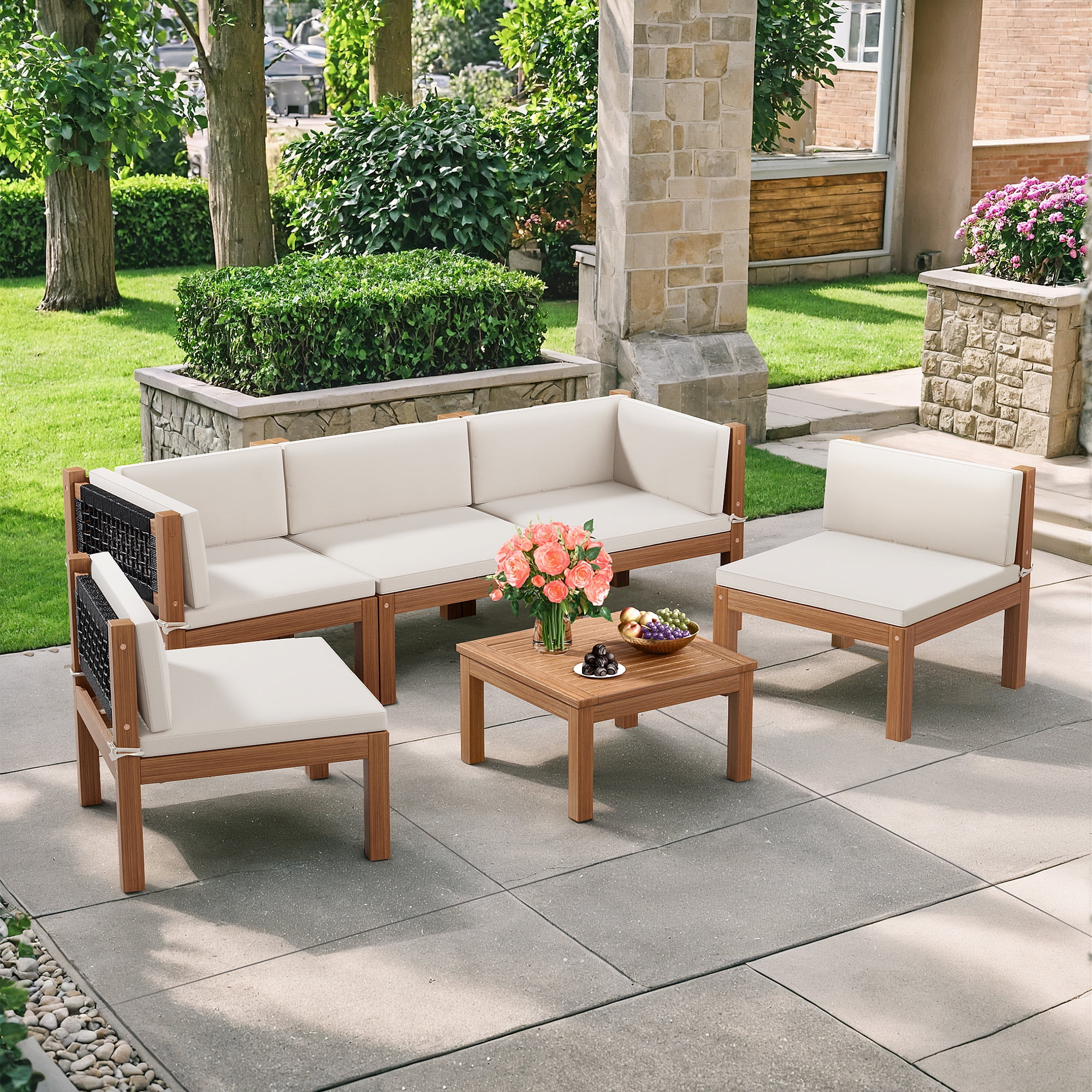
Acacia is a hardwood that is affordable and strong. It works well for many outdoor pieces. Acacia needs regular oiling to keep its shine.
Pressure-treated pine is a softwood treated to resist rot and insects. It is budget-friendly but needs sealing to last longer.
Credit: www.walmart.com
Durability Factors
Choosing the right wood for outdoor furniture depends mostly on durability. Outdoor furniture faces many challenges. It must stay strong despite rain, sun, insects, and time. Understanding key durability factors helps pick wood that lasts longer. These factors include how wood fights rot and decay, resists insects, and handles weather changes.
Resistance To Rot And Decay
Wood exposed to moisture can rot and decay quickly. Some woods have natural oils and chemicals that fight rot. Teak and cedar are famous for this. They stay solid even in wet conditions. Wood without these qualities needs extra treatment to prevent damage. Rot-resistant wood saves money and keeps furniture safe.
Insect Resistance
Insects like termites and beetles can destroy wood fast. Certain woods repel insects naturally. For example, redwood and cypress contain substances that bugs avoid. Using these woods reduces the need for harmful chemicals. It also protects furniture from holes and cracks caused by insects.
Weather Tolerance
Outdoor furniture faces sun, rain, wind, and temperature changes. Some woods handle these conditions better than others. Hardwoods like teak and ipe do not warp or crack easily. Softwoods may swell or shrink with weather changes. Choosing weather-tolerant wood keeps furniture looking good for years.
Top Durable Woods For Outdoor Furniture
Choosing the right wood for outdoor furniture is important. Durable wood lasts longer and resists weather damage. Some woods naturally handle rain, sun, and bugs better. This saves time and money on repairs. Below are top durable woods used for outdoor furniture.
Teak
Teak is famous for its strength and beauty. It has natural oils that protect it from water and insects. This wood ages well and turns a nice silver-gray color. Teak furniture needs little care and stays sturdy for years.
Cedar
Cedar is light and smells good. It contains natural oils that stop bugs and rot. Cedar handles moisture well and does not warp easily. This wood is a popular choice for outdoor benches and chairs.
Redwood
Redwood is strong and resists decay. It has a rich, red color that looks great outside. This wood stays stable in changing weather. Redwood furniture can last a long time with simple maintenance.
Eucalyptus
Eucalyptus is a fast-growing hardwood. It has good resistance to moisture and insects. This wood is affordable and durable for outdoor use. Eucalyptus furniture is a smart choice for budget-friendly options.
Acacia
Acacia is a dense, hard wood. It resists scratches and weather damage well. This wood is often used for outdoor tables and chairs. Acacia furniture has a warm, rich color that lasts.
Maintenance Tips For Outdoor Wood
Outdoor wood furniture adds beauty and comfort to any space. It faces weather challenges like rain, sun, and dirt. Proper care keeps wood looking great and lasting longer. Follow simple steps to maintain your outdoor wood furniture. These tips help protect, clean, and restore wood surfaces.
Cleaning And Sealing
Clean wood furniture regularly to remove dirt and dust. Use a soft brush or cloth and mild soap. Avoid harsh chemicals that can damage the wood. Rinse with clean water and let it dry fully.
Sealing protects wood from moisture and stains. Apply a good wood sealant once or twice a year. This helps prevent cracks and warping. Always choose a sealant made for outdoor use.
Protecting Against Sun Damage
Sun can fade and dry out wood. Use covers or move furniture to shaded areas. Apply UV-protective finishes to reduce sun damage. These finishes keep wood colors rich and prevent cracking.
Reapply UV protection every few months for best results. Avoid placing wood furniture on hot surfaces. Heat can cause wood to dry and split faster.
Repairing And Refinishing
Fix small cracks and scratches quickly. Use wood filler or putty to repair damage. Sand rough spots gently to smooth the surface.
Refinish wood furniture every couple of years. Remove old finishes with sandpaper. Apply new stain or paint to refresh the look. Finish with a protective clear coat for durability.
Eco-friendly Wood Choices
Choosing eco-friendly wood for outdoor furniture helps protect forests and wildlife. It also reduces carbon footprint and supports sustainable living. Many wood types meet these eco-friendly standards while lasting long outdoors.
Understanding eco-friendly wood options ensures a smarter, greener choice for your outdoor space.
Sustainably Sourced Options
Sustainably sourced wood comes from forests managed to regrow after harvesting. These forests avoid clear-cutting and support biodiversity. Using this wood helps keep forest ecosystems healthy.
Common sustainable woods include teak, cedar, and eucalyptus. These woods naturally resist rot and insects, making them ideal outdoors. Choosing sustainably sourced wood means less harm to the environment.
Certified Woods
Certified woods come with labels proving they meet strict environmental standards. The Forest Stewardship Council (FSC) and Programme for the Endorsement of Forest Certification (PEFC) are popular certifiers.
These certifications guarantee responsible forest management and fair labor practices. Certified wood assures buyers their furniture supports forest conservation. Always check for certification marks when buying outdoor wood.
Credit: www.livingetc.com
Comparing Costs And Longevity
Choosing wood for outdoor furniture means balancing cost and lifespan. Some woods cost more upfront but last longer. Others are cheaper but may need replacing soon. Understanding these differences helps pick the best wood for your needs and budget.
Initial Investment
Hardwoods like teak and ipe usually cost more at first. These woods resist weather and pests well. Softwoods such as pine or cedar are less expensive. They need treatment to protect against damage. Initial cost depends on wood quality and source.
Long-term Value
Durable woods save money over time. They require less repair and replacement. Cheaper woods may need extra care and sealing. This adds to maintenance expenses. Consider lifespan and upkeep before buying outdoor furniture wood.
Frequently Asked Questions
What Wood Is Best For Outdoor Furniture Durability?
Teak wood is highly durable for outdoor furniture. It resists water, insects, and decay naturally. Its dense oils protect against weather damage, making it ideal for long-lasting outdoor pieces.
How To Choose Weather-resistant Wood For Outdoor Furniture?
Look for woods like cedar, redwood, or teak. These woods naturally resist moisture and decay. Proper sealing and maintenance improve their weather resistance significantly.
Is Cedar Wood Good For Outdoor Furniture?
Yes, cedar is excellent for outdoor furniture. It repels insects and withstands moisture well. Cedar also has a pleasant aroma and requires minimal maintenance.
Which Wood Needs The Least Maintenance Outdoors?
Teak and redwood require the least maintenance. Their natural oils protect them from rot and pests. Regular cleaning and occasional sealing keep them looking great.
Conclusion
Choosing the right wood makes your outdoor furniture last longer. Hardwoods like teak and cedar resist weather well. Softwoods need more care but can look nice too. Treat wood regularly to keep it strong and beautiful. Think about your climate and how much work you want.
Good wood helps your furniture stay safe and comfy. Enjoy your outdoor space with the best wood choice. Simple care keeps your furniture looking great for years.