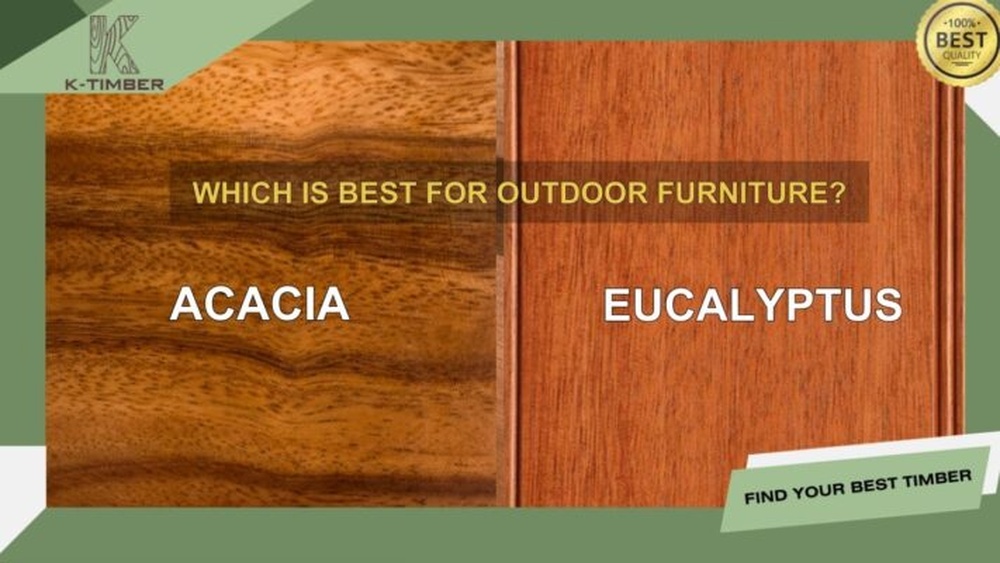
Choosing the right wood for your outdoor furniture can be tricky. You want something that looks great, lasts long, and stands up to the weather.
That’s why you might be wondering: is Acacia or Eucalyptus better for your outdoor furniture? Both woods have their strengths, but which one truly fits your needs? You’ll discover the key differences that can help you make the best choice for your space.
Keep reading, because the perfect outdoor setup starts with the right wood.

Credit: thepopular.co.uk
Acacia Wood Features
Acacia wood is a popular choice for outdoor furniture. It offers several features that make it stand out. This wood is known for its natural beauty and strength. It holds well against outdoor conditions. Let’s explore the key features of Acacia wood.
Durability And Strength
Acacia wood is very strong and hard. It can handle heavy use without damage. This wood resists scratches and dents well. Its dense fibers make it last long. It does not easily break or crack. Ideal for outdoor furniture that needs toughness.
Appearance And Grain
Acacia has a warm, rich color. Shades range from light amber to dark brown. Its grain is unique and attractive. Smooth lines and natural patterns add character. Each piece of furniture looks different. This wood adds charm to any outdoor space.
Maintenance Needs
Acacia wood requires some care to stay beautiful. Regular cleaning with mild soap and water works well. Applying oil or sealant helps keep moisture out. This prevents the wood from drying or cracking. Proper care extends the wood’s life outdoors.
Resistance To Elements
Acacia is naturally resistant to water and decay. It stands up well in rain and sun. This wood also resists insects better than many others. It can handle changing temperatures without warping. Perfect for outdoor furniture exposed to nature.
Eucalyptus Wood Features
Eucalyptus wood is a popular choice for outdoor furniture. It offers many qualities that make it suitable for gardens and patios. Its natural strength and beauty stand out among hardwoods. Understanding its features helps in deciding if it fits your outdoor needs.
This wood comes from fast-growing trees mainly found in Australia. It is known for being dense and strong. Eucalyptus wood can handle the wear and tear of outdoor use well. Let’s explore its main features below.
Durability And Strength
Eucalyptus wood is tough and long-lasting. It resists dents and scratches better than many other woods. Its hardness supports heavy furniture pieces without bending. This strength makes it reliable for outdoor settings. It can last many years with proper care.
Appearance And Grain
Eucalyptus wood shows a rich, warm color. It ranges from light brown to a deeper reddish tone. The grain pattern is usually straight but can be wavy. This texture gives furniture a natural and elegant look. Over time, the wood can develop a soft patina, adding charm.
Maintenance Needs
Eucalyptus requires regular upkeep to keep its best look. Cleaning with mild soap and water is enough most times. Applying a protective oil or sealant helps prevent drying and cracking. Without maintenance, the wood may fade or become rough. Routine care extends its beauty and life.
Resistance To Elements
This wood handles moisture better than many hardwoods. It resists rot and decay in damp conditions. Eucalyptus also tolerates sunlight without quickly fading. It is less prone to insect damage. These traits make it a strong candidate for outdoor furniture exposed to weather.
Comparing Weather Resistance
Choosing the right wood for outdoor furniture means thinking about weather resistance. Both acacia and eucalyptus offer good protection against nature’s effects. This section compares their strengths against moisture, sun, and pests. Understanding these factors helps pick furniture that lasts long and looks great.
Moisture Resistance
Acacia wood naturally resists water well. It prevents swelling and warping in damp conditions. Eucalyptus also handles moisture but can absorb more water than acacia. This may cause faster wear without proper sealing. Regular treatment is key for both woods to stay strong outdoors.
Uv Protection
Acacia has good resistance to sunlight. It keeps its color longer under direct sun. Eucalyptus tends to fade faster when exposed to UV rays. Applying a UV-protective finish helps both woods maintain their look. Sun damage affects eucalyptus more noticeably over time.
Pest Resistance
Acacia contains natural oils that repel insects and fungi. It rarely suffers from termite or bug attacks. Eucalyptus also offers some pest resistance but is less durable against certain insects. Treating eucalyptus with insect repellent extends its outdoor lifespan. Acacia scores higher in pest defense overall.
Comfort And Usability
Comfort and usability are key when choosing wood for outdoor furniture. The right wood makes your furniture easy to use and pleasant to sit on. Both Acacia and Eucalyptus have qualities that affect comfort and handling. Let’s explore how they compare in weight, surface smoothness, and heat retention.
Weight And Portability
Acacia wood is generally heavier than Eucalyptus. This weight adds durability but can make furniture harder to move. Eucalyptus is lighter, making it easier to carry and rearrange. For frequent outdoor use, lighter furniture may offer better convenience. Consider where and how often you move your furniture.
Surface Smoothness
Acacia wood has a fine, smooth grain. It feels nice to the touch and often requires less sanding. Eucalyptus wood can be slightly rougher but still smooths well with finishing. Smooth surfaces reduce splinters and improve comfort. Both woods can be finished to a soft, pleasant feel.
Thermal Properties
Outdoor furniture heats up in the sun. Acacia tends to stay cooler than Eucalyptus. This makes Acacia more comfortable to sit on in hot weather. Eucalyptus may absorb more heat, becoming warm to the touch. Think about your climate and sun exposure when choosing wood.
Environmental Impact
Choosing the right wood for outdoor furniture affects the environment. Acacia and eucalyptus both have unique impacts on nature. Understanding these can help make better choices for the planet. This section looks at how each wood affects the environment during its life cycle.
Sustainability Of Harvesting
Acacia trees grow quickly and can be harvested often. They usually come from plantations designed to replace cut trees. Eucalyptus also grows fast but can require more water. Some eucalyptus forests are managed well, but others are cleared too fast. Proper forest management helps keep ecosystems healthy and supports wildlife.
Carbon Footprint
Acacia wood stores carbon while growing, helping reduce greenhouse gases. Transporting acacia from plantations uses less energy due to local availability. Eucalyptus trees absorb carbon rapidly but may need more processing. The carbon footprint also depends on how far the wood travels to reach furniture makers.
Recyclability And Disposal
Both acacia and eucalyptus furniture can be recycled or reused. They break down naturally if disposed of in compost or landfill. Acacia wood tends to last longer outdoors, reducing waste over time. Eucalyptus may need more treatments, which can affect recycling options. Choosing untreated wood makes disposal simpler and greener.
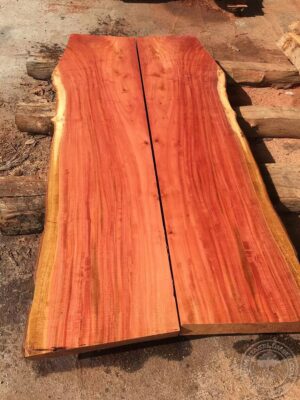
Credit: k-timbers.com
Cost And Value
Choosing between Acacia and Eucalyptus for outdoor furniture involves thinking about cost and value. Both woods offer different price points and benefits. Understanding these can help you get the best for your money. Let’s explore their costs and long-term value.
Initial Price
Acacia wood usually costs more upfront than Eucalyptus. This is because Acacia is denser and has a richer color. Eucalyptus tends to be more affordable but still strong. Your budget will guide the best choice for initial investment.
Long-term Investment
Acacia lasts longer with proper care. It resists weather and pests well. Eucalyptus is durable but may need more maintenance. Over time, Acacia might save money on repairs and replacements. Think about future costs, not just the price tag.
Availability
Eucalyptus is widely available in many regions. It is easier to find and buy. Acacia can be less common and might cost more due to this. Availability affects price and delivery time. Check local options before deciding.
Style And Design Options
Style and design matter a lot for outdoor furniture. Both acacia and eucalyptus woods offer unique looks. These options help you match your outdoor space. They fit different tastes and styles. Let’s explore their color, theme, and customization options.
Color Variations
Acacia wood shows rich, warm colors. It ranges from golden brown to reddish hues. The color deepens with age and sunlight. Eucalyptus has a lighter tone, usually pale brown or grayish. It looks fresh and natural outdoors. Both woods develop a nice patina over time.
Compatibility With Outdoor Themes
Acacia blends well with rustic and tropical themes. Its warm tones add coziness and charm. Eucalyptus fits modern and minimalist styles easily. Its lighter color creates a clean, simple look. Both woods suit beach, garden, and patio settings.
Customization Possibilities
Acacia is easy to shape and carve. It allows detailed designs and smooth finishes. Eucalyptus is strong and can handle bold, simple shapes. Both woods take stains and paints well. You can customize furniture to match your style.
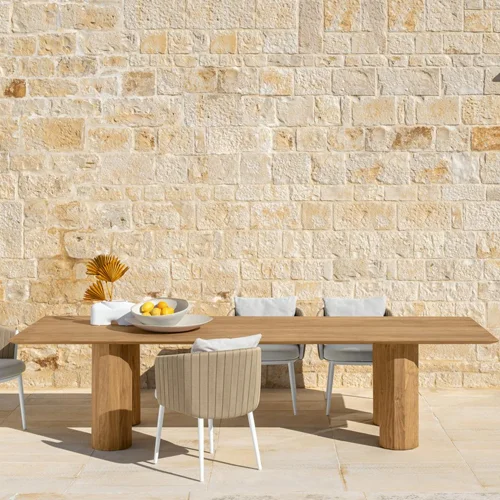
Credit: blog.kbpatiofurniture.com
Tips For Care And Maintenance
Proper care and maintenance keep outdoor furniture looking great for years. Both acacia and eucalyptus wood need attention to stay strong and beautiful. Simple steps can protect your furniture from weather and wear. Follow these tips to extend the life of your outdoor pieces.
Cleaning Techniques
Use a soft brush or cloth to remove dust and dirt. Clean with mild soap and water. Avoid harsh chemicals that can damage the wood. Rinse well and dry with a towel to prevent water spots. Clean regularly to stop buildup of grime and mold.
Protective Treatments
Apply a wood oil or sealant every few months. This helps keep moisture out and prevents cracking. Use products made for outdoor wood furniture. Follow the instructions on the label for best results. Reapply after heavy rain or intense sun exposure.
Seasonal Care
Store furniture in a dry place during winter or rainy seasons. Cover pieces with breathable covers to avoid mold and mildew. Check for loose screws or cracks before and after each season. Sand rough spots gently to keep surfaces smooth. Proper seasonal care avoids damage from harsh weather.
Frequently Asked Questions
Which Wood Lasts Longer, Acacia Or Eucalyptus?
Acacia wood generally lasts longer due to its dense grain and natural oils. Eucalyptus is durable but may need more maintenance. Both woods resist outdoor conditions well, but Acacia offers better longevity for outdoor furniture.
Is Acacia Or Eucalyptus More Weather Resistant?
Acacia has superior weather resistance thanks to its dense fibers and natural oils. Eucalyptus resists moisture but can be prone to cracking over time. For harsh climates, Acacia is often the preferred choice.
Which Wood Is More Eco-friendly For Outdoor Furniture?
Both Acacia and Eucalyptus are sustainable choices if sourced responsibly. Eucalyptus grows faster, making it more renewable. Acacia is also eco-friendly but grows slower. Check certifications to ensure environmental responsibility.
Which Wood Requires Less Maintenance Outdoors?
Acacia requires less maintenance due to its natural oils that protect against decay. Eucalyptus needs regular sealing and treatment to maintain its durability. For low upkeep, Acacia is the better option.
Conclusion
Choosing between acacia and eucalyptus depends on your needs. Acacia offers strong durability and rich color. Eucalyptus is lighter and resists moisture well. Both woods suit outdoor furniture but differ in care and look. Think about your climate and style preference.
Quality and maintenance matter more than the wood type alone. Either wood can last long with proper care. Your outdoor space will benefit from either choice. Simple care keeps your furniture beautiful for years.