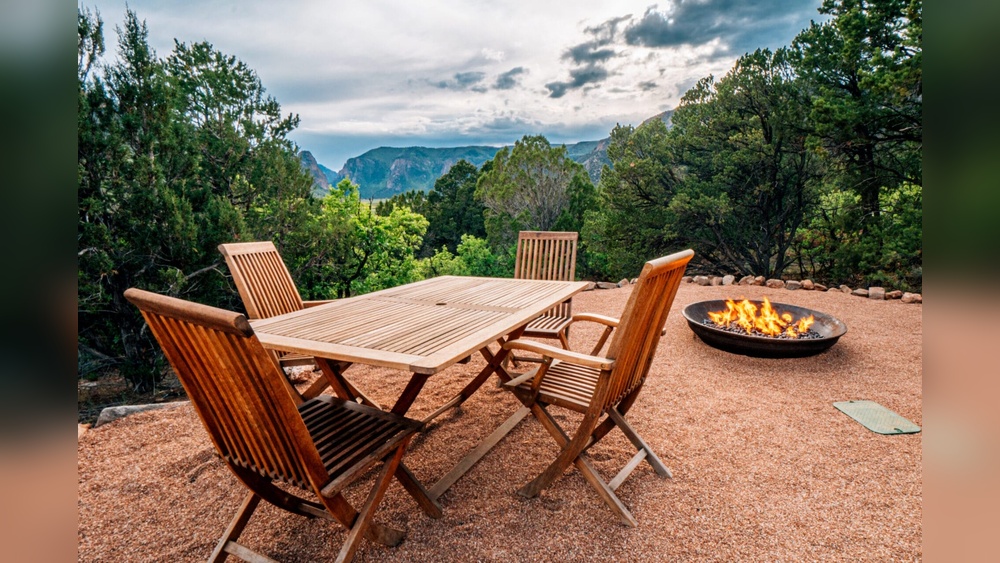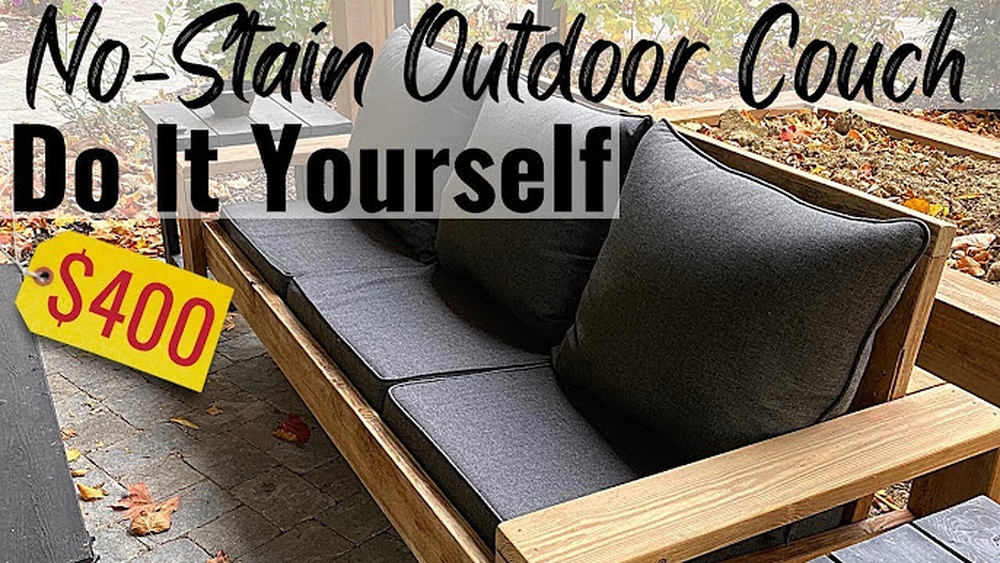
Imagine stepping outside to your very own outdoor patio, filled with furniture that you built yourself. You get to enjoy not only the comfort but also the pride of creating something unique and personal.
Making your own outdoor patio furniture might sound challenging, but with the right steps, you can easily transform simple materials into stylish, durable pieces. You’ll discover easy-to-follow tips and tricks that will guide you through the entire process. Ready to turn your outdoor space into a cozy haven?
Let’s dive in and make your dream patio furniture a reality.
Choosing Materials
Choosing the right materials is key to making strong and lasting outdoor patio furniture. The materials must handle weather changes and stay comfortable. Some materials suit certain styles and budgets better. Picking the right one makes your furniture both useful and beautiful.
Wood Options
Wood is a favorite for outdoor furniture. It feels warm and natural. Cedar and teak resist water and bugs well. Pine is cheaper but needs more care. Treat wood with sealant to stop cracks and rotting. Sand smooth before painting or staining. Wood works well for chairs, tables, and benches.
Metal Choices
Metal gives a modern, sleek look. Aluminum is light and does not rust. Steel is strong but needs paint to stop rust. Wrought iron looks classic but is heavy. Use rust-resistant paint to keep metal bright. Metal furniture lasts long and holds up well in wind and rain.
Recycled Materials
Recycled materials are good for the planet and your wallet. Old pallets can turn into rustic tables or benches. Plastic lumber made from recycled bottles is weatherproof and easy to clean. Using recycled materials makes unique furniture and cuts waste. These materials also often need less maintenance over time.
Essential Tools
Making your own outdoor patio furniture needs some basic tools. These tools help you cut, join, and finish your project. Having the right tools makes the work easier and safer. It also helps you get better results. Below are the essential tools you should have.
Cutting Tools
Cutting tools shape your wood or materials. A handsaw is great for small cuts and simple shapes. A circular saw works faster for straight, long cuts. A jigsaw can cut curves and detailed shapes easily. Always use sharp blades for clean cuts and safety.
Fastening Tools
Fastening tools join your furniture parts. A power drill makes drilling holes and driving screws quick. Wood screws hold pieces firmly together. Clamps keep parts steady while you fasten them. Nails and a hammer can also work for simple joins.
Finishing Tools
Finishing tools smooth and protect your furniture. Sandpaper or a power sander removes rough edges and splinters. Paintbrushes or rollers help apply paint or sealant evenly. A good finish protects wood from weather damage and makes furniture last longer.
Design Ideas
Creating your own outdoor patio furniture lets you bring personal style to your space. Simple designs can look elegant and fit well in any garden or porch. Choose ideas that match your skill level and space size. Use materials that last outdoors and suit your climate. Below are easy, popular design ideas to try.
Simple Bench
A simple bench is a great start for beginners. It requires only a few wooden planks and basic tools. Choose sturdy wood like cedar or teak for outdoor use. Paint or stain the bench to protect it from weather. Add cushions for extra comfort and color.
Table And Chairs Set
Building a table and chairs set creates a cozy dining area. Use matching wood for a uniform look. Keep the design basic with straight lines and simple joints. This set fits well on small patios or balconies. Seal the wood to keep it safe from rain and sun.
Modular Seating
Modular seating allows flexible arrangements. Build separate pieces that you can move around easily. Use cubes, benches, or low tables to create different layouts. Add weatherproof cushions for comfort. This design works well for large spaces or gatherings.
Step-by-step Construction
Building your own outdoor patio furniture can be a rewarding project. It brings a personal touch to your outdoor space. Follow clear steps for a smooth construction process. Each step matters to create strong, beautiful furniture. This guide covers measuring, assembly, and finishing.
Measuring And Cutting
Start by measuring all wood pieces carefully. Use a tape measure and mark the wood clearly. Cut each piece to the exact size needed. Precise cuts ensure your furniture fits together well. Double-check measurements before cutting to avoid mistakes. Use a saw that suits your skill and wood type.
Assembly Tips
Lay out all pieces before starting assembly. It helps to understand how parts fit together. Use screws or nails designed for outdoor use. Drill pilot holes to prevent wood from splitting. Tighten fasteners firmly but avoid over-tightening. Work slowly and check alignment often for best results.
Sanding And Smoothing
Sand all surfaces to remove rough spots and splinters. Start with coarse sandpaper and finish with fine grit. Smooth edges make the furniture safer and more comfortable. Clean dust from sanding before applying any finish. A smooth surface helps paint or stain stick better. Take time to create a polished look.
Weatherproofing Tips
Making your own outdoor patio furniture is rewarding. Protecting it from weather is key. Rain, sun, and wind can damage wood and metal. Weatherproofing keeps your furniture looking good longer. This section covers easy ways to protect your pieces.
Sealing And Staining
Sealing wood blocks moisture and sun damage. Use a clear sealant or wood stain. Stains add color and protect the wood surface. Apply two or three coats for best results. Let each coat dry fully before adding the next. This method keeps wood strong and vibrant.
Using Outdoor Paint
Outdoor paint shields your furniture from rain and sun. Choose paint made for exterior use. It sticks well and resists fading. Clean and sand the surface before painting. Apply a primer first to help paint hold. Paint gives a fresh look and durable protection.
Protective Covers
Covers block rain, dust, and dirt. Use waterproof covers that fit snugly. Cover furniture when not in use or during bad weather. This prevents moisture buildup and keeps furniture clean. Breathable covers stop mold and mildew from growing. Covers extend your furniture’s life easily.
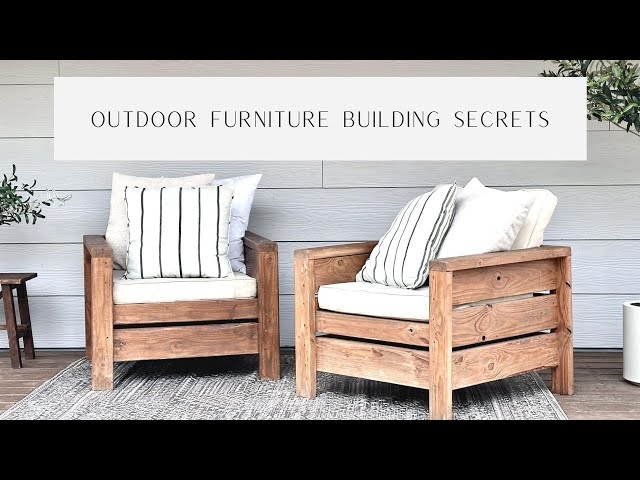
Credit: www.youtube.com
Adding Comfort
Adding comfort to your outdoor patio furniture makes your space inviting and cozy. It helps you enjoy long hours outside with family and friends. Comfort is not just about seating but also about creating a relaxing atmosphere. Simple touches can change your patio into a favorite spot for rest and fun.
Cushions And Pillows
Soft cushions make hard chairs pleasant. Choose weather-resistant fabrics for durability. Bright colors or patterns add personality to your furniture. Pillows offer extra support and style. Mix sizes for a casual, relaxed look. Replace cushions easily to keep furniture fresh.
Shade Options
Shade keeps you cool on sunny days. Use umbrellas, pergolas, or shade sails for protection. These options reduce glare and heat. Choose a style that matches your furniture. Portable umbrellas offer flexibility. Fixed pergolas provide a permanent shaded area.
Decorative Elements
Decorations enhance comfort and style. Add outdoor rugs for warmth underfoot. String lights create a soft, welcoming glow. Planters with flowers bring life to the space. Use lanterns or candles for evening ambiance. Small details make your patio feel like home.
Maintenance Advice
Maintaining your outdoor patio furniture keeps it looking fresh and lasting longer. Regular care stops dirt buildup and damage from weather. Simple steps help your furniture stay strong and attractive.
Cleaning Techniques
Clean your furniture often to remove dirt and dust. Use a soft brush or cloth to wipe surfaces gently. Mix mild soap with water for better cleaning. Rinse with clean water and dry with a towel. Avoid harsh chemicals that can harm the material.
Repairs And Touch-ups
Check for cracks, chips, or loose parts regularly. Fix small cracks with outdoor wood filler or glue. Sand rough spots before applying touch-up paint or stain. Tighten screws and bolts to keep furniture stable. Repairing early prevents bigger problems later.
Storage Solutions
Store furniture in a dry, covered place during harsh weather. Use waterproof covers if storage indoors is not possible. Keep cushions and fabrics inside to avoid mold and fading. Proper storage protects your furniture and saves money on repairs.
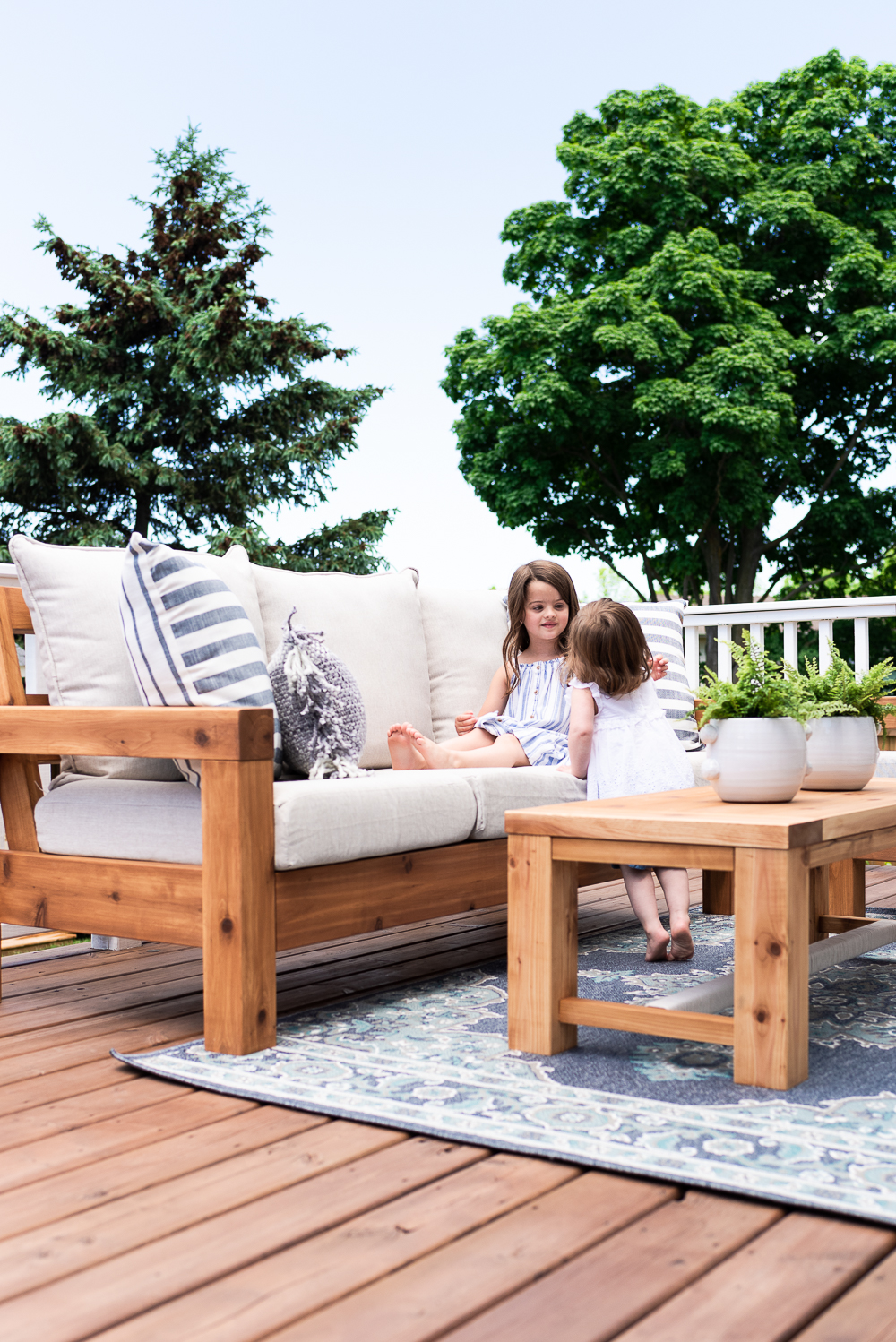
Credit: www.nickandalicia.com

Credit: www.northcountrynest.com
Frequently Asked Questions
What Materials Are Best For Diy Outdoor Patio Furniture?
Wood, metal, and all-weather wicker are popular choices. Cedar and teak resist weather well. Metal offers durability and modern style. Choose materials that suit your climate and budget for lasting furniture.
How Much Does It Cost To Make Patio Furniture?
Costs vary by materials and tools used. Basic DIY sets can range from $100 to $500. Using reclaimed wood or pallets lowers expenses. Budget for paint, screws, and cushions for comfort.
What Tools Do I Need For Building Patio Furniture?
Essential tools include a saw, drill, measuring tape, and screwdriver. Sandpaper and clamps help with finishing touches. A level ensures stability. Proper tools make construction easier and safer.
How Can I Protect Diy Patio Furniture From Weather?
Apply weather-resistant paint or sealant to prevent damage. Use cushions with waterproof covers. Store furniture indoors during harsh weather. Regular maintenance extends the furniture’s lifespan and appearance.
Conclusion
Building your own outdoor patio furniture can be simple and fun. Use the right tools and follow clear steps. Choose materials that last and fit your style. Personal touches make your space unique. Enjoy the comfort and pride of handmade furniture.
Spend time outside with family and friends. This project saves money and gives great satisfaction. Start small, learn as you go, and create something special. Your patio will become a favorite spot to relax.