Are you ready to give your outdoor furniture a fresh, stylish makeover? Painting your outdoor pieces can transform your space and make your home feel more inviting.
But where do you start? How do you choose the right colors and techniques that match your style and last through all kinds of weather? In this guide, you’ll discover simple, effective tips to paint your outdoor furniture like a pro—right at home.
Keep reading to unlock the secrets that will help your furniture stand out and make your outdoor area the place everyone wants to relax.

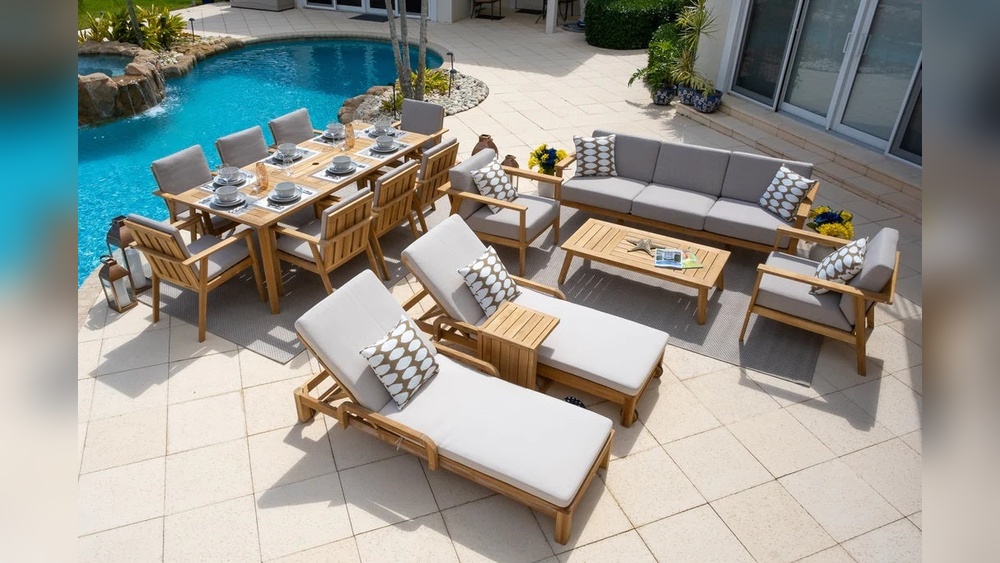
Credit: www.amazon.com
Choosing The Right Furniture
Choosing the right outdoor furniture is the first step to a beautiful patio. The furniture needs to last through all weather types. It also should match your home’s style and outdoor space. Picking the right pieces makes painting easier and the final look better.
Selecting Materials For Durability
Outdoor furniture faces sun, rain, and wind daily. Choose materials that can handle these conditions. Teak, metal, and plastic are strong choices. Teak resists water and ages well. Metal is sturdy but may need rust protection. Plastic is light and easy to clean. Avoid wood that absorbs water easily. Durable materials reduce the need for frequent repainting.
Identifying Styles That Suit Your Space
Think about your outdoor area’s size and style. Small spaces benefit from compact furniture. Large yards can hold bigger sets or loungers. Match furniture style with your home’s look. Modern homes go well with sleek, simple lines. Rustic homes suit wooden or vintage pieces. The right style creates a cozy, inviting space. It also makes painting easier and more fun.
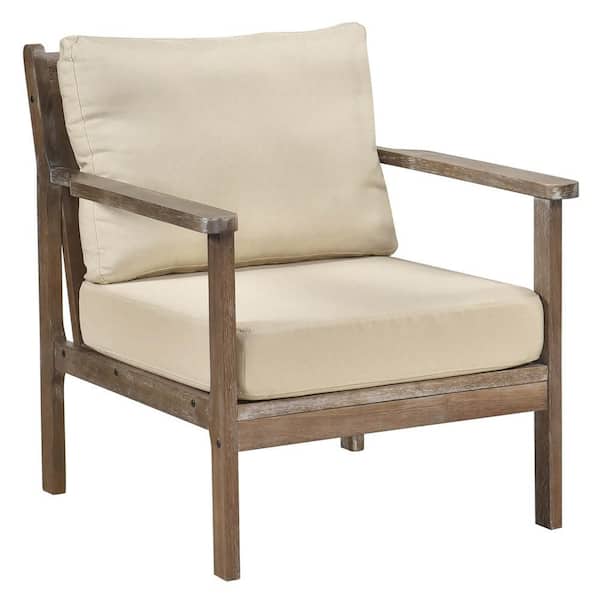
Credit: www.homedepot.com
Preparing Furniture For Painting
Preparing your outdoor furniture before painting is a key step. It helps the paint stick better and last longer. Proper preparation also makes the furniture look smooth and fresh. Taking time to clean, sand, and fix any damage ensures a beautiful finish.
Cleaning And Sanding Surfaces
Start by cleaning the furniture to remove dirt and dust. Use a mild soap with water and a soft brush. Rinse well and let it dry completely. Sand the surface gently using fine-grit sandpaper. This removes old paint and rough spots. Sanding also creates a good surface for the new paint to hold on.
Repairing Damages And Imperfections
Check the furniture for cracks, holes, or loose parts. Fill small holes with wood filler or putty. Let it dry, then sand the area smooth. Tighten any loose screws or joints. Fixing damages now prevents problems after painting. Smooth surfaces give a neat, professional look to your painted furniture.
Picking The Best Paint And Tools
Choosing the right paint and tools makes a big difference in painting outdoor furniture. Good paint protects the furniture from weather and wear. Proper tools help you apply paint smoothly and evenly. This section guides you to pick the best paint and tools for your project.
Types Of Paint For Outdoor Use
Outdoor furniture needs paint that resists water, sun, and temperature changes. Acrylic latex paint is a popular choice. It dries fast and lasts long. Oil-based paint offers strong protection but takes longer to dry. Chalk paint gives a matte finish and works well for a vintage look. Use paint labeled for outdoor use to ensure durability. Check for UV resistance to prevent fading.
Essential Brushes And Sprayers
Brushes with synthetic bristles work best with acrylic and latex paints. They hold paint well and clean easily. Use angled brushes to reach corners and detailed parts. Foam brushes give a smooth finish on flat surfaces. Paint sprayers speed up large projects and create even coats. Choose a sprayer that matches your paint type for best results. Clean tools after use to keep them in good condition.
Techniques For A Smooth Finish
Painting outdoor furniture requires patience and the right techniques for a smooth finish. A smooth finish makes furniture look neat and lasts longer. It also protects wood or metal from weather damage. This section shares simple tips to help paint your furniture with a clean, even look.
Layering And Drying Tips
Apply paint in thin, even layers. Thick layers cause drips and uneven drying. Let each coat dry completely before adding the next. Drying times vary by paint type and weather. Use a soft brush or foam roller for smooth application. Light sanding between coats helps paint stick better. This step also removes bumps and rough spots. Patience is key. Multiple thin coats produce the best finish.
Avoiding Common Painting Mistakes
Skip painting on dusty or wet surfaces. Dirt stops paint from sticking well. Avoid painting in direct sunlight or extreme heat. Paint dries too fast and cracks. Don’t use old or thick paint. It can create lumps. Always clean furniture before painting. Remove old paint with sandpaper or a scraper. Use primer on bare wood or metal. It helps paint bond and last longer. Keep tools clean to prevent streaks and uneven layers.
Adding Style With Colors And Patterns
Adding colors and patterns is a simple way to brighten outdoor furniture. It brings life and personality to your patio or garden space. Paint can transform plain wood or metal into unique, stylish pieces. Choosing the right colors and using patterns can make your furniture stand out.
Colors set the mood, while patterns add interest. Together, they create a cozy, inviting outdoor area. This section covers how to pick great colors and use stencils for fun effects.
Choosing Color Palettes For Outdoor Settings
Start with colors that match your outdoor environment. Soft greens and blues blend well with plants and sky. Bright colors like red or yellow add energy and warmth. Neutral tones, like beige or gray, create a calm look.
Pick two or three colors that work well together. Use one as the main color and the others as accents. This keeps your furniture balanced and pleasing to the eye. Consider how sunlight will affect the colors outside.
Stenciling And Decorative Effects
Stencils allow easy painting of patterns on furniture. Choose simple shapes like leaves or geometric designs. Use a sponge or small brush to apply paint inside the stencil. This gives clean, sharp edges.
Try stripes or polka dots for a playful touch. Mix solid paint with stenciled areas for contrast. Decorative effects like distressing or layering can add texture. These small details make furniture look custom and stylish.
Protecting Your Painted Furniture
Protecting your painted outdoor furniture is key to keeping it beautiful longer. Paint alone cannot stop damage from sun, rain, and wear. A good protective layer helps your furniture resist fading, chipping, and moisture. Take steps to shield your painted pieces and enjoy them season after season.
Applying Sealants And Finishes
Sealants create a strong barrier over the paint. Choose a clear, outdoor-rated sealant for best results. Use a brush or spray to apply an even coat. Let it dry fully before using the furniture. Two or more coats provide better protection. Avoid sealants that yellow or peel over time.
Maintenance Tips For Longevity
Clean furniture regularly with mild soap and water. Avoid harsh chemicals that can break down paint and sealant. Cover furniture or move it indoors during heavy rain or winter. Check for chips or cracks and touch up paint as needed. Proper care keeps your painted furniture looking fresh longer.
Creative Ideas For Personalization
Personalizing outdoor furniture adds charm and shows your style. It makes your space unique and inviting. Simple changes create a big impact. Use paint and other materials to express your taste. Try new ideas to refresh old furniture and enjoy your outdoor area more.
Mixing Textures And Materials
Combine different textures for a rich look. Paint wooden chairs with chalk paint for a soft feel. Add metal accents with spray paint for shine. Use fabric cushions with bright colors to soften hard surfaces. Mix rough and smooth textures to create interest. This contrast makes the furniture stand out beautifully.
Incorporating Outdoor Themes
Choose themes that match your garden or porch. Paint leaves, flowers, or birds to bring nature closer. Use blue and white for a beach vibe. Draw geometric shapes for a modern twist. Themes give your furniture a story and personality. They help connect your outdoor space with your style.

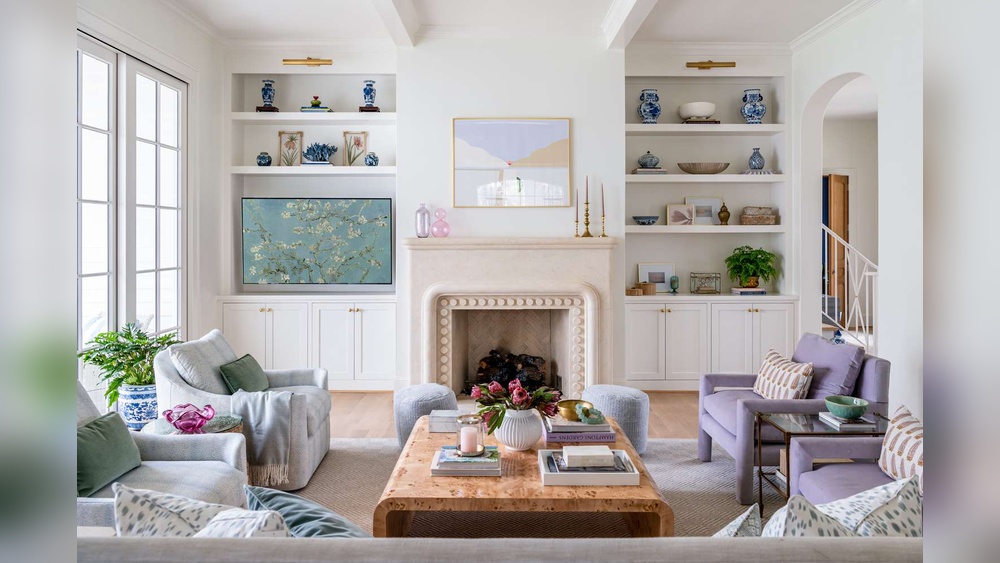
Credit: www.homestyle-furniture.com
Frequently Asked Questions
How Do I Prepare Outdoor Furniture For Painting?
Clean the furniture thoroughly to remove dirt and old paint. Sand the surface to create a smooth base. Use a primer suitable for outdoor materials to ensure better paint adhesion and durability.
What Type Of Paint Is Best For Outdoor Furniture?
Use exterior-grade paint that resists weather and UV rays. Acrylic latex paint is durable and easy to apply. It provides good protection and vibrant color for outdoor use.
How Many Coats Of Paint Should I Apply Outside?
Apply two to three thin coats for best coverage. Allow each coat to dry completely before applying the next. Thin layers prevent drips and ensure a smooth, lasting finish.
Can I Paint Outdoor Furniture In Humid Weather?
Avoid painting in high humidity or rain. Moisture can cause paint to dry unevenly or peel. Choose dry, mild days for optimal painting results and furniture longevity.
Conclusion
Painting outdoor furniture brings new life to your space. Choose the right paint and tools for lasting results. Clean and sand surfaces well before you start. Apply paint evenly and let it dry fully. Add a protective coat to keep furniture safe.
Enjoy your refreshed furniture with pride and comfort. Small efforts make a big difference in style. Try these steps to brighten your outdoor area today. Simple changes create a cozy, inviting atmosphere.