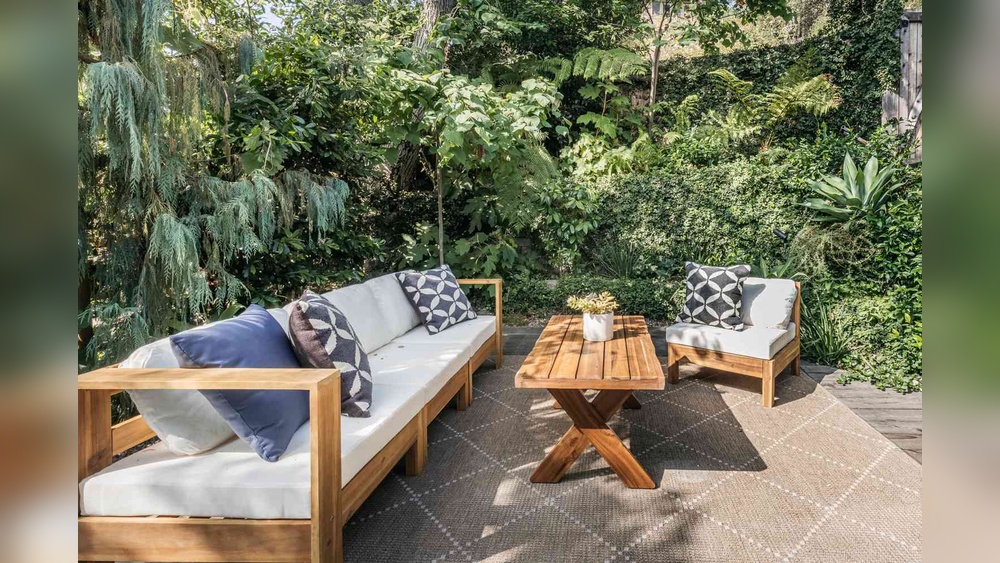
Imagine having a cozy outdoor space where you can relax, entertain friends, and enjoy fresh air—all with furniture you built yourself. Building your own outdoor furniture sectional might sound challenging, but it’s easier than you think.
In this guide, you’ll discover simple steps to create a stylish, durable sectional tailored to your space and style. By the end, you’ll have the confidence and know-how to transform your patio or backyard into the perfect hangout spot. Ready to get started?
Let’s dive in!
Choosing Materials
Choosing the right materials is the first step in building a strong outdoor furniture sectional. The materials must handle sun, rain, and wind well. This ensures your furniture lasts long and stays beautiful. Materials also affect comfort, style, and ease of care. Picking quality items saves time and money later.
Wood Types For Durability
Wood is a popular choice for outdoor furniture. It feels natural and looks warm. Some woods last longer outside. Teak is very strong and resists water and insects. Cedar has natural oils that stop rot and bugs. Redwood also resists decay and stays stable in weather. Avoid soft woods that wear out fast. Treat wood with sealants to keep it safe.
Weather-resistant Fabrics
Fabrics cover cushions and add color. Outdoor fabrics must resist sun fading and moisture. Acrylic fabrics dry fast and stay bright. Polyester is strong and easy to clean. Look for fabrics labeled “water-resistant” or “UV-resistant.” These fabrics stop mold and mildew. Choose colors that match your style and outdoor space.
Hardware Essentials
Hardware holds your sectional together. It must resist rust and corrosion. Stainless steel screws and bolts work best. Galvanized metal also fights rust. Avoid plain steel or iron. Use strong brackets and connectors. This keeps the furniture safe and steady. Check all hardware parts before assembly.
Designing Your Sectional
Designing your outdoor furniture sectional starts with a clear plan. This plan helps create a comfortable and functional space. Careful design saves time and money during building.
Focus on your space, shape, and style to match your needs. Think about how you want to use the sectional. This makes designing easier and more effective.
Measuring Your Space
Begin by measuring the area where you want the sectional. Use a tape measure for accuracy. Write down the length and width of the space.
Consider walkways and other furniture in the area. Leave enough room for easy movement. This prevents a crowded or awkward setup.
Selecting A Layout
Choose a shape that fits your space well. Common layouts include L-shape, U-shape, or straight lines. Think about how many people will use the sectional.
Decide if you want separate pieces or connected sections. Modular designs offer flexibility and easy rearrangement. Pick a layout that matches your lifestyle and space.
Sketching The Plan
Draw a simple sketch of your sectional design. Include dimensions based on your measurements. Mark where each piece will go and how they connect.
This visual helps check your ideas before building. It also guides cutting and assembling the wood. Keep the sketch clear and easy to follow.
Gathering Tools
Gathering the right tools is the first step to build your outdoor furniture sectional. Tools help you cut, join, and finish wood pieces properly. Having the correct tools makes the work easier and safer.
Basic Carpentry Tools
Start with a tape measure to get exact wood sizes. A handsaw or circular saw helps cut wood accurately. Use a hammer to drive nails and a screwdriver for screws. A carpenter’s square keeps corners straight. Sandpaper or a sanding block smooths rough edges.
Safety Equipment
Safety is very important. Wear safety glasses to protect your eyes from dust and splinters. Use gloves to avoid splinters and cuts. Hearing protection helps when using loud power tools. A dust mask stops breathing in harmful dust.
Optional Power Tools
Power tools save time and effort. An electric drill speeds up drilling holes and driving screws. A power sander smooths wood faster than hand sanding. A miter saw cuts wood at precise angles. These tools are helpful but not required.
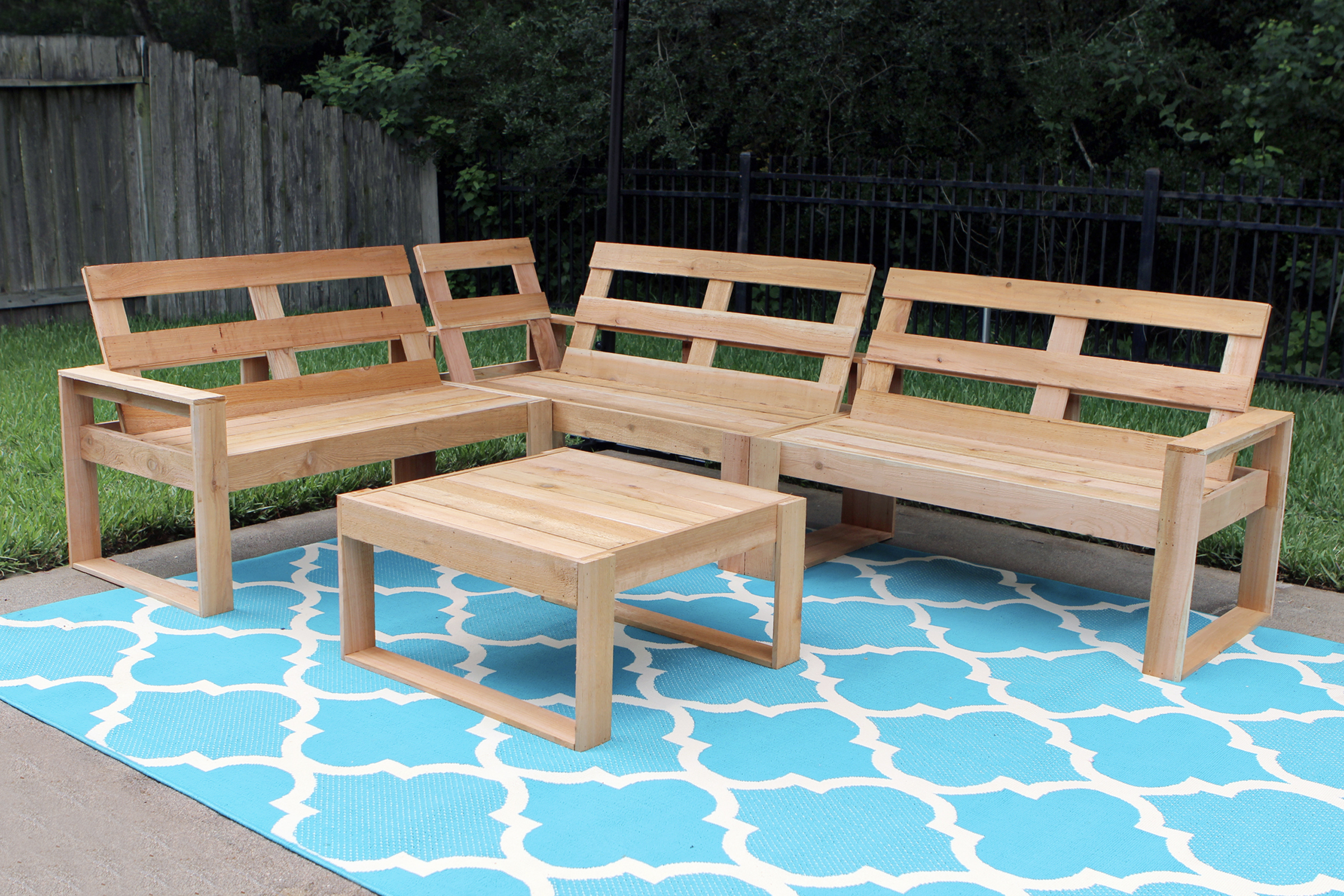
Credit: grayhousestudio.com
Cutting And Preparing Wood
Cutting and preparing wood is a key step in building outdoor furniture sectional pieces. Accurate cuts ensure a strong and stable structure. Smooth surfaces help with assembly and give a professional look.
Taking time to measure and prepare the wood carefully will save effort later. Use the right tools and techniques for the best results. This section covers marking, cutting, and sanding wood properly.
Marking Measurements
Start by measuring all wood pieces with a tape measure. Mark each cut line clearly using a pencil. Double-check measurements before cutting. Use a square tool to draw straight lines. Clear marks avoid mistakes and waste of wood.
Cutting Techniques
Use a saw suitable for your wood type and thickness. Cut slowly and steadily along the marked lines. Keep the saw blade straight to avoid angled edges. Support wood firmly while cutting to prevent splintering. Clean cuts help pieces fit together well.
Sanding And Smoothing
Sand all cut edges and surfaces with medium-grit sandpaper. Remove any rough spots or splinters for safety. Follow with fine-grit sandpaper for a smooth finish. Sanding improves wood adhesion for paint or sealant. Take your time for the best results.
Assembling The Frame
Building the frame of your outdoor furniture sectional is a key step. It gives the structure its shape and strength. A well-assembled frame ensures the sectional lasts long and stays safe to use. Focus on precise assembly to avoid weak spots.
Joining Methods
Choose the right method to connect the frame pieces. Common ways include screws, nails, and wood glue. Screws provide strong hold and can be tightened later. Nails work best for quick assembly but may loosen over time. Wood glue adds extra strength but needs drying time.
Use clamps to hold parts while the glue dries. Drill pilot holes before screwing to stop wood from splitting. Match the joining method to the frame material, like wood or metal.
Securing The Frame
Secure each joint firmly for a sturdy frame. Tighten screws fully but avoid over-tightening. Over-tightening can crack the wood or strip screw holes. Use corner brackets or metal plates for added support in corners and joints.
Check that all parts fit snugly without gaps. Sand rough edges to prevent splinters. Make sure the frame is square by measuring diagonals before final tightening.
Checking For Stability
After assembly, test the frame’s stability. Press and shake the frame gently to find any wobbling. Tighten loose screws or add extra braces if needed. A stable frame feels solid and does not move easily.
Place the frame on a flat surface to check balance. Adjust legs or add pads to keep it level. Stability ensures comfort and safety for your outdoor sectional.

Credit: www.youtube.com
Adding Cushions And Covers
Adding cushions and covers transforms your outdoor furniture sectional into a cozy and stylish spot. Cushions bring comfort, while covers protect the seating from weather and dirt. Choosing the right materials and methods helps your furniture last longer and look great.
Choosing Comfortable Cushions
Select cushions that balance softness and support. Foam cushions with high density keep their shape well. Look for cushions with quick-dry foam to avoid mold. Pick sizes that fit your sectional perfectly for a neat look. Choose colors and patterns that match your outdoor space.
Attaching Fabric Covers
Use covers with zippers or Velcro for easy removal and cleaning. Sew covers with strong thread and double stitches for durability. Attach covers tightly to avoid slipping during use. Consider adding ties or elastic bands to keep cushions in place. Choose breathable fabrics to keep cushions fresh.
Waterproofing Tips
Use waterproof sprays on cushions and covers to repel water. Apply sprays evenly and let them dry fully before use. Store cushions in a dry place when not in use to extend life. Choose fabrics labeled as water-resistant or waterproof. Regularly check cushions for dampness and dry quickly to prevent mold.
Finishing Touches
Finishing touches give your outdoor furniture sectional a polished look. They protect the wood and make the piece last longer. Small details can change how your furniture looks and feels.
Applying Paint Or Stain
Choose paint or stain based on your style and wood type. Paint covers the wood completely and adds color. Stain soaks into the wood, showing its natural grain. Use a brush or cloth to apply evenly. Let each coat dry fully before adding another. This step prevents peeling and cracking later.
Sealing For Protection
Seal your sectional to guard against rain and sun. Use a clear outdoor sealant made for wood. Apply with a brush in thin, even layers. Sealants stop water from soaking in and reduce fading. Reapply sealant every year for best protection.
Decorative Accents
Decorative accents add style and comfort. Use colorful cushions to brighten the space. Add outdoor rugs for warmth and texture. Choose weatherproof fabrics that dry quickly. Small plants or lanterns can create a cozy feel. These touches make your sectional inviting and unique.
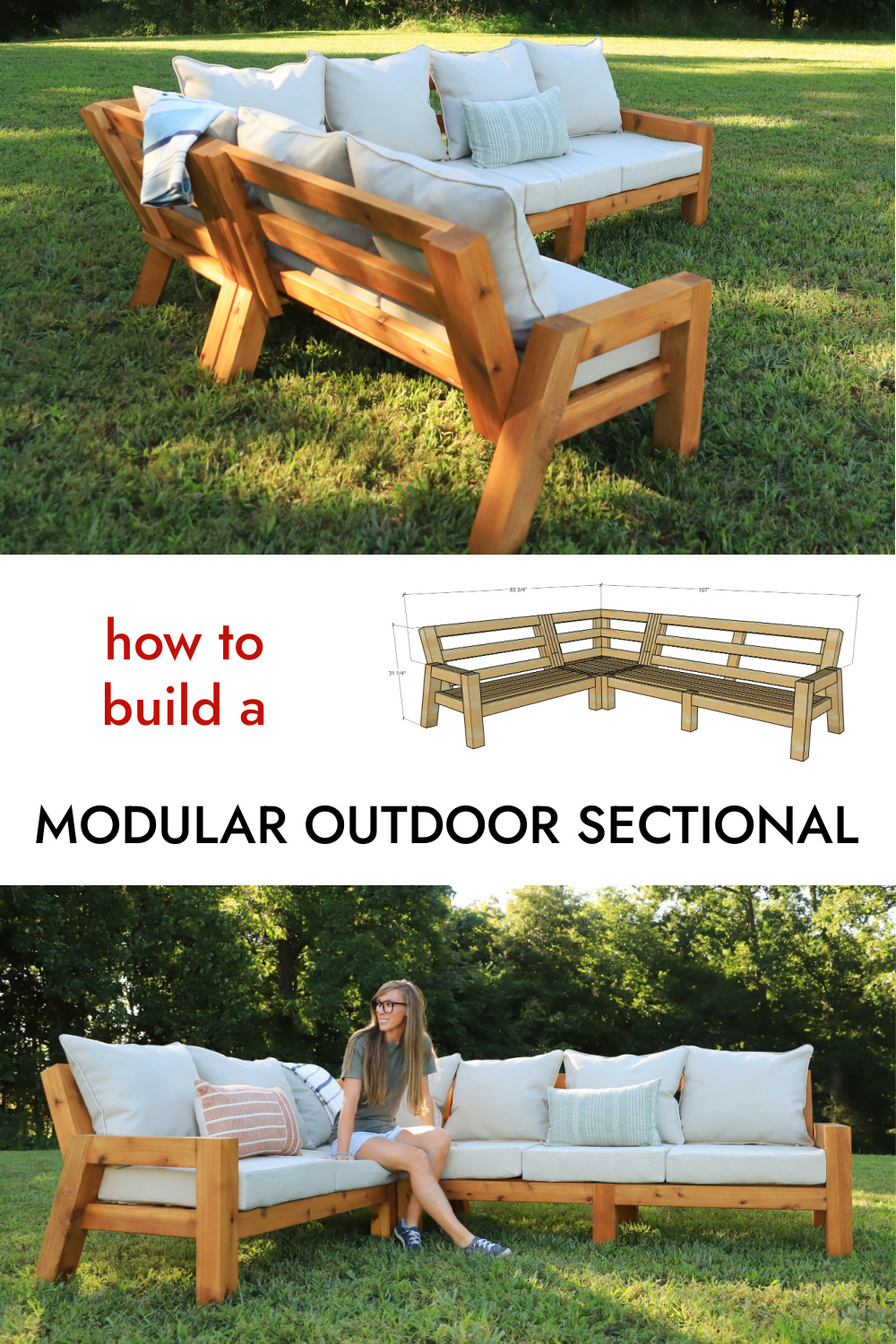
Credit: www.woodshopdiaries.com
Maintenance Tips
Maintaining your outdoor furniture sectional is key to keeping it beautiful and strong. Regular care helps your furniture last longer and look fresh. Small efforts make a big difference in preserving your investment.
Cleaning The Furniture
Clean your furniture often to remove dirt and dust. Use a soft brush or cloth for wiping surfaces. Mild soap mixed with water works well for cleaning. Avoid harsh chemicals that can damage the material. Rinse with clean water and let it dry fully in the sun.
Seasonal Care
Protect your furniture during harsh weather. Cover it with waterproof covers in rain or snow. Store cushions indoors to prevent mold and fading. For wooden pieces, apply a protective sealant before winter. This care reduces wear and keeps your furniture strong.
Repairing Minor Damages
Fix small scratches or cracks early to avoid bigger issues. Use wood filler or touch-up paint for wood surfaces. Tighten loose screws or bolts regularly. Replace broken parts with similar materials. Quick repairs keep your furniture safe and looking good.
Frequently Asked Questions
What Materials Are Best For Outdoor Furniture Sectionals?
Teak, cedar, and synthetic wicker are ideal for outdoor furniture. They resist weather, decay, and insects, ensuring durability. Choose materials based on climate and maintenance preferences to keep your sectional looking great over time.
How Do I Design An Outdoor Sectional Layout?
Measure your space carefully and consider traffic flow. Arrange sectional pieces to encourage conversation and comfort. Include modular components for flexibility, and add cushions and accessories to enhance style and usability.
What Tools Are Needed To Build Outdoor Sectionals?
Basic woodworking tools like a saw, drill, measuring tape, and screws are essential. Sandpaper and weatherproof sealant complete the kit. These tools help create sturdy, smooth, and weather-resistant furniture.
How Can I Weatherproof My Outdoor Sectional Furniture?
Apply sealants or waterproof paint to protect wood. Use UV-resistant fabrics for cushions to prevent fading. Cover your furniture during heavy rain or winter to extend its life and maintain appearance.
Conclusion
Building your own outdoor furniture sectional can be fun and rewarding. Start with a clear plan and gather all needed materials. Take your time assembling each piece carefully. Choose weather-resistant wood and cushions for long-lasting comfort. Personalize your sectional with paint or fabric you like.
Enjoy the satisfaction of relaxing on furniture you made yourself. This project brings style and function to your outdoor space. Simple steps lead to a beautiful, cozy seating area. Now, your backyard feels more inviting than ever.