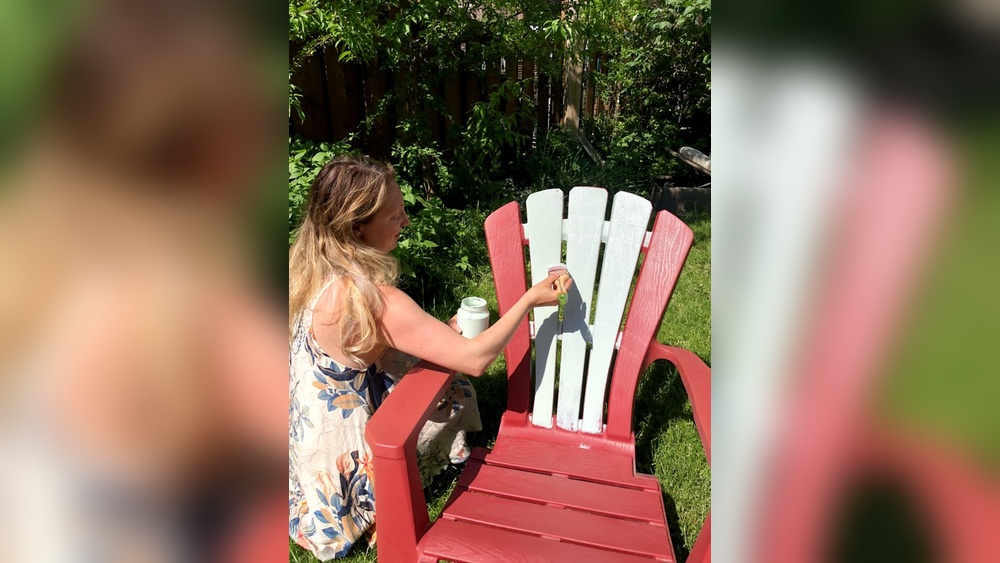
Is your resin outdoor furniture looking dull and faded? You’re not alone.
Sun, rain, and time can steal the vibrant look your furniture once had. But here’s the good news: you don’t need to buy new pieces or spend a fortune. With the right steps, you can bring your outdoor furniture back to life with a fresh coat of paint.
Ready to transform your faded resin furniture into something that looks brand new? Keep reading, and you’ll learn exactly how to do it—simple, effective, and with results you’ll love.
Materials Needed
Gathering the right materials is the first step to paint faded resin outdoor furniture. Each item has a role to make your project smooth and successful.
Using proper materials ensures the paint sticks well and lasts longer. Prepare everything before starting to save time and avoid mistakes.
Cleaning Supplies
Start with soap, water, and a scrub brush. These remove dirt and grime from the furniture. A mild detergent works best to avoid damage.
Sandpaper
Use fine-grit sandpaper to roughen the surface. This helps the paint stick better. Sand gently to avoid scratches or gouges.
Primer
A good primer designed for plastic or resin is essential. It creates a strong base for the paint. Choose a spray primer for easy and even coverage.
Paint
Select outdoor spray paint made for plastic or resin. These paints resist weather and fading. Pick a color that suits your outdoor space.
Protective Gear
Wear gloves and a mask. They protect your skin and lungs from chemicals. Safety first during any painting project.
Drop Cloth Or Newspaper
Use these to cover the ground. They catch drips and keep your area clean. Lay them down before painting starts.
Preparing The Furniture
Preparing your faded resin outdoor furniture is the first key step before painting. It sets the base for paint to stick well and last longer. Clean and smooth surfaces help paint look fresh and neat. Fixing any damage also ensures the furniture stays strong and beautiful.
Cleaning The Surface
Start by removing dirt and dust from the furniture. Use warm water mixed with mild soap. Scrub gently with a soft brush or cloth. Rinse with clean water and let it dry fully. This removes grime that blocks paint from sticking properly.
Sanding For Smoothness
Lightly sand the entire surface using fine-grit sandpaper. Sanding removes the shiny top layer of resin. It creates tiny scratches that help paint grip better. Wipe off sanding dust with a damp cloth. Smooth surfaces make the paint finish even and neat.
Repairing Damages
Check for cracks or chips in the resin. Fill small holes with exterior-grade filler or epoxy. Let the filler dry completely. Sand the patched areas until smooth and level. Repairing damages keeps the furniture strong and the paint flawless.
Choosing The Right Paint
Choosing the right paint is important for painting faded resin outdoor furniture. The paint must stick well and last long in outdoor conditions. Resin furniture has a smooth surface, so some paints work better than others. Picking the correct paint helps avoid peeling and fading.
Types Of Paint Suitable For Resin
Use paint made for plastic or resin surfaces. Acrylic paint is a good choice. It dries fast and holds up well outside. Spray paint made for plastic also works well. It covers evenly on smooth resin surfaces. Avoid using regular wall paint. It may peel or crack on resin furniture.
Color Selection Tips
Choose colors that suit your outdoor space. Light colors reflect heat and keep furniture cooler. Dark colors may fade faster in the sun. Pick a color that hides dirt and stains. Bright colors can make old furniture look fresh and new. Test a small area first to see how the color looks after drying.
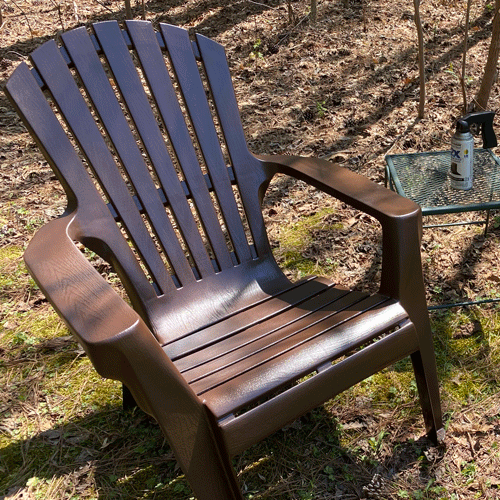
Credit: acookandherbooks.com
Priming The Furniture
Priming your faded resin outdoor furniture is a key step before painting. It helps the paint stick better and last longer. Without primer, paint can peel or chip easily. This step also covers any imperfections and creates a smooth surface.
Importance Of Primer
Primer makes the paint stick firmly to resin furniture. It blocks stains and prevents the paint from soaking in unevenly. Primer also protects the furniture from weather damage. Using primer means your paint job stays fresh for a longer time.
Applying Primer Correctly
Start by cleaning the furniture to remove dirt and dust. Use a brush or spray primer designed for plastic or resin. Apply a thin, even coat over the entire surface. Let the primer dry fully before painting. Avoid thick layers to prevent drips and uneven textures.
Painting Techniques
Painting faded resin outdoor furniture needs the right techniques. Proper methods help the paint stick well and last longer. Use tools and steps that fit your furniture and skill level.
Choosing the right painting style affects the finish and durability. Brush painting and spray painting both work. Each method has pros and cons. Understanding them helps you pick the best one.
Brush Vs Spray Painting
Brush painting offers control and precision. It works well for small or detailed areas. Brushes allow you to reach corners and crevices easily. The finish may show brush strokes but can feel thicker.
Spray painting covers large areas quickly and smoothly. It creates an even, thin coat without brush marks. Spray paint can reach textured surfaces better. It requires careful masking to avoid overspray on other items.
Choose brush painting for touch-ups or detailed work. Pick spray painting for big pieces or uniform finishes. Consider your comfort and workspace space before deciding.
Applying Even Coats
Apply paint in thin, even layers. Thick coats can drip and peel later. Let each layer dry fully before adding the next. This helps the paint bond properly.
Use steady, smooth strokes with a brush. For spray paint, keep the can moving side to side. Hold the spray 8 to 12 inches away from the surface. Overlap each pass slightly to avoid streaks.
Multiple light coats build a strong finish. Avoid rushing to speed up the job. Patience leads to a cleaner, longer-lasting result.
Drying And Curing
Drying and curing are key steps after painting faded resin outdoor furniture. These steps help the paint stick well and last longer. Proper drying prevents smudges and damage. Curing strengthens the paint’s bond with the furniture.
Both drying and curing need the right environment. Rushing these steps can ruin your work. Taking time ensures a smooth and durable finish on your furniture.
Optimal Drying Conditions
Choose a warm, dry place for drying. Avoid direct sunlight to stop paint from cracking. Good air flow helps the paint dry evenly. Keep the furniture away from dust and dirt. Ideal temperature is between 65°F and 80°F (18°C to 27°C). High humidity slows down drying and can cause paint to bubble.
Curing Time Guidelines
Let the paint cure for at least 24 to 48 hours. Full curing may take up to 7 days. Avoid heavy use during this period. Touching or moving the furniture too soon can cause paint to peel. Check the paint can for specific curing times. Longer curing means better paint durability and resistance.
Sealing For Protection
Sealing outdoor resin furniture is key to long-lasting results. It protects the paint from sun, rain, and wear. A good sealant keeps colors bright and stops fading. It also prevents damage from moisture and dirt. Applying the right sealant boosts durability and keeps furniture looking fresh.
Best Sealants For Outdoor Furniture
Choose sealants made for outdoor use and resin surfaces. Clear polyurethane offers strong protection and a smooth finish. Acrylic sealants dry fast and resist yellowing over time. Water-based sealants are easy to apply and clean up with water. Look for UV-resistant options to guard against sun damage. Pick a sealant that suits your paint type for best results.
Application Tips
Apply sealant in thin, even coats for full coverage. Use a clean brush or foam applicator to avoid streaks. Let each coat dry completely before adding the next. Work in a shaded, dust-free area to prevent particles from sticking. Avoid heavy layers that can peel or crack later. Follow the manufacturer’s drying time for best protection.

Credit: www.tastefullyeclectic.com
Maintenance Tips
Maintaining painted resin outdoor furniture keeps it looking fresh and new for longer. Proper care helps protect the paint and the material underneath. Small efforts prevent damage from sun, dirt, and moisture. Follow these tips to keep your furniture in top shape.
Cleaning Painted Resin Furniture
Use a soft cloth and mild soap to clean the furniture. Avoid harsh chemicals that can damage the paint. Rinse with clean water and dry with a towel. Clean regularly to stop dirt buildup. This keeps the paint vibrant and the surface smooth.
Preventing Future Fading
Keep your furniture in the shade when possible. Use covers to block sun and rain. Apply a UV-protectant spray to protect the paint. Store furniture indoors during harsh weather. These steps slow down fading and paint peeling.
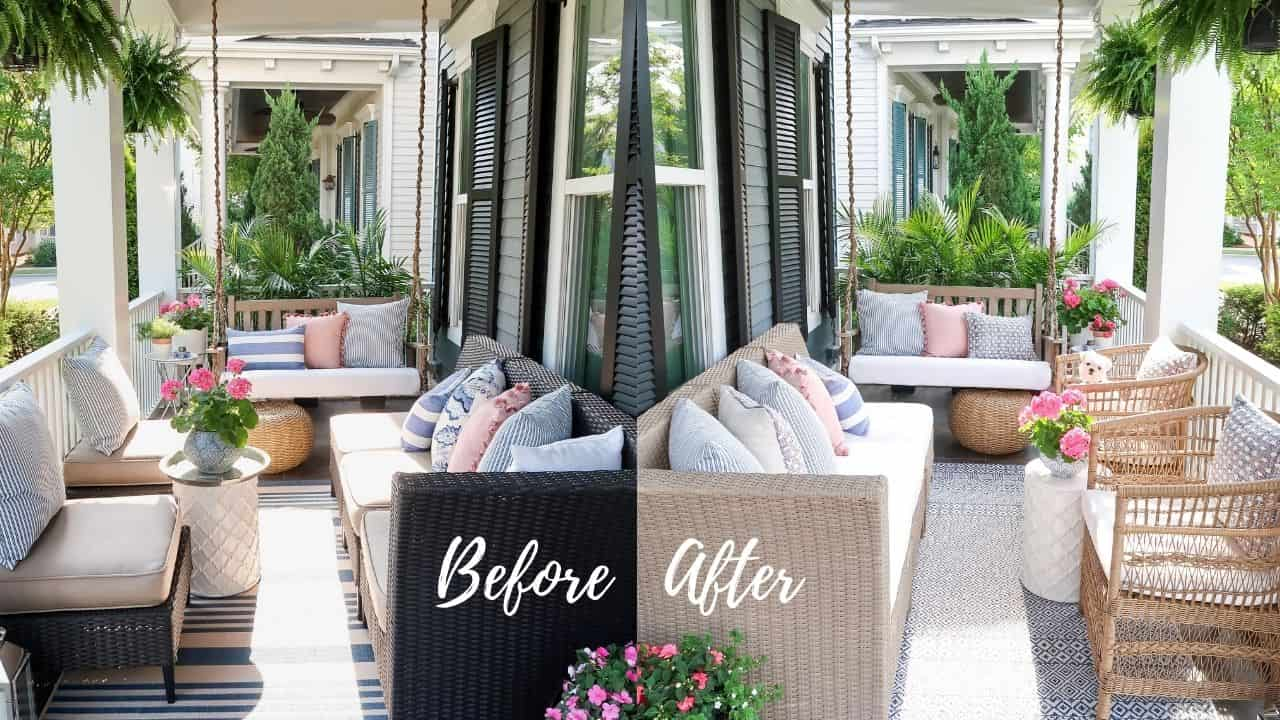
Credit: porchdaydreamer.com
Frequently Asked Questions
How Do I Prepare Resin Furniture For Painting?
Clean the surface thoroughly using soap and water. Remove dirt, grime, and mold. Lightly sand with fine-grit sandpaper to create a rough texture. Wipe away dust with a damp cloth before painting.
What Type Of Paint Works Best On Resin Furniture?
Use spray paint or acrylic paint designed for plastic or resin. These paints adhere well and resist cracking. Choose outdoor, weather-resistant paint for durability and UV protection.
Can I Paint Resin Furniture Without Sanding?
Sanding improves paint adhesion but is not always mandatory. If the surface is very smooth, paint may peel off. Light sanding is recommended for longer-lasting results.
How Many Coats Of Paint Should I Apply On Resin?
Apply 2 to 3 thin coats of paint. Allow each coat to dry completely before applying the next. Multiple coats ensure even coverage and better protection.
Conclusion
Painting faded resin outdoor furniture can brighten your space quickly. Start with cleaning and sanding for the best paint hold. Choose paint made for resin or plastic surfaces. Apply thin, even coats and let each dry well. This simple process brings new life to old furniture.
Enjoy your refreshed outdoor area with pride. Regular care keeps the paint fresh and lasting longer. Try it yourself and see the difference easily. Your furniture will look great again, inviting comfort and style outdoors.


