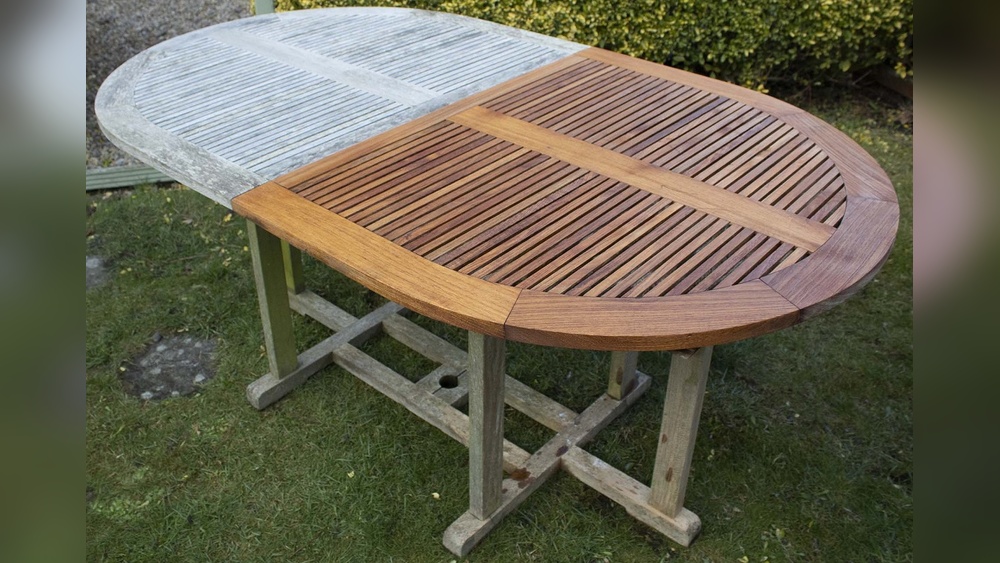
You’ve spent time and effort painting your outdoor wood furniture, making it look fresh and inviting. But how do you protect that beautiful paint from weather, dirt, and wear?
Sealing your painted wood is the key to keeping it looking great for years. You’ll discover simple, effective ways to seal your outdoor furniture so it stays vibrant and strong. Keep reading, and you’ll learn exactly what to do to make your painted pieces last through sun, rain, and everything in between.
Choosing The Right Sealant
Choosing the right sealant is key to protect painted outdoor wood furniture. It keeps the paint from peeling or fading. A good sealant also stops water damage and sun harm. Knowing which sealant suits your project helps your furniture last longer. Let’s explore the types and how to pick the best one.
Types Of Sealants For Outdoor Wood
Sealants for outdoor wood come in many forms. Clear sealants keep the paint color visible. Others add a slight shine or matte finish. Some sealants are thick and create a strong protective layer. Others are thin and soak into the wood. Choose one that fits your furniture’s style and use.
Oil-based Vs Water-based Sealants
Oil-based sealants are tough and last a long time. They resist water and stains well. These sealants have a strong smell and take longer to dry. Water-based sealants dry fast and have less odor. They clean up easily with soap and water. Water-based types keep the paint color bright. Pick the one that fits your needs for drying time and durability.
Selecting Sealants For Painted Surfaces
Not all sealants work well on painted wood. Some may cause the paint to peel or bubble. Choose sealants made for use over paint. Test the sealant on a small area first. Make sure it does not change the paint’s look or texture. A clear, non-yellowing sealant often works best. This keeps your painted furniture looking fresh and protected.
/how-to-seal-painted-wood-for-the-outdoors-5214910-hero-02-0dd1602cb80e4b33a09b10e15ebc1c7d.jpg)
Credit: www.thespruce.com
Preparing Painted Wood Furniture
Preparing painted wood furniture is an important step before sealing it. This process helps the sealant stick well and last longer. It also keeps the wood safe from weather damage. Proper preparation makes your outdoor furniture look fresh and neat for many seasons.
Follow these simple steps to get your painted wood furniture ready for sealing. Each step improves the surface and fixes small problems. This way, the sealant works better and protects your furniture fully.
Cleaning And Drying The Surface
Start by cleaning the furniture to remove dirt, dust, and grease. Use mild soap and water with a soft cloth or sponge. Avoid harsh cleaners that can damage the paint. Rinse thoroughly with clean water. Let the furniture dry completely before moving to the next step. Moisture can stop the sealant from sticking properly.
Sanding For Better Adhesion
Lightly sand the painted surface with fine-grit sandpaper. This creates a rough texture that helps the sealant hold better. Sand gently to avoid removing too much paint. Wipe away the dust with a clean, dry cloth. Sanding also smooths out any bumps or rough spots on the paint.
Repairing Paint Imperfections
Look closely for cracks, chips, or peeling paint. Use wood filler or putty to fix small holes or deep scratches. Let the filler dry and then sand it smooth. Touch up any bare spots with matching paint. Repairing these flaws keeps the sealant layer even and strong. It also stops water from getting under the paint.
Sealing Techniques
Sealing painted outdoor wood furniture protects the paint and wood from weather damage. It keeps the colors bright and prevents peeling or cracking. Choosing the right sealing technique is important for a smooth, lasting finish. This section explains different ways to apply sealer and how to do it well.
Brush Vs Spray Application
Brushing is the most common method for sealing wood furniture. It allows you to control the amount of sealer applied. Brushes work well for detailed areas and small surfaces. Spraying covers large areas quickly and evenly. It can reach tricky spots but may cause overspray. Choose a brush for control or spray for speed and coverage.
Applying Thin Even Coats
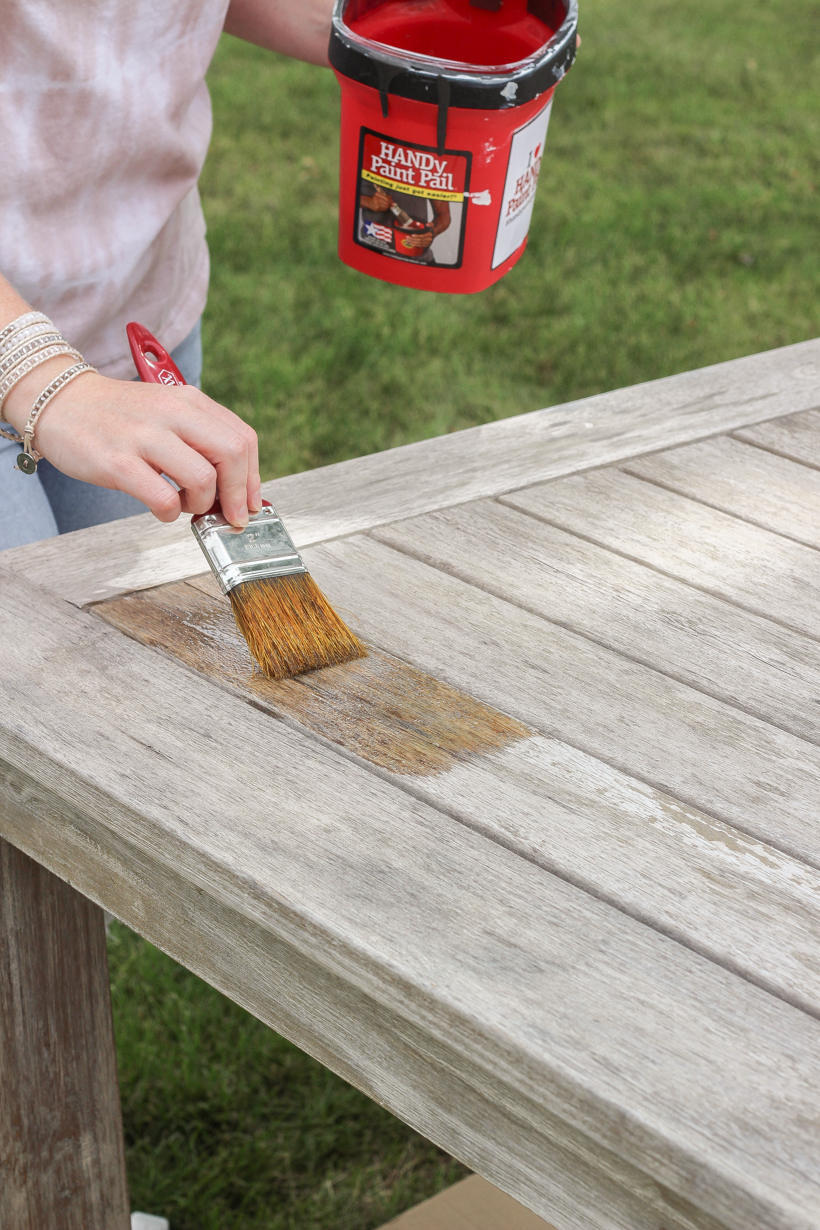
Apply thin coats to avoid drips and bubbles. Thin layers dry faster and form a smooth finish. Use long, even strokes with a brush or steady passes with a sprayer. Avoid piling sealer in one spot. Multiple thin coats build stronger protection than one thick layer.
Drying Times Between Coats
Allow each coat to dry fully before applying the next. Drying times vary by product and weather. Usually, wait 2 to 4 hours between coats. Touch the surface lightly to check if it feels dry. Rushing can cause smudges or sticky spots. Patience ensures a durable, clean finish.
Credit: reach4success.org
Maintaining Sealed Furniture
Maintaining sealed outdoor wood furniture keeps it looking fresh and lasting longer. Proper care protects the paint and wood from damage. Small efforts extend the life of your furniture. Regular attention prevents costly repairs and restores.
Routine Cleaning Tips
Clean sealed furniture gently to avoid damaging the seal. Use a soft cloth or brush to remove dirt and dust. Mild soap mixed with water works well for cleaning. Avoid harsh chemicals that can wear down the seal. Rinse with clean water and dry with a soft towel. Regular cleaning prevents buildup that can harm the finish.
Reapplying Sealant When Needed
Sealant wears off over time due to sun and rain. Check your furniture every few months for dull spots or peeling. Lightly sand rough areas before applying new sealant. Use a brush or cloth to apply a thin, even layer. Let the sealant dry completely before use. Reapplying keeps the protective layer strong and effective.
Protecting From Harsh Weather
Cover furniture during heavy rain or snow to avoid water damage. Move pieces indoors or under shelter in extreme weather. Use waterproof covers that allow air flow to prevent mold. Avoid placing furniture in direct sunlight for long periods. Shade reduces fading and drying of the wood. Taking these steps protects your furniture year-round.
Common Mistakes To Avoid
Sealing painted outdoor wood furniture is important to keep it safe and looking good. Many people make simple mistakes that hurt the final result. Avoiding these common errors helps your furniture last longer and look better.
Read on to learn about the key mistakes to avoid when sealing your painted wood furniture.
Skipping Surface Preparation
Surface preparation is the first and most crucial step. Failing to clean dirt and dust leads to poor sealant adhesion. Old paint flakes must be removed before sealing. Sanding rough spots creates a smooth surface for sealant. Without this step, sealant peels off faster.
Using Incompatible Products
Choose sealants made for outdoor use and compatible with your paint type. Oil-based paints need different sealants than water-based paints. Using the wrong product causes bubbling, cracking, or poor protection. Always check labels to match paint and sealant.
Applying Sealant In Poor Weather
Seal your furniture on dry days with mild temperatures. Rain or high humidity stops the sealant from drying properly. Too cold or hot weather also affects the finish. Wait for calm weather to get the best protection and look.

Credit: www.lovelyetc.com
Frequently Asked Questions
How Do I Prepare Wood Before Sealing Painted Furniture?
Clean the surface thoroughly and remove dirt or dust. Lightly sand the painted wood to ensure better sealant adhesion. Wipe away sanding dust before applying the sealer for a smooth finish.
What Is The Best Sealer For Outdoor Painted Wood?
Use a clear, water-based polyurethane or spar varnish. These sealers protect against moisture, UV rays, and weather damage. They maintain paint color while extending furniture lifespan outdoors.
How Many Coats Of Sealer Should I Apply?
Apply at least two to three thin coats of sealer. Allow each coat to dry fully before applying the next. Multiple coats provide stronger protection and a more durable finish.
Can I Seal Painted Wood Furniture In Humid Weather?
Avoid sealing in high humidity or rainy conditions. Moisture can cause sealant to dry improperly and reduce effectiveness. Choose a dry day with moderate temperatures for best results.
Conclusion
Sealing painted outdoor wood furniture protects it from weather and wear. Choose a clear sealer that suits your paint type. Apply thin, even coats and let each dry well. This keeps colors bright and wood strong. Regular maintenance extends your furniture’s life.
Simple steps make a big difference. Your outdoor space stays fresh and inviting longer. Enjoy your beautifully sealed furniture all year round.