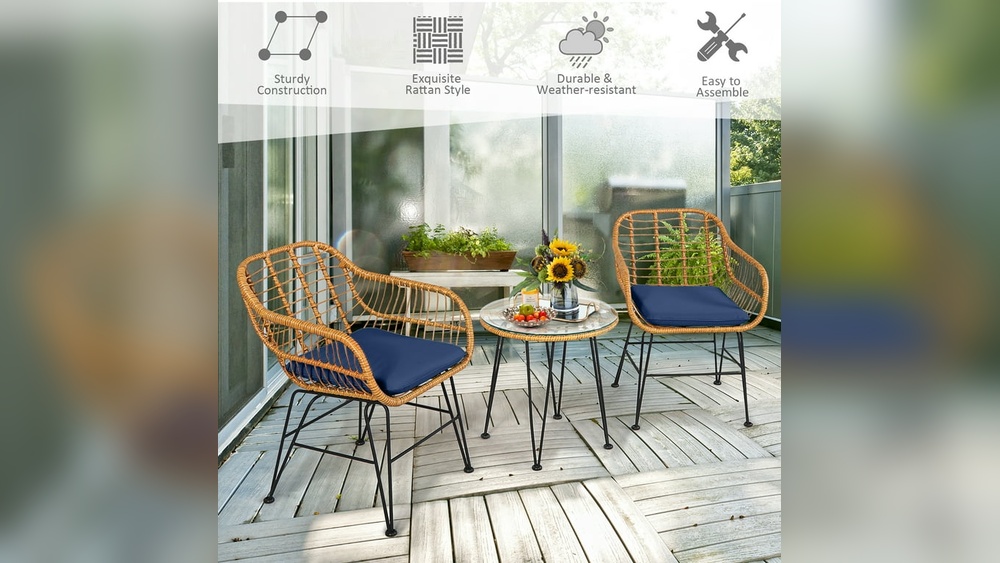
Are your outdoor furniture cushions slipping, sliding, or blowing away every time the wind picks up? You’re not alone.
Keeping your cushions securely attached not only makes your outdoor space look neat but also keeps you comfortable and worry-free. In this guide, you’ll discover simple, effective ways to attach your outdoor cushions so they stay put—no matter the weather.
Ready to transform your patio into a cozy, inviting spot? Let’s dive in and make those cushions work for you.
Choosing The Right Cushions
Choosing the right cushions for your outdoor furniture can change your entire seating experience. The right cushions offer comfort and style while lasting long outdoors. Consider key factors before buying to ensure the best fit for your space. Focus on materials, size, shape, and weather resistance for the perfect choice.
Materials For Durability
Outdoor cushions face sun, rain, and dirt daily. Choose materials that resist fading and wear. Polyester and acrylic fabrics work well for durability. Foam filling should be quick-drying to avoid mold. Durable materials keep cushions looking fresh longer.
Size And Shape Considerations
Measure your furniture carefully before buying cushions. Ensure the cushions fit the seat and back properly. Square and rectangular shapes are common, but some furniture needs round or custom shapes. Correct size cushions stay in place and look neat.
Weather-resistant Features
Cushions must handle moisture and sunlight without damage. Look for water-resistant or waterproof covers. UV protection prevents color fading from sun exposure. Removable covers make cleaning easier. Weather-resistant cushions keep comfort and style year-round.

Credit: www.amazon.com
Preparing Your Furniture
Preparing your outdoor furniture before attaching cushions is important. Clean, inspect, and measure each piece carefully. These steps help cushions fit well and stay secure. Proper preparation also extends the life of both furniture and cushions.
Cleaning Surfaces
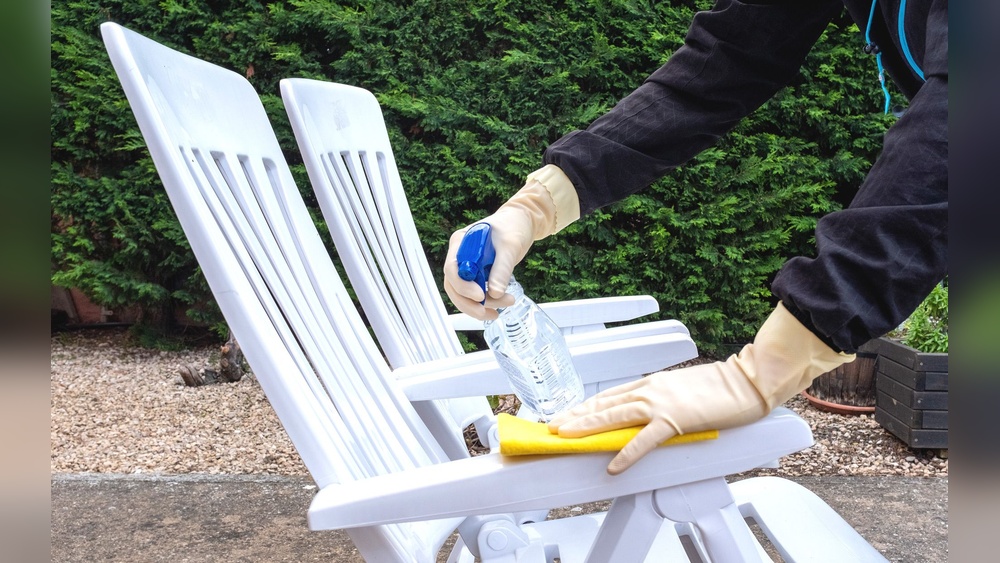
Start by removing dirt and dust from your furniture. Use a soft brush or cloth for gentle cleaning. Mild soap and water work well for stubborn grime. Let the surface dry completely before adding cushions. Clean surfaces help cushions stay in place longer.
Inspecting For Damage
Check your furniture for cracks, rust, or loose parts. Small damages can make cushions slip or wear out quickly. Tighten screws and fix any broken areas. Repairing now prevents bigger problems later. Safe, sturdy furniture supports cushions better.
Measuring For Fit
Measure the seat and back areas where cushions will go. Use a tape measure for accurate results. Compare measurements with your cushion size before purchase or placement. Well-fitting cushions look neat and feel comfortable. Proper fit avoids slipping and bunching.
Attachment Methods
Attaching outdoor furniture cushions securely keeps them in place. This prevents slipping and shifting during use. Different methods suit various furniture types and cushion styles. Each method offers unique benefits and ease of use. Choose the best method for your outdoor setup.
Using Ties And Straps
Ties and straps are common for securing cushions. They usually attach to the cushion corners. You tie them around the furniture frame. This method works well for chairs and benches. It offers a strong hold and easy removal. Ties come in different materials like fabric or plastic.
Velcro Solutions
Velcro is a quick way to fasten cushions. One side sticks to the cushion, the other to the furniture. Press together to attach, pull apart to remove. Velcro is great for lightweight cushions. It allows quick cleaning and repositioning. Choose outdoor-rated Velcro for durability.
Non-slip Pads And Grips
Non-slip pads prevent cushions from sliding. Place these pads between the cushion and furniture surface. They add friction without any attachments. Pads work best on smooth surfaces like metal or plastic. They keep cushions steady during use. This method avoids visible straps or ties.
Adhesive Options
Adhesive strips or dots can hold cushions in place. Stick them on the cushion bottom and furniture seat. Adhesives offer a semi-permanent solution. They work best for cushions that don’t need frequent removal. Choose weather-resistant adhesives for outdoor use. Test a small area first to avoid damage.
Securing Cushions For Different Furniture Types
Securing cushions properly keeps outdoor furniture comfortable and neat. Different furniture types need different cushion attachments. This section covers easy ways to secure cushions on various outdoor pieces. Follow simple steps for a tidy look and lasting comfort.
Chairs And Sofas
Use ties or Velcro strips to attach cushions on chairs and sofas. Fasten them tightly around the furniture frame or legs. This stops cushions from sliding off. For sofas, add extra ties in the middle cushion. It helps keep all cushions in place during use.
Benches And Loveseats
Bench cushions need firm securing to prevent slipping. Sew or glue non-slip backing under cushions. Attach ties to cushion corners and loop them around bench slats or arms. Loveseats work the same. Secure cushions on both seats with ties or Velcro for safety.
Chaise Lounges
Chaise lounges require secure cushions due to reclining motion. Use adjustable straps with buckles for strong hold. Wrap straps around the frame and fasten them tightly. Consider cushions with built-in elastic bands. They stretch over the lounge frame to keep cushions steady.
Maintenance Tips
Taking care of outdoor furniture cushions helps them last longer and stay comfortable. Proper maintenance keeps cushions clean and secure. It also protects the fabric and attachments from damage. Follow these tips to keep your cushions in good shape year-round.
Regular Cleaning
Clean cushions often to remove dirt and dust. Use a soft brush or cloth to wipe off debris. For stains, use mild soap and water. Avoid harsh chemicals that can damage fabric. Let cushions dry completely before placing them back.
Storage During Off-season
Store cushions in a dry, cool place during winter or rainy seasons. Use breathable storage bags to prevent moisture buildup. Avoid plastic bags that trap humidity. Proper storage stops mold and mildew growth. It also protects cushions from sun damage and fading.
Replacing Worn Attachments
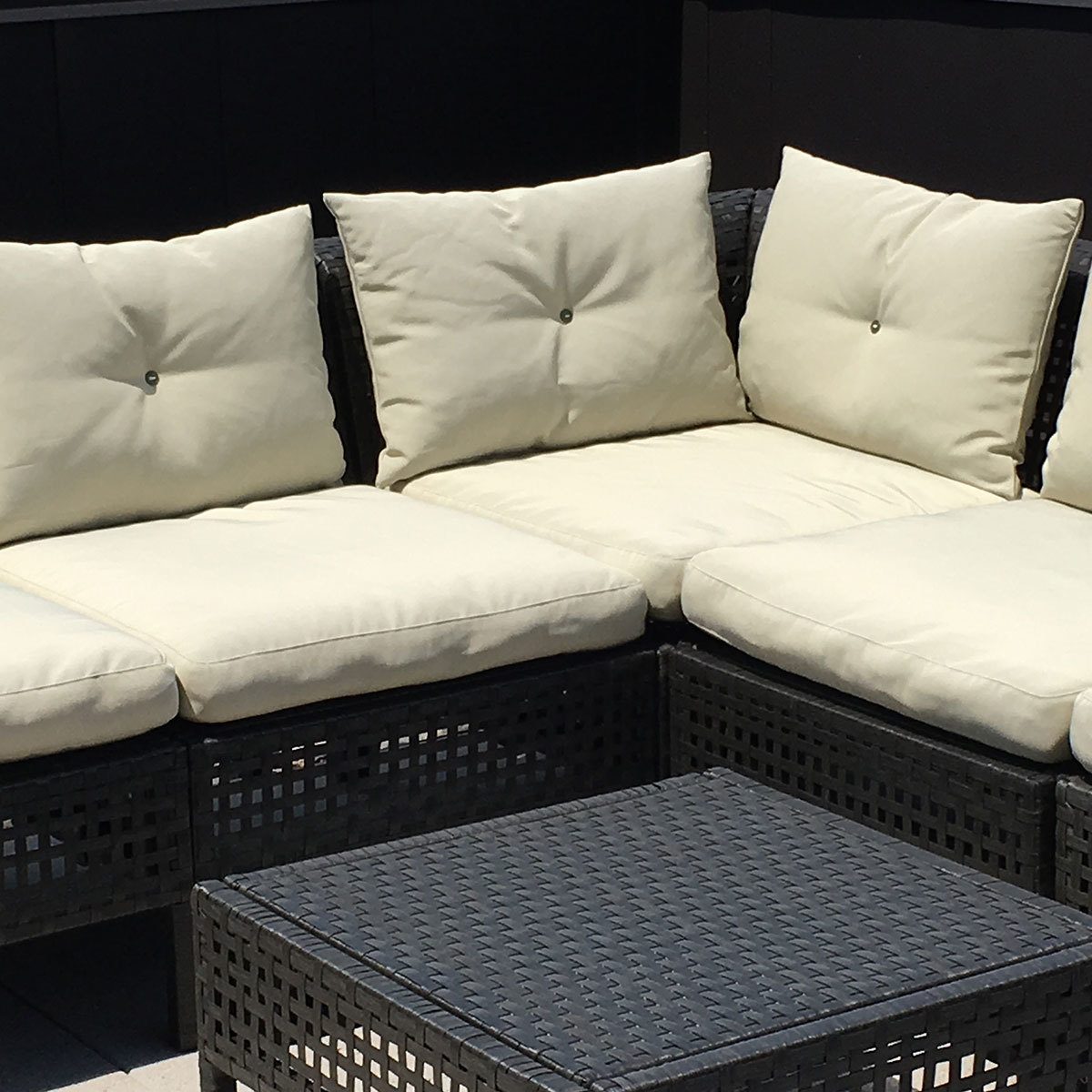
Check straps, ties, and Velcro regularly. Replace any worn or broken attachments quickly. Strong attachments keep cushions in place during wind and use. Use matching or durable replacements for best results. Secure cushions properly for safety and comfort.
Credit: www.familyhandyman.com
Troubleshooting Common Issues
Outdoor furniture cushions add comfort to your seating. Sometimes, cushions can cause problems. These issues often affect your comfort and furniture’s look. Knowing how to fix them helps keep your outdoor space neat and cozy.
Cushions Slipping
Cushions slipping off chairs is common. It happens when cushions lack proper grip. Use non-slip pads under cushions to hold them in place. Attach cushions with ties or Velcro strips. These methods keep cushions steady during use.
Attachment Wear And Tear
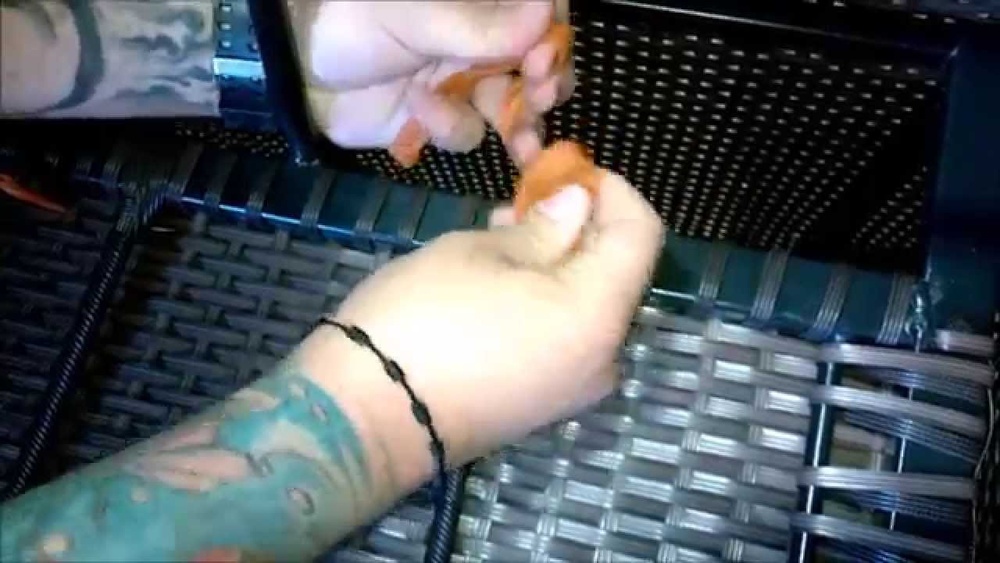
Attachment parts like ties and Velcro can wear out. Check them regularly for damage. Replace worn ties or sew on new Velcro strips. Use strong, weather-resistant materials for longer life. Proper care extends the cushion’s attachment time.
Dealing With Weather Damage
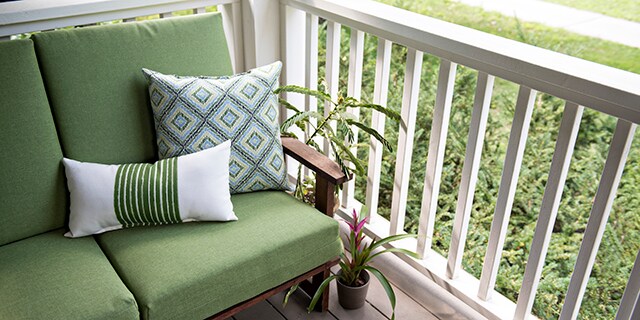
Sun, rain, and wind harm cushions over time. Fabric can fade, and materials may weaken. Store cushions inside or in a dry place during bad weather. Use waterproof covers for extra protection. Clean cushions regularly to prevent dirt and mold buildup.
Credit: www.scotchbrand.com
Frequently Asked Questions
How Do I Secure Outdoor Furniture Cushions Effectively?
Use ties, Velcro straps, or non-slip pads to attach cushions firmly. Ensure straps are tight and cushions fit snugly to prevent slipping during use.
What Materials Work Best For Outdoor Cushion Ties?
Nylon or polyester ties are durable and weather-resistant. They withstand outdoor conditions well and keep cushions securely fastened to furniture.
Can I Attach Cushions Without Sewing Or Adhesives?
Yes, use adjustable straps or Velcro for easy attachment. These methods avoid damage and allow quick removal for cleaning or storage.
How Do I Prevent Cushions From Blowing Away Outdoors?
Use heavy-duty ties or anchor weights on cushions. Placing cushions in shaded or sheltered areas also reduces wind exposure.
Conclusion
Attaching outdoor furniture cushions is simple and quick. Use straps, ties, or Velcro to keep cushions in place. Secure cushions well to prevent slipping or blowing away. Regularly check the attachments for wear or loosening. Clean cushions before attaching to keep them fresh.
This small effort keeps your furniture comfortable and inviting. Enjoy your outdoor space with cushions that stay put. A little care goes a long way for lasting comfort.