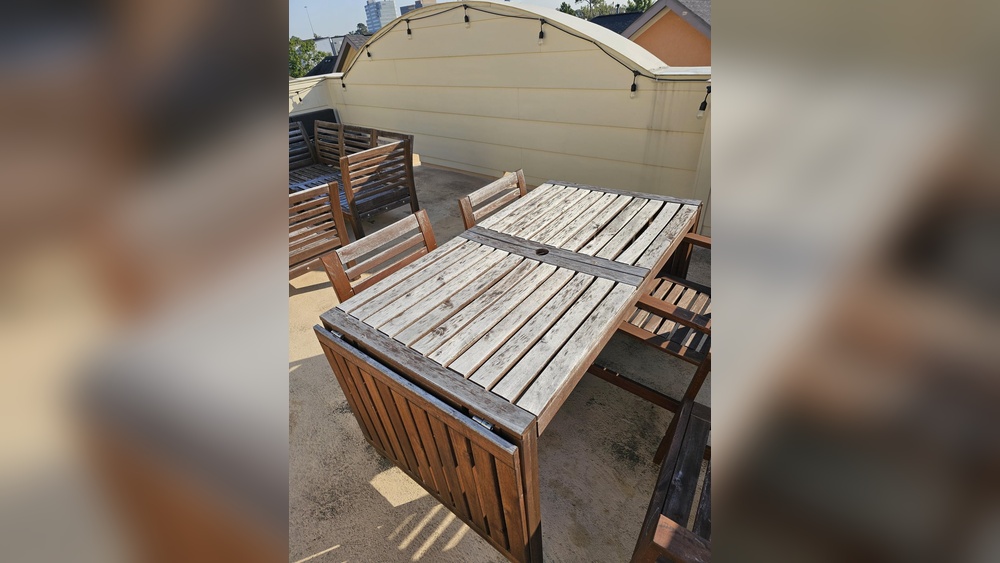
Is your wooden outdoor furniture looking dull or spotted with unsightly mould? You’re not alone, and the good news is that getting rid of mould is easier than you might think.
Imagine enjoying your patio again without worrying about slippery, stained surfaces or the health risks mould can bring. You’ll discover simple, effective ways to remove mould from your wooden furniture and keep it looking fresh all year round. Keep reading—your outdoor space deserves it!

Credit: www.reddit.com
Causes Of Mould On Wooden Furniture
Mould often grows on wooden outdoor furniture because of certain common factors. Understanding these causes helps prevent damage and keeps furniture looking good. Wooden furniture is natural and can absorb moisture easily. This creates a perfect home for mould to grow. Knowing what causes mould helps you care for your wood better.
Moisture And Humidity
Wood absorbs water from rain, dew, and damp air. High moisture makes wood soft and weak. Mould spores find wet wood easy to grow on. Humid weather means more moisture in the air. This keeps the wood wet for longer times. Moisture is the main cause of mould on wood.
Lack Of Sunlight
Sunlight dries out wood and stops mould growth. Shady spots stay damp and dark. This creates a good place for mould. Wooden furniture in shadow or under trees gets less sun. Without sunlight, mould spores multiply quickly. Bright sunlight helps keep wood dry and mould-free.
Poor Ventilation
Air movement helps dry wet surfaces. Poor ventilation traps moisture around furniture. This keeps wood damp for longer periods. Closed or crowded spaces block airflow. Without fresh air, mould grows fast on wood. Good ventilation is key to stopping mould growth.
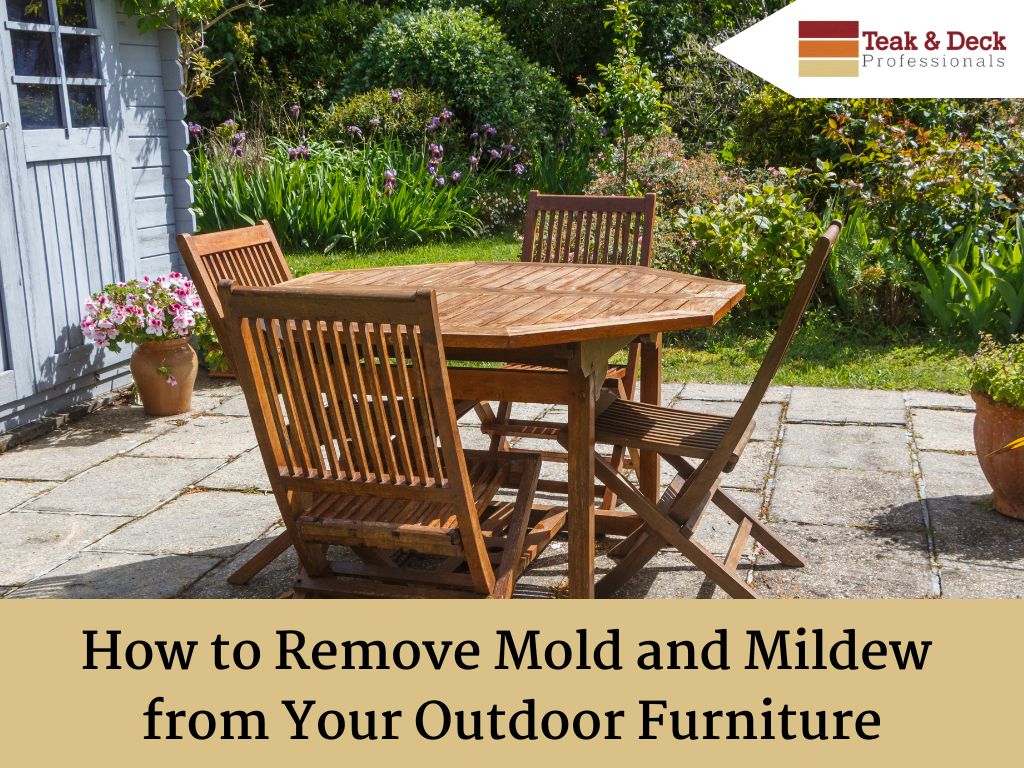
Credit: teakanddeck.com
Signs Of Mould On Wood
Mould on wooden outdoor furniture can cause damage and health problems. Early detection helps stop mould before it spreads. Knowing the signs of mould makes cleaning easier and protects your wood.
Visible Discoloration
Mould often shows as dark spots or patches on wood. These spots can be black, green, white, or gray. The color may look fuzzy or slimy. Check corners and hidden areas carefully for any discoloration.
Musty Odor
Mould gives off a strong, damp, and musty smell. This odor comes from spores growing on the wood. The smell may get stronger in humid or wet weather. If your furniture smells strange, mould might be present.
Texture Changes
Wood affected by mould may feel soft or spongy. Sometimes, the surface looks rough or powdery. The wood may also crack or peel. These texture changes show the wood is weakening due to mould growth.
Safety Precautions Before Cleaning
Removing mould from wooden outdoor furniture requires care. Safety comes first. Mould can cause health problems and damage your wood. Taking precautions protects you and keeps your furniture safe. Follow these simple steps before you start cleaning.
Wear Protective Gear
Always wear gloves to protect your skin from mould and cleaning chemicals. Use a mask to avoid breathing in mould spores. Safety glasses protect your eyes from splashes. Dress in long sleeves and pants to cover your skin.
Work In A Ventilated Area
Clean your furniture outside or in a well-ventilated space. Fresh air helps reduce mould spores in the air. It also lessens the smell of cleaning products. Avoid enclosed spaces to stay safe and comfortable.
Test Cleaning Solutions
Try your cleaning solution on a small wood spot first. This prevents damage or discoloration. Wait a few minutes and check the wood’s reaction. Use only gentle solutions that do not harm the wood.
Effective Cleaning Solutions
Removing mould from wooden outdoor furniture requires safe and effective cleaning solutions. Choosing the right method protects your wood and stops mould from coming back. This section covers simple, natural, and commercial options that work well on mould.
Vinegar And Water Mix
White vinegar is a natural mould killer. Mix equal parts of vinegar and water in a spray bottle. Spray the solution on mouldy areas and let it sit for 30 minutes. Scrub gently with a soft brush or cloth. Rinse with clean water and dry the furniture fully. Vinegar is safe and does not harm wood.
Baking Soda Paste
Baking soda cleans and deodorizes mouldy wood. Make a paste using baking soda and water. Apply the paste to the mould spots. Use a brush to scrub the surface softly. Let it sit for 15 minutes before rinsing with water. Baking soda is mild and helps prevent mould from returning.
Commercial Mould Removers
Choose a commercial mould remover designed for wood. Follow the instructions carefully. These products often work faster on tough mould stains. Use gloves and work in a ventilated area. After treatment, rinse the furniture well and dry it completely. Commercial removers can be strong but effective when used correctly.
Step-by-step Cleaning Process
Removing mould from wooden outdoor furniture requires a clear, careful cleaning process. This step-by-step guide helps you restore your furniture safely and effectively. Follow each step to protect the wood and keep it looking fresh.
Remove Loose Dirt
Start by brushing off any loose dirt and debris. Use a soft-bristle brush to avoid damaging the wood. Clean all surfaces gently to prepare the furniture for washing.
Apply Cleaning Solution
Mix a mild cleaning solution using water and a gentle detergent or white vinegar. Apply it evenly across the mouldy areas. Let the solution sit for 10 to 15 minutes to loosen the mould.
Scrub Gently
Use a soft brush or sponge to scrub the furniture lightly. Focus on mould spots without pressing too hard. This removes mould without harming the wood’s surface.
Rinse And Dry
Rinse the furniture with clean water to wash away the cleaning solution. Use a hose or a bucket of water. Dry the furniture in the sun to prevent mould from returning.
:strip_icc()/Clean-Outdoor-Furniture-34bc286d99604bce93f968cc0e060c68.jpg)
Credit: www.bhg.com
Preventing Future Mould Growth
Preventing mould growth on wooden outdoor furniture is key to keeping it safe and looking good. Moisture and dirt invite mould to grow fast. Taking simple steps stops mould from coming back. This saves time and money on repairs or replacements.
Regular Cleaning Routine
Clean furniture often to remove dirt and moisture. Use a soft brush and mild soap with water. Rinse well and dry completely after washing. Avoid leaving wet spots on wood. Regular cleaning stops mould spores from settling.
Proper Storage Tips
Store furniture in a dry, covered place during wet seasons. Use furniture covers that allow air flow. Avoid plastic covers that trap moisture. Keep furniture off the ground to prevent dampness. Good storage lowers mould chances significantly.
Applying Protective Coatings
Use sealants or wood oils designed for outdoor furniture. These coatings create a barrier against water and mould. Reapply every year or after heavy rain. Protective coatings help wood last longer and stay mould-free.
When To Seek Professional Help
Knowing when to seek professional help is important for mould removal. Some mould problems need expert care. Trying to fix serious issues alone can waste time and money. It can also harm your health or your furniture. Understanding when to call a professional protects your home and wellbeing.
Severe Mould Infestations
Large patches of mould covering your furniture need expert removal. Professionals have tools to clean deeply and safely. They stop mould from spreading to other areas. DIY methods may not remove all mould spores. This can cause mould to grow back quickly.
Structural Damage
Mould can weaken wood and cause damage. If your furniture feels soft, cracked, or crumbly, get help. Experts check how deep the damage goes. They can repair or replace parts safely. Ignoring damage can make furniture unsafe to use.
Allergic Reactions
Mould can cause allergies and breathing problems. If you notice coughing, sneezing, or skin irritation after cleaning, stop. Professionals wear protective gear and reduce mould safely. They help protect your health and your family’s health. Avoid handling mould if you have health issues.
Frequently Asked Questions
How Do I Safely Remove Mould From Wooden Outdoor Furniture?
Use a mixture of mild detergent and water to scrub the mould gently. Wear gloves and a mask to avoid inhaling spores. Rinse with clean water and dry thoroughly to prevent mould regrowth.
What Household Products Effectively Kill Mould On Wood?
White vinegar and baking soda are safe, effective mould killers. Spray vinegar on the surface, let it sit, then scrub with baking soda. Rinse and dry the furniture completely.
How Often Should I Clean Mould Off Outdoor Wooden Furniture?
Clean mould as soon as you notice it. Regularly inspect and clean your furniture every few months to prevent mould buildup. This keeps the wood healthy and mould-free.
Can I Prevent Mould Growth On Wooden Outdoor Furniture?
Yes, apply a protective sealant or wood oil to repel moisture. Store furniture in a dry, shaded area to reduce mould risks. Regular cleaning also helps prevent mould growth.
Conclusion
Removing mould from wooden outdoor furniture protects its beauty and life. Clean the furniture gently but thoroughly to stop mould growth. Use safe, natural cleaners to avoid damage. Dry the wood well after cleaning to keep mould away. Regular checks help catch mould early and keep furniture fresh.
A little care goes a long way in preserving your outdoor space. Keep your furniture mould-free and enjoy outdoor moments comfortably. Simple steps, good results.