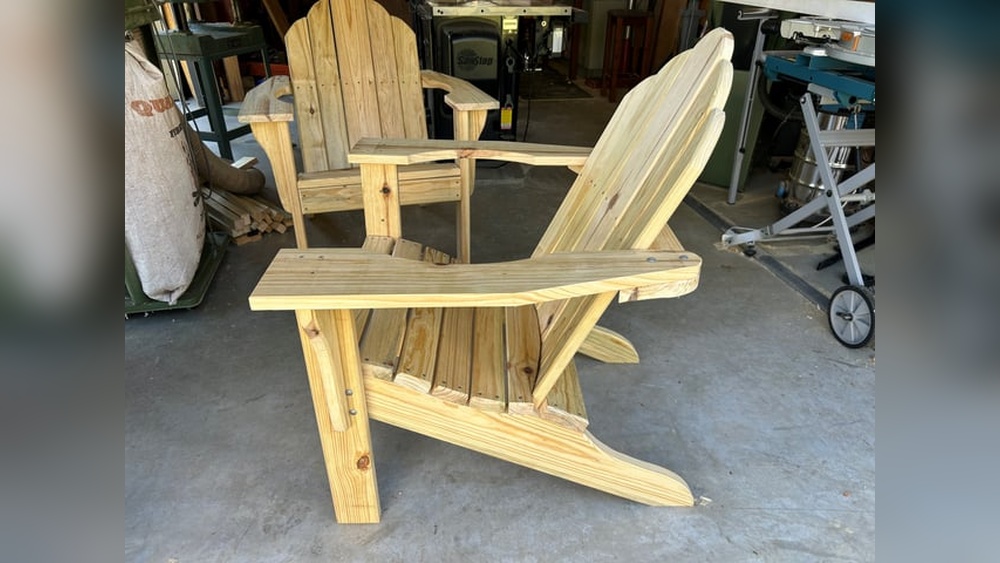
Your outdoor furniture is more than just a place to sit—it’s where memories are made, and your garden comes alive. When it starts to wear down or break, it can feel frustrating and costly to replace.
But what if you could fix it yourself, saving money and bringing your favorite pieces back to life? In this guide, you’ll discover simple, step-by-step ways to repair your outdoor furniture quickly and effectively. By the end, you’ll feel confident tackling those repairs and enjoying your outdoor space like new again.
Keep reading, because your furniture deserves a second chance.
Assessing The Damage
Assessing the damage is the first step in fixing outdoor furniture. This step helps you understand what repairs are needed. Careful checking saves time and money. It also makes sure your furniture is safe to use.
Take your time to look closely at every part. Small problems can turn into big ones if not fixed early. Knowing the exact issues helps you plan the repair better.
Identifying Common Issues
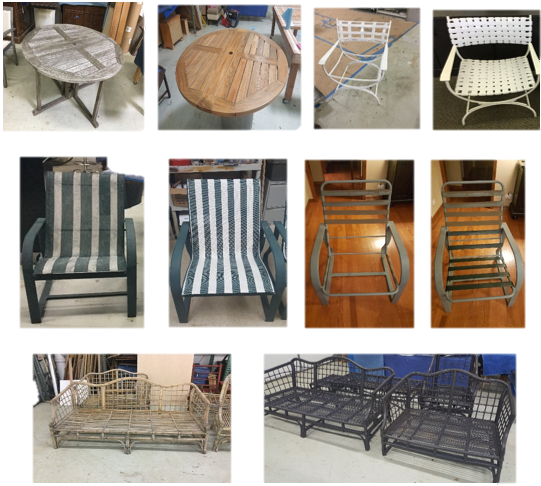
Outdoor furniture faces many problems. Wood can crack or rot from rain and sun. Metal parts may rust or bend. Fabric cushions often fade or tear. Look for loose screws or broken joints. Check for stains or mold too. Spotting these problems early helps you decide what to fix first.
Checking Structural Stability
Test the strength of your furniture carefully. Gently shake chairs and tables to find wobbles. Press on joints to see if they hold well. Weak spots may need glue, screws, or replacement parts. Strong furniture is safer and lasts longer. Never ignore signs of instability.
Credit: www.furnituremedic-mastercare.com
Gathering Repair Tools
Before starting any outdoor furniture repair, gathering the right tools is key. Having the correct tools makes the job easier and faster. It also helps you avoid mistakes that could damage the furniture further. This section guides you through the must-have tools and how to pick the best materials for your repair.
Essential Tools Checklist
Start with a basic set of tools. A screwdriver set is crucial, including flathead and Phillips heads. Sandpaper helps smooth rough spots or old paint. A hammer is useful for fixing loose nails or parts. Pliers help grip and pull out stubborn nails or screws. A drill can speed up screwing and drilling tasks. Don’t forget measuring tape to check dimensions and alignment. Gloves protect your hands from splinters and sharp edges. A paintbrush or cloth will help with cleaning or applying finishes.
Choosing The Right Materials
Select materials that match your furniture type. For wood furniture, use exterior wood glue and outdoor wood filler. These resist weather and last longer. Metal furniture needs rust-resistant spray paint or metal epoxy. Plastic furniture requires special adhesives made for plastic. Choose screws and nails made for outdoor use, usually stainless steel or galvanized. Pick sandpaper with the right grit for your surface. Coarse grit removes old finishes, fine grit smooths surfaces. Using the right materials ensures your repair stays strong and looks good.
Cleaning And Preparing Furniture
Cleaning and preparing outdoor furniture is the first step in any repair project. Dirt and old finishes can hide damage and stop new paint or stain from sticking well. Proper cleaning makes the repair last longer. Preparing the surface helps you see what needs fixing.
Removing Dirt And Debris
Start by brushing off loose dirt and leaves. Use a soft brush to avoid scratching the surface. Next, wash the furniture with a mild soap and water mix. A sponge works well for this job. Rinse thoroughly to remove all soap. Let the furniture dry completely before moving on. This step clears away grime that blocks paint or sealant.
Sanding Surfaces For Repair
Sanding smooths rough spots and removes old finishes. Use medium-grit sandpaper for wooden furniture. For metal pieces, use fine steel wool or sandpaper. Sand only the damaged or rough areas. This helps the new finish stick better. Wipe away dust with a damp cloth after sanding. Dry the surface well before applying paint or stain.

Credit: rattanyard.com
Fixing Wooden Furniture
Wooden outdoor furniture adds charm and warmth to any garden or patio. Over time, wood can crack, split, or break due to weather and use. Fixing wooden furniture keeps it strong and looking good. Simple repairs can extend the life of your favorite pieces. Here are easy steps to repair wooden outdoor furniture effectively.
Repairing Cracks And Splits
Clean dirt from cracks using a soft brush. Use wood glue to fill small cracks. Push glue deep into splits with a toothpick or small brush. Clamp the wood tightly until glue dries, usually 24 hours. Sand the repaired area smooth with fine sandpaper. This prevents water from entering and causing more damage.
Replacing Broken Parts
Remove the broken part carefully using a screwdriver or saw. Measure the piece to find a matching replacement. Use the same type of wood for the best fit. Attach the new part with wood glue and screws. Make sure it fits tightly and is stable. Let the glue dry completely before using the furniture again.
Sealing And Finishing
Apply a wood sealant to protect furniture from rain and sun. Choose a sealant made for outdoor use. Use a brush to spread the sealant evenly on all surfaces. Let the first coat dry before adding a second layer. This seals the wood and prevents moisture damage. A fresh finish also improves the look of your furniture.
Repairing Metal Furniture
Metal outdoor furniture is strong but can suffer damage over time. Rust, dents, and broken parts often affect its look and function. Repairing metal furniture extends its life and keeps it safe to use. Simple steps can help restore its beauty and strength.
Removing Rust
Rust weakens metal and spoils its appearance. Use a wire brush or sandpaper to remove rust. Scrub the affected areas gently but thoroughly. For tough rust, apply a rust remover solution. Rinse the furniture well and let it dry completely.
Welding And Replacing Parts
Cracks and broken pieces need welding or replacement. Small cracks can be welded using a basic welding kit. For large damage, remove and replace the damaged part. Use metal parts that match the original design. Always wear safety gear during welding work.
Applying Protective Coatings
Protective coatings stop rust and damage from returning. Apply a rust-inhibiting primer first on cleaned metal. Then, paint with weather-resistant outdoor paint. Consider using clear sealants for extra protection. Regularly check and reapply coatings to keep furniture safe.
Restoring Plastic And Resin Furniture
Plastic and resin furniture is popular for outdoor spaces. It is light, easy to move, and often inexpensive. Over time, these materials can fade, crack, or break. Restoring this furniture helps save money and keeps your space looking fresh. Simple repair steps can make plastic and resin pieces look almost new.
Cleaning Techniques
Start by removing dirt and grime. Use a soft brush or cloth with mild soap and water. Avoid harsh chemicals that can damage the surface. For tough stains, mix baking soda with water to form a paste. Gently scrub the stain with the paste and rinse well. Let the furniture dry completely before repairing.
Fixing Cracks And Breaks
Small cracks can get worse if left alone. Use fine sandpaper to smooth the edges around the crack. Clean the area again to remove dust. For larger breaks, align the pieces carefully before gluing. Hold parts together firmly until the adhesive sets. Avoid heavy use until the repair fully cures.
Using Adhesives Effectively
Choose adhesives made for plastic or resin. Epoxy glues work well for strong bonds. Apply glue to both broken surfaces. Press them firmly and wipe off extra glue. Use clamps or tape to keep parts in place. Follow the manufacturer’s cure time for best results.
Maintaining Repaired Furniture
Maintaining repaired outdoor furniture keeps it strong and looking good for a long time. Proper care stops new damage and helps the furniture last through many seasons. Simple routines can protect your investment and save money on future repairs.
Regular Cleaning Tips
Clean the furniture often to remove dirt and dust. Use a soft brush or cloth with mild soap and water. Avoid harsh chemicals that can harm the surface or repair work. Rinse well and dry with a towel to stop water spots. Check for loose screws or cracks during cleaning. Fix small problems early to avoid bigger damage.
Protecting Against Weather Damage
Cover the furniture with waterproof covers during rain or snow. Move lightweight pieces to a sheltered area when possible. Apply a protective sealant or paint to wooden furniture each year. For metal furniture, use rust-resistant sprays to prevent corrosion. Sunlight can fade colors, so use shades or umbrellas. Taking these steps helps the furniture resist weather wear and stay sturdy.
When To Replace Instead Of Repair
Knowing when to replace outdoor furniture is as important as knowing how to repair it. Some damage can be fixed easily. Other times, replacing saves money and effort. This section helps you decide the best choice. It guides you to spot signs that repair is no longer useful.
Evaluating Cost Vs. Benefit
Calculate repair costs before starting any work. Compare these costs to buying new furniture. If repairs cost more than half the price of new furniture, replacement might be better. Consider how long the repair will last. Short-term fixes might waste money. Think about the time and tools needed too. Simple repairs are worth it. Complex ones may not be.
Signs Furniture Is Beyond Repair
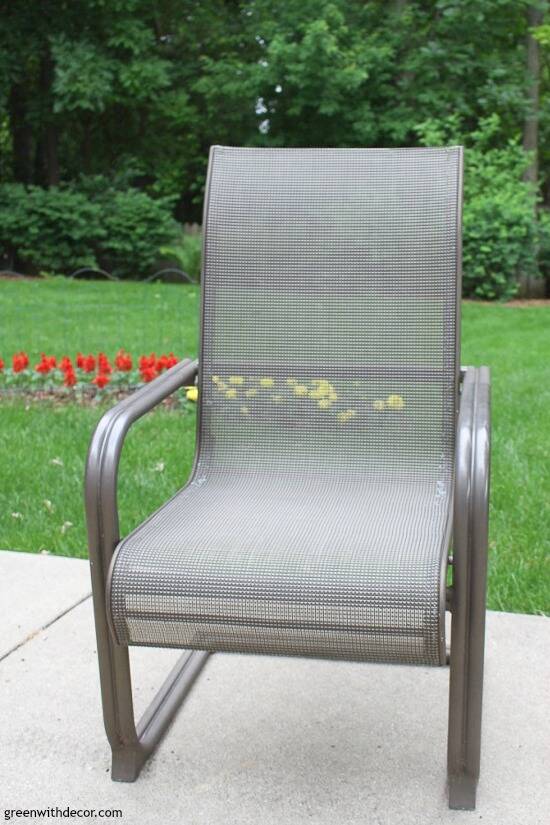
Look for deep cracks in wood or metal frames. These weaken the structure and can be unsafe. Rust that spreads widely is hard to remove. Fabric that tears in many places cannot be patched well. Loose joints that keep coming apart show poor stability. If the furniture wobbles or feels weak, it may be beyond repair. Also, faded surfaces that need constant upkeep might be better replaced.
Credit: greenwithdecor.com
Frequently Asked Questions
How Do I Fix Cracks In Outdoor Furniture?
To fix cracks, clean the surface first. Use wood filler or epoxy for wooden furniture. Sand and repaint after drying. For plastic or metal, use appropriate adhesives or fillers. This restores strength and appearance effectively.
What Tools Are Needed To Repair Outdoor Furniture?
Common tools include sandpaper, wood filler, epoxy, paintbrushes, screwdrivers, and clamps. You may also need a drill, replacement screws, and outdoor paint. Choosing the right tools ensures a smooth and durable repair.
How Can I Prevent Outdoor Furniture Damage?
Regular cleaning and applying protective coatings help prevent damage. Store furniture under cover during harsh weather. Use waterproof covers and cushions. These steps extend furniture life and maintain its appearance.
Is It Possible To Repair Rust On Metal Furniture?
Yes, remove rust using a wire brush or sandpaper. Apply rust converter or primer after cleaning. Paint with rust-resistant outdoor paint. This process protects metal furniture and improves its look.
Conclusion
Repairing outdoor furniture saves money and extends its life. Small fixes can make old pieces look new again. Use the right tools and materials for the best results. Regular care prevents bigger problems later on. Enjoy your outdoor space with sturdy, comfortable furniture.
Try these simple steps to keep your furniture in good shape. A little effort goes a long way. Now, your furniture is ready for many more seasons.