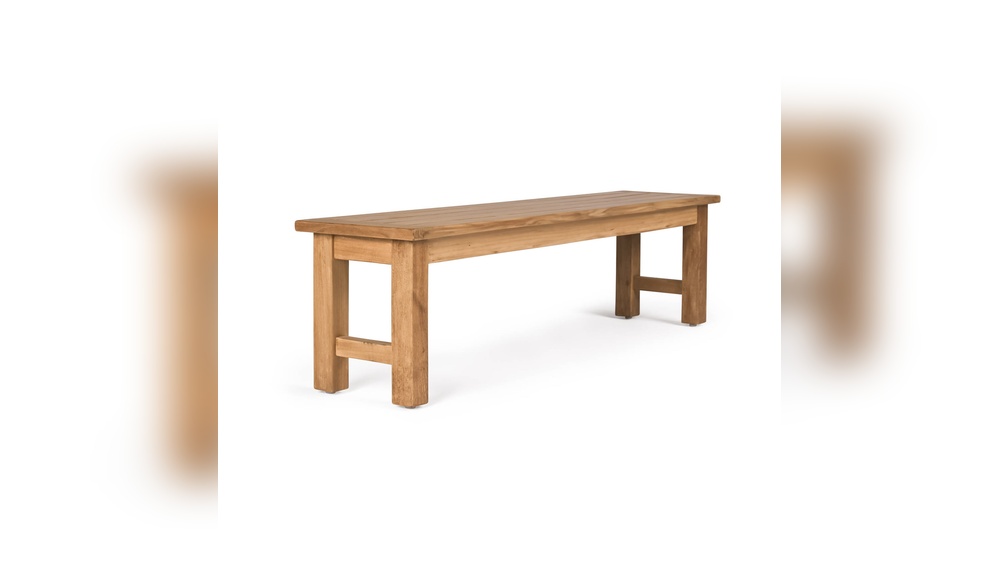
Your wooden outdoor furniture adds charm and comfort to your space. But wood is delicate—it can fade, crack, or warp when exposed to sun, rain, and changing weather.
If you want your furniture to stay beautiful and last for years, you need to protect it properly. You’ll discover simple, effective ways to shield your wooden pieces from damage. Keep reading to learn how to keep your outdoor furniture looking fresh and strong, no matter the season.

Credit: www.amazon.com
Choosing The Right Wood
Choosing the right wood for outdoor furniture is a key step. The wood type affects how long your furniture lasts. Different woods handle weather and insects in different ways. Picking a strong wood means less damage over time. It also helps keep your furniture looking good.
Consider the wood’s natural resistance to water and bugs. Some woods need less care than others. This saves time and effort in the long run. Knowing the wood’s qualities helps you protect your investment better.
Durable Wood Types
Teak is a popular choice for outdoor furniture. It resists water and rotting naturally. Cedar wood is light and smells good. It also resists insects and decay. Redwood offers a rich color and good durability. It stands well against moisture and sun. These woods last longer outside than softwoods. They need less frequent maintenance. Choose these woods for strong, long-lasting furniture.
Treated Vs Untreated Wood
Treated wood has chemicals to protect it from damage. It fights bugs, mold, and moisture well. This wood usually lasts longer outdoors. Untreated wood looks natural but is less protected. It may rot or get bugs faster. You can treat untreated wood with sealants. This adds a layer of protection. Treated wood needs less care but check for safety. Choose based on how much work you want to do. Both can be good with proper care.
Regular Cleaning Methods
Regular cleaning keeps wooden outdoor furniture in good shape. Dirt, dust, and moisture can damage wood over time. Cleaning removes these harmful elements. It also helps maintain the wood’s natural beauty. A simple cleaning routine can extend your furniture’s life. Follow easy steps to clean wood safely and effectively.
Gentle Washing Techniques
Use a soft brush or cloth for cleaning. Avoid harsh scrubbing that can scratch the wood. Mix mild soap with warm water for washing. Dip the cloth in the soapy water and wipe the furniture gently. Rinse with clean water to remove soap residue. Let the wood dry completely in the shade. Avoid direct sunlight during drying to prevent cracks.
Removing Stains And Mildew
Stains and mildew may appear on wood surfaces. Use a solution of water and white vinegar to treat them. Apply the mixture with a soft brush or cloth. Gently scrub the affected areas to remove spots. Rinse thoroughly with clean water afterward. Allow the furniture to dry fully before use. Regular checks help catch stains early for easier cleaning.
Applying Protective Finishes
Applying protective finishes is key to keeping wooden outdoor furniture safe. These finishes shield wood from sun, rain, and dirt. They also help prevent cracks and color fading. Regularly applying the right finish extends your furniture’s life and beauty.
Sealants And Varnishes
Sealants and varnishes create a strong barrier on wood. They stop water from soaking into the material. This prevents swelling and rotting. Varnishes add a shiny look that can brighten the wood’s color. Choose a sealant or varnish made for outdoor use. Apply it evenly with a brush or cloth. Let it dry fully before using your furniture. Reapply every year for best protection.
Natural Oils For Wood
Natural oils soak deep into wood fibers. They nourish the wood and keep it from drying out. Oils like teak, linseed, and tung are popular choices. These oils bring out the wood’s natural grain and color. They also help repel water and dirt. Applying oil is simple—rub it into the wood with a cloth. Wipe off excess oil and let it absorb. Repeat oiling every few months for lasting care.
Preventing Weather Damage
Wooden outdoor furniture faces constant threats from sun, rain, and cold. These weather elements can cause cracks, fading, and warping. Protecting your wood furniture helps it last longer and look better. Taking simple steps can prevent serious damage.
Covering Furniture
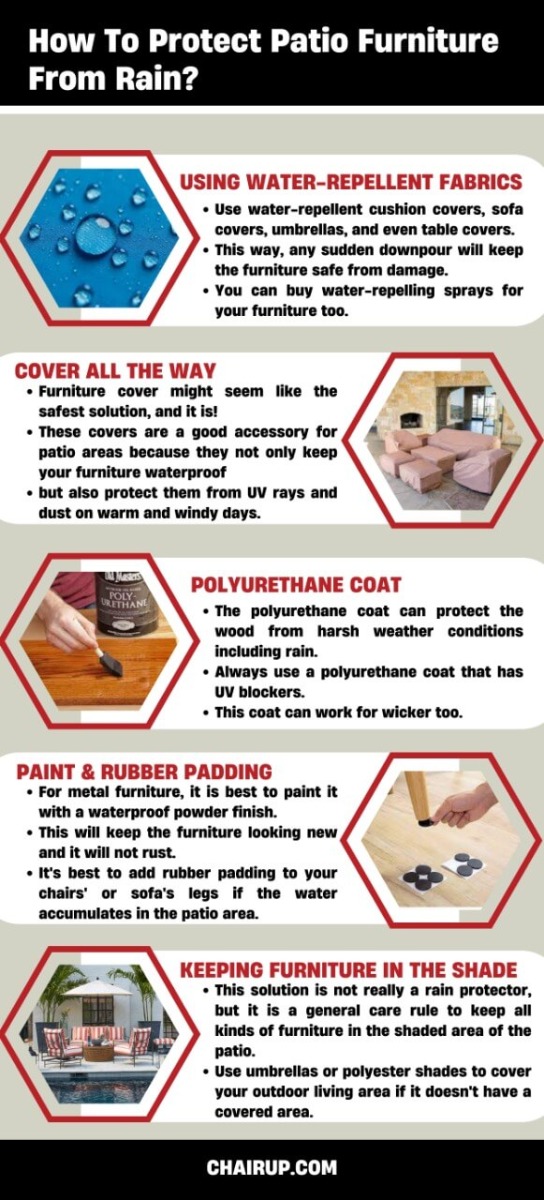
Use covers made of breathable fabric. This stops moisture from building under the cover. Avoid plastic covers that trap water and cause mold. Cover furniture every time after use or before bad weather. Secure covers tightly to stop wind from blowing them away.
Proper Storage Tips
Store wood furniture in a dry place during harsh weather. A garage or shed works well. Keep furniture off the ground to avoid moisture damage. Use wooden blocks or pallets under the legs. If indoor storage is not possible, move pieces to a sheltered area. This reduces exposure to rain and sun.
Repairing And Maintaining
Repairing and maintaining wooden outdoor furniture keeps it strong and good-looking. Small damages like scratches and cracks can worsen if left alone. Regular care helps prevent serious problems and extends furniture life.
Fixing Scratches And Cracks
Start by cleaning the damaged area with a soft cloth. Use fine sandpaper to smooth rough edges around scratches or cracks. Fill small cracks with wood filler that matches your furniture color. Let it dry completely. Lightly sand the filled area to blend it with the surface. For scratches, use a wood stain marker or wax stick to cover marks. This step restores the furniture’s appearance and protects wood from moisture.
Reapplying Finishes
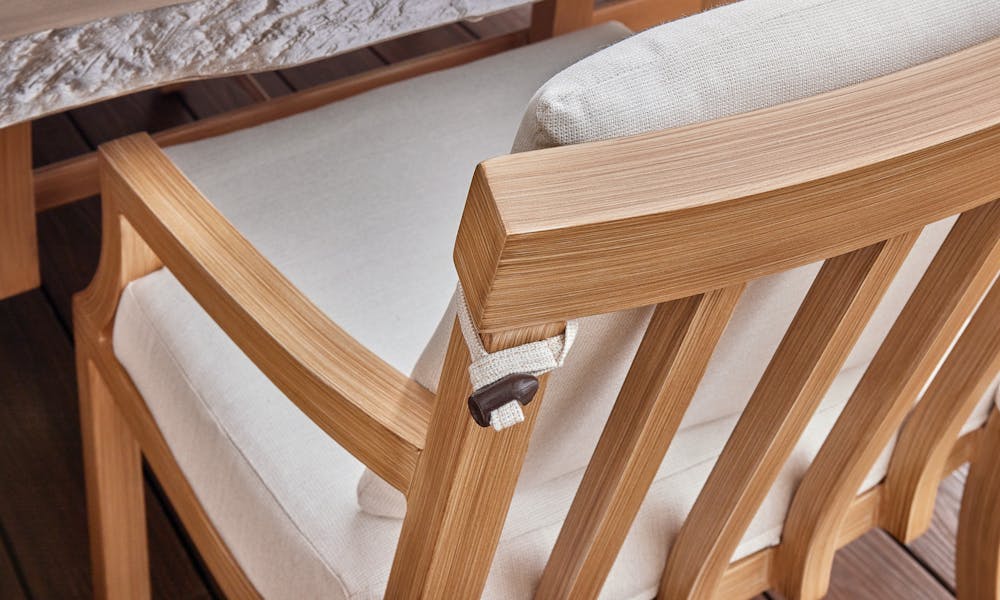
Old finishes wear down from sun and rain exposure. Remove dirt and old finish by sanding the entire surface lightly. Choose a finish like varnish, oil, or sealant suitable for outdoor wood. Apply the finish evenly with a brush or cloth. Let the first coat dry fully before adding another. Multiple coats offer better protection. Reapply finish every year or two to keep furniture safe from weather damage and maintain its shine.
Credit: www.castellefurniture.com
Seasonal Care Routines
Seasonal care routines help keep wood outdoor furniture in good shape all year. Changing weather can harm wood if not treated properly. Regular care protects the wood from moisture, sun damage, and dirt. It also keeps the furniture looking fresh and strong.
Preparing For Winter
Start by cleaning the furniture with a soft brush or cloth. Remove dirt and dust to avoid scratches. Apply a wood sealant to protect against water and frost. Cover the furniture with waterproof covers to keep moisture out. Store smaller pieces indoors if possible. Check for loose parts and tighten screws. This stops damage from wind and cold.
Refreshing In Spring
Spring is time to clean off winter grime. Wash furniture with mild soap and water. Rinse well and let it dry fully in the sun. Sand rough spots lightly to smooth the surface. Apply a fresh coat of wood oil or stain to restore color. Check for cracks or damage and fix as needed. This refreshes the wood and prepares it for summer use.
Credit: www.chairup.com
Frequently Asked Questions
How Do I Prevent Wood Furniture From Weather Damage?
Apply a high-quality sealant or wood preservative annually. Cover furniture during rain or snow. Store indoors or under a shelter when not in use.
What Is The Best Way To Clean Wooden Outdoor Furniture?
Use mild soap and water with a soft brush. Avoid harsh chemicals that can strip wood oils. Rinse well and dry completely to prevent mold.
How Often Should I Treat Wood Outdoor Furniture?
Treat wood furniture every 6 to 12 months. This maintains protection from UV rays, moisture, and insects. Regular treatment extends the furniture’s lifespan.
Can I Use Oil To Protect Wooden Outdoor Furniture?
Yes, natural oils like teak or linseed oil nourish wood. They repel moisture and enhance wood grain. Reapply oil every few months for best results.
Conclusion
Protecting wooden outdoor furniture takes regular care and simple steps. Clean your furniture often and keep it dry. Use covers to shield from rain and sun damage. Apply wood sealant or oil to keep wood strong. Store furniture inside during harsh weather.
Small efforts help your furniture last many years. Enjoy your outdoor space without worrying about damage. Keep your wood beautiful and safe with these easy tips.