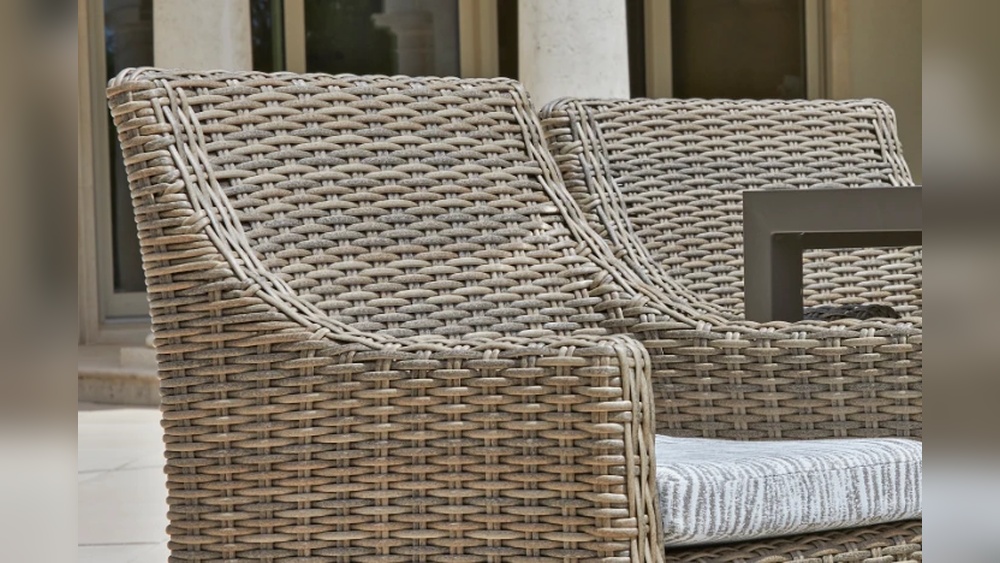
Is your resin wicker outdoor furniture looking old and brittle? You might feel like it’s time to toss it out, but wait—there’s hope to bring it back to life.
Imagine your patio set looking fresh and sturdy again, ready for your next gathering. You’ll discover simple and effective ways to restore your resin wicker furniture. Keep reading to learn how you can save your favorite pieces without spending a fortune or buying new ones.
Your outdoor space deserves it!
Credit: decoroutdoor.com
Signs Of Brittle Resin Wicker
Resin wicker furniture looks great but can get brittle over time. Knowing the signs helps you fix it early. This section explains how to spot brittle resin wicker.
Identifying Cracks And Breaks
Check the wicker strands closely. Small cracks show the material is drying out. Larger breaks mean the wicker is weak and may snap. Run your fingers along the weave to feel for rough or broken spots. These are clear signs of brittleness.
Checking For Color Fading
Fading color is a warning sign. Resin wicker should keep its color under sun exposure, but long sun or rain can cause dull patches. Look for uneven or pale areas. This means the protective layer is worn out and the wicker is more fragile.
Assessing Structural Weakness
Test the furniture’s strength by pressing gently on the arms and seat. If it feels wobbly or soft, the frame or weave might be weak. Loose strands or sagging parts show the resin has lost flexibility. This reduces the furniture’s durability.
Preparing Furniture For Restoration
Preparing resin wicker outdoor furniture for restoration is an important first step. It helps the repair products stick better and last longer. The furniture needs a clean, dry surface before starting any restoration work. Follow these simple steps to get your furniture ready.
Cleaning The Surface
Begin by wiping the furniture with a soft cloth. Use mild soap mixed with water to remove any surface dirt. Avoid harsh chemicals that can damage the resin fibers. Gently scrub the wicker with a soft brush to clean tight spots. This step clears away old grime and prepares the surface for repair.
Removing Dirt And Debris
Check for dust, leaves, and small debris stuck in the wicker strands. Use a vacuum with a brush attachment to suck out loose particles. A soft toothbrush can help reach deep crevices. Clear debris prevents repair materials from sticking unevenly. Take time to remove all visible dirt before moving forward.
Drying Properly
Allow the furniture to dry fully after cleaning. Place it in a sunny, well-ventilated area. Avoid restoring the wicker when it is damp or wet. Moisture weakens the repair bond and may cause mold. Make sure the furniture is completely dry before starting restoration for best results.
Repairing Small Cracks And Splits
Small cracks and splits can make resin wicker furniture look old and weak. Fixing these tiny damages quickly helps keep your furniture strong. These repairs stop cracks from growing larger. It also improves the furniture’s appearance.
Use easy methods and materials to repair. This section explains three simple ways to fix small cracks and splits. Follow these steps carefully for best results.
Using Epoxy Resin
Epoxy resin is strong and clear. It fills cracks and bonds broken parts well. First, clean the cracked area with a soft cloth. Remove dirt and dust. Mix the epoxy resin according to the instructions. Use a small brush or stick to apply it inside the crack. Press the crack edges together gently. Let the epoxy dry completely. This usually takes a few hours. After drying, the crack should feel solid and smooth.
Applying Resin Glue
Resin glue works well for small splits. It is sticky and dries fast. Clean the split area before applying glue. Use a thin layer of glue on the split. Push the edges of the split together carefully. Hold or clamp the parts until the glue sets. This may take 30 minutes to an hour. Resin glue helps keep the wicker tight and prevents the split from growing.
Sanding For Smoothness
After fixing cracks or splits, the surface may feel rough. Use fine sandpaper to smooth the area. Sand gently in one direction. Avoid sanding too hard to protect the wicker. Smooth surfaces look better and feel nicer. Sanding also helps prepare the area for paint or sealant, if needed. This step makes the repair less visible and improves the furniture’s look.

Credit: rattanyard.com
Fixing Broken Strands
Fixing broken strands is a key step in restoring resin wicker outdoor furniture. Broken weaves make the furniture look old and weak. Repairing these strands helps bring back strength and beauty. Small fixes can prevent bigger damage later. Focus on replacing damaged parts carefully for the best results.
Replacing Damaged Weaves
Start by removing the broken strands gently. Use scissors or pliers to cut away loose pieces. Measure the length needed for the new weave. Choose a replacement strand that matches the original color and texture. Weave the new strand tightly into the existing pattern. Secure the ends with glue or small nails to keep them in place.
Using Wicker Repair Kits
Wicker repair kits come with all needed tools and materials. They often include replacement strands, glue, and instructions. Pick a kit made for resin wicker. Follow the guide carefully for the best outcome. These kits simplify the repair process and save time. They work well for small to medium damage areas.
Weaving Techniques
Weaving is about threading strands in and out of the frame. Match the original pattern to keep a natural look. Pull each strand tight but avoid breaking it. Use a weaving needle to guide strands through tight spots. Practice on a small section before doing the main repair. Good weaving strengthens the furniture and improves its appearance.
Restoring Color And Finish
Restoring the color and finish of resin wicker outdoor furniture brings it back to life. Sun and weather can fade the color and make the surface dull. Fixing these issues improves the look and protects the furniture for longer use.
Using the right products keeps the furniture looking fresh and strong against future damage. This section covers easy steps to restore color and finish effectively.
Applying Uv-resistant Paint
Start by cleaning the furniture well. Remove dirt and dust completely. Choose a paint made for outdoor use with UV protection. This paint prevents sun damage and fading.
Apply thin, even coats with a brush or spray. Let each coat dry before adding the next. Two or three coats give the best coverage and color depth.
Using Protective Coatings
After painting, add a clear protective coating. This coating guards against moisture and scratches. Look for a sealer with UV protection to keep colors bright.
Apply the coating evenly over the painted surface. Allow it to dry fully before using the furniture. This step increases durability and shine.
Maintaining Color Vibrancy
Keep the furniture clean by wiping it regularly with a damp cloth. Avoid harsh chemicals that can strip color or finish. Store furniture in shade or cover it during bad weather.
Check the finish every season. Touch up paint or coating as needed. Regular care helps the furniture look new for years.
Preventing Future Damage
Preventing future damage is key to keeping resin wicker outdoor furniture strong and beautiful. Resin wicker can become brittle from sun, rain, and dirt. Taking simple steps can extend your furniture’s life. Protecting it helps avoid costly repairs and keeps your outdoor space inviting.
Proper Cleaning Routine
Clean resin wicker regularly with mild soap and water. Use a soft brush or cloth to remove dirt. Avoid harsh chemicals that can weaken the fibers. Rinse well and dry completely to prevent mold and mildew. A gentle cleaning routine keeps the material flexible and fresh.
Storing Furniture Correctly
Store furniture in a dry, cool place during cold or rainy seasons. Avoid leaving it outside for long periods without protection. If indoor storage is not possible, move pieces under a covered area. Proper storage reduces exposure to harsh weather and slows down wear.
Using Covers And Shades
Use breathable covers to protect furniture from dust and moisture. Covers block UV rays that cause brittleness and fading. Place furniture under shades or umbrellas to reduce sun exposure. These simple shields help maintain color and prevent cracking over time.
When To Consider Professional Help
Resin wicker outdoor furniture can last for years with proper care. Sometimes, brittleness and damage go beyond simple fixes. Knowing when to call a professional saves time and effort. Professionals have tools and skills to restore furniture correctly. This section helps you decide when to seek expert help.
Evaluating Extensive Damage
Look closely at your resin wicker furniture. Check for large cracks or broken strands. Fading and brittleness alone can be fixed at home. Deep damage, missing pieces, or loose frames need expert attention. Professionals can assess structural problems that affect safety. If damage covers more than 30% of the furniture, consider repair services. Minor scratches or small breaks do not require professional help.
Finding Reliable Repair Services
Search for repair shops with good reviews and experience. Ask for examples of previous resin wicker repairs. Choose services that offer warranties or guarantees. Ensure they use quality materials matching your furniture. Local experts can provide faster and affordable solutions. Don’t hire the first service you find. Take time to compare prices and customer feedback. A reliable repair service restores your furniture’s look and strength.
Credit: www.oakvillehomeleisure.ca
Frequently Asked Questions
How Can I Fix Brittle Resin Wicker Furniture?
To fix brittle resin wicker, clean it thoroughly and apply a UV-resistant resin treatment. Avoid harsh chemicals and dry conditions. Regular maintenance with protective sprays can restore flexibility and prevent cracking.
What Causes Resin Wicker To Become Brittle?
Resin wicker becomes brittle due to prolonged sun exposure, extreme weather, and lack of maintenance. UV rays break down the resin, causing it to dry and crack over time.
Can Resin Wicker Furniture Be Restored At Home?
Yes, you can restore resin wicker furniture at home by cleaning, sanding rough areas, and applying protective coatings. Use gentle products designed for resin and avoid excessive water.
How Do I Prevent Resin Wicker From Getting Brittle?
Prevent brittleness by regularly cleaning resin wicker and applying UV-protective sprays. Store furniture in shaded or covered areas during harsh weather to extend its lifespan.
Conclusion
Restoring brittle resin wicker furniture takes care and patience. Clean the furniture gently to remove dirt and dust. Use a soft brush and mild soap solution. Apply a protective coating to bring back strength and shine. Avoid harsh chemicals that can damage the fibers further.
Regular maintenance helps keep your outdoor furniture looking fresh. Small repairs prevent bigger problems later. Enjoy your renewed furniture for many seasons. Simple steps make a big difference in durability. Your outdoor space will look inviting and comfortable again. Try these tips and see the improvement yourself.