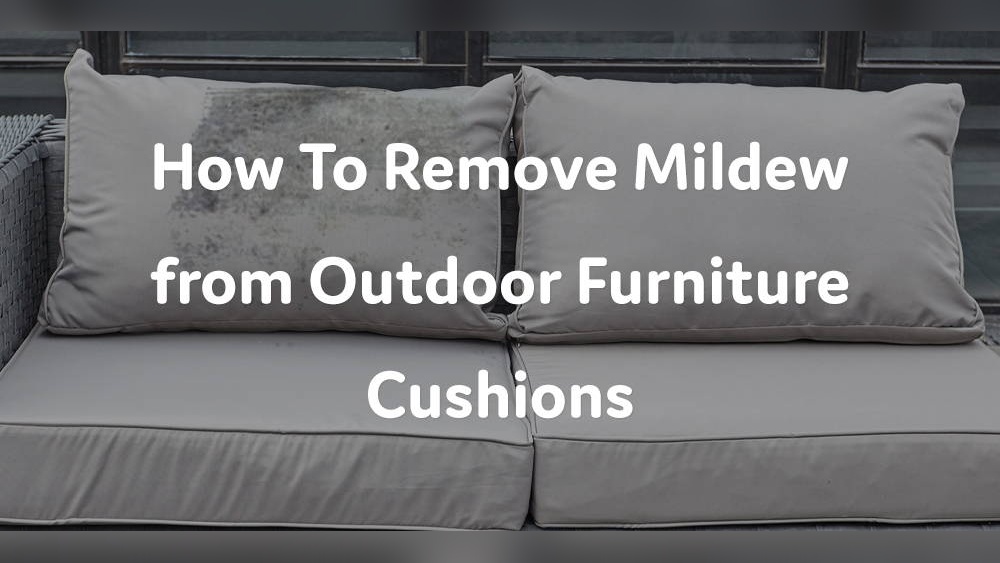
Mold on your outdoor furniture covers can be more than just an eyesore—it can damage your investment and create health risks for you and your family. If you’ve noticed those pesky dark spots growing on your covers, you’re probably wondering how to get rid of them quickly and safely.
The good news is, you don’t have to replace your covers or spend hours scrubbing endlessly. You’ll discover simple, effective steps to remove mold and keep your furniture looking fresh all season long. Keep reading to learn how to protect your outdoor space and enjoy it without worry.
Causes Of Mold On Outdoor Covers
Mold grows on outdoor furniture covers due to certain conditions. Understanding these causes helps prevent and remove mold effectively. Moisture and the right materials create a perfect place for mold to thrive. Let’s explore what causes mold on your outdoor covers.
Common Moisture Sources
Moisture is the main reason mold appears on covers. Rainwater often soaks into the fabric. Dew collects on surfaces overnight. Humid air keeps the fabric damp for long periods. Poor air circulation traps moisture under covers. Water near the furniture also raises moisture levels. Wet leaves or grass touching covers add extra dampness.
Material Types Prone To Mold
Some materials hold moisture more than others. Canvas and polyester covers absorb water easily. Vinyl covers resist water but trap moisture inside. Thick fabrics stay wet longer than thin ones. Natural fibers like cotton encourage mold faster. Synthetic fibers dry faster but still can grow mold. Understanding fabric type helps choose better covers and care methods.
Credit: www.furnituremaxi.com
Preparing For Mold Removal
Before removing mold from outdoor furniture covers, prepare carefully. This step ensures safety and effective cleaning. Proper preparation helps protect your health and prevents mold spread. Gather all needed supplies before starting the cleaning process. Take time to follow safety rules to avoid any risks.
Safety Precautions
Wear gloves to protect your hands from mold and cleaning agents. Use a mask to avoid breathing in mold spores. Work in a well-ventilated area, preferably outdoors. Avoid touching your face during cleaning to stop irritation. Keep children and pets away from the work zone. Dispose of used cleaning materials safely after the job.
Gathering Cleaning Supplies
Collect all cleaning tools before beginning. You will need a soft brush or sponge for scrubbing. Prepare a bucket with warm water and mild detergent. Have white vinegar or baking soda ready for mold treatment. Use a spray bottle for easy application of cleaning solutions. Keep old towels or cloths nearby to dry covers after cleaning.
Step-by-step Mold Cleaning Methods
Removing mold from outdoor furniture covers needs careful steps. These steps help clean the fabric without damage. Follow each method to get rid of mold safely. Choose the best method based on your materials and supplies.
Using Soap And Water
Start by brushing off loose mold outside. Mix mild soap with warm water in a bucket. Use a soft brush or cloth to scrub the cover gently. Focus on moldy spots with circular motions. Rinse well with clean water to remove soap. Let the cover dry in the sun to stop mold growth.
Applying Vinegar Solutions
Pour white vinegar into a spray bottle without diluting. Spray the moldy areas until wet but not soaked. Leave the vinegar on the fabric for about one hour. Vinegar kills mold and prevents return. Rinse with water and dry the cover fully in sunlight. Repeat if mold remains after drying.
Treating With Baking Soda
Mix one tablespoon of baking soda with two cups of water. Spray the solution onto the moldy spots. Use a brush to scrub the fabric softly. Baking soda removes mold and freshens the fabric. Rinse the cover with clean water well. Dry the cover completely under the sun to stop mold from coming back.
Using Commercial Mold Removers
Select a mold remover safe for fabric use. Follow the product instructions carefully for the best results. Apply the remover to moldy areas only. Let it sit for the recommended time to kill mold. Rinse thoroughly with water after treatment. Dry the cover fully in sunlight to prevent new mold growth.
Drying And Preventing Mold Regrowth
Mold grows easily on outdoor furniture covers when moisture stays trapped. Drying covers completely after cleaning stops mold from growing back. Proper drying and smart storage keep covers fresh longer. Regular care also helps prevent mold and keeps covers looking good.
Proper Drying Techniques
After washing, spread covers flat in a sunny, open area. Sunlight kills mold spores and dries fabric fast. Avoid folding or stacking covers until fully dry. Check both sides to be sure no damp spots remain. Use a clean, dry towel to absorb extra water before air drying.
Storing Covers To Avoid Mold
Store covers in a dry, cool place with good airflow. Avoid plastic bags or airtight containers that trap moisture. Use breathable fabric bags or bins with ventilation holes. Keep covers away from damp basements or garages. Make sure covers are completely dry before storing to prevent mold growth.
Regular Maintenance Tips
Clean covers regularly with mild soap and water. Inspect covers for mold spots after rainy or humid weather. Allow covers to dry fully before putting them back on furniture. Use a protective spray to resist mold and mildew. Store covers properly during off-seasons to keep them mold-free.
When To Replace Outdoor Covers
Knowing when to replace outdoor furniture covers is important for maintaining your furniture’s look and safety. Mold can damage covers beyond repair. Sometimes cleaning is not enough. Replacing covers protects your outdoor furniture and keeps your space healthy.
Signs Of Irreversible Mold Damage
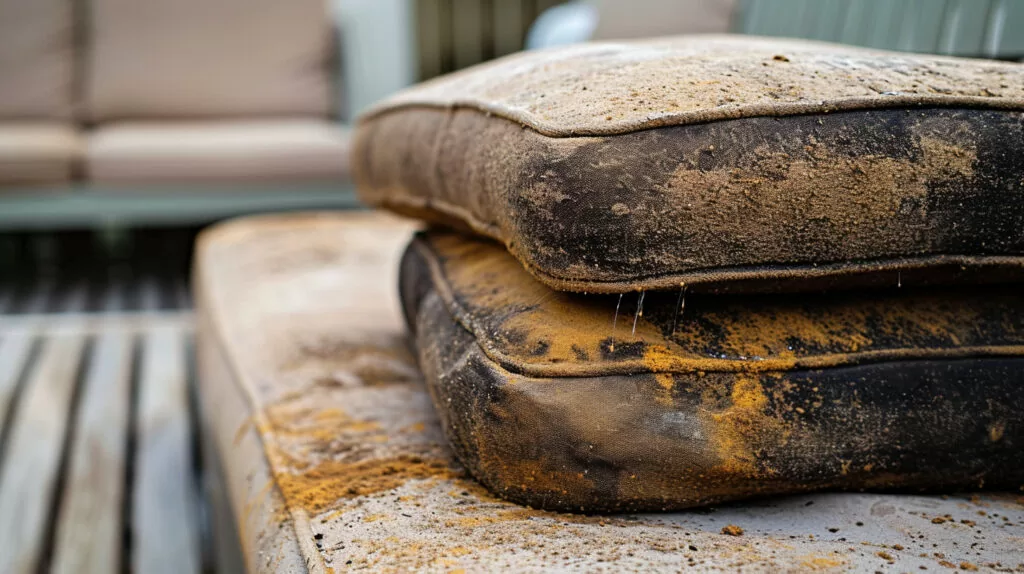
Look for dark stains that do not come off after cleaning. A musty smell that remains is a bad sign. Fabric that feels weak or crumbles easily shows damage. Mold that has deeply soaked into the material is hard to remove. If the cover looks faded or worn out, it may not protect well anymore.
Choosing Mold-resistant Materials
Select covers made from mold-resistant fabrics like polyester or acrylic. These materials dry quickly and resist moisture build-up. Look for covers with water-repellent or UV-resistant coatings. Such covers prevent mold growth and last longer outdoors. Breathable fabrics help air flow and reduce dampness. Invest in covers designed for outdoor use to avoid frequent replacements.

Credit: www.reddit.com
Credit: www.patioproductions.com
Frequently Asked Questions
How Do I Clean Mold Off Outdoor Furniture Covers?
To clean mold, mix water with mild detergent or vinegar. Scrub covers gently with a soft brush. Rinse thoroughly and dry completely in the sun to prevent mold regrowth.
What Household Items Remove Mold From Fabric Covers?
Vinegar, baking soda, and mild detergent effectively remove mold. Vinegar kills mold spores, while baking soda deodorizes and cleans. Always rinse and dry covers fully after treatment.
Can Bleach Safely Remove Mold From Outdoor Covers?
Bleach can remove mold but may damage fabric or cause discoloration. Use diluted bleach cautiously and test on a small area first. Prefer mild cleaners for delicate materials.
How Long Should Outdoor Furniture Covers Dry After Cleaning?
Covers should dry for at least 24 hours in direct sunlight. Sunlight helps kill mold spores and prevents moisture buildup. Ensure covers are completely dry before storage.
Conclusion
Removing mold from outdoor furniture covers keeps them clean and safe. Act quickly to stop mold from spreading. Use gentle cleaners and soft brushes for best results. Let covers dry completely before storing or using again. Regular cleaning helps prevent mold growth in the future.
Clean covers look better and last longer. Keep your outdoor space fresh and inviting. Simple steps make a big difference. Take care of your furniture covers, and they will take care of you.