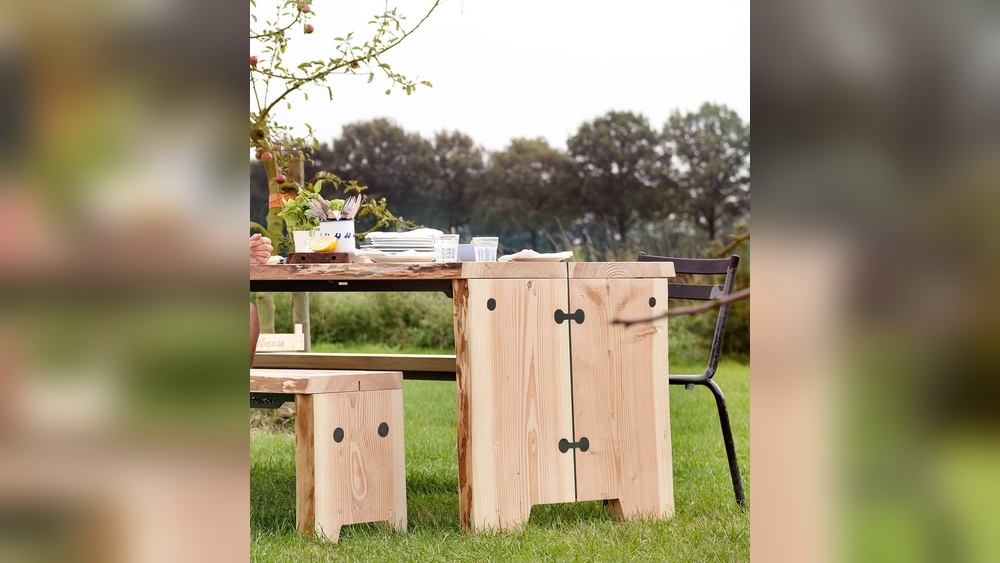
Are you thinking about upgrading your outdoor space with new furniture? Choosing the right wood is key to making sure your furniture lasts through sun, rain, and changing seasons.
Douglas fir wood is a popular option, but is it really the best choice for outdoor furniture? You’ll discover the true strengths and weaknesses of Douglas fir, so you can decide if it fits your needs. Keep reading to find out how this wood performs outdoors and whether it’s the right match for your next project.
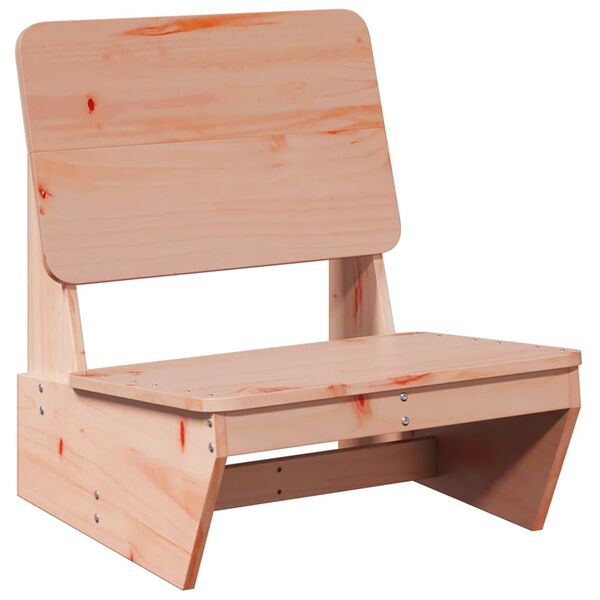
Credit: www.vidaxl.com
Douglas Fir Wood Properties
Douglas fir wood has unique features that make it popular for many uses. Its properties affect how well it works for outdoor furniture. Understanding these traits helps you decide if it suits your needs.
Durability And Strength
Douglas fir is strong and can handle heavy weight well. This wood resists bending and breaking easily. It stays solid for a long time, even with daily use. This makes it a good choice for outdoor furniture.
Resistance To Decay
Douglas fir has some natural resistance to rot and decay. It does better outside than many other softwoods. Still, it needs proper treatment to last longer. Applying sealants or finishes helps protect it from moisture and insects.
Appearance And Grain
Douglas fir has a warm, reddish-brown color. Its grain is straight and tight, with a smooth texture. This wood looks attractive and fits well with many outdoor styles. It can be stained or painted to match your taste.
Weather Performance
Douglas fir wood handles weather changes fairly well. It can stand outside for a long time with the right care. This wood does have some limits in tough weather. Knowing how it reacts to moisture, sun, and temperature helps you decide if it fits your outdoor furniture needs.
Moisture Absorption
Douglas fir absorbs water faster than some woods. This can cause swelling and warping. Proper sealing reduces water damage. Without protection, the wood may rot or grow mold. Regular maintenance keeps moisture out and extends its life.
Uv Resistance
Sunlight can fade and dry out Douglas fir. It does not have strong natural UV protection. Sun exposure can cause the wood to crack or turn gray. Using a UV-resistant finish helps keep the wood looking fresh. Reapplying finish often is important for outdoor use.
Impact Of Temperature Changes
Douglas fir expands and contracts with heat and cold. These changes may cause small cracks over time. Extreme cold or heat can weaken the wood fibers. Choosing furniture design that allows movement prevents damage. Proper treatment also helps the wood handle temperature shifts.
Comparison With Other Woods
Choosing the right wood for outdoor furniture matters a lot. Douglas fir is popular but not the only choice. Comparing it with other woods helps you see its strengths and limits. Let’s explore how Douglas fir stands against cedar and teak, plus check its cost and availability.
Douglas Fir Vs Cedar
Douglas fir is strong and dense. Cedar is softer but naturally resists rot and insects. Cedar has a pleasant smell that repels bugs. Douglas fir needs treatment to prevent decay outdoors. Cedar weathers better without much care. Both woods look good but cedar’s color fades to a soft gray over time. Douglas fir keeps a warm, reddish tone if sealed.
Douglas Fir Vs Teak
Teak is the top choice for outdoor furniture. It is oily and very resistant to water and pests. Douglas fir does not have natural oils and can absorb moisture. Teak lasts much longer outside. Douglas fir must be sealed often to avoid damage. Teak’s rich golden color stays beautiful for years. Douglas fir can also look nice but requires more maintenance.
Cost And Availability
Douglas fir is more affordable than cedar and teak. It grows fast and is widely available in many regions. Cedar is a bit more expensive due to its natural resistance. Teak is the priciest and harder to find. The cost difference makes Douglas fir a budget-friendly option. It can be a good choice if you apply protective finishes regularly.
Treatment And Maintenance
Douglas fir wood is strong and looks great for outdoor furniture. Proper treatment and care help keep its beauty and strength. Outdoor furniture faces rain, sun, and dirt. Treating and maintaining the wood protects it from damage and decay. This section explains simple steps to care for Douglas fir wood.
Sealing And Staining
Sealing Douglas fir prevents water from soaking into the wood. It stops swelling and cracking. Use a good quality sealant made for outdoor wood. Staining adds color and extra protection. Choose a stain with UV protection to guard against sun damage. Apply sealant or stain every year for best results. Do it on dry, clean wood for better absorption.
Cleaning Tips
Clean your furniture regularly to remove dirt and mold. Use a soft brush or cloth with mild soap and water. Avoid harsh chemicals that can harm the wood’s surface. Rinse well and dry with a towel. Cleaning keeps the wood fresh and ready for sealing. Do it gently to avoid scratching the finish.
Longevity Enhancement
Keep furniture off the ground to avoid moisture damage. Use pads or feet under legs for better air flow. Cover furniture during heavy rain or snow to reduce wear. Store indoors in winter if possible. Fix any cracks or loose parts quickly. Proper care extends the life of Douglas fir furniture by many years.
Design And Style Options
Douglas fir wood offers many design and style options for outdoor furniture. Its natural look fits well in various settings. The wood’s strength allows creative and lasting designs. You can find many styles to suit your outdoor space. From classic to modern, Douglas fir adapts easily.
Furniture Types Suited For Douglas Fir
Douglas fir works well for benches and garden chairs. It also suits tables and picnic sets. The wood is strong enough for outdoor sofas and loungers. Its durability supports large pieces and intricate designs. You can use it for porch swings or planter boxes. Douglas fir handles different shapes and sizes well.
Customization Possibilities
Douglas fir is easy to cut and shape. You can customize furniture with carvings or patterns. The wood holds paint and stains nicely. Choose colors that blend with your garden or patio. It also accepts protective finishes to last longer outside. Custom cushions and fabrics add comfort and style. This wood allows many personalized touches.
Aesthetic Appeal
The natural grain of Douglas fir is attractive and warm. It has a light reddish-brown color that changes over time. The wood ages beautifully with sunlight and weather. Its smooth texture feels nice to touch. Douglas fir’s look fits rustic and modern outdoor designs. It adds charm and character to your garden space.

Credit: www.lrjlumber.com
Environmental Considerations
Choosing wood for outdoor furniture involves more than looks and durability. Environmental factors play a key role. Douglas fir wood offers several benefits in this area. Understanding these helps make smarter, greener choices for your outdoor space.
Sustainability Of Douglas Fir
Douglas fir grows quickly compared to many hardwoods. This fast growth helps reduce pressure on slow-growing trees. Many forests with Douglas fir use responsible logging practices. These methods protect ecosystems and allow forests to regrow. Using wood from these sources supports forest health and sustainability.
Eco-friendly Treatments
Outdoor furniture needs protection from weather and pests. Douglas fir often receives treatments to increase its lifespan. Eco-friendly options include natural oils and water-based sealers. These treatments avoid harmful chemicals. They keep the wood safe and reduce environmental impact.
Recyclability
Douglas fir wood is recyclable and biodegradable. Old furniture can be repurposed into new items or mulch. This reduces waste and the need for new raw materials. Recycling Douglas fir helps lower the furniture’s overall carbon footprint.
Cost Analysis
Cost is a key factor when choosing wood for outdoor furniture. Douglas fir offers a balance of price and quality. Understanding the costs helps you decide if it fits your budget.
Initial Investment
Douglas fir wood is generally affordable compared to exotic hardwoods. It costs less than cedar or teak but more than pine. The price depends on the wood grade and availability. Buying quality wood ensures durability, saving money later.
Maintenance Costs
Douglas fir needs regular sealing or staining to protect against weather. Maintenance products are inexpensive and easy to apply. Skipping upkeep can cause damage and raise repair costs. With care, the wood lasts longer and keeps its look.
Value Over Time
Douglas fir furniture holds value well if maintained. It resists decay and warping better than softer woods. Over time, the wood may develop a natural silver-gray color. This aged look appeals to many and adds charm.

Credit: www.youtube.com
Frequently Asked Questions
Is Douglas Fir Wood Durable For Outdoor Furniture?
Douglas Fir is moderately durable for outdoor use. It resists decay but needs proper sealing. Regular maintenance extends its lifespan outdoors.
How Does Douglas Fir Compare To Cedar For Outdoor Use?
Douglas Fir is stronger but less naturally resistant to rot than cedar. Cedar offers better moisture resistance. Both require treatment for long outdoor life.
What Finish Is Best For Douglas Fir Outdoor Furniture?
A high-quality outdoor sealant or marine varnish works best. These finishes protect against moisture and UV damage, preserving the wood’s appearance and durability.
Can Douglas Fir Withstand Harsh Weather Conditions?
With proper sealing and maintenance, Douglas Fir can handle rain and sunlight. However, it is less resistant to extreme moisture than some hardwoods.
Conclusion
Douglas fir wood works well for outdoor furniture. It offers good strength and natural beauty. With proper care, it resists weather damage. Regular sealing helps keep it lasting longer. Its affordability makes it a smart choice. You get sturdy furniture without high costs.
Just remember to maintain it yearly. This wood suits many outdoor settings. A practical, attractive option for your yard. Consider Douglas fir for your next project.