Are you tired of pesky bugs ruining your time outdoors? Imagine relaxing on your patio without swatting away mosquitoes or ants invading your favorite chair.
You deserve a bug-free space where you can enjoy fresh air in peace. You’ll discover simple and effective ways to bug proof your outdoor furniture. By the end, you’ll know exactly how to protect your investment and keep those annoying insects at bay.
Ready to transform your outdoor area into a comfortable, bug-free zone? Let’s dive in!
Credit: www.bedbathandbeyond.com
Choosing Pest-resistant Materials
Choosing pest-resistant materials is key to protecting outdoor furniture from bugs. The right material can reduce damage and keep your furniture looking good longer. Some materials naturally repel insects or resist damage better than others. This makes maintenance easier and saves money on repairs.
Focus on materials that are tough, durable, and less attractive to pests. These options can help your outdoor space stay clean and comfortable. Below are some of the best materials to consider for bug-proof furniture.
Best Wood Types For Outdoor Furniture
Certain woods resist bugs and decay better than others. Teak is a top choice because it contains natural oils that repel insects. Cedar also works well and has a fresh scent that bugs dislike. Redwood is strong and resists termites and fungi. These woods last longer outside and need less chemical treatment. They keep bugs away naturally, making them great for outdoor furniture.
Synthetic Options That Deter Bugs
Synthetic materials like resin wicker and vinyl are less likely to attract bugs. These options do not absorb moisture, which stops mold and bugs from growing. Resin wicker looks like natural rattan but is easier to clean and maintain. Vinyl furniture is smooth and hard, so insects have no place to hide. Both materials resist bugs and weather, making them practical for outdoor use.
Benefits Of Metal And Plastic Furniture
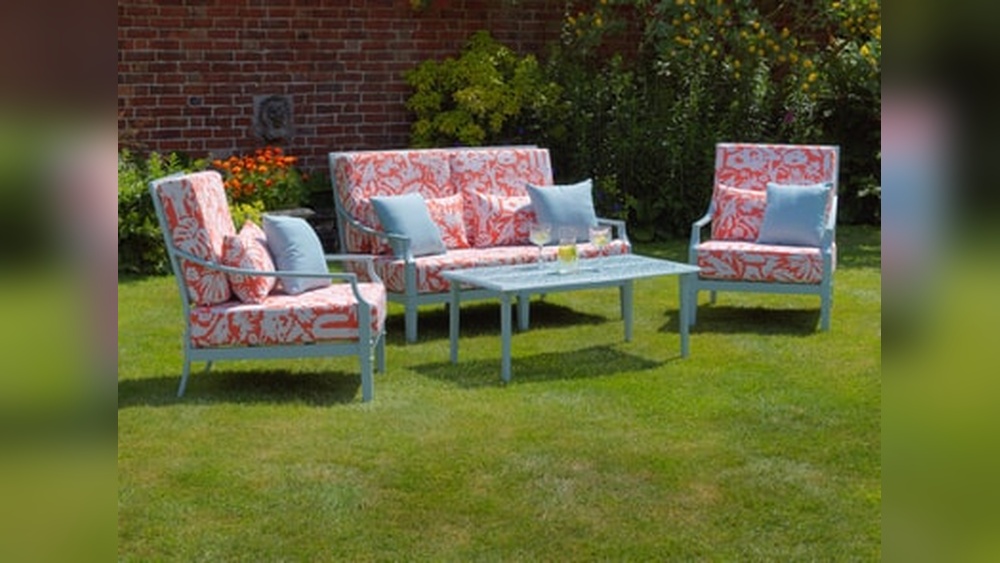
Metal furniture does not attract insects or termites. It is strong and lasts for many years with little care. Aluminum and wrought iron are popular choices because they do not rust easily. Plastic furniture also resists bugs and moisture. It is lightweight and easy to move. Both metal and plastic offer good protection from pests and are simple to clean.
Proper Furniture Placement
Proper furniture placement plays a big role in keeping bugs away from your outdoor space. Bugs like dark, damp places and areas close to plants or soil. Placing your furniture smartly can reduce bug problems and make your area more comfortable.
Avoiding Moist And Shady Areas
Choose spots that get plenty of sunlight. Bugs avoid dry, bright places. Moist and shady areas attract mosquitoes and other pests. Keep furniture away from damp corners or spots under large trees.
Keeping Distance From Plants And Soil
Plants and soil provide food and shelter for many bugs. Place furniture a few feet away from flower beds or gardens. This reduces the chance of bugs crawling onto your chairs and tables.
Using Elevated Surfaces
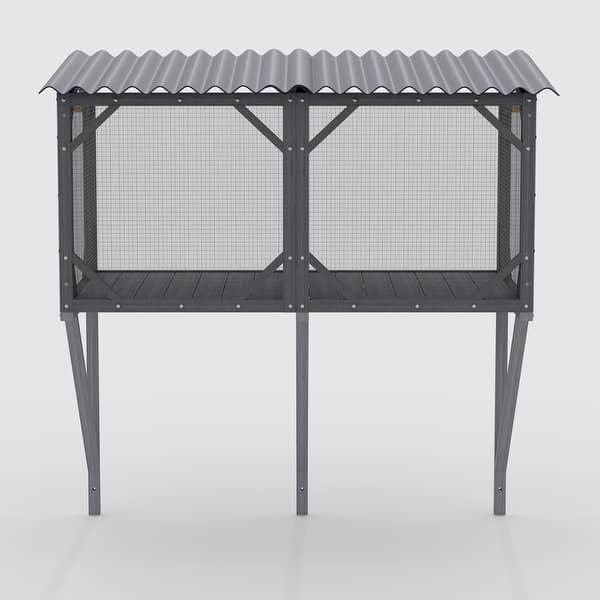
Raising furniture off the ground helps prevent bug access. Use stands or platforms to lift tables and chairs. Elevated surfaces are less inviting to crawling insects and keep your furniture cleaner.
Regular Cleaning Techniques
Keeping outdoor furniture clean helps stop bugs from settling in. Dirt, food crumbs, and sticky spots attract insects quickly. Regular cleaning removes these inviting signs. It also keeps furniture looking fresh and lasting longer. Simple cleaning habits can make a big difference in bug control.
Removing Food Residue And Debris
Clear away food crumbs and spills immediately. Bugs love leftover food and sugary spots. Use a soft brush or cloth to sweep off debris. Check under cushions and in corners. These areas often hide crumbs and dirt. Rinse furniture with water to wash away sticky residue.
Safe Cleaning Products For Outdoor Use
Choose mild soap or cleaners made for outdoor furniture. Harsh chemicals can damage materials and harm plants. Avoid bleach or strong detergents. Natural cleaners like vinegar and baking soda work well. Test any cleaner on a small spot first. This prevents damage and ensures safety.
Frequency Of Cleaning
Clean furniture at least once a week during warm months. Increase cleaning after outdoor meals or parties. Regular washing stops bugs from making nests. In winter, clean furniture before storing it. This removes dirt that attracts pests during storage.
Applying Natural Repellents
Applying natural repellents protects your outdoor furniture from bugs. These options are safe and eco-friendly. They help keep your space clean and comfortable. Natural repellents also avoid harsh chemicals and strong smells.
Essential Oils That Keep Bugs Away
Essential oils like citronella, lavender, and eucalyptus repel many insects. These oils work well against mosquitoes, ants, and flies. Use a few drops on cotton balls and place them near furniture. You can also mix oils with water to spray on surfaces. The scents confuse bugs and keep them at bay.
Homemade Sprays And Solutions
Make your own bug spray with simple ingredients. Mix water, a bit of dish soap, and essential oils in a spray bottle. Shake well before use. Spray the solution on furniture frames and cushions. Avoid soaking fabrics to prevent damage. This natural spray repels bugs without harmful chemicals.
Planting Bug-repellent Herbs Nearby
Plant herbs like basil, mint, and rosemary close to your outdoor area. These plants release smells that bugs dislike. They add beauty and freshness to your space too. Place pots around furniture or plant in garden beds. This creates a natural barrier against pests near your seating.
Maintenance And Repairs
Maintenance and repairs keep outdoor furniture safe from bugs and lasting longer. Small problems can turn into big ones if ignored. Regular care stops bugs from making a home in your furniture. It also keeps your furniture looking nice and working well. Simple steps can protect your investment and make your outdoor space more comfortable.
Sealing Cracks And Crevices
Cracks and crevices attract bugs. Seal these gaps with weatherproof caulk or wood filler. Check all joints and corners carefully. A tight seal stops bugs from entering and nesting inside. Use sealants suited for outdoor use to last longer. This simple step keeps bugs out and prevents moisture damage.
Checking For Infestations Regularly
Inspect your furniture often for signs of bugs. Look under cushions, inside joints, and beneath tables. Watch for small holes, sawdust, or bug droppings. Early detection helps stop infestations before they spread. Use a flashlight to see hidden spots better. Catching bugs early saves time and repair costs.
Replacing Damaged Parts
Damaged wood or fabric invites more bugs. Replace broken slats, torn cushions, or rusted metal parts quickly. Use materials that match your furniture style and resist bugs. Removing damaged parts stops bugs from spreading further. Keep your furniture safe and strong by fixing damage fast.

Credit: shopatzing.com
Using Protective Covers
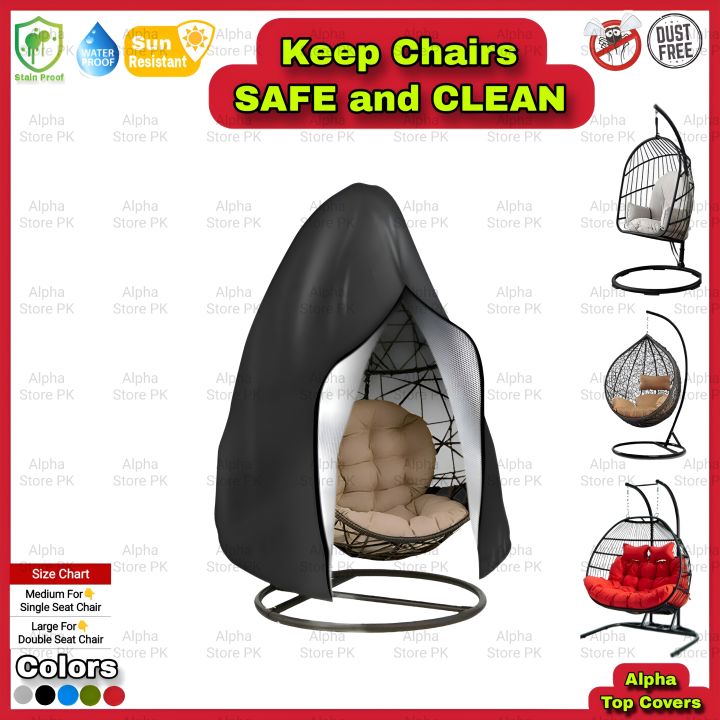
Using protective covers is a simple and effective way to keep bugs away from outdoor furniture. These covers create a barrier that stops insects from nesting and hiding in the furniture. Protecting your furniture with covers also helps prevent damage from weather and dirt.
Types Of Covers And Materials
Covers come in many types and materials. Some are made of heavy-duty polyester, which is water-resistant and strong. Others use breathable fabric that lets air pass but blocks bugs. Vinyl covers provide excellent waterproofing but may trap moisture inside. Choose a cover that fits your furniture size well. A tight fit stops bugs from sneaking underneath.
Proper Storage During Off-seasons
During off-seasons, store covered furniture in a dry, shaded place. Avoid storing furniture directly on the ground. Use pallets or stands to keep covers dry and clean. Make sure covers are fully dry before putting them on. Damp covers can attract mold and bugs.
Benefits Of Covers Against Pests
Covers stop bugs from nesting in cushions and cracks. They reduce the chance of spider webs and insect eggs. Covers also keep away dirt and debris that attract pests. Using covers means less cleaning and fewer bug bites. Your outdoor space stays cleaner and more comfortable.
Incorporating Pest Control Methods
Keeping bugs away from outdoor furniture makes your space more comfortable. Using pest control methods helps protect your furniture and creates a pleasant area for relaxation. These methods are safe and easy to apply, making your outdoor time more enjoyable.
Setting Traps Around Furniture
Place traps near your furniture to catch common bugs. Use sticky traps or bait stations designed for outdoor pests. Check traps regularly and replace them when full or worn out. This method reduces bug numbers without chemicals.
Safe Insecticides For Outdoor Areas
Choose insecticides labeled safe for outdoor use. Spray around furniture legs and under cushions carefully. Follow instructions on the label for the best results. Use insecticides sparingly to avoid harming plants and pets.
Encouraging Natural Predators
Invite birds and beneficial insects to your yard. Ladybugs and spiders eat many harmful bugs naturally. Plant flowers and shrubs that attract these helpful predators. This approach keeps bugs down without chemicals or traps.
Credit: www.daraz.pk
Frequently Asked Questions
How Can I Prevent Bugs On Outdoor Furniture?
Keep furniture clean and dry to deter bugs. Use bug-repellent sprays or essential oils like citronella. Store cushions indoors when not in use. Regularly inspect and treat wooden furniture with insect-resistant finishes.
What Materials Resist Bugs On Outdoor Furniture?
Metal, plastic, and treated wood resist bugs best. Avoid untreated wood as it attracts insects. Synthetic wicker also offers good bug resistance and durability.
Are Natural Bug Repellents Effective For Outdoor Furniture?
Yes, natural repellents like citronella, eucalyptus, and lavender oils work well. They repel bugs without harmful chemicals. Apply regularly for best protection around furniture.
How Often Should I Treat Outdoor Furniture For Bugs?
Treat furniture every few months during bug season. Wooden pieces may need more frequent insect-resistant treatments. Regular maintenance ensures long-lasting bug protection.
Conclusion
Keeping bugs off your outdoor furniture is easy with the right steps. Clean your furniture often to stop bugs from settling. Use covers or sprays that are safe and effective. Check for cracks or holes where insects can hide. Regular care helps your furniture last longer and stay comfortable.
Enjoy your outdoor space without worrying about bugs. Simple habits make a big difference in bug control. Start today and keep your outdoor furniture bug-free all season.