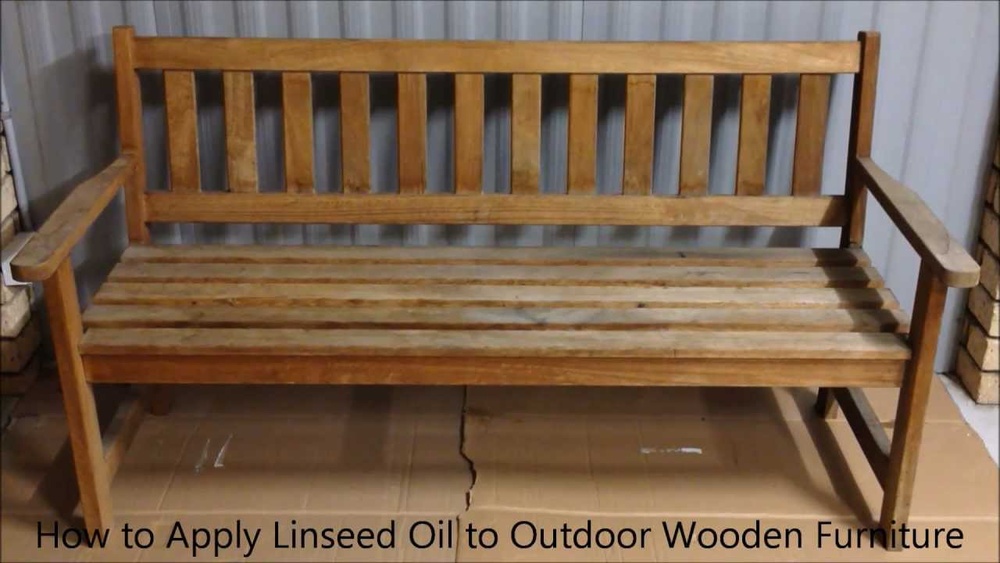
Are you looking to bring new life to your outdoor wood furniture? Applying linseed oil is one of the best ways to protect and enhance the natural beauty of your pieces.
But how do you do it right, so your furniture stays strong and looks great season after season? In this guide, you’ll discover simple, step-by-step instructions that anyone can follow. By the end, you’ll know exactly how to apply linseed oil to your outdoor wood furniture and keep it looking fresh and vibrant for years to come.
Ready to get started? Let’s dive in!

Credit: www.youtube.com
Preparing The Furniture
Preparing outdoor wood furniture before applying linseed oil is important. Proper preparation helps the oil soak in evenly. It also protects the wood and improves the finish. Follow these steps carefully to get the best results.
Cleaning The Surface
Start by cleaning the furniture well. Remove dirt, dust, and grime using a soft brush or cloth. Use mild soap mixed with water for stubborn stains. Rinse the surface with clean water and let it dry completely. Clean wood allows linseed oil to penetrate better.
Sanding For Smoothness
Sanding smooths the wood and removes rough spots. Use fine-grit sandpaper for best results. Sand in the direction of the wood grain to avoid scratches. After sanding, wipe away dust with a damp cloth. Smooth wood helps the oil absorb evenly and look better.
Removing Old Finishes
Old paint, varnish, or sealant can block linseed oil absorption. Use a paint stripper or sandpaper to remove old finishes. Work carefully to avoid damaging the wood. After removing finishes, clean the surface again to remove residues. Fresh wood welcomes the oil and improves protection.
Credit: www.findingsilverpennies.com
Choosing The Right Linseed Oil
Choosing the right linseed oil is important for protecting outdoor wood furniture. Different types of linseed oil offer various benefits and effects on the wood. Knowing the differences helps you pick the best option for your furniture’s needs and environment.
Consider the oil’s drying time, protection level, and safety before applying it outdoors. The right choice keeps your wood looking good and lasting longer.
Raw Vs Boiled Linseed Oil
Raw linseed oil is natural and takes a long time to dry. It soaks deep into the wood but may stay sticky for days. Boiled linseed oil dries faster because it contains additives. It creates a stronger finish and protects better against weather. For outdoor furniture, boiled linseed oil is usually a better choice. It seals the wood more quickly and resists water damage.
Benefits For Outdoor Use
Linseed oil nourishes the wood and prevents it from drying out. It stops cracks and splits caused by sun and rain. The oil also darkens the wood slightly, giving it a warm, natural look. It helps repel water and slows down decay. Regular application keeps outdoor furniture strong and beautiful for many seasons.
Safety Precautions
Linseed oil can catch fire if not handled correctly. Rags soaked in oil must be spread out to dry or stored in a metal container. Avoid smoking or flames near the oil or oily cloths. Work in a well-ventilated area to reduce fumes. Wear gloves to protect your skin from irritation. Following safety tips keeps you and your home safe during application.
Application Tools And Materials
Applying linseed oil to outdoor wood furniture needs the right tools and materials. Proper preparation helps the oil soak in well. It also protects your furniture and gives a smooth finish. Gather everything before you start to make the process easier and faster.
Brushes And Cloths
Use a natural bristle brush for even oil spread. Brushes reach deep into wood grain. Soft, lint-free cloths help wipe off extra oil. Rags also work well to rub oil in small areas. Avoid synthetic brushes that may shed or cause streaks.
Protective Gear
Wear gloves to keep oil off your skin. Linseed oil can cause irritation after long contact. Use safety glasses to protect your eyes from splashes. Old clothes or an apron prevent stains on your outfit. Keep a mask handy if you are sensitive to smells.
Work Area Setup
Choose a well-ventilated outdoor space for applying oil. Good airflow helps the oil dry faster. Lay down drop cloths to catch spills and drips. Work on a flat surface to keep furniture stable. Avoid windy days to prevent dust sticking to wet oil.
Applying Linseed Oil Step-by-step
Applying linseed oil to outdoor wood furniture protects it from weather damage. It enhances the wood’s natural beauty and extends its life. Follow these simple steps to apply linseed oil properly.
First Coat Application
Start with clean, dry wood. Use a brush or cloth to spread a thin, even layer of linseed oil. Work along the grain to help the oil soak in. Avoid leaving puddles or thick spots. Let the oil sit on the wood for about 15 to 20 minutes. Wipe off any extra oil with a clean cloth to prevent stickiness.
Allowing Proper Drying Time
Let the wood dry completely before adding more oil. This usually takes 24 to 48 hours. Drying time depends on temperature and humidity. Make sure the furniture stays in a well-ventilated area. Avoid using the furniture while drying. Proper drying helps the wood absorb oil deeply and evenly.
Additional Coats For Durability
Apply 2 to 3 more coats for better protection. Repeat the same process: thin layer, wait, wipe excess, then dry. Each coat adds strength and water resistance. More coats give the wood a richer color and smoother finish. Stop adding coats when the wood no longer absorbs oil quickly.
Maintaining Oiled Furniture
Maintaining oiled outdoor wood furniture keeps it looking fresh and strong. Linseed oil protects wood from drying and cracking. Proper care extends the life of your furniture. Small steps make a big difference in appearance and durability.
Regular Cleaning Tips
Clean your furniture gently with a soft cloth or brush. Use mild soap and water to remove dirt. Avoid harsh chemicals that can strip the oil finish. Rinse well and let the wood dry completely. Clean regularly to prevent buildup of grime and dust.
Reapplying Oil Schedule
Apply linseed oil every six to twelve months. Check the wood for dryness or dullness before reapplying. Light sanding helps the oil soak in better. Use a clean cloth to apply a thin, even layer. Allow the oil to dry fully before using the furniture.
Preventing Damage From Elements
Cover furniture during heavy rain or snow to protect it. Place furniture in shaded areas to reduce sun damage. Use furniture covers or move pieces indoors in harsh weather. Avoid leaving water standing on the wood surface. These steps help maintain the wood’s strength and color.
Troubleshooting Common Issues
Applying linseed oil to outdoor wood furniture can sometimes cause common problems. These issues may affect the wood’s look and feel. Knowing how to fix them helps keep your furniture beautiful and protected. Below are common problems and simple ways to solve them.
Sticky Or Tacky Surfaces
A sticky surface means the oil has not dried properly. This often happens if too much oil is applied at once. Wipe off the extra oil with a clean cloth. Let the wood dry in a warm, dry place. Avoid applying new coats until the surface feels dry to touch.
Uneven Color Or Finish
Uneven color appears if oil soaks into wood inconsistently. This happens on rough or dusty surfaces. Sand the wood lightly before oiling. Clean dust and dirt completely. Apply thin, even coats of oil. Use a soft cloth to spread oil smoothly. This helps the color stay uniform.
Mildew And Mold Prevention
Outdoor wood often faces moisture, leading to mildew or mold. Linseed oil helps protect wood but does not stop all growth. Clean furniture regularly to remove dirt and spores. Keep furniture in a well-ventilated area. Reapply oil every year to maintain protection and freshness.
Credit: www.findingsilverpennies.com
Frequently Asked Questions
How Do I Prepare Outdoor Wood For Linseed Oil?
Clean the wood surface thoroughly and let it dry. Sand rough areas to ensure smoothness. Remove dust before applying linseed oil for better absorption and finish.
How Often Should I Apply Linseed Oil Outdoors?
Apply linseed oil once or twice a year. Early spring and late autumn are ideal times. Regular application protects wood from weather damage and maintains its appearance.
Can I Use Boiled Linseed Oil On Outdoor Furniture?
Yes, boiled linseed oil is preferred for outdoor furniture. It dries faster and offers better protection against moisture and UV rays compared to raw linseed oil.
What Tools Do I Need To Apply Linseed Oil?
Use a clean cloth, brush, or sponge to apply linseed oil. Choose tools that help spread the oil evenly and reach corners easily for a smooth finish.
Conclusion
Applying linseed oil protects and beautifies outdoor wood furniture. Clean the wood well before starting. Use a cloth or brush to spread the oil evenly. Let the oil soak in and dry completely. Repeat the process for better protection. This simple care helps wood last longer outdoors.
Enjoy your furniture’s rich color and smooth finish. Regular oiling keeps it looking fresh and strong. Take time to care for your wood; it pays off.