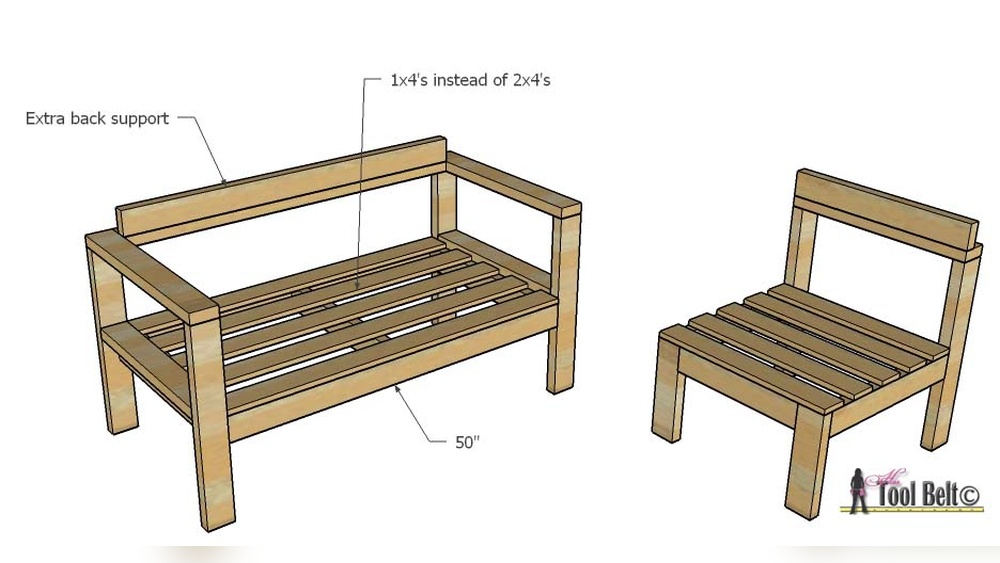
Are you dreaming of outdoor furniture that perfectly fits your style and space? Imagine sitting on a chair you built yourself, enjoying the fresh air and knowing you created something unique.
Making your own outdoor furniture isn’t just a fun project—it’s a way to add personality and comfort to your yard without spending a fortune. In this guide, you’ll discover simple, step-by-step tips to craft your own pieces, even if you’ve never built anything before.
Ready to transform your outdoor space with furniture that’s truly yours? Keep reading, and let’s get started!
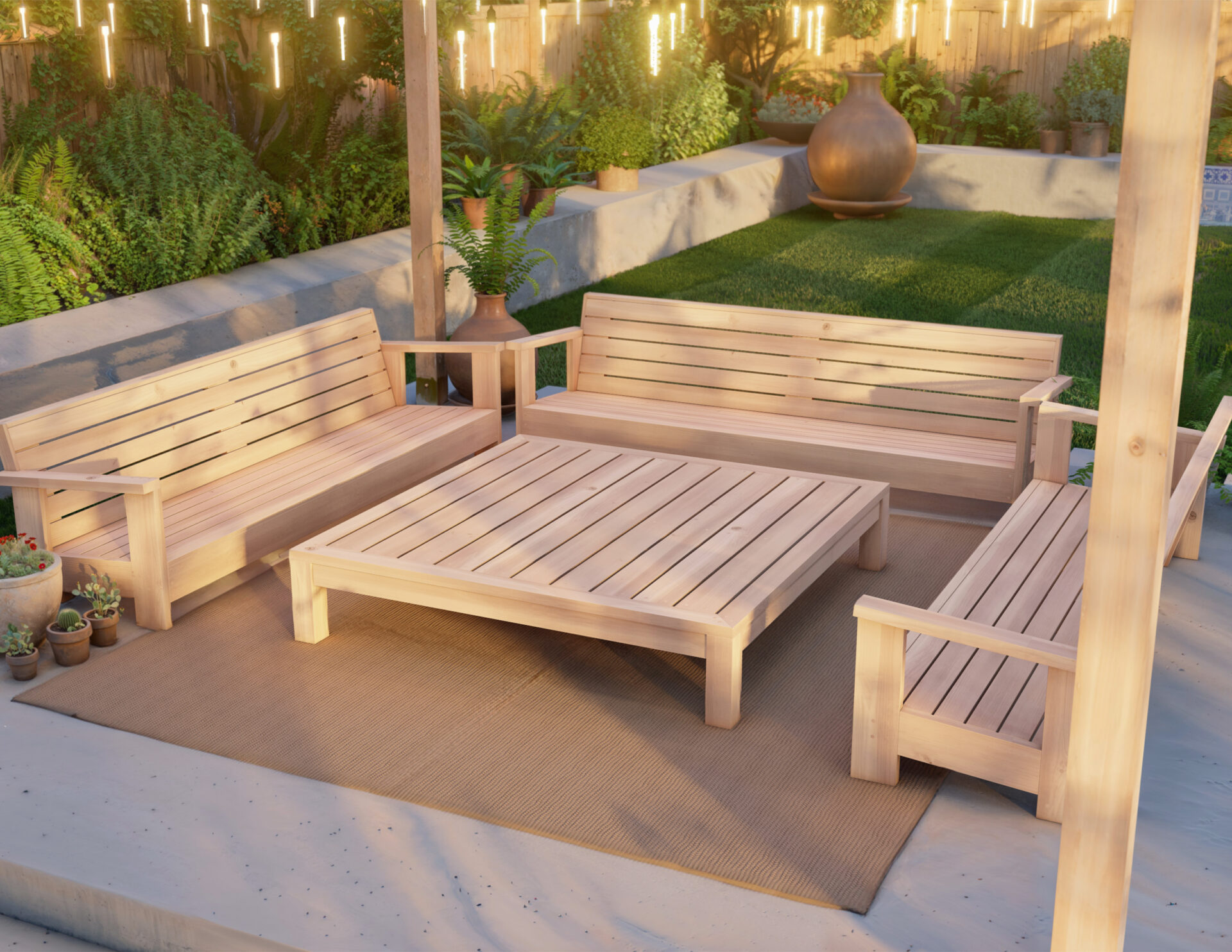
Credit: rheolitelecom.com.br
Choosing Materials
Choosing the right materials is a key step in making your own outdoor furniture. The materials must resist weather and last a long time. They also affect the look and feel of your furniture. Picking the best option helps create strong, beautiful pieces you will enjoy for years.
Wood Options
Wood is a popular choice for outdoor furniture. It looks natural and feels warm. Cedar and teak stand out for their durability. Both resist rot and insects well. Pine is cheaper but needs treatment to avoid damage. Always seal wood to protect it from water and sun.
Metal Choices
Metal offers strength and a modern look. Aluminum is light, rust-free, and easy to move. Steel is heavier but very strong. It needs a good coat of paint to stop rust. Wrought iron gives a classic style but requires more care. Metal furniture lasts longer with regular cleaning.
Recycled Materials
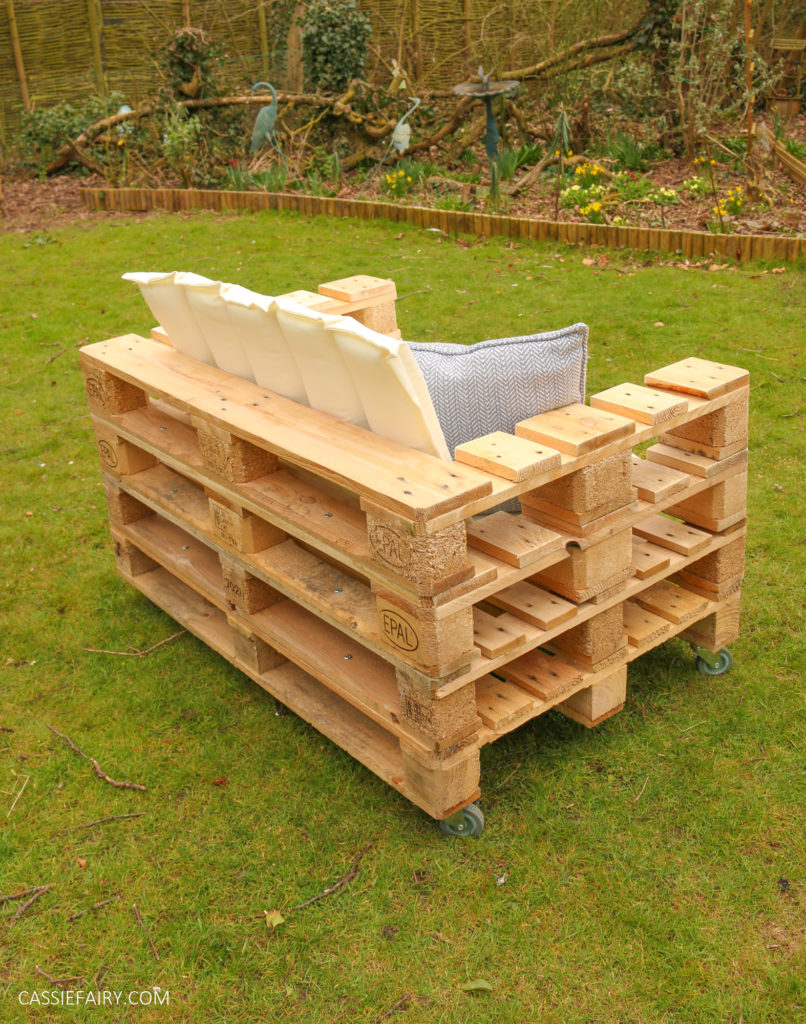
Recycled materials are eco-friendly and unique. Plastic lumber made from recycled plastic is low-maintenance. It does not rot or fade easily. Pallets and old wood can be reused for a rustic look. Using recycled materials helps reduce waste and saves money.
Credit: cassiefairy.com
Essential Tools
Making your own outdoor furniture is a fun and rewarding project. Having the right tools makes the job easier and safer. Essential tools help you cut, shape, and assemble wood with precision.
Using proper tools saves time and improves the quality of your furniture. Choose tools that fit your project size and skill level. Here are the basic tools you will need to get started.
Basic Hand Tools
Hand tools are the foundation of any woodworking project. A hammer is needed for driving nails and assembling parts. A tape measure helps you get exact lengths for cutting wood. Use a carpenter’s square to check corners and angles.
Screwdrivers are important for tightening screws and fixing hinges. A handsaw allows simple cuts without electricity. Sandpaper smooths rough edges and prepares wood for finishing.
Power Tools
Power tools speed up cutting and shaping tasks. A cordless drill makes drilling holes and driving screws faster. A circular saw helps you cut large boards quickly and cleanly.
A jigsaw is useful for cutting curves and detailed shapes. An orbital sander smooths wood surfaces evenly. Power tools require practice but improve efficiency greatly.
Safety Gear
Safety gear protects you from injuries while working. Safety glasses shield your eyes from dust and debris. Work gloves protect your hands from splinters and cuts.
Hearing protection reduces noise damage from power tools. A dust mask keeps you safe from inhaling sawdust. Always wear safety gear for a safer work experience.
Simple Furniture Projects
Simple furniture projects are perfect for beginners. They require few tools and materials. These projects help build confidence and skills. You can create useful pieces for your outdoor space. Start with easy designs that suit your style.
Diy Wooden Bench
A wooden bench is a classic outdoor piece. Use sturdy wood like cedar or pine. Cut the wood into seat, legs, and supports. Sand all surfaces smooth to avoid splinters. Assemble with screws and wood glue. Finish with outdoor paint or sealant for durability.
Pallet Coffee Table
Pallets are great for affordable furniture. Find a clean, strong pallet for the base. Sand it well to remove rough spots. Add legs or wheels for height and mobility. Place a glass top or wooden board on it. Paint or stain to protect against weather.
Cinder Block Shelves
Cinder blocks offer a strong, simple structure. Stack blocks in pairs to create shelf supports. Place wooden planks across the blocks for shelves. Arrange blocks and shelves to your preferred height. Seal the wood to protect from rain. These shelves hold plants and garden tools easily.
Finishing Touches
Finishing touches make your outdoor furniture look complete and last longer. They improve both appearance and durability. These steps protect the wood from weather damage and wear.
Sanding Techniques
Start by sanding the surface to remove rough spots. Use medium-grit sandpaper first, then fine-grit for a smooth finish. Sand along the grain to avoid scratches. Clean off dust with a dry cloth before the next step.
Painting And Staining
Choose paint or stain suitable for outdoor use. Paint adds color and extra protection. Stain shows the wood’s natural beauty and protects it. Apply thin, even coats and let each dry fully. Multiple coats offer better coverage and strength.
Weatherproofing Tips
Seal your furniture with a clear outdoor sealant. This stops water from soaking into the wood. Reapply sealant every year or as needed. Cover furniture during heavy rain or snow for extra care. Store cushions inside to keep them dry and clean.
Maintenance Tips
Proper care keeps your outdoor furniture looking good and lasting longer. Regular maintenance prevents damage and wear from weather and use. Follow simple steps to clean, fix, and protect your furniture all year.
Cleaning Outdoor Furniture
Clean furniture regularly to remove dirt and dust. Use mild soap and water with a soft brush or cloth. Avoid harsh chemicals that can damage the surface. Rinse well and dry with a towel to stop water spots.
Repairing Damage
Check for cracks, loose screws, or chipped paint often. Tighten screws and replace broken parts quickly. Sand rough spots and apply fresh paint or sealant. Small repairs stop bigger problems and keep furniture safe.
Seasonal Care
Store furniture indoors or use covers during bad weather. Remove cushions and dry them before storage. Clean and oil wooden pieces to prevent drying and cracking. Proper seasonal care helps furniture survive harsh conditions.
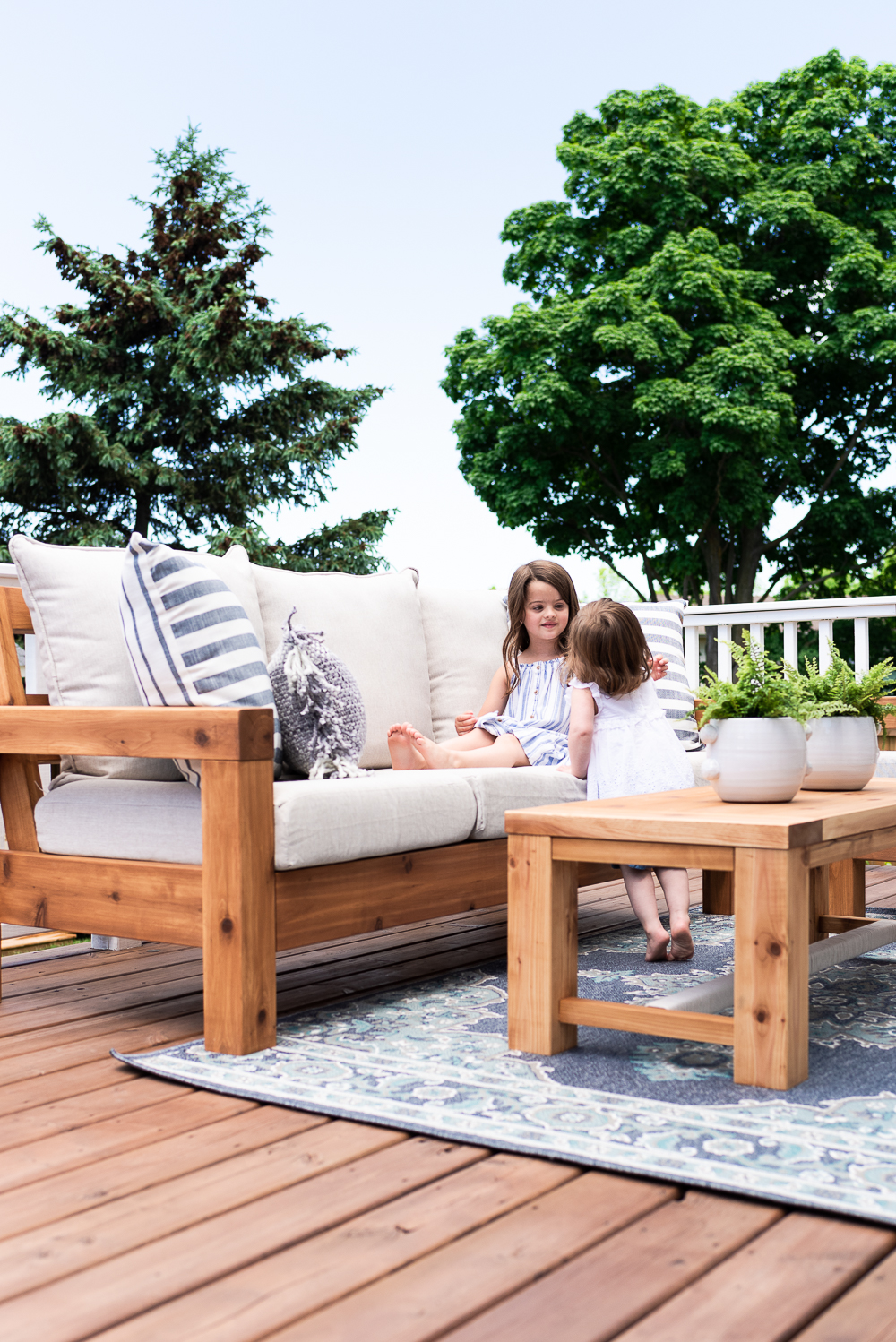
Credit: www.nickandalicia.com
Budget-friendly Ideas
Creating your own outdoor furniture can save money and bring a personal touch to your space. Budget-friendly ideas help you build beautiful pieces without spending much. Simple tricks and smart choices make a big difference. Here are some practical ways to keep costs low while making sturdy and stylish furniture.
Sourcing Cheap Materials
Look for affordable wood, like pine or pallet wood. These types cost less and are easy to work with. Check local hardware stores for sales or leftover pieces. Reclaimed wood from construction sites can also be cheap. Use untreated wood for a natural look and paint it yourself.
Repurposing Old Items
Turn old doors into tables or benches. Wooden crates make great storage seats. Use old pallets to build chairs or sofas. Reuse metal frames from old furniture for sturdy bases. This method cuts costs and adds character to your furniture.
Cost-saving Techniques
Measure twice and cut once to avoid waste. Use hand tools instead of power tools to save electricity. Choose simple designs that need fewer materials. Paint or stain your furniture to protect it and extend its life. Buy materials in bulk if possible to reduce price per piece.
Frequently Asked Questions
What Materials Are Best For Diy Outdoor Furniture?
Wood, metal, and plastic are ideal for outdoor furniture. Teak and cedar resist weather well. Metal like aluminum is durable and rust-resistant. Plastic is lightweight and low-maintenance. Choose materials based on climate and style preferences for lasting furniture.
How Do I Protect Outdoor Furniture From Weather Damage?
Use weather-resistant sealants or paint to protect wood. Cover metal with rust-proof coatings. Store cushions indoors when not in use. Use furniture covers during harsh weather. Regular maintenance extends your furniture’s lifespan and keeps it looking new.
What Basic Tools Are Needed To Build Outdoor Furniture?
Essential tools include a saw, drill, measuring tape, and screwdriver. Sandpaper smooths surfaces. Clamps hold pieces together during assembly. Having these tools ensures precise cuts and sturdy construction for your outdoor furniture projects.
How Can I Make Outdoor Furniture Comfortable?
Add cushions and pillows with weather-resistant fabric. Sand rough edges for smoothness. Design ergonomic shapes for better support. Using breathable materials helps furniture stay cool. Comfort improves usability and enjoyment of your outdoor space.
Conclusion
Making your own outdoor furniture brings joy and pride. It saves money and fits your style perfectly. Choose simple designs and quality materials for best results. Take your time and enjoy the process. Your outdoor space will feel special and inviting.
Start small, learn, and improve with each project. Creating furniture yourself makes your garden truly unique. Try it today and see the difference.