Choosing the right finish for your outdoor wood furniture isn’t just about looks—it’s about protecting your investment. You want your pieces to stay beautiful and strong through rain, sun, and changing seasons.
But with so many options out there, how do you know which finish will work best for your wood? You’ll discover simple, effective finishes that keep your outdoor furniture looking great year after year. Keep reading to find the perfect match for your wood and your lifestyle.
Choosing The Right Finish
Choosing the right finish for outdoor wood furniture protects it from weather and wear. The finish keeps the wood looking good and lasting longer. Different finishes suit different types of wood and outdoor conditions. Understanding the options helps you pick the best finish for your furniture.
Types Of Outdoor Wood Finishes
There are many finishes for outdoor wood furniture. Common types include varnish, oil, paint, and sealers. Varnish creates a hard, clear coat that resists water and sun. Oil soaks into the wood, enhancing its natural look. Paint covers the wood completely, offering strong protection. Sealers form a barrier to keep moisture out without changing the wood’s color much.
Pros And Cons Of Each Finish
Varnish is very durable but can crack over time. Oil keeps wood looking natural but needs reapplication often. Paint hides wood grain but offers strong weather resistance. Sealers protect without changing wood color but may require frequent coats. Each finish has benefits and drawbacks depending on use and climate.
Factors Influencing Finish Selection
Choose a finish based on wood type, weather, and look you want. Hardwoods may need different finishes than softwoods. Wet or sunny climates need tougher finishes. Consider how much maintenance you can do. Also think about the style and color you prefer. These factors guide you to the right finish choice.

Credit: lumbergrand.com
Preparing Wood For Finishing
Preparing wood for finishing is an important step for outdoor furniture. It helps protect the wood and make the finish last longer. Proper preparation improves the look and feel of the wood. Clean, smooth wood takes stains and paints evenly. This section covers the key steps to prepare wood well.
Cleaning And Sanding Techniques
Start by removing dirt, dust, and old finishes from the wood surface. Use a soft brush or cloth to clean loose debris. For tough stains, mild soap and water work well. Let the wood dry completely before sanding.
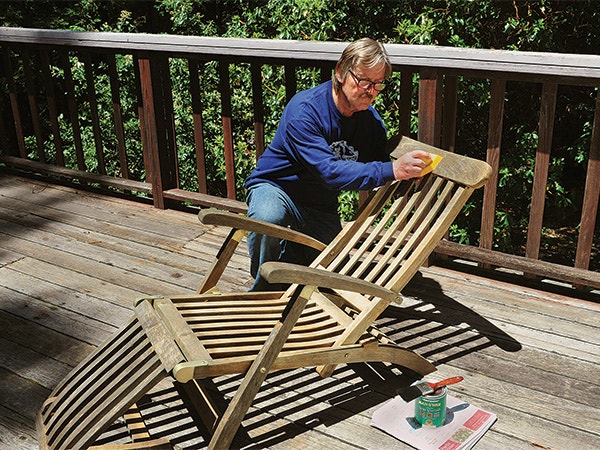
Sanding smooths the surface and opens the wood pores. Use medium-grit sandpaper first, then fine-grit for a polished finish. Sand along the wood grain to avoid scratches. Wipe dust off with a damp cloth before applying any finish.
Repairing Surface Imperfections
Check the wood for cracks, holes, or dents. Fill small holes and cracks with wood filler. Press the filler firmly and smooth it with a putty knife. Allow the filler to dry fully, then sand it flat. This step creates an even surface for a better finish.
Remove any loose or splintered wood pieces. Sand rough spots until smooth. A well-repaired surface prevents finish peeling and damage from weather.
Moisture And Weather Considerations
Wood must be dry before finishing. Moist wood traps moisture under the finish, causing bubbles and peeling. Check wood moisture with a moisture meter or by weight. Let wood dry in a shaded, ventilated place.
Protect wood from rain and direct sunlight during preparation. These factors can warp or crack the wood. Proper moisture control extends the life of outdoor furniture finishes.
Applying Finishes Effectively
Applying finishes to outdoor wood furniture protects it from weather damage. It also keeps the wood looking fresh and new. Proper application helps the finish last longer. It improves the wood’s strength and beauty. Following a clear process makes the job easier and more effective. Use the right tools and techniques for the best results.
Tools And Materials Needed
- Sandpaper (medium and fine grit)
- Clean cloth or tack cloth
- Brushes (natural or synthetic bristles)
- Paint tray or container
- Wood finish (oil, varnish, or sealant)
- Protective gloves and mask
- Drop cloth or newspaper to protect the work area
Step-by-step Application Process
- Start by sanding the wood surface smoothly.
- Remove all dust using a clean cloth.
- Stir the finish gently; do not shake.
- Dip the brush into the finish, avoiding overload.
- Apply a thin, even coat following the wood grain.
- Let the finish dry as per product instructions.
- Lightly sand the surface after drying.
- Apply a second coat and repeat if needed.
Tips For Even Coverage
- Work in a shaded, dust-free area for best results.
- Use long, smooth strokes along the grain.
- Avoid thick layers to prevent drips and bubbles.
- Keep a wet edge to blend strokes seamlessly.
- Check for missed spots and touch up quickly.
- Allow full drying time between coats.
- Maintain brushes properly to avoid bristle loss.

Credit: lumbergrand.com
Maintaining Outdoor Wood Furniture
Outdoor wood furniture adds beauty to any space. It faces sun, rain, wind, and dirt daily. Maintaining it helps keep its look and strength. Regular care prevents damage and extends furniture life.
Regular Cleaning And Inspection
Clean wood furniture often to remove dirt and dust. Use a soft brush or cloth with mild soap and water. Rinse well and dry with a towel. Check for cracks, peeling finish, or mold. Early spotting helps fix small problems fast.
Reapplying Finish Over Time
Wood finishes wear out with sun and rain exposure. Reapply the finish every year or two. Sand the surface lightly before applying new coats. Use a finish made for outdoor wood. This keeps wood sealed and protected from moisture.
Protecting Against Weather Damage
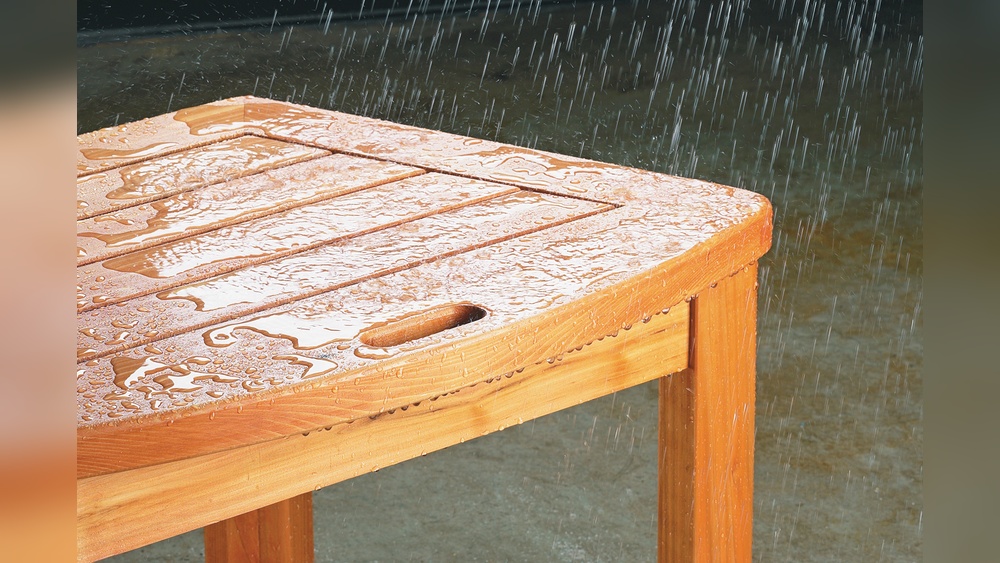
Cover furniture during heavy rain or snow. Use breathable covers to avoid trapped moisture. Move pieces to a shaded area in hot sun. Avoid placing furniture directly on wet ground. These steps reduce warping, cracking, and fading.
Common Mistakes To Avoid
Choosing the right finish for outdoor wood furniture is important. Many people make mistakes that shorten the life of their furniture. Avoiding common errors helps keep wood looking good and lasting longer. Here are some frequent mistakes to watch out for.
Using Inappropriate Finishes
Not all finishes suit outdoor wood. Some finishes crack or peel under sun and rain. Avoid indoor varnishes or paints on outdoor furniture. Use finishes made for outdoor use. These protect wood from moisture and UV rays better.
Skipping Surface Preparation
Applying finish on dirty or rough wood causes poor results. Clean wood well before finishing. Sand the surface smooth to help the finish stick. Remove old finish or dirt completely. Proper prep makes the finish last longer and look better.
Ignoring Maintenance Needs
Outdoor wood needs regular care. Finishes wear out over time. Check furniture often for cracks or peeling. Reapply finish when needed to keep protection strong. Skipping maintenance lets damage grow faster. Small fixes prevent big problems.
Credit: www.rockler.com
Frequently Asked Questions
What Is The Best Finish For Outdoor Wood Furniture?
The best finish is a high-quality exterior varnish or spar urethane. It protects wood from moisture, UV rays, and weather damage, extending furniture life while maintaining natural beauty.
How Often Should Outdoor Wood Furniture Be Refinished?
Refinish outdoor wood furniture every 1 to 2 years. This frequency depends on climate, exposure, and finish type. Regular refinishing protects wood and keeps furniture looking fresh.
Can I Use Oil Finishes On Outdoor Wood Furniture?
Yes, oil finishes like teak or linseed oil penetrate wood and offer water resistance. However, they require frequent reapplication and may not protect as well as varnishes or sealers.
Should I Sand Outdoor Wood Furniture Before Finishing?
Yes, sanding removes old finish and smooths the surface. It improves finish adhesion and enhances the wood’s appearance. Use fine-grit sandpaper for best results.
Conclusion
Choosing the right finish protects your outdoor wood furniture. It keeps the wood safe from rain, sun, and dirt. Some finishes need more care but last longer. Others are easy to apply but need redoing often. Think about your climate and how much time you have.
A good finish helps your furniture look nice for years. Take your time to pick what fits best. Your wood will thank you with lasting beauty.