Choosing the right wood for your outdoor furniture can make all the difference between a beautiful, long-lasting piece and one that quickly wears out. You want your furniture to look great, stand up to the weather, and feel comfortable year after year.
But with so many wood options out there, how do you pick the best one for your space and needs? You’ll discover simple tips and expert advice that will help you make the perfect choice—so your outdoor furniture stays strong, stylish, and inviting for seasons to come.
Keep reading to find out exactly what you need to know before making your decision.

Credit: www.amazon.com
Types Of Wood For Outdoor Furniture
Choosing the right wood is key for outdoor furniture. Wood type affects durability, look, and maintenance. Some woods resist weather well. Others need more care. Understanding wood types helps pick the best fit.
Hardwoods Vs Softwoods
Hardwoods come from broad-leaf trees. They are dense and strong. Softwoods come from conifers like pine. They grow faster and are lighter. Hardwoods usually last longer outdoors. Softwoods are easier to shape and cheaper. Both can work well outside with treatment.
Popular Hardwood Options
Teak is famous for outdoor use. It resists water and insects naturally. Ipe is very hard and lasts many years. Cedar has a nice smell and resists rot. Mahogany offers a rich color and good strength. These woods need little upkeep but cost more.
Common Softwood Choices
Pine is common and affordable. It needs sealing to avoid damage. Cedar, a softwood too, handles weather well. Redwood resists decay and looks good. Softwoods often require paint or stain to last outside. They suit budgets and offer style variety.
Durability And Weather Resistance
Durability and weather resistance are key when choosing wood for outdoor furniture. Wood must handle sun, rain, and cold without breaking down. This keeps furniture strong and looking good for years.
Some woods naturally fight rot and decay better than others. Others resist water and moisture, stopping damage from wet weather. Sunlight can also harm wood, so UV resistance matters for lasting color and strength.
Rot And Decay Resistance
Wood outdoors faces fungi and insects that cause rot. Choose woods like teak, cedar, or redwood. These woods have natural oils that protect against decay. Untreated softwoods will rot faster and lose strength. Proper wood choice means furniture lasts longer with less repair.
Moisture And Water Handling
Wood absorbs water, which can cause swelling and warping. Dense woods with tight grain resist water better. Teak and ipe have natural oils that block moisture. Softwoods soak up water and break down quickly. Treat wood surfaces with sealants to improve water resistance.
Uv Resistance
Sunlight breaks down wood fibers and fades color. Some woods resist UV damage better than others. Teak holds its color longer and stays strong. Pine and fir need extra protection like paint or stain. UV-resistant wood keeps outdoor furniture looking fresh and lasts longer.
Maintenance Requirements
Choosing the right wood for outdoor furniture means thinking about maintenance. Wood outdoors faces sun, rain, and dirt. Some woods need more care to stay strong and beautiful. Understanding maintenance helps keep furniture lasting longer.
Cleaning Tips
Regular cleaning stops dirt buildup and damage. Use a soft brush or cloth to remove dust and debris. Mild soap mixed with water works well. Avoid harsh chemicals that can harm the wood. Clean gently to protect the surface.
Sealing And Finishing
Sealing wood helps block water and sun damage. Apply sealant every year or as needed. Finishes like varnish or oil add extra protection. They keep wood from drying and cracking. Choose a finish made for outdoor use.
Longevity With Care
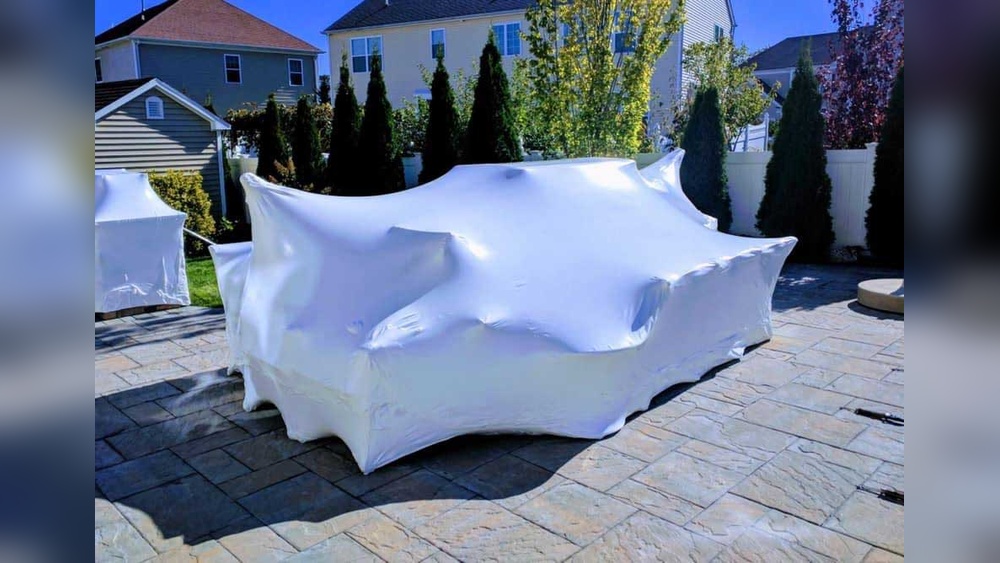
Proper care extends wood’s life outside. Store furniture indoors in winter or use covers. Fix small cracks or chips quickly. Sand rough spots before resealing. Good care keeps wood looking fresh for years.
Credit: www.patioproductions.com
Aesthetic Considerations
Choosing wood for outdoor furniture is more than just strength and durability. The look of the wood plays a big role in how your outdoor space feels. Wood’s color, grain, and how it changes over time affect the style and mood.
Think about how the wood will fit with your outdoor area. The right wood can make the space warm, inviting, or modern. Let’s explore some key aesthetic points to help you pick the perfect wood.
Wood Grain And Color
Wood grain shows the natural lines and patterns in the wood. These patterns give each piece a unique look. Some woods have straight grain, while others show swirls or knots.
Color varies from light tan to deep brown or reddish hues. Choose a wood color that matches your style. Light woods create a bright, airy feel. Darker woods add richness and warmth.
Aging And Patina
Outdoor wood changes with time. Sun, rain, and wind give the wood a new look called patina. Some woods turn silver-gray, while others darken.
This aging can add charm and character. Pick wood that ages well if you want a natural, weathered look. Some woods need oil or sealant to keep their color longer.
Matching Outdoor Decor
Wood should match your outdoor decor for a balanced look. Think about your furniture style and garden colors.
Rustic wood fits well with natural or farmhouse themes. Sleek, smooth wood suits modern spaces. Match wood tones with cushions, plants, and other decor for harmony.
Sustainability And Sourcing
Choosing wood for outdoor furniture is not just about looks and durability. Sustainability and sourcing are key to making the right choice. Wood from responsible sources helps protect forests and wildlife. It also reduces pollution and waste. Learning about sustainable options helps you pick furniture that is kind to the planet.
Certified Wood Options
Certified wood comes from forests managed with care. Organizations like FSC and PEFC check the wood’s origin. These certificates ensure trees are not cut down too fast. They also protect animals and plants in the forest. Choosing certified wood supports better forest management worldwide.
Environmental Impact
Different woods have different effects on the environment. Some require more water and energy to grow. Others need harmful chemicals to stay strong outdoors. Choosing local wood reduces transport pollution. Also, wood that lasts long means less waste. Think about the whole life of the wood before buying.
Ethical Purchasing
Ethical buying means respecting people and nature. Check if the wood was taken fairly and legally. Avoid wood linked to illegal logging or harm to communities. Ask sellers about their sources and practices. Fair trade wood supports workers and protects forests for future use.
Cost Factors
Choosing wood for outdoor furniture depends a lot on cost factors. These costs affect your budget now and in the future. Understanding these costs helps you pick the best wood for your needs.
Initial Investment
The price of wood varies widely. Some woods like pine cost less upfront. Hardwoods like teak or cedar are more expensive. The initial cost includes buying and preparing the wood. This cost can affect how much furniture you can afford.
Long-term Value
Durable woods save money over time. They resist weather and pests better. This means less repair and replacement. Cheaper wood may need more care and may not last long. Consider how long the wood will keep your furniture strong.
Balancing Quality And Budget
Good wood doesn’t always mean high cost. Look for wood that lasts but fits your budget. Sometimes medium-priced wood offers the best mix of quality and price. Think about how much you want to spend now and later.
Common Mistakes To Avoid
Choosing the right wood for outdoor furniture is important. Many make mistakes that shorten furniture life. Knowing common errors helps you avoid costly problems. This section covers key mistakes to watch out for.
Choosing Unsuitable Wood
Some woods look good but do not last outside. Softwoods like pine or fir can rot fast. They soak up water and get damaged. Always pick hardwoods or treated wood for strength. Durable woods stand up well to weather.
Ignoring Maintenance Needs
Wood needs care to stay strong and pretty. Some types require regular sealing or oiling. Skipping maintenance leads to cracks and fading. Check what care your wood needs before buying. Plan for upkeep to keep furniture nice.
Overlooking Climate Effects
Different woods react to weather in different ways. Wet climates can cause swelling or mold. Hot sun can dry wood and cause cracks. Choose wood types that suit your local weather. This helps furniture last longer and look good.
Tips For Buying Outdoor Wood Furniture
Choosing the right wood for outdoor furniture affects its look and how long it lasts. Good wood resists weather, insects, and decay. Buying outdoor wood furniture needs careful checking and asking. These tips help you pick furniture that stays strong and beautiful.
Inspecting Wood Quality
Look closely at the wood surface. It should be smooth, with no cracks or splits. Check for knots, which can weaken the wood. The color should be even and natural. Avoid wood that feels soft or looks damaged. Solid, dense wood lasts longer outside.
Asking The Right Questions
Ask the seller about the wood type. Some woods, like teak and cedar, resist moisture well. Inquire if the wood is sustainably sourced. Check how the wood handles weather changes. Ask about the furniture’s warranty or return policy. Clear answers help you trust the product.
Testing For Treatment And Finish
Good outdoor wood has treatment against insects and rot. Ask if the wood is pressure-treated or sealed. The finish should repel water and sunlight. Test by touching the surface; it should feel smooth and dry. Untreated wood may absorb water and crack fast.

Credit: www.countrycasualteak.com
Frequently Asked Questions
What Wood Types Are Best For Outdoor Furniture?
Teak, cedar, and redwood are top choices for outdoor furniture. They resist moisture, decay, and insects. These woods last long and require minimal maintenance, making them ideal for outdoor use.
How To Identify Durable Wood For Outdoor Use?
Look for dense, oily, and naturally resistant woods like teak or ipe. These woods withstand weather changes and pests. Durability ensures your furniture remains strong and attractive over time.
Should I Treat Wood For Outdoor Furniture?
Yes, treating wood with sealants or oils protects it from moisture and UV damage. This extends the wood’s lifespan and maintains its appearance. Regular treatment is essential for outdoor furniture care.
What Wood Finishes Suit Outdoor Furniture Best?
Oil-based finishes and marine varnishes offer excellent protection outdoors. They enhance wood grain and repel water. Choose finishes that resist cracking, peeling, and UV damage for lasting beauty.
Conclusion
Choosing the right wood ensures your outdoor furniture lasts long. Think about durability, weather resistance, and maintenance needs. Some woods handle rain and sun better than others. Cedar and teak are popular for outdoor use. Keep your budget and style in mind too.
Taking time to select good wood saves money later. Enjoy beautiful, sturdy furniture for years to come. Simple care helps keep wood strong and looking nice. Now, you can pick wood with confidence and create a cozy outdoor space.