Are you wondering which oil is best to protect your outdoor furniture? Choosing between linseed oil and teak oil can be confusing.
Both promise to keep your wood looking great, but which one truly stands up to the elements? You’ll discover the key differences that matter for your furniture’s durability, appearance, and maintenance. By the end, you’ll know exactly which oil to pick to keep your outdoor pieces beautiful year after year.
Keep reading to make the best choice for your investment.
Properties Of Linseed Oil
Linseed oil is a popular choice for treating outdoor furniture. It offers several unique properties that help protect and enhance wood. Understanding these properties can help you decide if linseed oil suits your needs better than teak oil.
Natural Composition
Linseed oil comes from flax seeds. It is a natural oil, free from harsh chemicals. This makes it safe for the environment and your family. The oil penetrates deeply into the wood. It nourishes and strengthens wood fibers. This natural composition helps wood last longer outside.
Drying Time And Curing
Linseed oil takes time to dry. It can take several hours or days to cure fully. The curing process creates a tough, protective layer on wood. This layer shields the surface from damage. You must apply it in thin coats. Thick layers take longer to dry and may stay sticky.
Water Resistance
Linseed oil improves wood’s water resistance. It soaks into the wood and repels moisture. This prevents wood from swelling and cracking. It also slows down rot and decay. Still, linseed oil may need reapplication each year. This keeps your furniture well protected from rain and humidity.
Properties Of Teak Oil
Teak oil is a popular choice for treating outdoor furniture. It helps protect wood from weather damage and keeps it looking fresh. Understanding teak oil’s properties helps you decide if it suits your needs.
This oil is specially made to work well with hardwoods like teak. It offers both protection and beauty to your outdoor pieces.
Blend Ingredients
Teak oil is usually a mix of natural oils and solvents. These ingredients help the oil soak deep into the wood. Common components include linseed oil, tung oil, and mineral spirits. This blend allows the oil to dry faster and resist water better.
Penetration And Protection
The oil penetrates wood fibers to protect from inside. It blocks moisture and prevents cracking and warping. Teak oil also guards against sun damage and fading. This makes your furniture last longer outdoors.
Enhancing Wood Grain
Teak oil brings out the natural beauty of wood grain. It adds a warm, rich tone to the surface. The wood looks polished without a shiny finish. This enhances the texture and color of your outdoor furniture.
Durability And Weather Resistance
Durability and weather resistance are key for outdoor furniture finishes. These qualities keep wood safe from nature’s harsh effects. Both linseed oil and teak oil offer protection but differ in how well they handle rain, sun, and wear. Understanding these differences helps choose the right oil for lasting outdoor beauty.
Performance In Rain And Sun
Linseed oil soaks deep into wood but takes time to dry. It offers moderate protection against rain. Sunlight can break down linseed oil faster, causing the finish to fade. Teak oil dries quicker and forms a thin protective layer on the surface. It resists water better and shields wood from sun damage. Teak oil often lasts longer under direct sun and rain exposure.
Resistance To Cracking And Peeling
Linseed oil keeps wood fibers flexible, reducing cracks over time. It does not peel but may need frequent reapplication. Teak oil creates a harder surface layer. This layer resists peeling and cracking well. However, if the surface is not prepared properly, teak oil can flake off. Both oils need proper application to maintain strong protection against damage.
Application Process
The application process plays a key role in protecting outdoor furniture. It affects how well the finish lasts and looks over time. Both linseed oil and teak oil need careful preparation and proper application. Following simple steps helps the wood absorb the oil deeply. This protects the furniture from weather damage and keeps it looking fresh.
Preparation Steps
Start by cleaning the furniture to remove dirt and dust. Use a soft brush or cloth for this task. Sand the surface lightly to open wood pores for better oil absorption. Use fine-grit sandpaper for smooth results. Wipe off sanding dust with a dry cloth. Make sure the wood is dry before applying oil. Avoid applying oil on wet or damp wood.
Number Of Coats Needed
Apply the first coat of oil thinly and evenly. Let it soak into the wood for about 20 to 30 minutes. Wipe off any extra oil with a clean cloth. Allow the wood to dry for 24 hours before adding another coat. Usually, two to three coats give good protection. For linseed oil, more coats may be needed than teak oil. This depends on the wood type and weather conditions.
Maintenance Frequency
Outdoor furniture needs regular maintenance to stay protected. Teak oil often requires reapplication every 6 to 12 months. Linseed oil may need touch-ups every 3 to 6 months. Inspect the furniture for dryness or fading of the finish. Apply a fresh coat when the wood looks dull or dry. Regular oiling keeps the wood nourished and prevents cracking.
Environmental Impact
Choosing the right oil for outdoor furniture affects the environment. Both linseed oil and teak oil have their own impacts. Understanding these effects helps you make a greener choice. Let’s explore their environmental impact.
Eco-friendliness
Linseed oil is made from flax seeds. It is a natural product and biodegradable. It breaks down easily in soil and water. This makes it an eco-friendly option. Teak oil is often a blend of oils and solvents. Some versions contain chemicals that do not break down quickly. These can harm plants and animals near treated furniture. Linseed oil is generally safer for the environment.
Toxicity Levels
Linseed oil has low toxicity. It is safe for humans and pets once dry. Some people may have mild skin sensitivity. Teak oil may contain solvents and additives that are toxic. These can release harmful fumes during application. Also, they can pollute water if washed off. Using linseed oil reduces the risk of toxic exposure outdoors.

Credit: vermontwoodsstudios.com
Cost And Availability
Cost and availability are important factors for anyone choosing between linseed oil and teak oil. Both oils protect outdoor furniture, but their prices and ease of purchase vary. Understanding these differences can help you pick the best option for your budget and needs.
Price Comparison
Linseed oil is usually cheaper than teak oil. It comes in larger containers at lower prices. This makes it a good choice for big projects. Teak oil costs more because it has special ingredients for teak wood. Its price reflects this extra care and protection. For small amounts, teak oil can be less affordable.
Where To Buy
Linseed oil is widely available in hardware stores and online shops. Many brands offer it in different sizes. Teak oil is more common in stores that sell wood care products. It is also easy to find online. Some local stores may not carry teak oil due to lower demand.
Expert Recommendations
Experts often share clear advice about linseed oil and teak oil. Both protect outdoor furniture well. Each oil suits different needs and wood types. Understanding expert views helps choose the right oil for your furniture.
Experts base their advice on wood type, weather exposure, and maintenance. Knowing the best use for each oil keeps outdoor furniture looking good longer.
Best Use Cases For Linseed Oil
Linseed oil works best on softwoods like pine and cedar. It soaks deep into the wood, helping to prevent cracking. Experts say it is great for furniture in dry or mild climates. It protects the wood without forming a thick surface layer. Linseed oil needs several coats and time to dry well. It is ideal for restoring older furniture or natural wood finishes. Regular reapplication keeps the wood nourished and strong.
Best Use Cases For Teak Oil
Teak oil suits hardwoods like teak, mahogany, and rosewood. It forms a thin protective layer on the wood’s surface. Experts recommend teak oil for furniture exposed to rain and strong sun. It resists water and UV rays better than linseed oil. Teak oil enhances the wood’s color and grain with a natural shine. It dries faster and needs fewer coats. Ideal for furniture that faces harsh weather year-round.
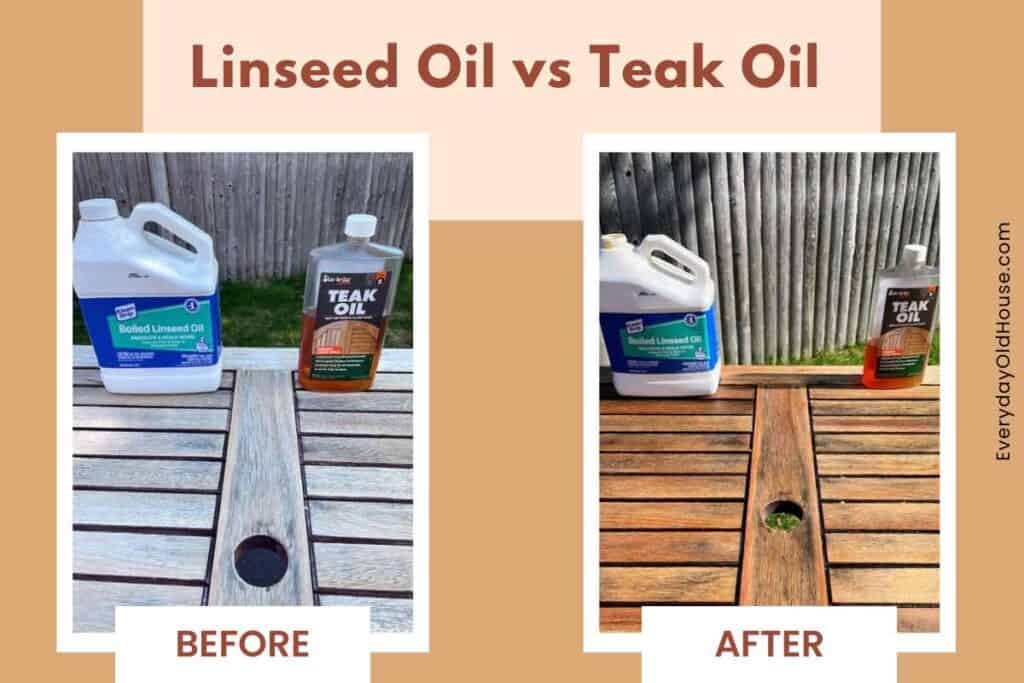
Credit: everydayoldhouse.com
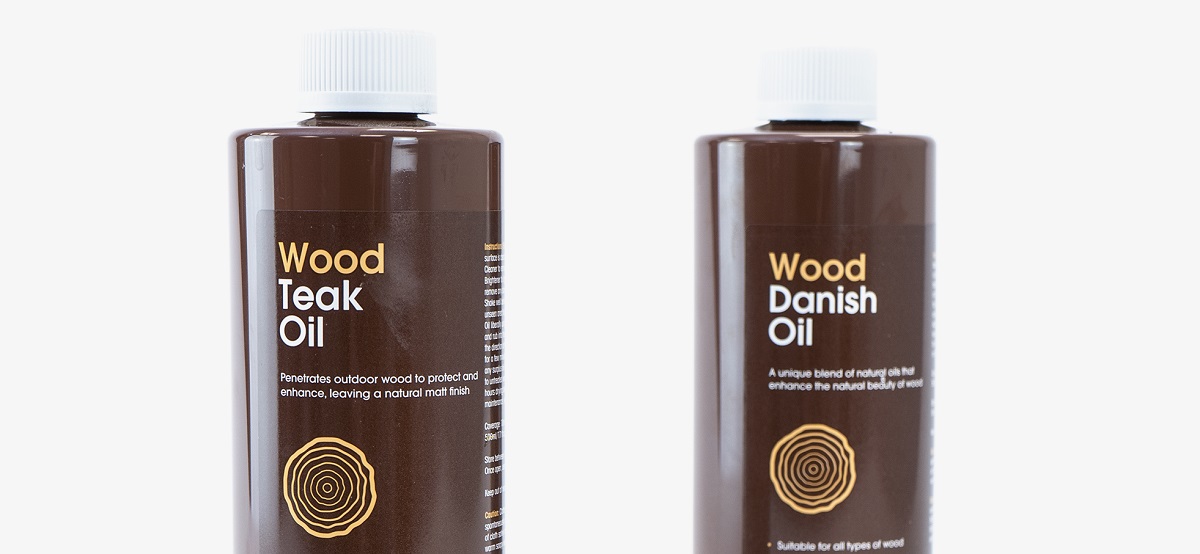
Credit: www.furnitureclinic.co.uk
Frequently Asked Questions
What Are The Main Differences Between Linseed Oil And Teak Oil?
Linseed oil is derived from flax seeds and penetrates deeply into wood. Teak oil is a blend of oils designed specifically for dense woods like teak. Linseed oil enhances natural grain, while teak oil offers better water resistance and protection.
Is Linseed Oil Safe For Outdoor Wooden Furniture?
Yes, linseed oil is natural and non-toxic, making it safe for outdoor furniture. It protects wood by penetrating and moisturizing. However, it requires frequent reapplication for lasting outdoor protection against moisture and UV damage.
How Often Should I Apply Teak Oil On Outdoor Furniture?
Teak oil should be applied every 6 to 12 months. This frequency depends on exposure to sun and rain. Regular application keeps wood nourished, maintains color, and protects against cracking and fading.
Does Linseed Oil Provide Better Uv Protection Than Teak Oil?
No, teak oil generally offers better UV protection because it contains additives. Linseed oil alone provides minimal UV defense. For outdoor furniture exposed to sunlight, teak oil is more effective in preventing discoloration.
Conclusion
Choosing between linseed oil and teak oil depends on your furniture’s needs. Linseed oil soaks deep, protecting wood from inside. Teak oil highlights natural colors and shields against weather. Both oils have strengths for outdoor use. Consider how much time you can spend on maintenance.
Think about the look you want to achieve. Either oil can keep your furniture safe and beautiful. The best choice matches your wood type and care routine. Simple care leads to lasting outdoor furniture enjoyment.