Is your outdoor furniture looking dull and spotty because of stubborn mildew? You’re not alone, and the good news is that you don’t need to replace your favorite pieces.
Mildew can make your outdoor space feel less inviting, especially during summer when you want to relax and entertain. But imagine your furniture looking fresh and clean again, ready for those sunny days and warm nights. You’ll discover simple, effective steps to remove mildew from your outdoor furniture quickly and safely.
Keep reading—your summer oasis is just a few easy tips away.
Credit: www.furnituremaxi.com
Causes Of Mildew On Outdoor Furniture
Mildew grows on outdoor furniture when conditions are right. It needs moisture, warmth, and organic material to thrive. Understanding what causes mildew helps you prevent and remove it effectively.
Common Moisture Sources
Water is the main cause of mildew on outdoor furniture. Rain and dew leave surfaces damp. Sprinklers and pools also add moisture. Poor drainage traps water around furniture legs. Moisture stays longer on shaded pieces.
Climate And Weather Factors
Warm, humid climates encourage mildew growth. Summer heat combined with humidity creates a perfect environment. Frequent rain and cloudy days increase moisture. Lack of sunlight slows drying times. Coastal areas often have salty air, which can worsen mildew issues.
Material Susceptibility
Some materials attract mildew more than others. Wood and fabric hold water and organic matter. Plastic and metal dry quickly but may still develop mildew. Porous surfaces trap moisture deeper inside. Outdoor cushions and umbrellas need special care.
Signs Of Mildew On Furniture
Mildew on outdoor furniture can ruin its look and cause damage. Early signs help you act fast. Knowing these signs saves your furniture and keeps it safe for use. Watch for changes in color and smell. These clues show mildew growth. Detecting mildew early stops it from spreading and keeps your furniture fresh.
Visual Indicators
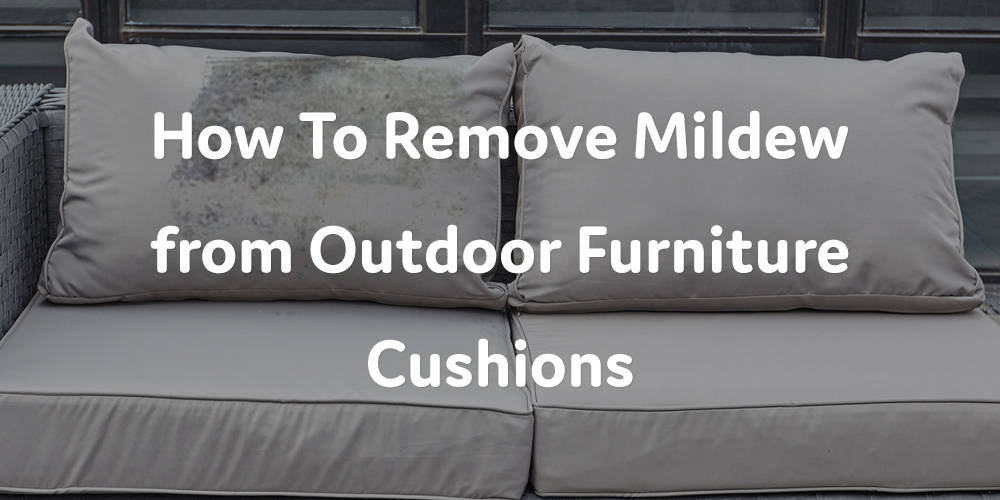
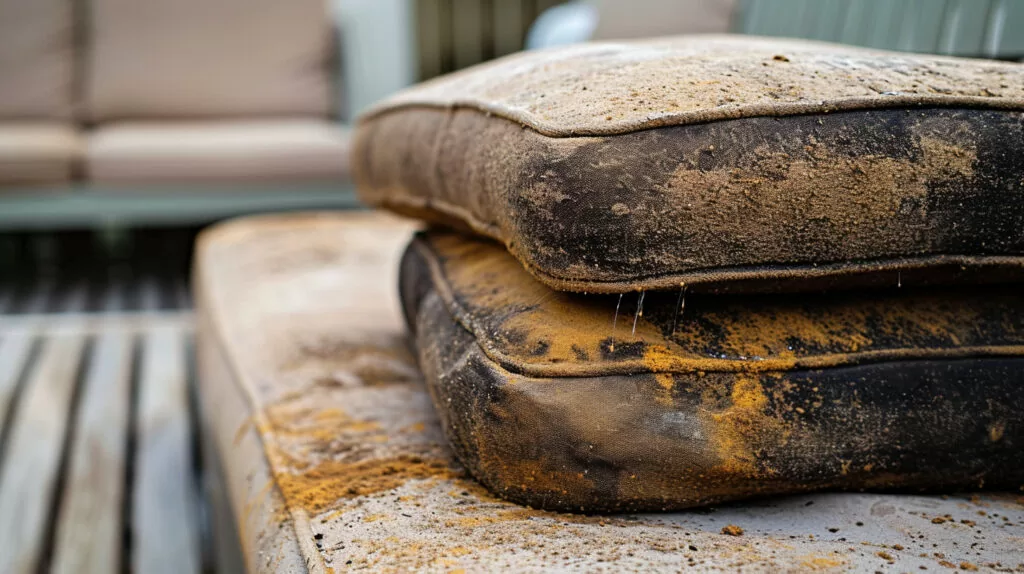
Mildew looks like small, fuzzy spots on furniture surfaces. It often appears in white, gray, or green colors. Check corners and shaded areas carefully. These spots may grow bigger over time. Wood, plastic, and fabric all show mildew differently. Wood may darken or have black patches. Fabric may feel slimy or rough. Plastic can develop tiny dots or stains. Fading paint or discoloration can also mean mildew.
Odor Detection
Mildew has a strong, musty smell. This odor is easy to notice in enclosed spaces. Outdoor furniture under covers or cushions may trap the smell. The scent is similar to damp basements or old towels. If your furniture smells bad without rain, mildew could be the cause. Trust your nose. A bad smell often means mildew is hiding.
Essential Tools And Supplies
Removing mildew from outdoor furniture requires the right tools and supplies. Having these essentials makes the job easier and faster. It also protects your furniture from damage during cleaning.
Gathering proper materials helps you clean thoroughly and safely. Below are the key items needed for mildew removal on summer days.
Cleaning Solutions
Choose cleaning solutions made for mildew removal. Mild detergents mixed with water work well. White vinegar and baking soda are natural options that kill mold effectively. Avoid harsh chemicals that can harm furniture surfaces. Always test a small area first.
Brushes And Cloths
Use soft to medium-bristle brushes to scrub mildew gently. Hard brushes may scratch furniture. Microfiber cloths absorb moisture and dirt efficiently. Have several cloths ready for wiping and drying. A spray bottle helps apply cleaning solutions evenly.
Protective Gear
Wear gloves to protect your hands from cleaning agents and mold. A face mask stops inhaling mildew spores. Safety glasses keep your eyes safe from splashes. Dress in old clothes to avoid stains or damage.
Credit: www.patioproductions.com
Step-by-step Cleaning Process
Removing mildew from outdoor furniture is easier with a clear plan. Follow these steps to clean your furniture safely and effectively. This process helps protect your furniture and keeps it looking fresh all summer.
Pre-cleaning Preparation
Start by moving your furniture to a shaded area. This prevents cleaning solutions from drying too fast. Wear gloves to protect your skin. Sweep or brush off loose dirt and debris. Prepare a bucket with warm water for rinsing.
Applying Cleaning Solutions
Use a mild detergent or a vinegar solution for mildew. Mix one part vinegar with three parts water. Apply the solution evenly to the affected areas. Let it sit for 10 to 15 minutes. This helps break down the mildew spores.
Scrubbing And Rinsing
Use a soft brush or sponge to scrub the surface gently. Focus on the spots with visible mildew. Avoid harsh scrubbing to protect the furniture’s finish. Rinse thoroughly with clean water to remove all residues. Repeat if mildew stains remain.
Drying Techniques
Dry the furniture completely to stop mildew growth. Use a clean towel to wipe off excess water. Leave the furniture in a sunny spot to air dry fully. Ensure all parts, including crevices, are dry before use or storage.
Natural Remedies For Mildew Removal
Natural remedies offer safe and effective ways to remove mildew from outdoor furniture. These methods use common household items that are gentle yet powerful. They help clean without harsh chemicals, making them ideal for summer use. You can keep your furniture fresh and mildew-free with simple ingredients.
Vinegar And Baking Soda
White vinegar is a natural mildew killer. Mix equal parts vinegar and water in a spray bottle. Spray the solution on the mildew spots and let it sit for 10 minutes. Then, sprinkle baking soda on the area and scrub gently with a brush. Rinse with water and let dry. This combo removes mildew and deodorizes the furniture.
Lemon Juice
Lemon juice has natural bleaching and antibacterial properties. Squeeze fresh lemon juice directly on the mildew. Let it sit under the sun for 15 minutes. The sunlight helps boost the cleaning power. Afterward, wipe the area with a damp cloth. Lemon juice leaves a fresh scent and brightens the surface.
Essential Oils
Essential oils like tea tree and lavender fight mildew effectively. Mix 10 drops of essential oil with one cup of water in a spray bottle. Spray the solution on mildew spots and let it dry. These oils stop mildew growth and add a pleasant aroma. Use regularly to keep furniture clean and fresh.
Preventing Mildew Growth
Preventing mildew growth on outdoor furniture keeps your space fresh and inviting. Mildew forms in damp, shaded areas and can damage furniture over time. Simple habits help stop mildew from taking hold. Focus on good placement, cleaning, and protection.
Proper Furniture Placement
Place furniture in sunny spots where air flows well. Sunlight dries moisture and lowers mildew risk. Avoid setting furniture too close to walls or fences. These spots trap dampness and invite mold growth.
Regular Cleaning Schedule
Clean your outdoor furniture often to remove dirt and moisture. Use mild soap and water with a soft brush or cloth. Rinse well and let it dry completely before use. Regular cleaning stops mildew before it starts.
Using Protective Covers
Cover furniture with breathable, waterproof covers when not in use. Covers block rain and dew but allow air circulation. Remove covers during sunny weather to prevent trapped moisture. Proper covers extend furniture life and reduce mildew chances.
Maintaining Outdoor Furniture In Summer
Summer is the perfect time to enjoy outdoor furniture. But sun, rain, and humidity can cause mildew and damage. Maintaining your outdoor furniture keeps it clean and lasts longer. Regular care prevents stains and mold buildup. Simple habits make a big difference in summer.
Seasonal Care Tips
Clean furniture weekly with mild soap and water. Use a soft brush to remove dirt and mildew. Rinse well and dry completely. Avoid harsh chemicals that can damage surfaces. Check for cracks or loose parts and fix them quickly. Cover furniture during heavy rain or storms. Keep cushions dry to stop mold growth.
Storage Solutions
Store furniture indoors or in a shed during extreme weather. Use furniture covers made of breathable fabric. Avoid plastic covers that trap moisture. If space is limited, stack chairs and tables carefully. Keep cushions in waterproof storage bins. Proper storage protects furniture from moisture and sun damage.
Material-specific Advice
Wood furniture needs regular sealing or oiling to prevent drying. Clean with wood-safe cleaners to avoid damage. Metal furniture may rust; remove rust spots and paint as needed. Plastic furniture cleans easily with soap and water. Wicker furniture requires gentle brushing and drying in shade. Follow care instructions for each material type.
:strip_icc()/Clean-Outdoor-Furniture-34bc286d99604bce93f968cc0e060c68.jpg)
Credit: www.bhg.com
Frequently Asked Questions
How Do I Identify Mildew On Outdoor Furniture?
Mildew appears as a patchy, gray or white fuzzy growth on surfaces. It thrives in damp, shaded outdoor areas. Check cushions, wood, and metal parts regularly. Early detection helps prevent permanent damage and keeps furniture safe and clean.
What Household Items Remove Mildew Effectively?
Common items like white vinegar, baking soda, and mild detergent remove mildew well. Vinegar kills spores, baking soda scrubs gently, and detergent cleans dirt. These safe ingredients are eco-friendly and easy to find, making mildew removal simple and affordable.
Can Sunlight Prevent Mildew Growth On Furniture?
Yes, sunlight helps dry moisture and inhibits mildew growth. Place furniture in sunny spots or open areas. Regular exposure reduces dampness, which mildew needs to thrive. However, balance sun exposure to avoid fading or damage to furniture materials.
How Often Should I Clean Outdoor Furniture For Mildew?
Clean outdoor furniture at least once a month during summer. Frequent cleaning removes dirt and moisture buildup that mildew loves. More frequent checks and cleanings may be needed in humid or rainy climates. Consistency ensures furniture stays mildew-free and lasts longer.
Conclusion
Cleaning mildew from outdoor furniture keeps it fresh and safe. Act quickly to stop mildew from spreading. Use gentle cleaners and soft brushes for best results. Let furniture dry fully in the sun to prevent return. Regular checks help catch mildew early.
Enjoy your outdoor space without worry. Simple steps make a big difference in furniture care. Keep your furniture looking great all summer long. Easy maintenance saves time and effort later. Mildew won’t stand a chance with proper care.