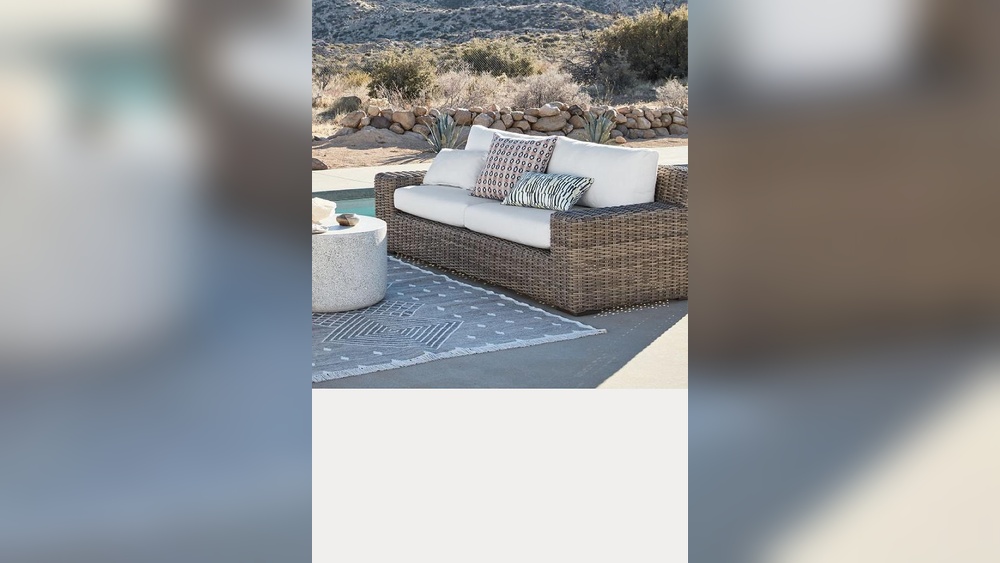
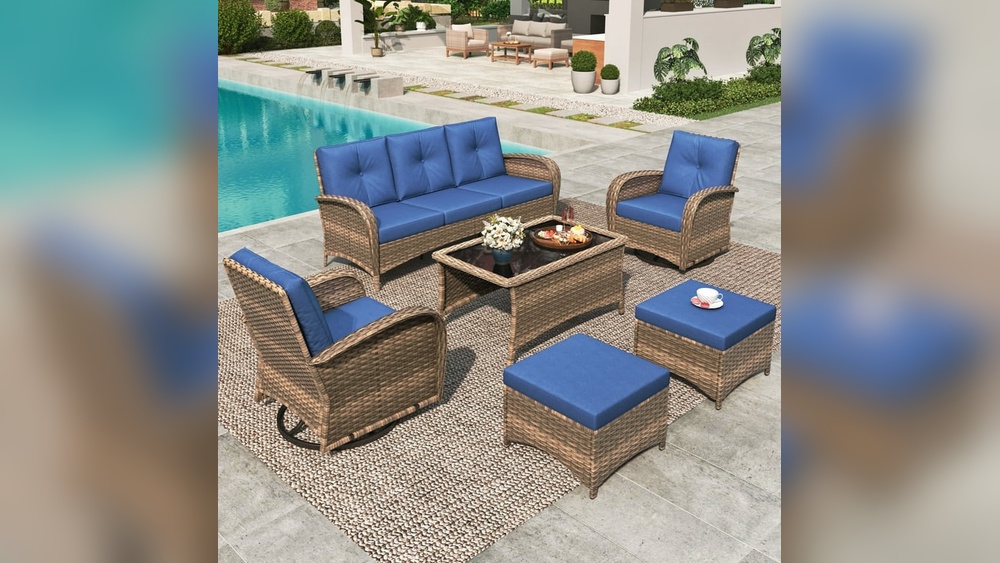
Are you thinking about giving your outdoor furniture a fresh new look but only have indoor paint on hand? You might be wondering if it’s okay to use indoor paint outside.
After all, saving time and money sounds great, but will your furniture hold up against the weather? Before you grab that brush, it’s important to know what could happen if you use the wrong paint. Keep reading, and you’ll discover the key differences between indoor and outdoor paint, plus expert tips to make sure your furniture stays beautiful and durable for seasons to come.
Don’t risk ruining your favorite pieces—learn how to get it right the first time.
:max_bytes(150000):strip_icc()/Interior-Impressions-Woodbury-MN-Amys-Abode-Front-Porch-Exterior-Black-Patio-Furniture-Potted-Flowers-236addca2f1e45338fd089b026a76db6.jpg)
Credit: www.thespruce.com
Indoor Vs Outdoor Paint
Choosing the right paint for your furniture is important. Indoor and outdoor paints serve different purposes. Knowing their differences helps you pick the best option for your project.
Indoor paint suits walls and furniture inside your home. Outdoor paint is made to protect surfaces from the weather. Using the wrong type can cause problems over time.
Key Differences
Indoor paint has softer chemicals and less protection. It focuses on color and finish for indoor air quality. Outdoor paint contains stronger ingredients to resist rain, sun, and temperature changes. It also stops mold and fading better than indoor paint.
Durability Factors
Outdoor paint lasts longer under tough conditions. It sticks well to surfaces that expand and shrink. Indoor paint can peel or crack outside. UV rays break down indoor paint quickly. Moisture can cause indoor paint to bubble or flake. Outdoor paint keeps furniture looking good for years.

Credit: www.grandmashousediy.com
Risks Of Using Indoor Paint Outside
Using indoor paint on outdoor furniture carries several risks. Indoor paints are not made to handle outdoor conditions. This can lead to damage and shorten the life of your furniture. Understanding these risks helps you make a better choice for your outdoor projects.
Weather Impact
Indoor paint cannot resist rain, sun, or cold. Rain can wash away the paint or cause it to bubble. Sunlight breaks down the paint’s color and structure. Cold temperatures may cause the paint to crack. Outdoor paint is designed to handle these conditions better.
Fading And Peeling
Indoor paint fades quickly under strong sunlight. The colors lose their brightness and look dull. Peeling happens because indoor paint does not stick well outside. This makes your furniture look old and worn fast. Outdoor paints have stronger binders to stay on longer.
Mold And Mildew Issues
Outdoor furniture often faces moisture and humidity. Indoor paint can trap moisture under the surface. This creates a perfect place for mold and mildew to grow. Mold damages the paint and the furniture material. Special outdoor paints include ingredients to resist mold and mildew.
Choosing The Right Paint For Outdoor Furniture
Choosing the right paint for outdoor furniture is important to keep it strong and looking good. Outdoor furniture faces sun, rain, and cold. The paint must protect and last long. Not all paints work well outside. Some paints peel or fade fast. This guide helps you pick the best paint and prepare the surface.
Types Of Outdoor Paint
Outdoor paint comes in many types. Acrylic paint works well on wood and metal. It resists water and sun damage. Oil-based paint creates a hard, shiny coat. It lasts long but takes longer to dry. Latex paint is easy to clean and dries fast. It also resists cracking and peeling. Choose paint made for outdoor use. It holds up better than indoor paint.
Surface Preparation Tips
Good surface preparation helps paint stick better. Clean the furniture first. Remove dirt, dust, and old paint flakes. Use sandpaper to smooth rough spots. Sanding also helps paint stick to the surface. Fix cracks or holes with wood filler. Let everything dry before painting. A clean, dry surface makes the paint last longer.
When Indoor Paint Can Work Outdoors
Indoor paint is not designed for outdoor use, but there are times it can work outside. Knowing when it works helps avoid damage and saves money. Some conditions make indoor paint suitable for outdoor furniture.
Indoor paint can handle mild outdoor conditions if used carefully. Understanding these situations keeps your furniture looking good longer.
Short-term Use
Indoor paint can be fine for short-term outdoor projects. For example, furniture used only during dry, mild weather can hold up well. The paint may start to peel or fade after a few weeks. This option works when you do not need long-lasting protection. It is a quick fix for temporary needs.
Covered Or Protected Areas
Using indoor paint on furniture placed under a covered porch or patio can work. These areas protect furniture from rain, sun, and harsh weather. The paint stays intact longer because it faces less wear. Indoors paint may last months or even years in such places. Still, occasional touch-ups might be necessary to keep the look fresh.
Steps To Improve Indoor Paint Performance Outdoors
Using indoor paint on outdoor furniture needs extra care. Indoor paint alone can peel or fade fast outside. Steps exist to make indoor paint last better outdoors. These steps help protect furniture from weather and wear. Follow simple methods to improve paint strength and look.
Priming Techniques
Start by cleaning the furniture surface well. Remove dirt, dust, and old paint flakes. Use a primer made for outdoor use. Primer helps paint stick better and blocks moisture. Apply one or two thin coats of primer. Let each coat dry fully before painting. Priming seals the surface, preventing paint from peeling.
Sealing And Finishing
After painting, apply a clear outdoor sealant. Sealants protect paint from rain, sun, and scratches. Choose a sealant that matches your paint type. Use a brush or spray for even coverage. Apply two or more layers for stronger protection. Let each layer dry before adding the next. Sealing keeps paint fresh and prevents cracking.

Credit: news.yahoo.com
Expert Recommendations
Experts advise caution when using indoor paint on outdoor furniture. Indoor paint lacks certain qualities needed for outdoor durability. Understanding the right steps can save time and effort. Follow their advice to improve your painting results and furniture lifespan.
Best Practices
Choose paint with some weather resistance if using indoor paint outside. Prepare furniture by cleaning and sanding for better paint grip. Apply a primer suitable for outdoor conditions. Use thin, even coats to avoid peeling and cracking. Allow proper drying time between coats. Seal with a clear outdoor topcoat for extra protection. Test a small area first to check adhesion and finish.
Common Mistakes To Avoid
Do not skip surface preparation; dirt and grease reduce paint adhesion. Avoid thick paint layers; they peel faster in outdoor weather. Never paint without a primer; it improves paint bonding. Do not forget to seal the paint; it protects from rain and sun. Avoid using indoor paint on furniture exposed to heavy rain or direct sunlight. Do not rush drying times; incomplete drying weakens the finish.
Frequently Asked Questions
Can Indoor Paint Withstand Outdoor Weather Conditions?
Indoor paint is not designed for outdoor exposure. It lacks UV protection and water resistance, causing it to peel and fade quickly. For lasting results, use outdoor-specific paint that can endure sun, rain, and temperature changes.
Is Indoor Paint Safe For Outdoor Furniture Use?
Indoor paint may contain chemicals not suitable for outdoor wear. It can degrade faster and harm the furniture’s durability. Outdoor paint formulas are safer and more durable for exterior furniture surfaces.
How Does Indoor Paint Affect Outdoor Furniture Durability?
Indoor paint tends to crack and chip under outdoor stress. It doesn’t resist moisture and sunlight well, reducing furniture lifespan. Using outdoor paint enhances protection and maintains furniture quality longer.
Can I Seal Indoor Paint On Outdoor Furniture?
Sealing indoor paint outdoors can help temporarily, but it won’t fully protect against weather damage. A proper outdoor paint with built-in protection is a better choice for durability.
Conclusion
Using indoor paint on outdoor furniture can cause problems over time. Indoor paint lacks protection against weather and sunlight. Outdoor furniture needs paint that resists moisture and fading. Choosing the right paint helps your furniture last longer. Save money and effort by picking outdoor-specific paint.
Remember, good paint keeps your furniture looking fresh and strong. Think about durability before starting your painting project. This small step makes a big difference in the end.