Are you wondering whether to paint or stain your outdoor wood furniture? It’s a choice that can change the look and life of your pieces.
You want your furniture to look great and last longer, but picking the right finish can feel confusing. Should you go for bold color or natural beauty? This article will help you make a clear decision by showing the pros and cons of both painting and staining.
By the end, you’ll know exactly what’s best for your furniture and how to protect it from the elements. Keep reading to discover which option fits your style and needs perfectly.
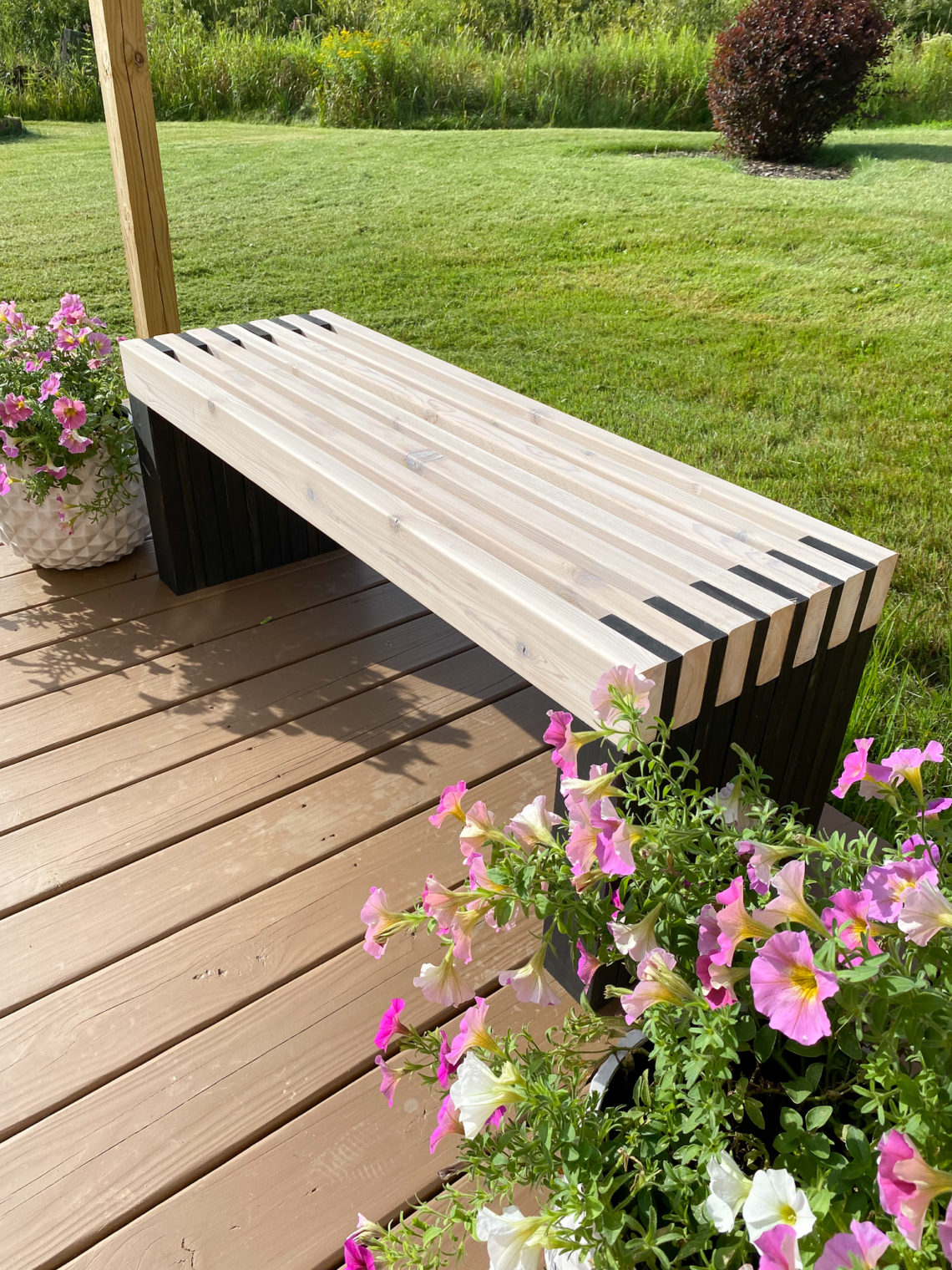
Credit: www.thehandcraftedhaven.com
Benefits Of Painting Outdoor Wood
Painting outdoor wood furniture offers many benefits. It protects the wood from weather damage. It also allows you to change the look of your furniture easily. Painting can keep your furniture looking fresh and new for years.
Durability And Protection
Paint creates a strong barrier on wood. It stops water from soaking in. This prevents wood from rotting and warping. Paint also shields wood from sun damage. It helps keep the furniture from cracking. This makes painted furniture last longer outdoors.
Color Options And Aesthetic Appeal
Paint comes in many colors and finishes. You can choose bright or soft colors. This lets you match your furniture to your style. Painted furniture stands out and looks neat. You can change colors anytime with a new coat of paint.
Maintenance Requirements
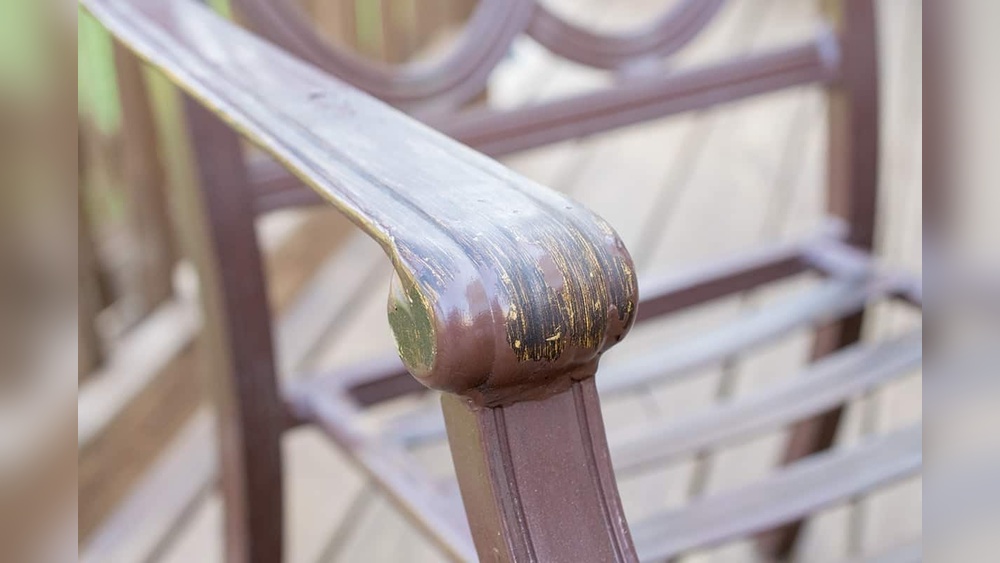
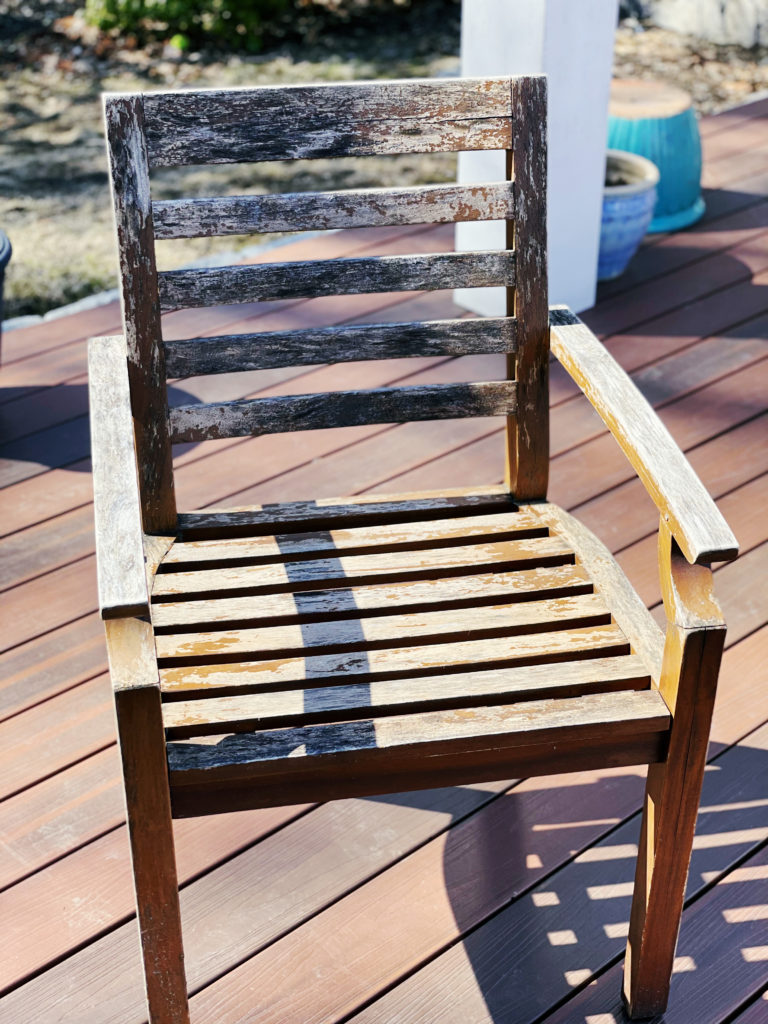
Painted furniture needs less frequent care. You only need to clean it with mild soap and water. If paint chips or peels, a quick touch-up fixes it. This keeps your furniture looking smooth and clean. Regular painting every few years keeps it protected.
Credit: whitneysowles.com
Advantages Of Staining Outdoor Wood
Staining outdoor wood furniture offers many benefits. It helps protect the wood while showing its natural beauty. Stains soak into the wood and keep it strong against the weather. Choosing to stain your furniture can keep it looking fresh and natural for years.
Stains come in many colors and styles. They allow the wood grain to shine through, giving a warm and rich look. Stains also make maintenance easier than paint. They help keep your furniture safe from sun, rain, and dirt.
Enhancing Natural Wood Grain
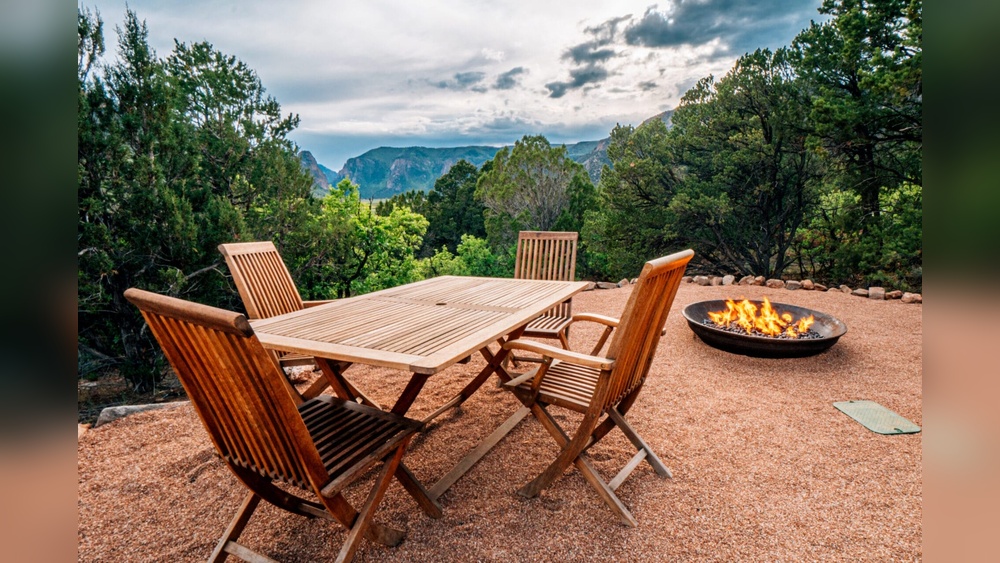
Stains highlight the wood’s natural patterns and textures. The grain stays visible and adds character to your furniture. This keeps your pieces looking unique and classic. Paint covers the grain, but stain lets the wood show its true beauty.
Weather Resistance
Stains protect wood from moisture, sun, and temperature changes. They prevent cracking, warping, and rotting. Many stains have UV blockers to stop sun damage. This helps your furniture last longer outside without losing color or strength.
Ease Of Application And Touch-ups
Staining is simple and quick to apply. It does not require sanding or stripping old layers first. Touch-ups are easy because stains blend well with existing finishes. This saves time and effort when keeping your furniture in top shape.
Factors To Consider Before Choosing
Choosing between paint and stain for outdoor wood furniture needs careful thought. This decision affects the furniture’s look, protection, and lifespan. Consider key factors before starting your project. These points help pick the best option for your wood pieces.
Type Of Wood
Different woods react differently to paint or stain. Softwoods like pine absorb stain quickly but may need more paint coats. Hardwoods such as teak or cedar have natural oils. These oils can resist paint adhesion but accept stain well. Knowing your wood type guides the right finish choice.
Exposure To Elements
Sun, rain, and wind impact wood furniture outside. Paint creates a thick barrier that blocks water and sun damage. Stain soaks into wood and lets it breathe, reducing peeling. Areas with heavy rain or intense sun may benefit from paint. Mild climates often suit stain better.
Desired Look And Feel
Paint offers solid, bright colors and covers wood grain completely. Stain enhances the natural grain and texture, showing wood’s beauty. Choose paint for a bold, uniform look. Opt for stain to keep a natural, rustic style. The finish affects your furniture’s style and mood.
Preparation Steps For Painting
Preparation is key before painting outdoor wood furniture. Proper steps help paint stick well and last longer. Skipping preparation can cause peeling and uneven color. Follow these steps for a smooth, durable finish.
Cleaning And Sanding
Start by cleaning the furniture. Remove dirt, dust, and old paint flakes. Use a mild soap and water solution. Rinse well and let it dry completely. Next, sand the surface with medium-grit sandpaper. Sanding smooths rough areas and helps paint bond better. Wipe away dust after sanding.
Priming The Surface
Apply a primer designed for outdoor wood. Primer seals the wood and blocks stains. It creates a strong base for the paint. Use a brush or roller to cover all areas. Let the primer dry fully before painting.
Choosing The Right Paint
Select paint made for outdoor wood furniture. Look for weather-resistant and flexible formulas. These paints protect against sun and rain damage. Choose a paint with the finish you want, like satin or semi-gloss. Proper paint choice boosts durability and appearance.
Preparation Steps For Staining
Preparing wood furniture for staining is important for good results. Proper preparation helps the stain soak in evenly and last longer. It also protects the wood from damage.
Follow these simple steps before you start staining your outdoor wood furniture. Clean wood takes stain better. Smooth wood shows color more clearly. Sealant keeps the finish safe from weather.
Cleaning And Sanding
Start by cleaning the furniture to remove dirt and old finish. Use a mild soap and water solution. Scrub gently with a soft brush. Let the wood dry completely.
Next, sand the surface to remove rough spots. Use fine-grit sandpaper for a smooth finish. Sand along the grain of the wood. This helps the stain absorb evenly.
Selecting The Stain Type
Choose a stain made for outdoor wood. Oil-based stains penetrate deeply and last longer. Water-based stains dry faster and have less odor. Pick a color that matches your style and wood type.
Test the stain on a small hidden area first. This shows how the color will look. Adjust your choice before staining the whole piece.
Applying Sealant For Protection
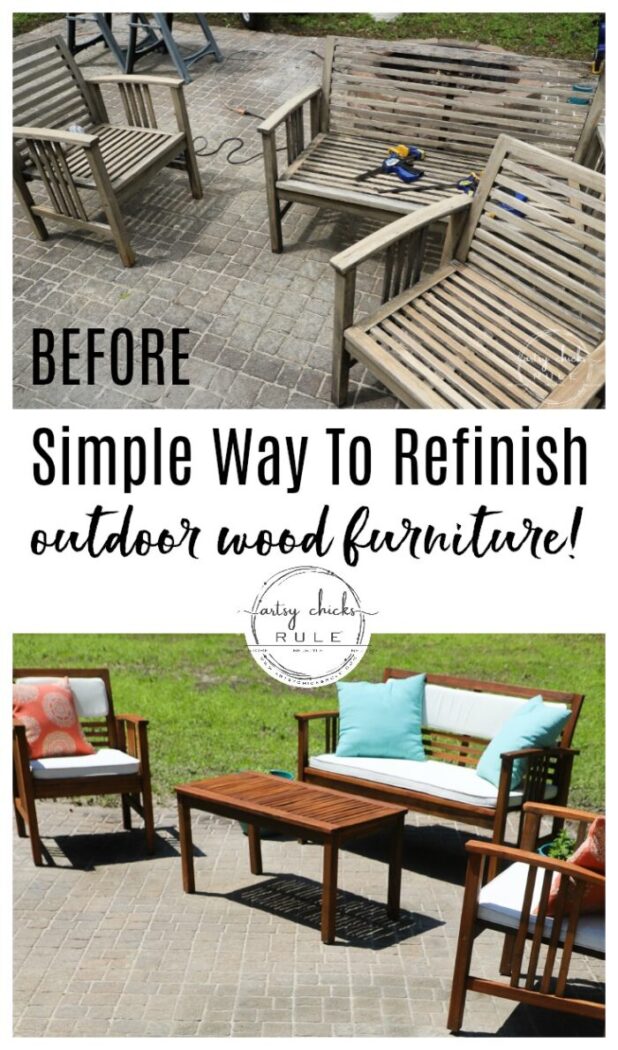
After staining, apply a clear sealant to protect the wood. Sealants block water and UV rays. Use a sealant designed for outdoor use.
Apply evenly with a brush or spray. Let it dry fully before using the furniture. Reapply sealant every year for best protection.
Credit: www.artsychicksrule.com
Common Mistakes To Avoid
Choosing between paint and stain for outdoor wood furniture can be tricky. Many make mistakes that shorten the life of their wood. Avoiding common errors helps keep your furniture beautiful and strong. Here are some key mistakes to watch out for.
Ignoring Wood Condition
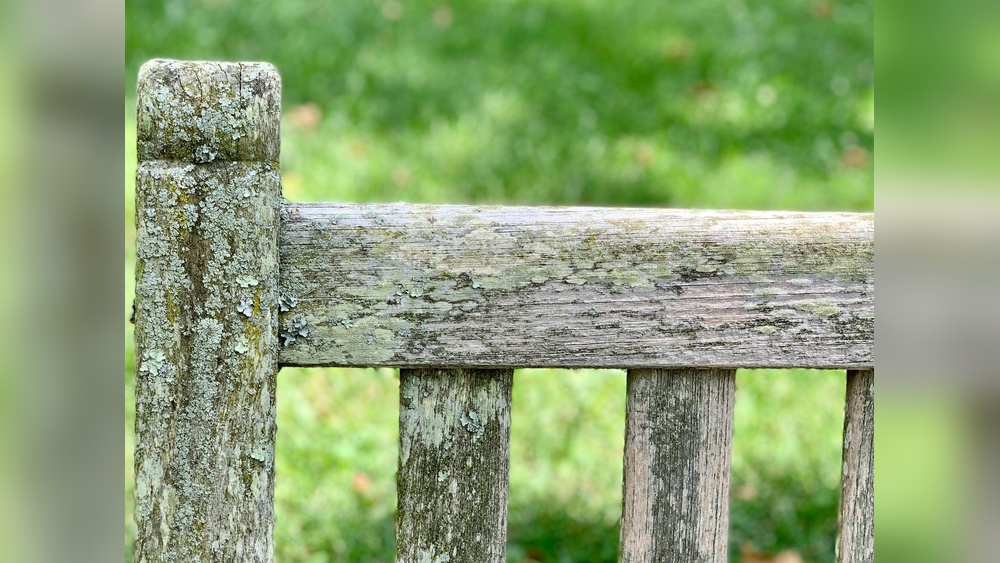
Starting with damaged or dirty wood causes poor results. Check for cracks, rot, or mold before applying paint or stain. Clean the surface thoroughly. Dry wood holds paint or stain better. Ignoring wood condition leads to peeling and fading.
Skipping Proper Preparation
Many skip sanding or cleaning the wood surface. This step helps paint or stain stick well. Rough or oily surfaces cause uneven color and flaking. Use sandpaper to smooth the wood. Remove dust and dirt before applying finish.
Using Incorrect Products
Not all paints or stains suit outdoor wood. Choose products made for exterior use. Some paints trap moisture, causing wood to swell. Some stains do not protect from UV rays. Using wrong products reduces wood protection and lifespan.
Expert Tips For Longevity
Protecting outdoor wood furniture extends its life and keeps it looking good. Simple expert tips help maintain its beauty and strength. Regular care and timely treatment prevent damage from weather and wear. Follow these easy steps to make your furniture last longer.
Regular Maintenance
Clean wood furniture often with a soft brush or cloth. Remove dirt, dust, and debris that can cause damage. Check for cracks or peeling paint and fix them quickly. Use mild soap and water to wash the surface gently. Avoid harsh chemicals that can harm the wood or finish.
Seasonal Care Advice
Prepare furniture for changing weather each season. Cover or move it inside during heavy rain or snow. Use waterproof covers to protect from moisture and sun. In dry seasons, apply wood oil or conditioner to prevent drying. Keep furniture away from direct ground contact to avoid rot.
Reapplication Timing
Reapply paint or stain every 1-3 years depending on exposure. Watch for fading, cracking, or peeling to know when to treat. Light sanding before reapplying helps the new finish stick better. Choose products made for outdoor use to ensure strong protection. Timely reapplication saves money and extends furniture life.
Frequently Asked Questions
What Are The Benefits Of Painting Outdoor Wood Furniture?
Painting protects wood from moisture, UV rays, and insects. It offers a smooth, colorful finish that enhances appearance. Painted surfaces are easier to clean and maintain. It also helps to hide imperfections and prolongs furniture lifespan outdoors.
How Does Staining Differ From Painting Wood Furniture?
Staining penetrates the wood, highlighting natural grain and texture. It offers a more natural look compared to paint. Stain provides protection against moisture and sun damage but allows wood to breathe. Stains require less prep but may need more frequent reapplication.
Which Lasts Longer: Paint Or Stain On Outdoor Wood?
Paint generally lasts longer, providing a thicker protective layer. It resists chipping, peeling, and fading better than stain. However, high-quality stains with sealants can also offer durable protection. Longevity depends on wood type, weather exposure, and maintenance frequency.
Can I Switch From Paint To Stain On Wood Furniture?
Yes, but you must remove all paint thoroughly. Sanding or chemical strippers ensure stain adhesion. Staining over paint can cause peeling and uneven color. Proper surface prep is essential for a smooth, lasting finish.
Conclusion
Choosing between paint and stain depends on your wood and style needs. Paint offers bright colors and strong protection but may peel over time. Stain shows the wood’s natural beauty and soaks in well but might need more frequent care.
Think about how much effort you want to spend on maintenance. Also, consider how your outdoor space looks and what fits best. Both options can keep your furniture safe and attractive. The final choice rests on your taste and how long you want it to last.