Are you thinking about building your own outdoor furniture? Pressure treated wood might be sitting right there in your backyard or local store, tempting you as a budget-friendly option.
But can you really trust it to stand up to the weather and last for years outside? Before you start cutting and assembling, it’s important to know the facts about using pressure treated wood for your outdoor projects. Keep reading, and you’ll discover what makes this wood special, its pros and cons, and how to make your furniture both strong and safe.
Your perfect outdoor setup could be closer than you think!
Benefits Of Pressure Treated Wood
Pressure treated wood offers many benefits for outdoor furniture. It is a popular choice because it lasts long and handles tough conditions well. This wood type stands strong against nature’s challenges, making it ideal for gardens, patios, and decks.
Using pressure treated wood helps you save money and avoid frequent repairs. Its special treatment keeps it safe from bugs and decay. These qualities make it a smart pick for outdoor projects.
Durability Against Weather
Pressure treated wood resists rain, sun, and snow. It does not warp or crack easily. This wood holds its shape even in harsh weather. Furniture made from it stays sturdy year after year.
Resistance To Insects And Rot
The wood is treated with chemicals that stop bugs. Termites and other insects avoid it. It also resists rot caused by moisture. This keeps furniture strong and safe for a long time.
Cost-effectiveness Compared To Other Woods
Pressure treated wood costs less than many hardwoods. It offers good quality for a lower price. You spend less on repairs and replacements. This makes it a budget-friendly option for outdoor furniture.
Choosing The Right Pressure Treated Wood
Choosing the right pressure treated wood is key for durable outdoor furniture. The wood must resist moisture, insects, and decay. Picking the correct type and grade ensures your furniture lasts long outdoors. Quality also affects the wood’s appearance and strength.
Types Of Pressure Treatments
Pressure treated wood comes with different chemical treatments. Common types include alkaline copper quaternary (ACQ) and copper azole (CA). These chemicals protect wood from rot and bugs. Some treatments are safer for outdoor furniture than others. Choose one made for residential use and outdoor exposure.
Grade And Quality Considerations
Wood grade shows its strength and appearance. Higher grades have fewer knots and defects. Furniture benefits from clear or select grades for smooth finishes. Lower grades may warp or crack faster. Also, check for wood moisture content. Dry wood performs better and lasts longer outside.
Sourcing From Reputable Suppliers
Buy pressure treated wood from trusted suppliers. They ensure proper treatment and quality control. Reputable sources provide certified wood that meets safety standards. Avoid buying untreated or poorly treated wood. Properly sourced wood guarantees your furniture stays safe and strong outdoors.
Designing Outdoor Furniture With Pressure Treated Wood
Designing outdoor furniture with pressure treated wood offers many benefits. This wood is strong, weather-resistant, and affordable. It can last for years in harsh outdoor conditions. Crafting furniture from this material allows for creativity and durability. This section explores popular styles, key structure tips, and ways to add comfort and function.
Popular Furniture Styles
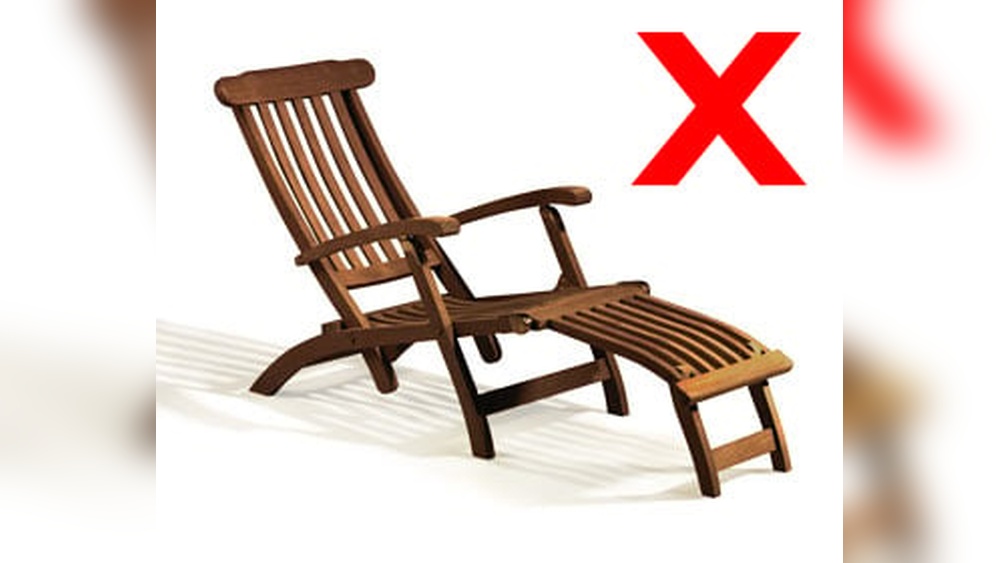
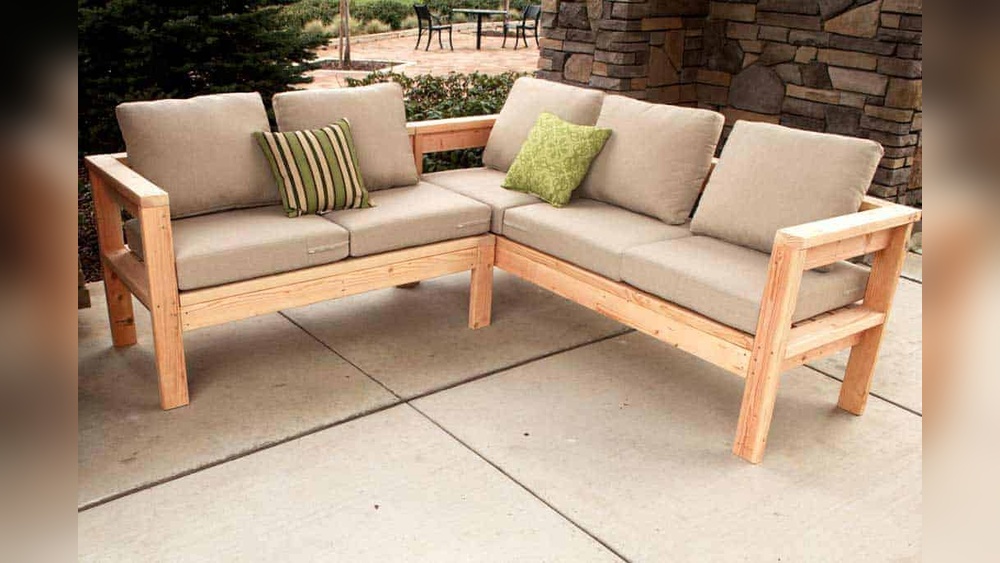
Pressure treated wood suits many outdoor furniture styles. Classic picnic tables and benches are common choices. Simple chairs and loungers also work well. Rustic designs highlight the wood’s natural look. Modern pieces can be made with clean lines and smooth finishes. Mixing styles lets you create unique outdoor spaces.
Structural Considerations
Strong joints and supports are vital for pressure treated wood furniture. Use galvanized or stainless steel fasteners to avoid rust. Make sure the frame is stable and balanced. Keep wood pieces dry before assembly to reduce warping. Seal all cut edges to protect from moisture. Proper structure ensures long-lasting, safe furniture.
Incorporating Comfort And Functionality
Comfort is key for outdoor furniture. Add cushions made from weather-resistant fabrics. Curved backs and armrests improve relaxation. Include storage options like under-seat compartments. Design pieces to be easy to move and clean. Combining comfort with function makes your furniture inviting and useful.

Credit: www.reddit.com
Cutting And Assembling Tips
Cutting and assembling pressure treated wood for outdoor furniture needs care and the right methods. Proper techniques ensure the wood lasts long and stays strong. Follow simple tips to make your project easier and safer.
Safety Precautions When Handling
Wear gloves to protect your skin from chemicals. Use a dust mask to avoid breathing sawdust. Work in a well-ventilated area to reduce fumes. Keep your eyes safe with goggles. Clean tools after use to prevent chemical buildup.
Best Tools For Cutting And Shaping
Use a sharp circular saw for straight cuts. A miter saw works well for angled cuts. Sand edges smooth with a sanding block or electric sander. A drill helps make clean holes. Choose stainless steel or coated blades to avoid rust.
Joining Techniques For Strength
Use outdoor-rated screws for strong connections. Pre-drill holes to prevent wood splitting. Apply waterproof wood glue for extra hold. Use corner brackets for added stability. Tighten screws firmly but avoid over-tightening.
Finishing And Maintenance
Finishing and maintenance play a big role in the life of outdoor furniture made from pressure treated wood. Proper care keeps the wood strong and looking good for years. It also protects against damage from water, sun, and bugs. Let’s explore the key steps to maintain your outdoor furniture.
Sealing And Staining Options
Sealing pressure treated wood locks out moisture and stops cracking. Use a good quality wood sealer designed for outdoor use. Stains add color and extra protection. Choose a stain with UV protection to prevent fading. Apply the sealer or stain with a brush or sprayer. Let it dry completely before using the furniture.
Regular Cleaning Practices
Clean your furniture often to remove dirt and mold. Use a mild soap and water solution with a soft brush. Avoid harsh chemicals that can damage the wood surface. Rinse well and let the furniture dry in the sun. Regular cleaning prevents build-up that can cause wood to rot or stain.
Protecting Against Weather Damage
Cover furniture during heavy rain or snow to reduce weather damage. Use waterproof covers that fit snugly but allow air flow. Store furniture indoors or in a sheltered space during winter months. Check for signs of damage like cracks or splinters and repair them quickly. Taking these steps helps your furniture last longer outdoors.
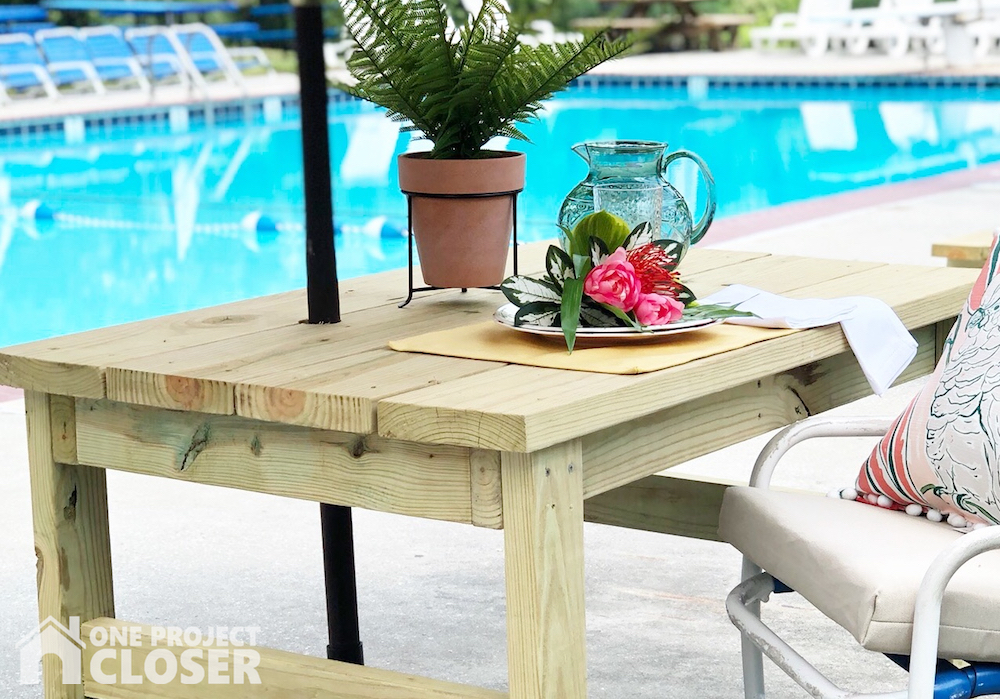
Credit: www.oneprojectcloser.com
Common Challenges And Solutions
Making outdoor furniture from pressure treated wood offers durability and resistance to insects. Yet, it comes with some common challenges. These problems can affect the wood’s look and strength over time. Understanding these issues helps keep your furniture in good shape. Below are typical challenges and practical solutions to handle them.
Dealing With Splitting And Warping
Pressure treated wood can split or warp as it dries unevenly. This happens because moisture escapes faster from some areas than others. To reduce splitting, seal all wood surfaces with a water-resistant finish. Store wood flat and avoid direct sunlight during the drying process. Using stainless steel screws instead of nails also helps prevent damage.
Preventing Mold And Mildew
Outdoor wood often faces mold and mildew growth in damp or shaded areas. These fungi weaken the wood and cause stains. Clean the furniture regularly using a mild detergent and water. Apply a mold-resistant sealant to stop fungal growth. Ensure good airflow around furniture by placing it away from walls or bushes.
Repairing Damaged Sections
Small cracks and holes can appear over time on pressure treated wood. Fix these by cleaning the damaged area first. Use wood filler made for outdoor use to fill gaps or holes. Sand the surface smooth after the filler dries. Reapply sealant or paint to protect the repair from weather damage.
Environmental And Health Considerations
Choosing pressure treated wood for outdoor furniture involves thinking about health and the environment. This wood is popular because it lasts longer outside. Still, it uses chemicals that protect it from bugs and rot. These chemicals can affect people and nature if not handled right. Understanding these effects helps you make safe and smart choices for your outdoor space.
Safety Of Pressure Treated Wood For Furniture
Pressure treated wood contains chemicals like copper and arsenic. These keep bugs and fungi away. The chemicals are inside the wood, but some can come out over time. Touching or cutting the wood may expose you to these chemicals. Always wear gloves and masks when working with it. Avoid using it for furniture where food is served or for children’s play areas.
Disposal And Recycling Tips
Throwing away pressure treated wood needs care. Do not burn it, as toxic smoke can form. Take it to a special waste facility that handles treated wood. Recycling options are limited but check local programs. Some places chip the wood for use in construction or landscaping. Proper disposal helps keep soil and water clean.
Eco-friendly Alternatives
There are safer choices for outdoor furniture wood. Cedar and redwood resist rot naturally. Bamboo is strong and grows fast, making it eco-friendly. Recycled plastic lumber offers durability without chemicals. These options protect your health and the planet. Consider them to build safe and green outdoor furniture.
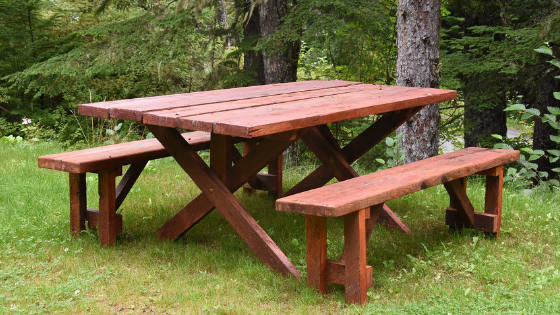
Credit: www.fouroakscrafts.com
Frequently Asked Questions
Is Pressure Treated Wood Safe For Outdoor Furniture?
Yes, pressure treated wood is safe for outdoor furniture. It resists rot, insects, and weather damage, making it durable. Always seal or paint it to enhance longevity and prevent chemical exposure.
How Long Does Pressure Treated Wood Last Outside?
Pressure treated wood typically lasts 15-20 years outdoors. Proper sealing and maintenance can extend its lifespan. Regular cleaning and refinishing help prevent decay and keep furniture strong.
Can You Paint Or Stain Pressure Treated Wood Furniture?
Yes, you can paint or stain pressure treated wood furniture. Wait until the wood is completely dry, usually a few weeks. This ensures proper adhesion and a smooth, lasting finish.
Does Pressure Treated Wood Require Special Maintenance?
Pressure treated wood needs regular maintenance like sealing and cleaning. This prevents moisture absorption and prolongs furniture life. Inspect for cracks or splinters and address them promptly.
Conclusion
Pressure treated wood works well for outdoor furniture. It resists rot and insects. This wood lasts longer than untreated wood. You can build sturdy tables, chairs, and benches. Always sand and seal the wood for safety and style. Regular maintenance helps keep furniture looking nice.
Choose pressure treated wood for budget-friendly, durable outdoor pieces. It’s a smart choice for many DIY projects. Enjoy crafting furniture that stands up to weather. Durable, affordable, and easy to work with—pressure treated wood fits outdoor needs.