
You want your outdoor wood furniture to look great and last for years, right? Choosing the right stain can make all the difference.
But with so many options out there, it’s easy to feel overwhelmed. What stain will protect your furniture from sun, rain, and wear? Which one will bring out the natural beauty of the wood? You’ll discover exactly what stain to use to keep your outdoor pieces looking fresh and strong.
Keep reading to find the simple secrets that will save you time, money, and frustration. Your furniture deserves the best — and so do you.
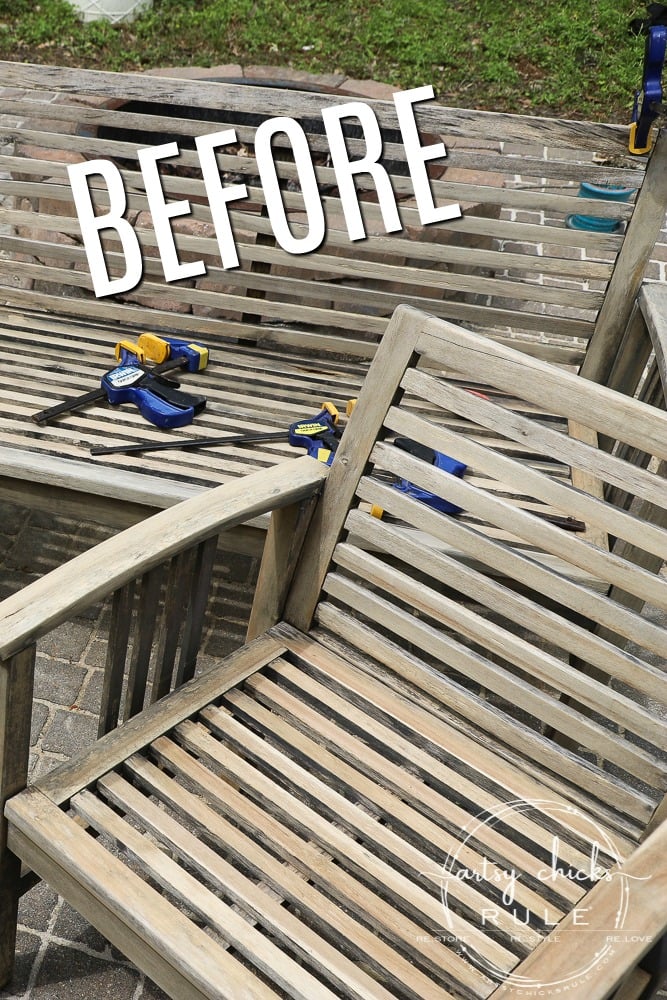
Credit: www.artsychicksrule.com
Types Of Outdoor Wood Stains
Choosing the right stain for outdoor wood furniture is key to protecting it from sun, rain, and wear. Different stains offer various levels of color and protection. Understanding the types helps pick the best one for your needs. This section explains the main types of outdoor wood stains.
Transparent Stains
Transparent stains show the wood’s natural grain and texture. They add a light tint but keep the wood’s original look. These stains offer basic protection from water and sun damage. Ideal for new or well-maintained wood that needs a natural look.
Semi-transparent Stains
Semi-transparent stains add color while still letting the wood grain show through. They protect better than transparent stains by blocking some UV rays. These stains balance color and wood texture. Good for older wood that needs some color and protection.
Solid Stains
Solid stains cover the wood completely with a rich color. They hide imperfections and provide strong protection from sun and moisture. These stains look like paint but keep the wood grain slightly visible. Best for weathered or rough wood needing full coverage.
Water-based Vs Oil-based Stains
Water-based stains dry quickly and have low odor. They clean up easily with soap and water. These stains resist fading and stay clear over time. Oil-based stains penetrate deeply, offering long-lasting protection. They may darken wood slightly and take longer to dry.
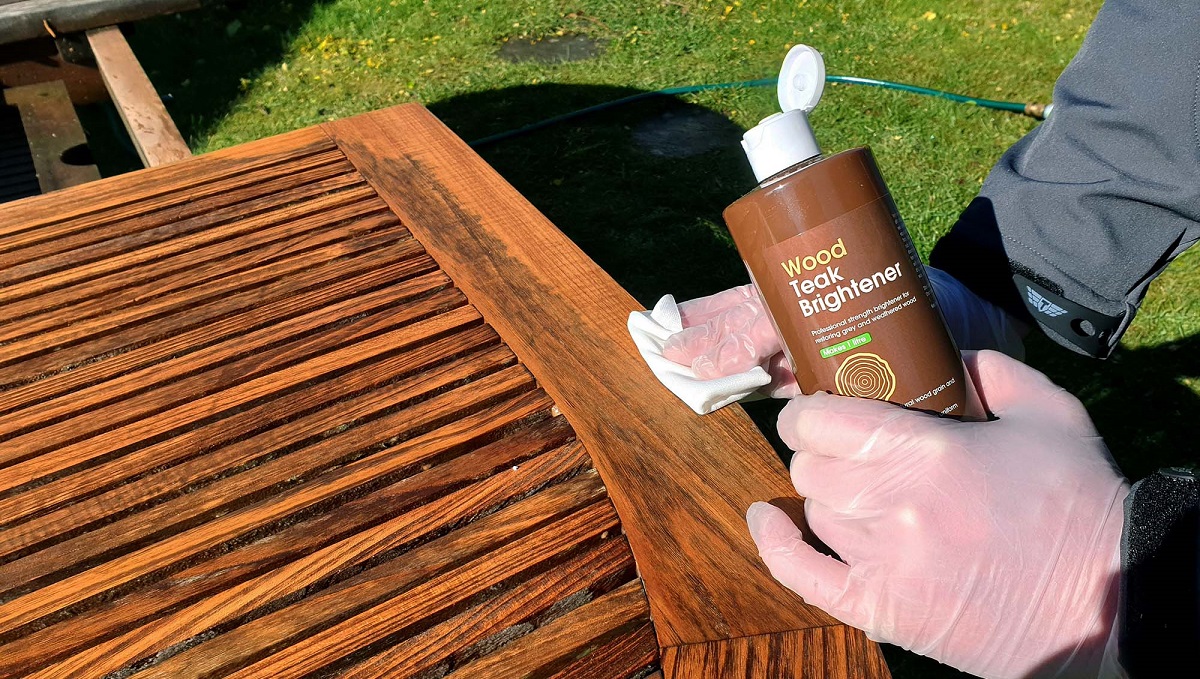
Credit: www.furnitureclinic.co.uk
Factors Affecting Stain Choice
Choosing the right stain for outdoor wood furniture depends on several important factors. These factors help protect the wood and keep it looking good for a long time. Understanding them can save you time and money. It also ensures your furniture stays strong and beautiful in different conditions.
Wood Type And Grain
Different woods absorb stain in different ways. Softwoods like pine soak up stain faster than hardwoods like teak. The grain pattern also affects how the stain looks. Open-grain woods show more texture. Closed-grain woods have a smoother finish. Knowing your wood type helps pick the best stain for a natural look.
Climate And Weather Conditions
Climate plays a big role in stain choice. Areas with heavy rain or snow need stains that resist water. Dry, hot climates need stains that protect against cracking and fading. Some stains have additives to handle harsh weather. Choose a stain designed for your local climate to protect your furniture well.
Sun Exposure And Uv Protection
Sunlight can damage wood over time. UV rays cause colors to fade and wood to dry out. Stains with UV blockers help prevent this damage. Darker stains often offer better UV protection. Consider how much direct sun your furniture gets before picking a stain. This keeps colors bright and wood strong.
Moisture Resistance Needs
Outdoor furniture faces moisture from rain, dew, and humidity. Moisture can cause wood to swell, crack, or rot. Water-resistant stains create a barrier that blocks moisture. Some stains also allow wood to breathe, preventing mold and mildew. Choose a stain with good moisture resistance for lasting protection.
Benefits Of Each Stain Type
Choosing the right stain for outdoor wood furniture matters. Different stain types offer unique benefits. These benefits affect how your furniture looks, lasts, and feels. Understanding these helps pick the best stain for your needs.
Enhancing Natural Wood Appearance
Some stains highlight wood grain beautifully. Transparent stains keep the natural look clear. They bring out wood’s patterns and texture. Semi-transparent stains add color but still show grain. Solid stains cover wood but protect it well. Each type changes wood’s look in its way.
Durability And Longevity
Oil-based stains protect wood deeply. They resist water and sun damage. Water-based stains dry fast and resist cracking. Solid stains block sunlight well and prevent fading. Some stains include UV blockers. They keep wood strong for years outdoors.
Ease Of Application And Maintenance
Water-based stains clean up with soap and water. They dry quickly and are easy to apply. Oil-based stains need mineral spirits for cleanup. Solid stains may require more coats. Some stains need yearly touch-ups. Others last longer with less work.
Color Options And Customization
Transparent stains have few color choices but look natural. Semi-transparent stains come in many wood tones. Solid stains offer the widest color range. They allow full customization of furniture color. Stains can create a look from subtle to bold.
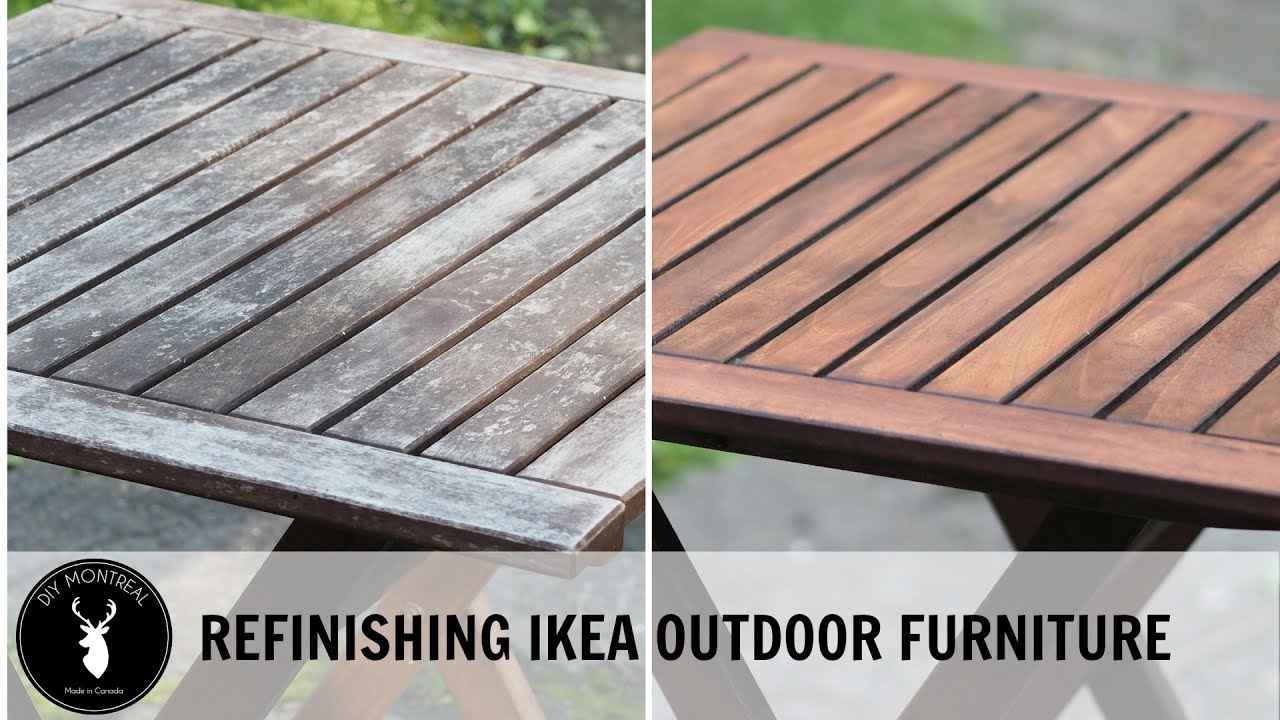
Credit: www.youtube.com
Preparing Wood For Staining
Preparing wood for staining is a key step in protecting outdoor furniture. Proper preparation helps the stain stick well and last longer. It also brings out the natural beauty of the wood. This process takes time but improves the final look and durability of your furniture.
Cleaning And Sanding
Start by cleaning the wood surface. Remove dirt, dust, and old paint or stain. Use a mild soap and water solution with a soft brush. Let the wood dry completely before sanding.
Sand the surface to smooth rough spots. Use medium-grit sandpaper first, then fine-grit for a smooth finish. Sand in the direction of the wood grain. This helps the stain absorb evenly.
Repairing Damages
Check the wood for cracks, holes, or splinters. Fill small holes with wood filler. Let it dry, then sand smooth. Replace or fix any broken parts to keep the furniture strong. This step prevents further damage and ensures a clean stain job.
Choosing The Right Tools
Select quality brushes or staining pads for even application. Use natural-bristle brushes for oil-based stains. Foam brushes or cloths work well for water-based stains. Have sanding blocks and clean rags ready for touch-ups. Good tools make the job easier and the finish better.
Applying Stain Like A Pro
Applying stain to outdoor wood furniture can seem hard. The right steps make the process easy. A smooth, even finish protects your furniture and brings out its natural beauty. Follow clear instructions to achieve a professional look without stress. This section covers the main steps, helpful tips, and drying times for the best results.
Step-by-step Application Process
Start by cleaning the wood surface. Remove dirt and old finishes with sandpaper or a brush. Use a cloth to wipe away dust. Stir the stain well before use. Apply the stain with a brush or cloth, following the wood grain. Work in small sections. Let the stain sit for a few minutes, then wipe off extra with a clean cloth. Repeat if a darker color is needed.
Tips For Even Coverage
Use long, smooth strokes for a uniform look. Avoid overlapping wet areas to prevent blotches. Keep a wet edge while staining. Apply thin coats instead of thick ones. Test the stain on a hidden spot first. Work in shaded areas to avoid quick drying. Clean brushes and rags often to stop clumps. Patience gives the best finish.
Drying Time And Recoat Guidelines
Let the stain dry fully before touching. Drying time depends on temperature and humidity. Usually, wait 24 hours for the first coat. Check the label for exact times. Apply a second coat if needed for deeper color. Wait the same time before adding any sealant. Proper drying protects wood and keeps stain lasting longer.
Maintaining Outdoor Wood Furniture
Maintaining outdoor wood furniture keeps it beautiful and long-lasting. Wood faces sun, rain, dirt, and insects every day. Without care, it can crack, fade, or rot. Proper upkeep preserves the wood’s natural charm and strength. Simple steps can protect your furniture and save money over time.
Regular Cleaning Tips
Clean wood furniture often to remove dust and dirt. Use a soft brush or cloth with mild soap and water. Avoid harsh chemicals that can damage the wood. Rinse well and let the furniture dry completely. Cleaning prevents buildup that harms the wood surface.
When To Reapply Stain
Check the wood’s color and texture regularly. If the stain looks faded or worn, it’s time to reapply. Usually, this happens every 1 to 3 years. Sand the surface lightly before staining for better adhesion. Fresh stain protects wood from moisture and sun damage.
Protecting Against Mold And Mildew
Keep furniture dry and well-ventilated to stop mold growth. Use a mixture of vinegar and water to clean any mold spots. Avoid placing furniture on damp ground or near plants. Good airflow and sunlight reduce mold and mildew risks effectively.
Common Mistakes To Avoid
Choosing the right stain for outdoor wood furniture is important. Many people make mistakes that reduce the wood’s beauty and protection. Avoiding common errors can help your furniture last longer and look better.
Choosing The Wrong Stain
Not all stains work well outdoors. Some stains cannot handle sun and rain. Using indoor stains on outdoor wood causes peeling and fading. Pick stains made for outdoor use only. They protect wood from moisture and UV rays. Check the label before buying.
Skipping Surface Preparation
Surface preparation is key for good stain results. Dirt, old paint, and rough spots stop the stain from sticking. Clean the wood well before staining. Sanding smooths the surface and opens wood pores. This helps the stain soak in evenly. Skipping this step leads to blotchy and weak finish.
Ignoring Weather Conditions During Application
Weather affects how stains dry and cure. Applying stain on hot, sunny days makes it dry too fast. Cold or rainy weather slows drying and causes blotches. Choose a dry day with mild temperature for staining. Avoid windy days to prevent dust on wet stain.
Frequently Asked Questions
What Type Of Stain Is Best For Outdoor Wood Furniture?
A penetrating oil-based stain is best for outdoor wood furniture. It protects against moisture and UV damage. It also enhances the wood’s natural grain. This stain type lasts longer and requires less maintenance.
How Long Does Outdoor Wood Stain Typically Last?
Outdoor wood stain typically lasts 2 to 5 years. Durability depends on stain type, weather exposure, and maintenance. Reapplication is needed when color fades or wood looks dry. Regular upkeep extends the stain’s lifespan.
Can I Use Interior Wood Stain Outdoors?
Interior wood stains are not suitable for outdoor use. They lack UV protection and water resistance. Using them outdoors can cause peeling and wood damage. Always choose stains specifically formulated for outdoor wood furniture.
Should I Seal Wood After Staining Outdoor Furniture?
Sealing after staining is recommended for added protection. A clear sealant prevents moisture and sun damage. It also enhances stain durability and wood appearance. Use a compatible outdoor sealant with your chosen stain.
Conclusion
Choosing the right stain protects outdoor wood furniture from weather damage. It keeps wood looking fresh and natural longer. Oil-based stains work well for deep protection. Water-based stains dry quickly and are easy to clean. Always pick a stain that matches your wood type.
Regular maintenance helps your furniture last many seasons. A well-stained piece adds beauty to your outdoor space. Protect your investment with the right stain today. Simple steps lead to lasting wood beauty.


