Your painted outdoor furniture adds charm and color to your space, but dirt and grime can quickly dull its look. If you want to keep your furniture bright and fresh without damaging the paint, you need the right cleaning approach.
In this guide, you’ll discover simple, effective steps to clean your painted outdoor furniture safely. By the end, your pieces will look like new, ready to impress every guest who visits your outdoor area. Keep reading to learn how to protect your investment and enjoy a beautiful, inviting space all year round.

Credit: www.youtube.com
Choosing The Right Cleaning Tools
Choosing the right cleaning tools is key for painted outdoor furniture care. The wrong tools can damage the paint or leave marks. Using gentle and suitable items keeps your furniture looking fresh and new. This section highlights the best brushes, detergents, and what to avoid.
Soft Brushes And Sponges
Soft brushes and sponges clean without scratching paint. Use brushes with gentle bristles, like nylon or natural fibers. Sponges should be smooth and non-abrasive. These tools remove dirt while protecting the paint finish. Avoid stiff brushes that can chip or scratch surfaces.
Mild Detergents And Cleaners
Choose mild detergents for painted furniture. Harsh chemicals can strip paint or cause fading. Use gentle dish soap or special outdoor furniture cleaners. Mix detergent with water for safe cleaning. Mild cleaners break down dirt without harming paint or wood.
Avoiding Abrasive Materials
Avoid steel wool, rough scrub pads, and harsh brushes. These materials wear down paint and create scratches. Abrasive cleaners and powders also damage the surface. Stick to soft tools and gentle cleaning solutions. This protects your furniture and extends its life.

Credit: www.youtube.com
Preparing Furniture For Cleaning
Preparing painted outdoor furniture for cleaning is an important step. It helps protect the paint and makes cleaning easier. Taking time to prepare ensures a better result and prevents damage. Follow simple steps before applying any cleaner or water.
Removing Loose Dirt And Debris
Start by brushing off loose dirt and debris. Use a soft brush or a dry cloth. This removes dust, leaves, and spider webs. Avoid using hard brushes that can scratch the paint. A gentle sweep clears the surface and prevents dirt from spreading during cleaning.
Protecting Surrounding Areas
Cover plants, grass, and nearby objects with a plastic sheet or cloth. This stops cleaner or water from reaching unwanted areas. Protecting surroundings keeps your garden safe and clean. Also, move furniture to a shaded spot to prevent quick drying. Shade helps cleaning solutions work better without drying too fast.
Step-by-step Cleaning Process
Cleaning painted outdoor furniture keeps it looking fresh and lasts longer. Follow a clear step-by-step process to avoid damage. This method removes dirt and grime gently but effectively.
Mixing Cleaning Solution
Start by preparing a mild cleaning solution. Use warm water and a few drops of dish soap. Stir the mixture well until sudsy. Avoid harsh chemicals that can strip paint. This solution is safe for most painted surfaces.
Gentle Scrubbing Techniques
Dip a soft cloth or sponge into the solution. Gently scrub the furniture in circular motions. Pay attention to corners and crevices. Do not use abrasive brushes or pads. These can scratch or peel the paint. Take your time for a thorough clean.
Rinsing And Drying Properly
Rinse the furniture with clean water after scrubbing. Use a hose or a bucket of water. Make sure all soap residue is removed. Wipe down the furniture with a dry, soft towel. Let it air dry fully in a shaded area. Avoid direct sunlight to prevent paint fading.
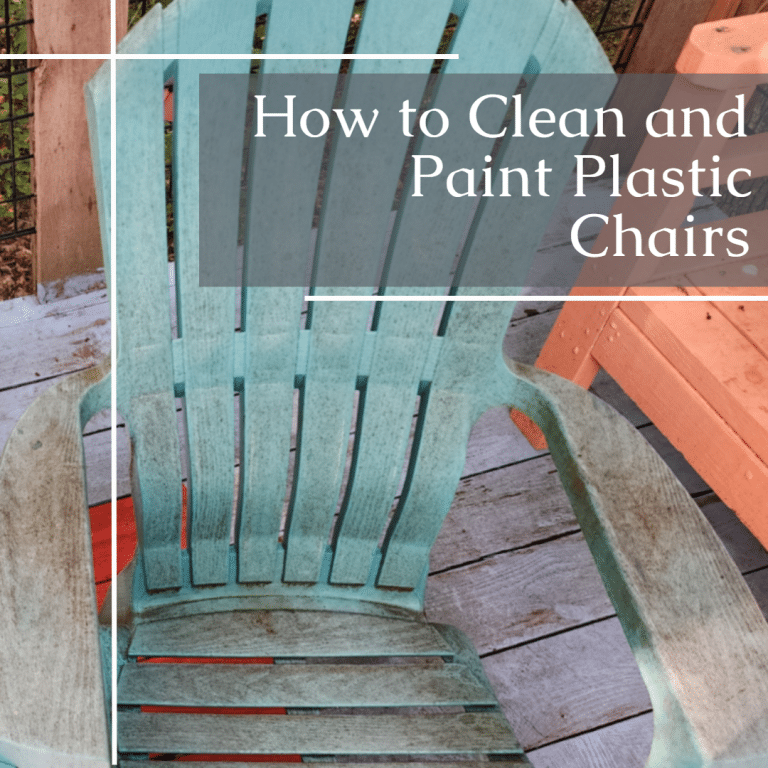
Credit: www.myrepurposedlife.com
Dealing With Stubborn Stains
Stubborn stains on painted outdoor furniture can be tough to remove. Dirt, bird droppings, or rust marks might not come off with simple washing. Using the right methods helps keep your furniture looking fresh. Gentle but effective cleaning protects the paint and extends the life of your pieces.
Using Vinegar And Baking Soda
Vinegar and baking soda create a natural cleaning solution. Mix one part vinegar with two parts water in a spray bottle. Spray the solution on the stained area. Let it sit for 10 minutes. Sprinkle baking soda over the vinegar. Use a soft brush or cloth to scrub gently. Rinse with clean water and dry with a soft towel. This method removes many tough stains without harming paint.
Spot Cleaning Tips
For small stains, spot cleaning works best. Dampen a cloth with warm soapy water. Gently rub the stain in a circular motion. Avoid scrubbing hard to protect the paint. Rinse the cloth and wipe the area again. Dry with a clean towel. Repeat if needed, but do not soak the paint. This keeps the furniture clean without damage.
Maintaining Shine And Protection
Maintaining the shine and protection of painted outdoor furniture keeps it looking fresh and new. Proper care helps to prevent paint from fading or peeling. It also guards against weather damage and dirt buildup. Simple steps can extend the life of your furniture’s finish.
Applying Wax Or Sealant
Use a clear wax or sealant made for painted surfaces. This creates a protective layer over the paint. Apply it with a soft cloth in thin, even coats. Let it dry fully before using the furniture. Wax or sealant helps repel water and dirt. It also adds a soft shine that brightens the paint.
Regular Cleaning Schedule
Clean your painted furniture regularly to keep it in top shape. Use mild soap and water with a soft brush or cloth. Avoid harsh chemicals that can damage the paint. Rinse well and dry completely after washing. A regular cleaning routine prevents buildup and keeps the paint vibrant. Set a schedule based on your local weather and dirt levels.
Preventing Damage To Painted Surfaces
Protecting painted outdoor furniture helps keep its color bright and surface smooth. Damage can cause peeling, fading, or cracking. Simple care steps can extend the life of the paint. Focus on gentle cleaning and smart storage.
Avoiding Harsh Chemicals
Harsh chemicals can eat away paint and ruin the finish. Use mild soap and water to clean your furniture. Avoid bleach, ammonia, or strong detergents. These can cause discoloration and weaken the paint layer. Test any cleaner on a small hidden spot first. Rinse well after washing to remove all soap.
Storing Furniture During Harsh Weather
Rain, snow, and strong sun harm painted surfaces over time. Store furniture in a dry, covered place during bad weather. Use waterproof covers if indoor storage is not possible. Make sure the furniture is clean and dry before covering. Proper storage reduces fading, rust, and paint damage.
Frequently Asked Questions
How Do I Clean Painted Outdoor Furniture Safely?
Use mild soap, warm water, and a soft cloth. Avoid harsh chemicals that damage paint. Rinse thoroughly and dry to prevent water spots and maintain finish quality.
What Is The Best Cleaner For Painted Outdoor Furniture?
A gentle detergent mixed with water works best. Avoid abrasive cleaners or bleach, which harm paint. Test any cleaner on a small area before full use.
How Often Should I Clean Painted Outdoor Furniture?
Clean your furniture every few weeks during outdoor use. Regular cleaning prevents dirt buildup and paint deterioration. Increase frequency in dusty or rainy conditions.
Can I Use A Pressure Washer On Painted Outdoor Furniture?
Use low pressure if necessary, but avoid high pressure washers. High pressure can peel or chip paint. Always test on an inconspicuous area first.
Conclusion
Cleaning painted outdoor furniture keeps it fresh and lasting longer. Use gentle cleaners and soft brushes to avoid damage. Regular care prevents dirt buildup and paint chipping. Dry the furniture well after washing to stop rust or mold. Remember, simple steps make a big difference in appearance.
Keep your outdoor space inviting and bright with easy maintenance. Small efforts protect your furniture and save money over time. Enjoy your clean, colorful outdoor furniture all year round.