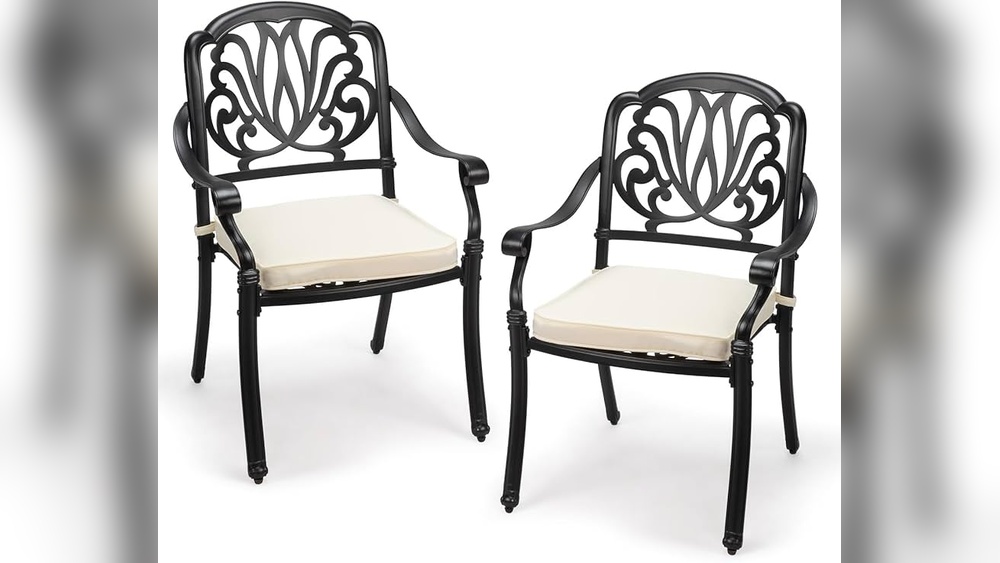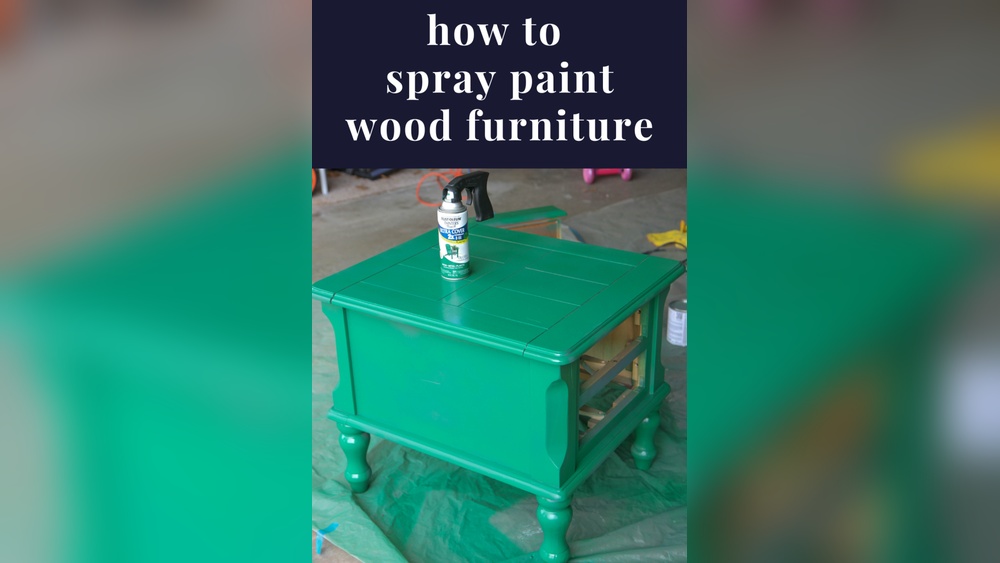
Is your old outdoor wood furniture looking tired and worn out? You don’t have to spend a fortune replacing it.
With a little effort and the right technique, you can give your furniture a fresh, vibrant look using spray paint. Imagine turning those faded chairs and tables into eye-catching pieces that brighten up your outdoor space. In this guide, you’ll discover easy steps to prep, paint, and protect your wood furniture like a pro.
Ready to transform your outdoor setup and impress your guests? Let’s get started!

Credit: www.fromhousetohome.com
Preparing The Furniture
Preparing old outdoor wood furniture for repainting is a key step. Proper preparation helps the new paint stick better. It also makes the finish smooth and long-lasting. Skipping this step can cause peeling and uneven color. Follow these simple steps to get your furniture ready for spraying.
Start by cleaning the furniture thoroughly. Remove dirt, dust, and any old paint chips. Then, sand the surface to create a smooth base. Fix any damages like cracks or holes before painting. These steps ensure a fresh, clean look after repainting.
Cleaning And Removing Dirt
Use a brush or cloth to remove loose dirt from the furniture. Mix mild soap with water for washing. Scrub gently to avoid damaging the wood. Rinse with clean water and let it dry completely. A clean surface helps the paint stick well and look even.
Sanding Old Paint
Sand the furniture using medium-grit sandpaper. Focus on rough areas and peeling paint spots. Sanding smooths the surface and removes loose paint. Wipe off dust with a damp cloth after sanding. Smooth wood helps the spray paint spread evenly.
Repairing Damages
Check for cracks, holes, or broken parts. Use wood filler to fill small holes and cracks. Let the filler dry, then sand it smooth. Replace or glue broken pieces if needed. Repairing damages makes the furniture strong and ready for paint.
Credit: arayofsunlight.com
Choosing The Right Paint
Choosing the right paint is very important for repainting old outdoor wood furniture. The paint must protect the wood from rain, sun, and cold. It should also stick well and last a long time. Picking the wrong paint can cause peeling and damage. This section explains how to find the best paint for your project.
Types Of Outdoor Paint
Outdoor paints come in several types. Latex paint is water-based and easy to clean. It dries fast and is flexible. Oil-based paint lasts longer but takes more time to dry. It gives a smooth finish and is very strong. Acrylic paint is a type of latex paint with good color and durability. Choose paint that is made for outdoor use to resist weather well.
Selecting Paint For Wood
Wood needs paint that can breathe and protect. Look for paints labeled for wood surfaces. These paints stop water from soaking in. They also prevent cracking and peeling. Primer is also key. It helps the paint stick and covers old stains. Use a wood primer before painting old furniture for best results.
Picking The Best Spray Paint
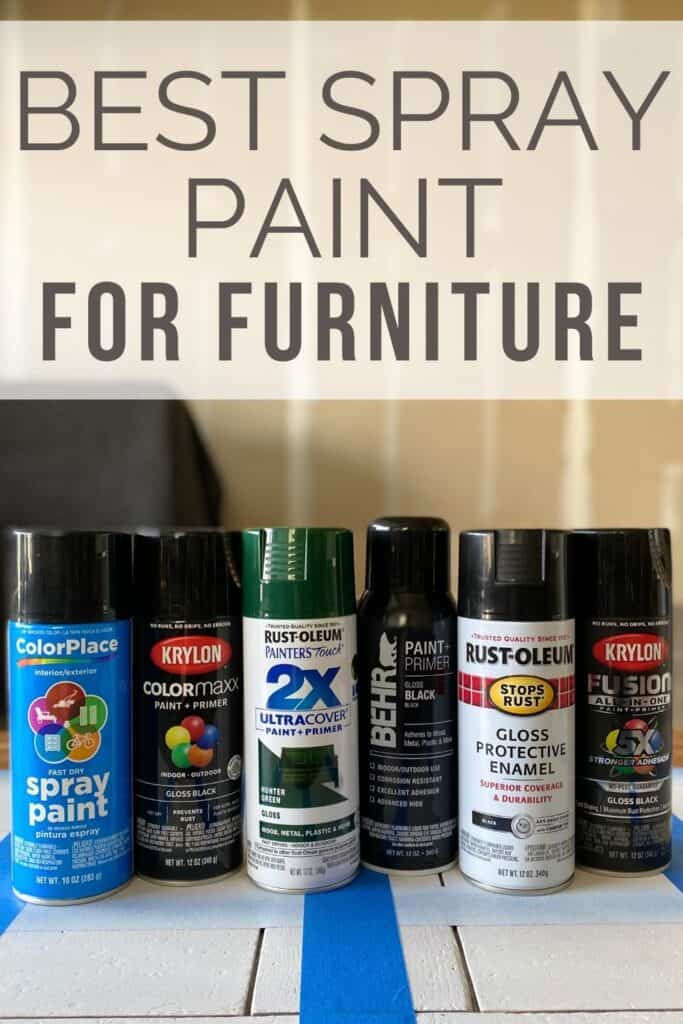
Spray paint is quick and easy for furniture. Choose spray paint made for outdoor wood. It should resist fading and moisture. Look for spray paint with rust protection if your furniture has metal parts. Test spray on a small area first. This helps check the color and finish before you start.
Setting Up Your Workspace
Setting up your workspace is the first step in repainting old outdoor wood furniture. A good workspace keeps you safe and helps you get the best results. Preparing the area well makes the painting process smooth and clean.
Choosing A Well-ventilated Area
Select a place with plenty of fresh air. Outdoors is best, like a backyard or porch. If indoors, open windows and doors. Good airflow removes paint fumes. It keeps the air safe to breathe. Avoid small, closed rooms to prevent buildup of harmful vapors.
Protecting Surroundings
Cover nearby plants, floors, and walls. Use drop cloths or old sheets. Tape plastic sheets on surfaces that need protection. This stops paint from splattering or staining. Clear the area of items you do not want painted. Protection saves time and cleanup effort later.
Gathering Necessary Tools
Prepare all tools before starting. You will need spray paint, primer, sandpaper, and painter’s tape. Have a mask and gloves ready for safety. A clean cloth helps wipe dust. Organize tools nearby for easy reach. This keeps your workflow steady and efficient.
Spray Painting Techniques
Spray painting old outdoor wood furniture can give it a fresh, new look fast. Using the right techniques helps the paint stick well and look smooth. Follow these simple steps to get the best results with spray paint.
Shaking The Can Properly
Shake the spray paint can for at least one minute. This mixes the paint inside evenly. Stop and shake again every 30 seconds while painting. Proper shaking prevents clumps and uneven color.
Maintaining Correct Distance
Hold the spray can about 8 to 12 inches from the wood surface. Too close causes thick, drippy paint. Too far makes the paint dry before it reaches the furniture. Keep your hand steady and consistent.
Applying Even Coats
Spray in smooth, side-to-side motions. Overlap each pass slightly for full coverage. Apply thin coats to avoid runs. Let each coat dry before adding the next one. Thin layers dry faster and last longer.
Avoiding Drips And Runs
Do not spray too much paint in one spot. Start and stop the spray off the furniture. Watch for drips as you paint. If you see runs, lightly smooth them with a brush after drying. This keeps the finish neat and clean.
Drying And Curing
Drying and curing are crucial steps when repainting old outdoor wood furniture. These steps ensure the paint sticks well and lasts longer. Skipping or rushing drying can cause peeling or uneven surfaces. Proper care during this phase protects your work and keeps furniture looking fresh.
Allowing Proper Drying Time
After spraying, let the paint dry completely. This usually takes a few hours, but check the paint can for exact times. Avoid touching or moving the furniture during this time. Dry air and mild temperatures help paint dry faster and better. Patience here prevents smudges and rough spots.
Applying Additional Coats
Most old wood needs more than one coat for full coverage. Wait until the first coat is dry before applying the next. Thin, even coats work best. Too much paint at once causes drips and uneven texture. Multiple coats give a smooth, strong finish that resists weather well.
Final Curing Tips
After the last coat, allow extra time for the paint to cure fully. This process can take several days to weeks. Avoid heavy use or placing objects on the furniture during curing. Keep furniture in a shaded, dry area for best results. Full curing ensures the paint hardens and stays durable outdoors.
Maintaining Painted Furniture
Maintaining painted outdoor wood furniture keeps it looking fresh and lasts longer. Regular care stops peeling and fading. It also protects the wood beneath the paint. Simple steps help keep your furniture in great shape all year.
Cleaning Painted Surfaces
Clean painted wood furniture gently. Use a soft cloth or sponge. Mix mild soap with water. Avoid harsh chemicals that can damage paint. Rinse with clean water to remove soap. Dry with a towel to prevent water spots. Clean often to stop dirt build-up.
Protecting Against Weather
Weather harms painted wood quickly. Sun makes paint fade. Rain and snow cause peeling. Use covers when furniture is not in use. Store pieces inside during winter. Apply a clear sealant yearly. This sealant blocks moisture and sun damage. Keep furniture dry as much as possible.
Touch-up Tips
Small chips and scratches happen over time. Fix them quickly to avoid bigger problems. Lightly sand the damaged area. Clean dust away before painting. Use matching paint for touch-ups. Apply thin coats for smooth finish. Let paint dry fully before using furniture. Check often for new spots to repair.

Credit: www.blesserhouse.com
Frequently Asked Questions
How Do I Prepare Wood Furniture For Spray Painting?
Clean the furniture thoroughly and remove old paint or varnish. Sand the surface smooth for better paint adhesion. Use a primer suitable for outdoor wood before spray painting.
What Type Of Spray Paint Is Best For Outdoor Wood?
Use spray paint designed for outdoor use with weather-resistant properties. Acrylic or enamel spray paints are ideal for durability and protection.
How Many Coats Of Spray Paint Should I Apply?
Apply 2 to 3 thin coats for even coverage. Allow each coat to dry completely before applying the next.
Can I Spray Paint Furniture Without Sanding It First?
Sanding is recommended for proper paint adhesion and a smooth finish. Skipping sanding may result in peeling or uneven paint.
Conclusion
Spray painting old outdoor wood furniture can refresh its look quickly. Clean the wood well before starting. Use a primer to help paint stick better. Spray paint evenly and in thin layers for best results. Let each coat dry completely before adding another.
This process saves money and gives your furniture new life. Enjoy your refreshed outdoor space with confidence. Simple steps lead to great results. Try it yourself and see the difference.