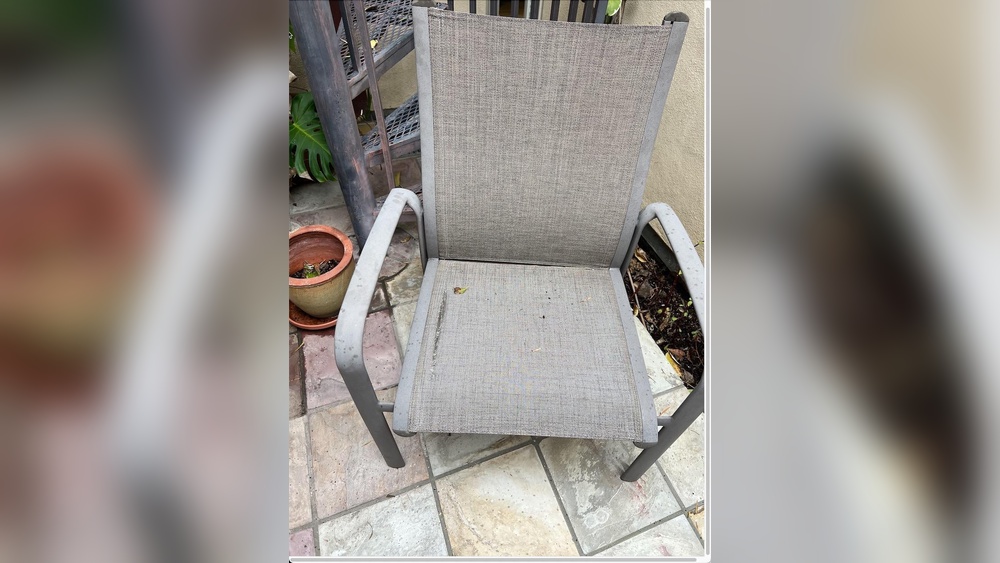
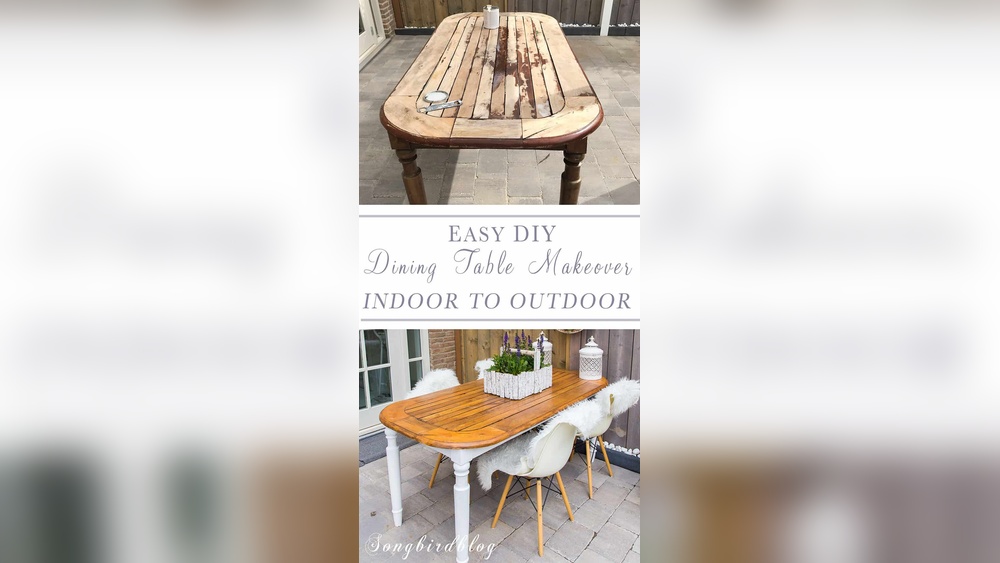
Are you dreaming of a cozy outdoor space where you can relax, entertain, and enjoy fresh air with friends and family? Imagine having your very own custom sectional furniture that fits perfectly in your yard, patio, or deck.
Making your own outdoor sectional furniture is easier than you think, and it gives you full control over the design, comfort, and style. You’ll discover simple steps and smart tips that will help you create a beautiful, durable sectional that suits your space and budget.
Ready to transform your outdoor area into a stylish retreat? Let’s get started!
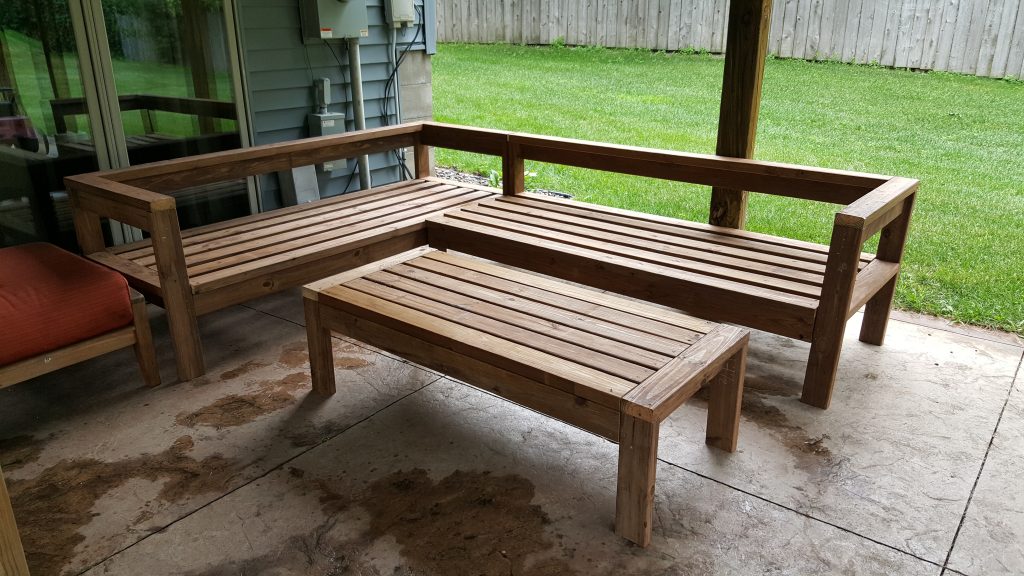
Credit: kindasortasimple.com
Choosing Materials
Choosing the right materials is key to making outdoor sectional furniture last. Materials affect comfort, style, and how well the furniture stands up to weather. Selecting durable, weather-resistant materials ensures your furniture stays beautiful and strong for years.
Wood Types For Durability
Hardwoods like teak and cedar are best for outdoor furniture. They resist rot and insects naturally. Teak is oily and strong, making it very durable. Cedar has natural oils that protect it from decay. Pine is cheaper but needs treatment to prevent damage. Choose wood that can handle sun, rain, and cold well.
Weather-resistant Fabrics
Fabrics must resist water, sun, and stains. Solution-dyed acrylic is a popular choice. It dries fast and resists fading. Polyester with a water-resistant coating also works well. Avoid cotton or regular fabric; they soak water and mold easily. Pick fabrics that are easy to clean and stay vibrant outside.
Hardware And Fasteners
Metal parts should resist rust and corrosion. Stainless steel and aluminum are top choices. They stay strong and clean in all weather. Avoid cheap metals that rust quickly. Use screws and bolts instead of nails for better strength. Good hardware keeps the furniture safe and sturdy over time.
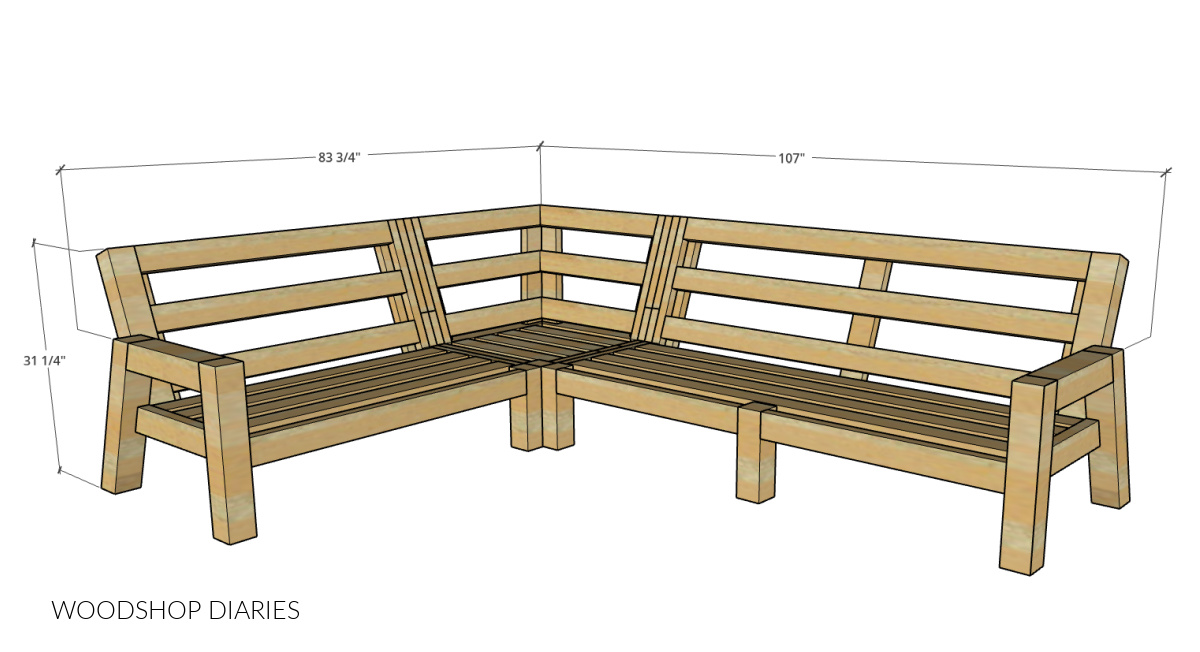
Credit: www.woodshopdiaries.com
Designing Your Sectional
Designing your outdoor sectional furniture is the first step to creating a cozy and functional space. It helps you use the area well and makes the furniture fit perfectly. Good design starts with understanding the space and planning carefully. Simple choices lead to great results.
Measuring Your Space
Begin by measuring the area where the sectional will go. Use a tape measure to get the length and width. Note any obstacles like doors, windows, or plants. Write down these numbers clearly. Accurate measurements prevent buying or building pieces that don’t fit.
Selecting A Layout
Think about how you want to arrange the sectional. Common shapes include L-shape, U-shape, or straight lines. Choose a layout that suits the space and your needs. Consider how people will move around the furniture. Comfort and flow are very important.
Sketching Your Plan
Draw your sectional design on paper or a digital tool. Mark the measurements and layout you chose. Add details like cushion size and armrests. This sketch guides you during building. It also helps see if the design feels right.
Preparing Tools And Workspace
Before starting your outdoor sectional furniture project, prepare your tools and workspace carefully. Good preparation helps the work go smoothly and safely. It saves time and avoids frustration. This section covers the essential tools, workspace setup, and safety steps. Follow these tips to create a strong base for your build.
Essential Tools List
Gather the right tools first. You will need a measuring tape, saw, drill, screwdriver, and hammer. Sandpaper or a power sander helps smooth rough edges. Clamps keep wood pieces steady. Wood glue strengthens joints. A pencil and square ensure accurate cuts. Having all tools ready makes the process faster and easier.
Setting Up A Work Area
Choose a flat, clean space with good light. Outdoor areas like a driveway or patio work well. Cover the surface with a tarp or drop cloth to protect it. Organize tools within easy reach. Keep wood pieces stacked neatly. Make sure the area is free from clutter. This setup prevents accidents and helps keep your project tidy.
Safety Precautions
Wear safety goggles to protect your eyes from dust and splinters. Use ear protection when operating loud power tools. Gloves protect your hands from cuts and splinters. Keep a first aid kit nearby. Work in a ventilated area to avoid breathing sawdust. Always unplug tools when not in use. These steps keep you safe throughout your project.
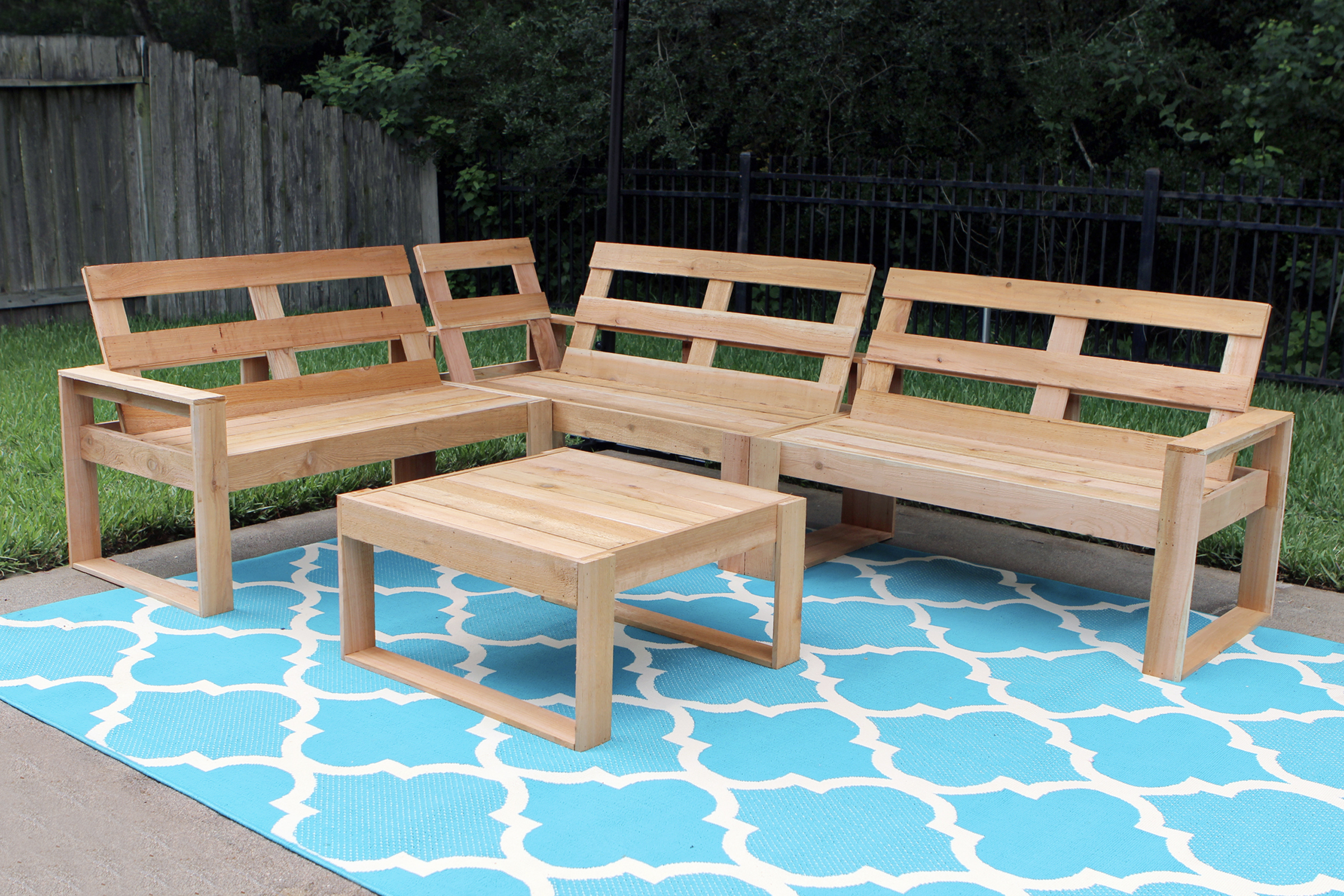
Credit: grayhousestudio.com
Building The Frame
Building the frame is the first and most important step in making outdoor sectional furniture. A strong frame ensures the furniture lasts long. It also supports the cushions and people who sit on it. Focus on precision and stability during this stage.
Cutting Wood Pieces
Start by selecting sturdy wood like cedar or teak. Measure and mark the wood carefully. Cut each piece to the right size using a saw. Smooth the edges with sandpaper to avoid splinters. Accurate cuts help the frame fit together well.
Assembling The Base
Lay out the cut pieces on a flat surface. Begin by joining the side rails to the front and back rails. Use wood screws or nails to hold them firmly. Check that the base is square using a carpenter’s square. A solid base provides a strong foundation.
Reinforcing Joints
Strengthen corners and joints with metal brackets or wood glue. Add corner blocks inside the frame for extra support. Tighten screws to prevent wobbling. Reinforced joints keep the frame sturdy over time.
Adding Seating And Cushions
Adding seating and cushions transforms your outdoor sectional into a cozy spot. It improves comfort and invites relaxation. Proper seating support and soft cushions make a big difference. This part shows how to build strong seat supports, pick the right foam, and sew cushion covers.
Creating Seat Supports
Start by measuring the frame where the seats will go. Use sturdy wood like plywood or slats for support. Space the slats evenly to hold weight without bending. Secure the wood with screws to keep it stable. Test the seat by pressing down to check for firmness.
Choosing Cushion Foam
Pick foam that resists water and dries fast. Outdoor foam often has open cells for airflow. Choose a thickness that feels comfortable but fits your frame. High-density foam lasts longer and keeps shape well. Avoid cheap foam that breaks down quickly outdoors.
Sewing Cushion Covers
Use outdoor fabric that repels water and resists fading. Cut fabric pieces slightly larger than the foam for seam allowance. Sew edges together with strong thread and a tight stitch. Add a zipper or Velcro for easy removal and cleaning. Make sure covers fit snugly to avoid slipping.
Finishing Touches
Finishing touches make your outdoor sectional furniture look great and last longer. These steps protect the wood and give a smooth, clean finish. Pay attention to every detail for the best results.
Start with sanding and smoothing to prepare the surface. Then, apply paint or stain to add color and protection. Finally, use waterproofing to guard against rain and sun damage.
Sanding And Smoothing
Use medium-grit sandpaper to remove rough spots and splinters. Sand all surfaces evenly for a smooth feel. Wipe away dust with a clean cloth after sanding. Smooth wood helps paint or stain stick better.
Applying Paint Or Stain
Choose paint or stain made for outdoor use. Apply with a brush or roller in thin, even coats. Allow each coat to dry fully before adding another. Paint hides wood grain; stain shows natural texture. Both protect wood from weather and wear.
Waterproofing Tips
Use a clear outdoor sealer or waterproof finish. Apply over paint or stain for extra protection. Cover all edges and corners carefully. Reapply sealer every year to keep furniture safe. Proper waterproofing stops water damage and wood warping.
Maintaining Your Furniture
Maintaining your outdoor sectional furniture keeps it looking fresh and lasting longer. Regular care prevents damage from weather and daily use. It also saves money on repairs or replacements. Follow simple steps to protect your investment.
Cleaning Guidelines
Clean your furniture often to remove dirt and dust. Use a soft brush or cloth for delicate surfaces. Mild soap and water work well for most materials. Avoid harsh chemicals that can damage finishes. Rinse with clean water and dry completely. Clean cushions by spot cleaning or following tag instructions.
Seasonal Care
Store furniture indoors or cover it during cold months. Use waterproof covers to protect from rain and snow. Remove cushions and keep them dry to avoid mold. Check for moisture after storms and dry furniture quickly. Place furniture in shaded areas during hot seasons to prevent fading.
Repairing Wear And Tear
Inspect your furniture regularly for scratches, rust, or loose parts. Tighten screws and bolts to keep it stable. Sand rough spots gently and apply matching paint or sealant. Replace broken pieces like slats or cushions quickly. Small repairs stop bigger problems later.
Frequently Asked Questions
What Materials Are Best For Outdoor Sectional Furniture?
Weather-resistant materials like teak, aluminum, and synthetic wicker work best. They resist moisture, sun damage, and rust, ensuring longevity outdoors.
How Do I Design A Comfortable Outdoor Sectional Layout?
Choose modular pieces for flexibility. Arrange seating around a focal point like a fire pit or table to encourage conversation and relaxation.
What Tools Are Needed To Build Outdoor Sectional Furniture?
Basic tools include a saw, drill, screws, measuring tape, and sandpaper. Quality tools ensure precise cuts and sturdy assembly.
How Can I Protect Outdoor Sectional Furniture From Weather?
Use waterproof covers and apply sealants or paint designed for outdoor use. Store cushions indoors during rain to extend furniture life.
Conclusion
Creating your own outdoor sectional furniture brings style and comfort to your space. Choose materials that last and fit your needs. Measure carefully to ensure the perfect size. Take your time assembling each piece with care. Enjoy relaxing moments with friends and family on your new setup.
Small steps lead to great results. Your outdoor area can become a cozy retreat. Start building today and watch your space transform. Simple projects like this bring joy and pride.