Is your bathroom stool clogged and causing you frustration? You’re not alone, and the good news is that you don’t need to call a plumber right away.
With a few simple steps, you can clear the blockage yourself quickly and easily. Imagine saving time, money, and the hassle of waiting for help—sounds great, right? Keep reading, and you’ll discover practical tips that anyone can follow to get your bathroom stool flowing smoothly again.
Common Causes Of Clogs
Bathroom stool clogs happen often and cause frustration. Knowing common causes helps fix them faster. Clogs stop water flow and cause bad smells. This section explains three main reasons for clogs.
Hair And Soap Buildup
Hair is the top cause of bathroom clogs. It sticks to pipes and mixes with soap. Soap makes hair heavier and harder to move. Over time, this mix blocks water flow. Regular cleaning stops buildup early.
Foreign Objects
Small items like toys, cotton balls, or wipes often fall in the stool. These objects do not break down and block pipes. Flushing things not meant for toilets causes clogs. Keep the bathroom free of such items.
Hard Water Deposits
Hard water leaves minerals inside pipes. These minerals build up and narrow pipe space. Narrow pipes slow down water and cause blockages. Using a water softener helps reduce deposits over time.

Credit: www.amazon.com
Tools You’ll Need
Unclogging a bathroom stool requires the right tools. Having these tools ready saves time and effort. Each tool serves a specific purpose in clearing blockages.
Understanding these tools helps you choose the best one for your clog.
Plunger Types
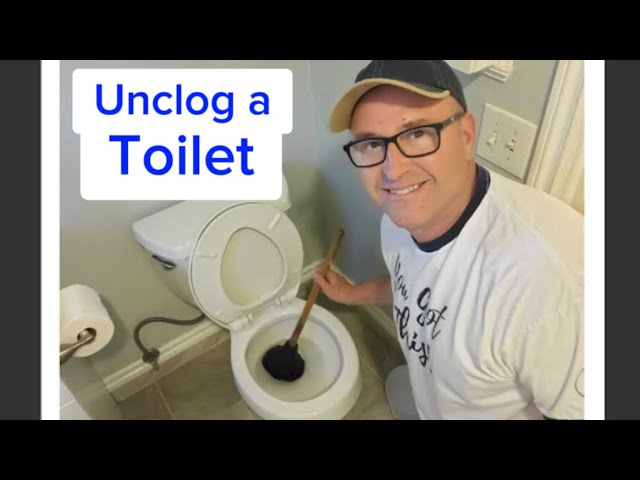
Plungers come in two main types: cup and flange. The cup plunger works well on flat surfaces like sinks. The flange plunger fits better in toilets, creating a tighter seal. Use the flange plunger for bathroom stools to push the clog out effectively.
Drain Snake
A drain snake is a flexible wire tool that reaches deep clogs. Insert it into the stool drain and twist to break the blockage. It works well when the plunger cannot clear the clog. Drain snakes come in manual and powered versions.
Chemical Cleaners
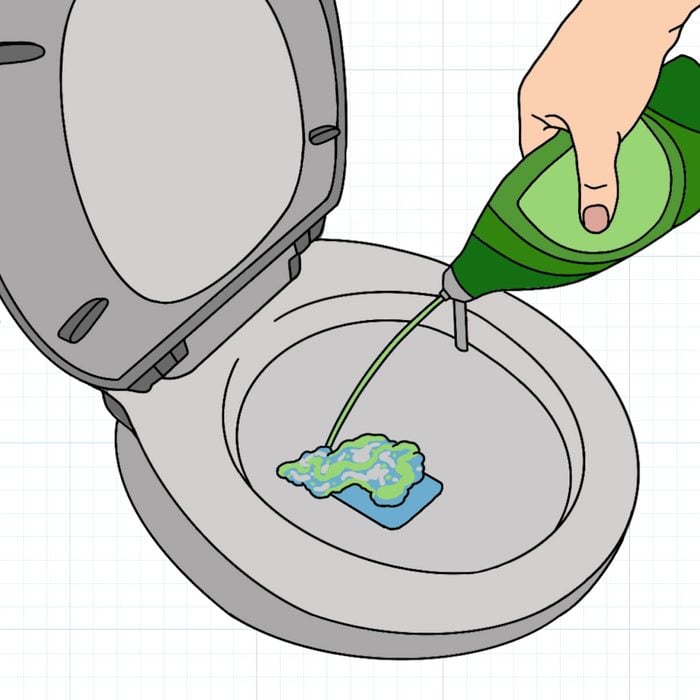
Chemical cleaners dissolve organic waste that blocks the drain. Pour the cleaner into the stool and wait as it works. Use cleaners carefully and follow safety instructions. Avoid mixing chemicals, as this can cause harmful fumes.
Step-by-step Unclogging Methods
Unclogging a bathroom stool can feel tricky. Following clear steps makes the task easier and faster. Below are simple, effective methods anyone can try at home. Each method targets common blockages and helps restore smooth drainage.
Using A Plunger Effectively
Select a plunger with a flange for toilets. Place it firmly over the drain hole. Push down gently to create suction. Pull up quickly to loosen the clog. Repeat the push-pull motion about 10 times. Avoid lifting the plunger too soon. Flush the toilet to check if water drains well. If water stays, try another method.
Applying A Drain Snake
Insert the drain snake into the toilet drain slowly. Turn the handle clockwise to push through the clog. Feel resistance when the clog is reached. Keep turning to break up or hook the blockage. Pull the snake out carefully. Dispose of any debris caught on the end. Flush the toilet to clear remaining waste. Repeat if needed for stubborn clogs.
Chemical Cleaner Application
Choose a chemical cleaner made for toilets. Read the instructions on the label carefully. Pour the recommended amount into the bowl. Let it sit for the time suggested. Avoid flushing immediately; wait for chemicals to work. Use gloves and keep the room ventilated. After waiting, flush the toilet to see results. Do not mix chemicals to prevent dangerous reactions.
Natural And Homemade Remedies
Natural and homemade remedies offer safe and simple ways to unclog a bathroom stool. These methods use common household ingredients. They help clear blockages without harsh chemicals. These remedies are budget-friendly and eco-friendly too.
Using natural ingredients can prevent damage to your pipes. They also reduce unpleasant smells. Let’s explore some easy remedies you can try at home.
Baking Soda And Vinegar
Start by pouring half a cup of baking soda into the toilet bowl. Next, add one cup of vinegar slowly. The mixture will fizz and bubble. Let it sit for 15 to 30 minutes. Then, flush the toilet with hot water. This reaction helps break down clogs and clears the drain.
Hot Water Flush
Boil a large pot of water. Carefully pour the hot water into the toilet bowl. Do this from waist height for better force. The hot water softens and moves the blockage. Wait a few minutes before flushing. Repeat if the stool remains clogged.
Salt And Baking Soda Mix
Mix half a cup of salt with half a cup of baking soda. Pour the mix directly into the toilet bowl. Let it sit for at least 30 minutes or overnight. The salt scrubs the pipes while baking soda dissolves debris. Finish by flushing with hot water to clear the clog.
Preventing Future Clogs
Preventing future clogs is easier than fixing a blocked bathroom stool. Small habits can keep your toilet flowing smoothly. Consistent care saves time and money. Focus on simple steps that stop clogs before they start.
Regular Maintenance Tips
Flush your toilet with plenty of water each time. This helps move waste completely. Clean the toilet bowl regularly to prevent buildup. Use a toilet brush to scrub under the rim. Try a mild cleaner to avoid damage.
Check for slow draining water. It can signal a developing clog. Use a plunger gently to clear minor blockages early. Avoid harsh chemicals that can harm pipes.
Proper Disposal Habits
Only flush human waste and toilet paper. Avoid flushing wipes, sanitary products, or paper towels. These items do not break down easily. They often cause blockages and damage pipes.
Teach family members what is safe to flush. Place a small trash bin near the toilet. This encourages proper disposal of other items. Keep bathroom habits simple and clear.
Installing Drain Screens
Place a drain screen over the toilet drain pipe. It catches hair and other small debris. This prevents them from entering the plumbing system. Clean the screen regularly to keep it effective.
Drain screens are inexpensive and easy to install. They work quietly and protect your pipes. Small tools make a big difference in clog prevention.
Credit: www.familyhandyman.com
When To Call A Professional
Knowing when to call a professional plumber can save time and prevent damage. Some toilet clogs are easy to fix. Others need expert help. Understanding the signs helps you decide the right moment to seek help.
Persistent Clogs
Some clogs come back again and again. If plunging or home tools do not work, it shows a deeper problem. Persistent clogs can damage the toilet over time. A plumber uses special tools to clear tough blockages.
Severe Blockages
Blockages that cause water to rise or overflow need urgent help. Severe clogs can cause leaks and bad odors. Trying to fix severe blockages yourself might make things worse. Professionals can remove large blockages safely and quickly.
Plumbing System Issues
Sometimes the problem is not just the toilet. Pipes may be cracked or clogged in other places. Strange noises or slow drainage can mean bigger plumbing issues. A plumber can inspect and fix problems beyond the toilet.
Credit: www.youtube.com
Frequently Asked Questions
How Can I Quickly Unclog A Bathroom Stool?
To quickly unclog a bathroom stool, use a plunger to create suction and dislodge the blockage. If that fails, try a drain snake to remove trapped debris. Avoid using harsh chemicals that can damage pipes.
What Household Items Help Unclog A Bathroom Stool?
Household items like baking soda and vinegar can help unclog a bathroom stool. Pour baking soda followed by vinegar down the drain, wait 15 minutes, then flush with hot water. This natural method breaks down minor clogs effectively.
When Should I Call A Plumber For Stool Clogs?
Call a plumber if the clog persists after DIY methods or water backs up repeatedly. Professional help is needed when blockages are deep or caused by pipe damage. Early intervention prevents costly repairs and ensures proper drainage.
Can A Toilet Auger Fix Stubborn Stool Clogs?
Yes, a toilet auger is effective for stubborn stool clogs. It reaches deep into the drain to break and pull out blockages. Using an auger is safe for pipes and often resolves tough clogs without chemicals.
Conclusion
Clogged bathroom stools cause stress and inconvenience. Taking quick steps helps clear the blockage fast. Using basic tools like plungers or drain snakes works well. Avoid harsh chemicals to protect pipes and health. Regular cleaning stops clogs before they start.
Knowing simple fixes saves time and money. Keep calm and follow the easy methods shared here. Your bathroom will stay clean and functional longer. No need to call a plumber every time. Try these tips and enjoy a smooth drain today.