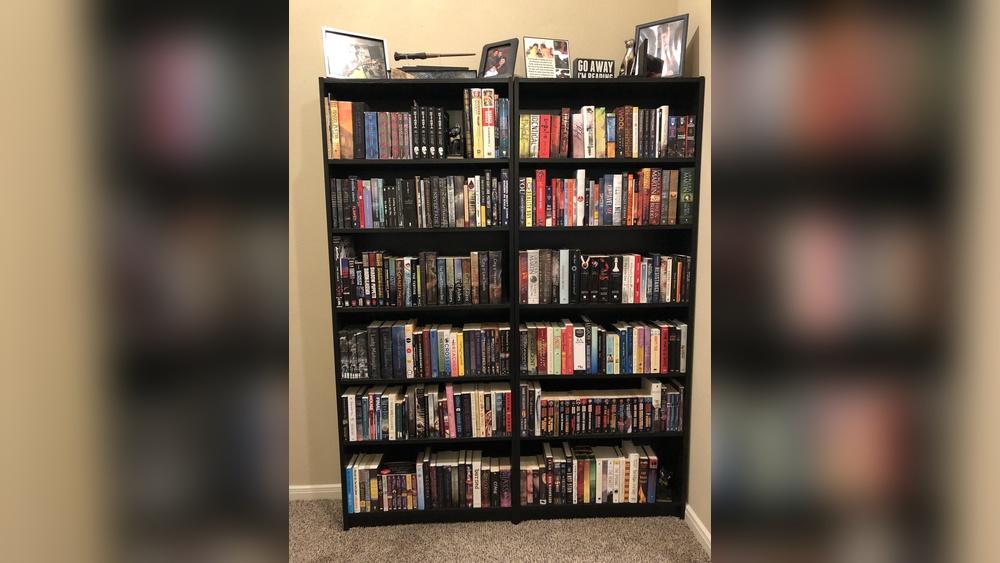
Have you ever wondered how many books your bookshelf can actually hold? Whether you’re a passionate reader or just starting to build your collection, knowing the capacity of your shelf can help you organize better and make the most of your space.
Imagine having the perfect setup where every book fits neatly without clutter or wasted room. Keep reading, and you’ll discover simple tips and surprising facts that will change the way you think about your bookshelf forever.
Bookshelf Dimensions
Bookshelf dimensions play a big role in how many books you can fit. Size affects storage space and shelf arrangement. Knowing common sizes helps pick the right bookshelf for your needs.
Standard Shelf Sizes
Most bookshelves have shelves about 10 to 12 inches deep. Shelf width varies, often between 24 and 36 inches. Heights between shelves usually range from 10 to 15 inches. These sizes fit most books easily, from paperbacks to large hardcovers.
Adjustable Shelving Options
Adjustable shelves let you change the height between shelves. This flexibility helps store tall or short books. You can maximize space by adjusting shelves to fit your collection. It also allows room for other items like photo frames or decor.
Custom Bookshelf Measurements
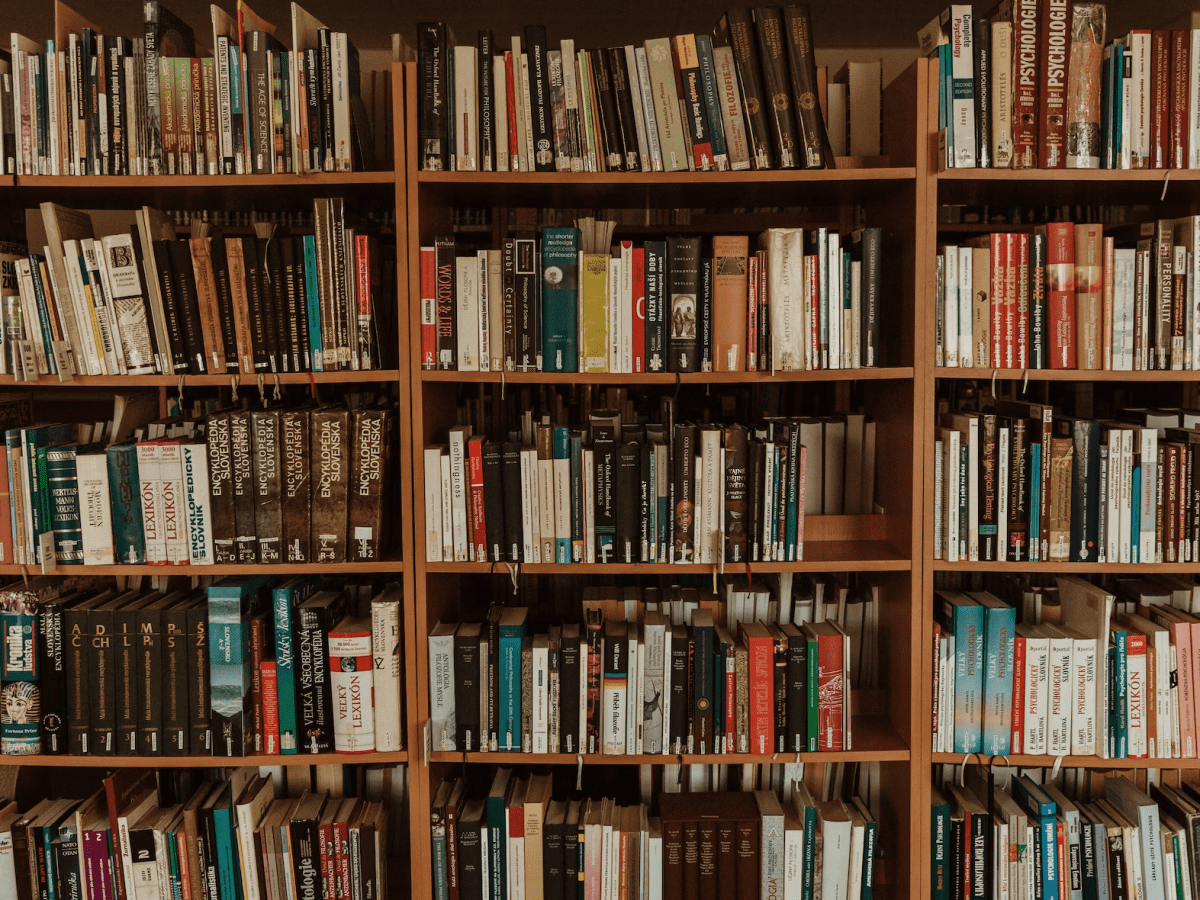
Custom shelves match your exact space and book sizes. You can design shelf depth, width, and height to fit your room. Custom options work well for odd spaces or special collections. They make the best use of every inch available.
Credit: discover.hubpages.com
Book Sizes And Types
Books come in many sizes and types. This variety affects how many can fit on a shelf. Understanding these differences helps in planning your space. Each book’s size and style changes the shelf’s capacity.
Common Book Dimensions
Most books fall into standard sizes. Paperbacks usually measure about 5 by 8 inches. Hardcovers tend to be larger, around 6 by 9 inches. Some books are even smaller or bigger than these. Knowing the typical size helps estimate shelf space.
Hardcover Vs Paperback Space
Hardcover books take more room than paperbacks. They have thicker covers and wider spines. Paperbacks are lighter and slimmer, fitting more easily. Shelves with mostly paperbacks hold more books overall. Hardcovers need more careful arranging due to their bulk.
Specialty Books And Their Impact
Specialty books include art books, coffee table books, and atlases. These books are large and heavy. They need much more space than regular books. Their unique sizes reduce the total number on a shelf. Planning shelf space for these is crucial for balance.
Calculating Capacity
Knowing how many books fit on a bookshelf helps you organize better. It saves time and space. You can plan your reading area well. Start by measuring the shelf size. Then, estimate the size of your books. Finally, think about the height of the books. These steps give a clear idea of the shelf capacity.
Measuring Shelf Length
Use a tape measure or ruler to find the shelf length. Measure from one end to the other. Write down the number in inches or centimeters. This length is the main factor in calculating capacity. Make sure to measure only the usable space. Avoid areas blocked by shelf supports or dividers.
Estimating Book Thickness
Books vary in thickness. Check a few books to find an average size. Use a ruler to measure the spine width. Note the thickness in inches or centimeters. Divide the shelf length by this thickness. This gives an estimate of how many books fit side by side. Keep in mind some books are thicker or thinner.
Accounting For Book Height
Book height affects shelf use. Measure the tallest book you want to place. This helps decide shelf height and space between shelves. If books are taller than the shelf, they won’t fit standing up. You may need to stack or use a different shelf. Adjust shelf height for different book sizes to use space well.

Credit: www.reddit.com
Maximizing Bookshelf Space
Maximizing bookshelf space helps you fit more books and keep them tidy. Proper organization makes it easier to find your favorite reads. Small changes can greatly increase your storage capacity.
Consider different stacking styles and tools to improve shelf use. Planning shelf arrangement lets you store books efficiently without clutter.
Vertical Vs Horizontal Stacking
Vertical stacking means placing books upright with spines facing out. This saves space and makes titles easy to read. Horizontal stacking involves laying books flat in piles. It fits well on short shelves or above tall books.
Stack horizontally to fill gaps or create layers. Use vertical stacks for most of your books to keep things neat. Mixing both styles can balance space and accessibility.
Using Bookends And Dividers
Bookends keep vertical stacks stable and prevent books from falling. They help maintain order and protect your books. Dividers split shelves into sections for different book sizes or categories.
Use sturdy bookends made of metal or wood. Dividers can be simple or decorative but must hold books firmly. These tools increase shelf capacity by controlling book placement.
Optimizing Shelf Arrangement
Group books by height or size to use space better. Place taller books on higher shelves and smaller ones below. Arrange books tightly but without forcing them in.
Leave some room for future books or decorations. Adjust shelf height if possible to fit larger books comfortably. This method keeps your collection organized and maximizes space.
Bookshelf Materials And Weight Limits
Bookshelves hold more than just books. Their materials and weight limits affect how many books fit comfortably. Choosing the right material helps keep shelves strong and safe. Understanding weight limits prevents damage and accidents. This knowledge makes your bookshelf last longer and hold more books.
Common Materials Used
Bookshelves come in many materials. Wood is popular for its strength and look. Solid wood holds heavy books well. Particleboard is cheaper but less strong. Metal shelves can carry heavy loads and last long. Plastic shelves are light but hold fewer books. Each material has pros and cons for weight and durability.
Weight Capacity Considerations
Every bookshelf has a weight limit. This limit depends on the material and design. Solid wood shelves can hold 50 to 100 pounds each. Particleboard shelves usually hold less weight. Metal shelves often support heavy loads up to 200 pounds. Overloading shelves can cause bending or breaking. Check manufacturer’s weight guidelines before adding many books.
Safety Tips For Heavy Loads
Place heavier books on lower shelves to keep balance. Avoid stacking too many books on one shelf. Use brackets or wall anchors for extra support. Regularly check shelves for signs of strain or damage. Distribute books evenly to prevent tipping. These steps help keep your bookshelf safe and stable.
Creative Storage Solutions
Creative storage solutions help you fit more books on your bookshelf. They make the best use of space. You can store more books without clutter. These ideas also keep your books easy to reach.
Adding Extra Shelves
Adding extra shelves creates more space for books. You can install thin shelves above or below existing ones. Use adjustable brackets to change shelf height. This allows you to fit different book sizes. Extra shelves make your bookshelf taller and fuller.
Utilizing Under-shelf Space
Under-shelf space often goes unused. Small baskets or hooks can hold extra items here. You can hang small books or magazines. This method adds hidden storage without changing the shelf structure. It keeps your collection organized and neat.
Incorporating Multi-functional Furniture
Multi-functional furniture serves more than one purpose. Use benches or ottomans with built-in storage. Coffee tables with shelves also work well. These pieces store books and provide extra seating or surface space. They save room and keep your books handy.
Digital Vs Physical Bookshelf Space
Bookshelf space varies greatly between physical and digital formats. Physical books take up room on shelves, walls, and floors. Digital books, stored on devices, require no physical space. This difference changes how many books you can keep and how you access them.
Choosing between digital and physical books depends on personal needs. Some readers enjoy the feel of a real book. Others prefer the convenience of a digital library. Understanding the benefits of each helps find the right balance.
Benefits Of Digital Libraries
Digital libraries store thousands of books on one device. No need for shelves or extra furniture. Carry an entire library in your pocket. Search for books instantly without flipping pages. Digital books often cost less than physical ones. Many offer adjustable font sizes for easier reading. Access books anytime and anywhere with internet.
Balancing Physical And Digital Collections
Physical books create a cozy, personal space. They are great for favorite or collectible titles. Digital books save space and reduce clutter. Combine both to enjoy the best of each. Keep special editions on shelves. Store everyday reading in digital form. This balance helps manage space and access efficiently.
Credit: www.reddit.com
Frequently Asked Questions
How Many Books Fit On A Standard Bookshelf?
A standard bookshelf typically holds 20 to 30 books per shelf. This varies by book size and shelf dimensions. Taller or wider books reduce capacity. Measuring your shelf and average book size helps estimate accurately.
What Affects The Number Of Books On A Shelf?
Book size, shelf length, and shelf height impact capacity. Thicker books take more space. Adjustable shelves allow better fitting. The shelf material also influences weight capacity and total book storage.
Can Vertical Or Horizontal Stacking Increase Book Capacity?
Yes, stacking books horizontally can maximize space. It allows fitting irregular-sized books and uses vertical space. However, too many stacks may cause instability and difficulty accessing books.
How To Calculate Bookshelf Capacity For Different Book Sizes?
Measure shelf length and height first. Calculate average book width and height. Divide shelf length by book width for horizontal capacity. Adjust for vertical stacking and spacing to get total book capacity.
Conclusion
Bookshelves hold more than just books. Size and book type affect the number of books stored. Tall shelves fit many large books. Small shelves suit paperbacks and thin volumes. Organizing books by size saves space. Measuring shelf dimensions helps estimate capacity.
Remember, neat arrangement keeps your collection tidy. A good bookshelf fits your space and needs. Choose wisely, and enjoy your reading space fully.