
Have you ever stared at your empty wall, wondering how deep your bookshelf should be? Choosing the right depth isn’t just about fitting books—it’s about making your space look neat and keeping everything within easy reach.
If your shelf is too shallow, your books might stick out or fall off. Too deep, and you could lose valuable room or make your books hard to access. You’ll discover exactly how deep a bookshelf needs to be to suit your collection and style perfectly.
Keep reading, and you’ll learn simple tips to create a bookshelf that looks great and works just right for you.
Credit: www.reddit.com
Standard Bookshelf Depths
Understanding standard bookshelf depths helps you choose the right size for your space. Bookshelves come in different depths to fit various types of books and room layouts. Choosing the right depth keeps your books organized and your room neat. Standard depths balance storage needs and space use well.
Knowing common sizes and their impact on storage allows you to plan better. It also helps avoid shelves that are too shallow or too deep. This section explains typical depths and how they affect what you can store.
Common Depth Sizes
Most bookshelves have a depth between 8 and 12 inches. The 10-12 inch range is common for storing most books. Shelves around 8 inches deep work well for smaller books or decorative items. Deeper shelves, over 12 inches, suit large books or boxes. Choosing the right depth depends on the size of your books and available space.
Impact On Book Storage
Shelf depth affects how books fit and look on your shelf. Shallow shelves may not hold large books properly. This can cause books to stick out or fall over. Deeper shelves allow for bigger books and more storage. They also create space for stacked books or other items. Proper depth keeps books safe and easy to access. It also helps keep your room tidy and organized.
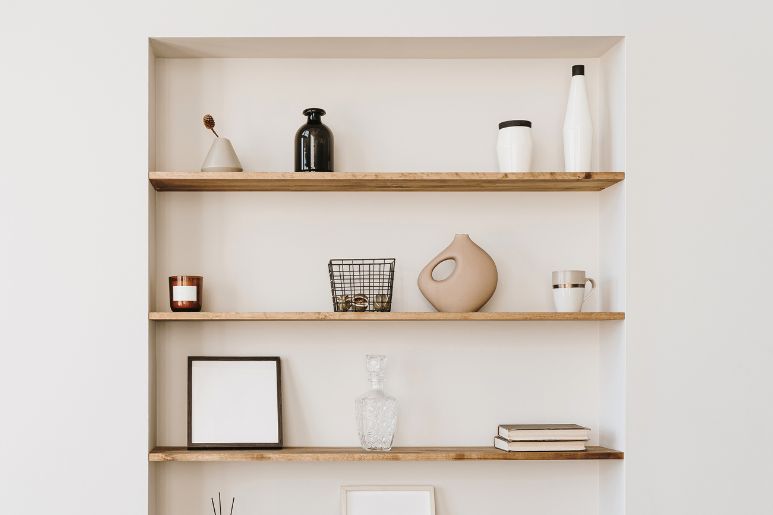
Credit: rightonbracket.com
Depth For Different Book Types
Books come in many shapes and sizes. The depth of your bookshelf should match the type of books you own. Choosing the right depth keeps books safe and the shelf neat.
Different books need different shelf depths. Let’s see what works best for common book types.
Novels And Paperbacks
Novels and paperbacks are usually small and light. Most paperbacks are about 1 to 1.5 inches thick. A shelf depth of 8 to 10 inches fits these books well. This depth keeps books secure without wasting space.
Coffee Table Books
Coffee table books are large and wide. They often need more space than regular books. A depth of 12 to 15 inches works best. This size allows the books to lie flat or stand up without damage.
Large Reference Books
Reference books like dictionaries or encyclopedias are thick and tall. They need deeper shelves to fit comfortably. A depth of 14 to 16 inches is ideal. This depth supports the weight and size of these big books.
Measuring Your Books
Measuring your books is the first step to choosing the right bookshelf depth. Books come in many sizes. Knowing their dimensions helps you find a shelf that fits them well. This avoids books sticking out or feeling cramped.
How To Measure Book Width
Place the book flat on a table. Use a ruler or tape measure to check the width. Measure from the front cover edge to the back cover edge. Write down this number. For a group of books, measure each one separately. Add all widths together to get the total space needed.
Accounting For Book Height And Thickness
Height matters for shelf spacing. Measure from the bottom to the top of the book. Thickness affects how deep the shelf must be. Measure the spine thickness from one side to the other. Add extra space for ease of handling. This prevents damage and allows easy removal.
Customizing Bookshelf Depth
Customizing bookshelf depth allows you to create storage that fits your needs perfectly. Different items require different shelf depths. Books, decor, and boxes vary in size. A custom depth helps maximize space and keeps things neat. It also improves the look of your room.
Adjustable Shelves
Adjustable shelves offer great flexibility in depth and height. You can move shelves up or down to fit tall or short items. This option works well for changing collections or mixed storage. It lets you use the full space without wasting room. Adjustable shelves also make cleaning easier.
Built-in Shelving Options
Built-in shelves can match your room’s size and style perfectly. You can choose the depth to fit your most common items. Built-ins often use wall space efficiently. They can be shallow for small books or deep for large art pieces. Custom built-ins give a clean, seamless look to your space.
Space And Room Considerations
Choosing the right bookshelf depth depends a lot on your room’s space. The size of the room affects how deep your bookshelf should be. Too deep, and it may take too much space. Too shallow, and it might not hold all your books. Thinking about your room helps you pick the best fit.
Balancing Depth And Room Size
Small rooms need shallower bookshelves. This keeps the space open and easy to move in. Larger rooms allow for deeper shelves. You can store bigger books and more items there. Balance is key. Choose a depth that fits your room size without crowding it.
Placement And Accessibility
Think about where you place the bookshelf. Near a door or walkway, a deep shelf can block space. In a corner or against a wide wall, deeper shelves work well. Make sure you can reach all books easily. Avoid shelves that are too deep to access comfortably.
Material And Design Impact
The material and design of a bookshelf play a big role in deciding its depth. Different materials and styles need different depths to hold books safely and look good. Choosing the right material and design helps make the shelf strong and fit the space well.
Material Thickness Influence
Thicker materials need deeper shelves for balance. Wood, metal, and MDF all have different thickness levels. Thick wood shelves can hold heavy books but may need more depth. Thin materials may require less depth but could bend under weight. The thickness affects how much space is safe for books.
Design Styles Affecting Depth
Simple shelves usually have standard depth for books. Modern or floating designs might need less depth for a sleek look. Built-in shelves can be deeper to store large items. Open shelves with thin materials need careful depth choice to avoid sagging. Design style guides the ideal shelf depth for function and style.
Additional Storage Solutions
Bookshelves can do more than just hold books. They can organize small items and keep your space tidy. Extra storage solutions help you use shelf space in smart ways. These ideas fit well with shelves of different depths.
Using Bookends And Dividers
Bookends keep books upright and stop them from falling over. They also create sections for different items. Dividers separate books or objects, making the shelf look neat. They help to use vertical space better on shallow shelves. You can find bookends in many styles and materials. Simple dividers can be made from wood or metal. Both tools improve shelf order and make things easy to find.
Incorporating Storage Bins
Storage bins fit well on deeper shelves. They hold small or loose items that don’t stand well alone. Clear bins let you see what’s inside without opening them. Bins with lids protect items from dust. Use bins to store stationery, cables, or craft supplies. They keep shelves clean and prevent clutter. Choose bins that match your shelf size for a perfect fit.

Credit: www.thisoldhouse.com
Frequently Asked Questions
How Deep Should A Bookshelf Be For Standard Books?
A bookshelf should be at least 10 to 12 inches deep for most standard books. This depth comfortably fits typical hardcover and paperback books without overhang, providing enough space for easy access and proper book support.
What Depth Is Ideal For Large Coffee Table Books?
For large coffee table books, a bookshelf depth of 14 to 16 inches is ideal. This extra space accommodates their larger dimensions and prevents books from sticking out, ensuring an organized and visually appealing display.
Does Bookshelf Depth Vary For Different Room Types?
Yes, bookshelf depth can vary depending on the room’s purpose. Shallow shelves (8 to 10 inches) work well in small rooms or hallways, while deeper shelves suit living rooms or libraries where larger books and decorative items are displayed.
How Does Shelf Depth Affect Book Stability?
Deeper shelves provide better support and prevent books from tipping over. A shelf too shallow may cause books to fall or lean awkwardly, making a depth of at least 10 inches optimal for most book sizes.
Conclusion
Choosing the right bookshelf depth makes a big difference. Most books fit well on shelves 10 to 12 inches deep. Thicker books need deeper shelves, about 14 inches. Think about what you want to store. Measure your books or items before buying or building.
This helps avoid shelves that are too shallow or too deep. A good fit keeps your space neat and your books easy to find. Simple steps lead to a practical and attractive bookshelf. Your space, your choice.