Are you tired of searching for the perfect bookshelf that fits your space and style? Imagine having a custom bookshelf that holds your favorite books and looks exactly how you want it.
Making your own bookshelf is easier than you think, and it gives you full control over the design and size. In this guide, you’ll discover simple steps to build a sturdy, beautiful bookshelf from scratch. Whether you’re a beginner or just want a unique piece, this article will help you create something truly yours.
Keep reading, and soon you’ll have a bookshelf that’s both practical and personal.
:max_bytes(150000):strip_icc()/dominiquegebruinsta-35b11dd4f037417980649e06e17c4027.jpg)
Credit: www.thespruce.com
Choosing The Right Materials
Choosing the right materials is key for building a strong, beautiful bookshelf. The materials affect the shelf’s look, strength, and durability. Picking good wood and the right tools makes your project easier and better.
This section covers the main materials you need. Learn about wood types, tools, and finishes. These choices help you build a shelf that fits your style and lasts long.
Wood Types For Bookshelves
Wood type changes the shelf’s strength and appearance. Softwoods like pine are light and easy to cut. They cost less but may dent easily. Hardwoods like oak and maple are strong and last longer. They look great but cost more. Plywood is a budget-friendly option. It is stable and resists warping. Choose wood that fits your budget and style.
Tools You’ll Need
Having the right tools makes building smooth. A saw helps cut wood to size. Use a drill for screws and holes. Sandpaper smooths rough edges. A screwdriver or electric driver is needed. Clamps hold pieces while you work. A tape measure and pencil help with accuracy. Pick tools that fit your skill level and project size.
Selecting Finishes And Paints
Finishes protect wood and improve its look. Clear varnish keeps the natural wood color. Paint adds color and hides imperfections. Use water-based paint for easy clean-up. Stain brings out wood grain and adds color. Choose finishes that match the room’s style. Make sure the finish protects against dust and scratches.
Planning Your Bookshelf Design
Planning your bookshelf design is the first step to a successful project. A clear plan saves time and avoids mistakes. It helps you build a shelf that fits your space and needs perfectly.
Measuring Your Space
Measure the area where you want to place the bookshelf. Use a tape measure for accuracy. Note the width, height, and depth available. Check for any obstacles like power outlets or vents. Write down all measurements carefully.
Sketching The Layout
Draw a simple sketch of your bookshelf design on paper. Include the outer shape and where shelves will go. Use your measurements to keep proportions right. This sketch guides you through building and assembling.
Deciding Shelf Dimensions
Choose the height and depth of each shelf based on what you want to store. Books need taller shelves than small decor items. Standard shelf depth is usually 10 to 12 inches. Keep space between shelves enough for easy access.
Cutting And Preparing Wood
Cutting and preparing wood is the first step to build a strong bookshelf. Good preparation saves time and helps avoid mistakes. You need to measure and cut wood carefully. The wood must be smooth and ready for assembly. This section explains how to cut and prepare wood safely and effectively.
Safe Cutting Techniques
Wear safety glasses and gloves before cutting wood. Use a sharp saw for clean cuts. Hold the wood firmly on a stable surface. Cut slowly and follow the marked lines. Keep your fingers away from the blade. Turn off the saw before adjusting the wood. Safety is important to prevent accidents.
Sanding For Smooth Surfaces
Use sandpaper to smooth rough edges and surfaces. Start with coarse grit sandpaper and finish with fine grit. Sand in the direction of the wood grain. Smooth wood prevents splinters and looks better. Clean dust off the wood with a cloth after sanding. Smooth surfaces help paint or stain stick well.
Labeling Pieces For Assembly
Mark each wood piece with a pencil or sticker. Write simple labels like “Side,” “Top,” or “Shelf.” Labeling saves time during assembly. Keep labels clear and easy to read. Organize the pieces in order of assembly. This step prevents confusion and errors later.

Credit: www.infarrantlycreative.net
Assembling The Bookshelf
Assembling your own bookshelf is an exciting step. It brings your project to life. Careful assembly ensures your bookshelf is strong and lasts long. Follow these simple steps to join parts correctly and keep the structure steady.
Joining Techniques
Start by choosing the right method to connect the wood pieces. Common techniques include using wood glue, dowels, or brackets. Wood glue creates a tight bond and is easy to use. Dowels fit into drilled holes and add strength. Brackets give extra support at corners. Pick a technique that suits your skills and tools.
Using Nails And Screws
Nails and screws hold the bookshelf parts firmly. Nails are quick to use but less strong than screws. Screws provide better grip and can be removed if needed. Use a drill to make pilot holes before screwing. This prevents the wood from splitting. Choose screws that match the wood thickness for best results.
Ensuring Stability
Check that all parts fit tightly without gaps. Use a level to make sure shelves are straight. Tighten all screws and nails securely. Add corner braces if the bookshelf feels wobbly. Place the bookshelf against a wall and fix it with anchors for safety. A stable bookshelf holds books safely and looks neat.
Finishing Touches
Finishing touches bring your bookshelf to life. They protect the wood and add beauty. This final step makes your project look complete and polished. Simple actions here make a big difference in appearance and durability.
Applying Paint Or Stain
Choose paint or stain based on your style. Paint offers bright, solid colors. Stain shows the wood’s natural grain and texture. Use a brush or cloth for smooth application. Apply thin, even coats to avoid drips. Let each coat dry fully before adding another. Light sanding between coats gives a smooth finish.
Adding Decorative Elements
Decorations give your bookshelf personality. Use decals, stencils, or wallpaper for patterns. Attach decorative trim or molding for a classic look. Small knobs or handles can add charm. Keep decorations balanced, so they don’t overwhelm the shelf. These touches make your bookshelf unique and fit your space.
Protective Coating Tips
A protective coat keeps your bookshelf safe from damage. Use clear polyurethane or varnish for long-lasting finish. Choose between matte, satin, or glossy shine. Apply with a clean brush in thin layers. Let each layer dry before the next coat. This step guards against scratches, water, and dirt. Your bookshelf stays beautiful for years.
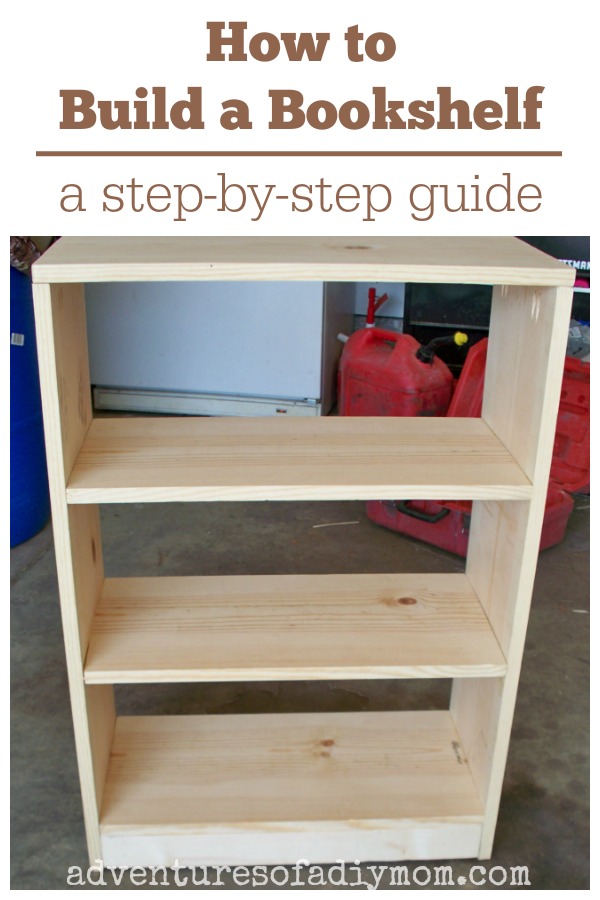
Credit: www.adventuresofadiymom.com
Installing Your Bookshelf
Installing your bookshelf is an important step to make it both functional and safe. Proper installation ensures your shelf holds your books and decorations without any problems. It also keeps your space tidy and stylish.
Wall Mounting Options
Choose the right wall mounting method based on your wall type. Drywall, brick, or wood walls need different anchors and screws. Use a stud finder to locate studs behind drywall for strong support. For brick or concrete, use masonry anchors. Mounting brackets or cleats work well for floating shelves. Secure the shelf firmly to avoid wobbling.
Securing For Safety
Safety matters most when installing a bookshelf. Secure the shelf to the wall to prevent tipping. Use safety straps or brackets to anchor tall shelves. Check all screws and anchors are tight. Avoid overloading the shelves with heavy items. Keep the shelf stable, especially in homes with children or pets.
Styling With Books And Decor
Arrange your books by size, color, or subject for a neat look. Mix in decorative items like small plants, photo frames, or art pieces. Leave some space between objects to avoid clutter. Use horizontal stacks and vertical rows to create visual interest. A well-styled shelf adds charm and personality to any room.
Troubleshooting Common Issues
Building your own bookshelf is rewarding but may bring small problems. These issues can slow your progress or affect the final look. Troubleshooting common problems helps keep your project on track. Here are simple fixes for some usual challenges.
Fixing Wobbly Shelves
Wobbly shelves happen if the frame is not tight enough. Tighten all screws and bolts first. Use a level tool to check shelf balance. Add corner braces inside the frame for extra support. Wood glue can also strengthen weak joints. Let glue dry fully before adding weight.
Dealing With Uneven Surfaces
Uneven floors or walls make shelves tilt or rock. Use shims to level the bookshelf on the floor. Shims are small wedges you place under legs. Sand rough surfaces on the bookshelf base for better contact. Check the shelf with a spirit level often. Adjust until the shelf sits firm and flat.
Repairing Scratches And Dents
Scratches and dents spoil the bookshelf’s appearance. Use wood filler to fill dents. Let it dry, then sand smooth with fine sandpaper. For scratches, try rubbing with a walnut or crayon color close to the wood. Apply wood polish or stain after repairs. This improves the shelf’s look and protects the wood.
Frequently Asked Questions
What Materials Do I Need To Make My Own Bookshelf?
You need wood boards, screws, nails, wood glue, sandpaper, paint or stain, a drill, and a saw. Choose quality wood like pine or oak for durability and aesthetics.
How Much Time Does It Take To Build A Bookshelf?
Building a basic bookshelf typically takes 3 to 6 hours. Time depends on design complexity, tools used, and your experience level.
What Tools Are Essential For Bookshelf Construction?
Essential tools include a saw, drill, screwdriver, measuring tape, level, clamps, and sandpaper. These tools help ensure accuracy and a smooth finish.
How Can I Customize My Bookshelf Design?
Customize by adjusting shelf size, adding doors or drawers, choosing paint colors, or using decorative trims. Tailor design to fit your space and style.
Conclusion
Building your own bookshelf can be a fun and useful project. It saves money and fits your space perfectly. You get to choose the style and size you want. With some basic tools and steps, anyone can do it. Take your time and enjoy the process.
Soon, you will have a shelf that holds your books and shows your work. Try making your own bookshelf and feel proud of what you create. It’s simple, practical, and rewarding. Give it a shot!