Are you tired of your bookshelf looking cluttered and messy? Arranging your books by size can transform your space instantly.
Imagine opening your shelf and seeing a neat, visually pleasing lineup that makes finding your favorite book easier than ever. You’ll discover simple, effective ways to organize your books by size, turning your shelf into a stylish and functional centerpiece.
Keep reading to unlock the secret to a beautifully arranged bookshelf you’ll love every day.
Benefits Of Sorting By Size
Sorting books by size offers several clear benefits. It helps organize your bookshelf in a neat and practical way. This method improves both the look and function of your book collection. The following points explain why arranging books by size is a smart choice.
Maximizing Shelf Space
Books of similar height fit better together. This reduces empty gaps and wasted space. Shelves hold more books without looking cluttered. Using all available space keeps your collection tidy. It also prevents books from falling over or leaning.
Creating Visual Harmony
Books arranged by size create a balanced look. Uniform rows make the shelf appear orderly and calm. Different sizes mixed together can look messy. Size sorting adds a clean, simple style to your room. This makes the bookshelf a pleasant feature, not a distraction.
Easing Book Retrieval
Finding books is easier when sorted by size. You quickly spot the right row or section. Large books stay together; small books group in one place. This saves time and reduces frustration. The shelf becomes user-friendly and efficient for daily use.
Preparing Your Bookshelf
Preparing your bookshelf is the first step to arrange books by size neatly. A well-prepared space helps keep your books safe and easy to find. Taking time to prepare makes the whole process smoother and more enjoyable.
Clearing And Cleaning
Start by removing all books from the shelf. Clear the space completely to see the shelf clearly. Dust the shelves using a soft cloth or duster. Clean corners and edges where dust gathers. A clean shelf looks fresh and keeps books safe from dirt.
Measuring Shelf Dimensions
Measure the width, height, and depth of each shelf. Use a tape measure for accurate results. Write down each measurement for reference. Knowing the dimensions helps you plan where each book will fit. This step saves time and avoids overcrowding.
Gathering Necessary Tools
Collect tools like a tape measure, cloth, and duster. A small step stool can help reach high shelves. Keep a notebook and pen for notes. Having tools ready makes the task easier and faster. Preparation prevents interruptions during your work.
Categorizing Books By Size
Categorizing books by size helps keep your bookshelf neat and tidy. It makes finding books faster and gives your shelf a balanced look. Organizing by size also prevents books from leaning or getting damaged.
Start by sorting books based on their height and width. This approach groups similar books together for a clean and orderly arrangement.
Measuring Height And Width
Use a ruler or tape measure to check each book’s height and width. Write down the measurements for accuracy. Measure from the bottom to the top for height. Measure the spine thickness for width.
Measure carefully to avoid mistakes. Consistent measurements help group books better.
Grouping Similar Dimensions
Put books with similar heights and widths together. This creates uniform rows or stacks. Grouping by size keeps the shelf looking organized and easy to scan.
Separate very tall or wide books from smaller ones. This avoids awkward gaps and keeps the shelf stable.
Labeling For Easy Access
Label each group by size or category. Use simple tags or stickers on the shelf edge. Labels help you quickly find books without moving others around.
Clear labels make your system easy to follow. They save time and keep your bookshelf neat every day.
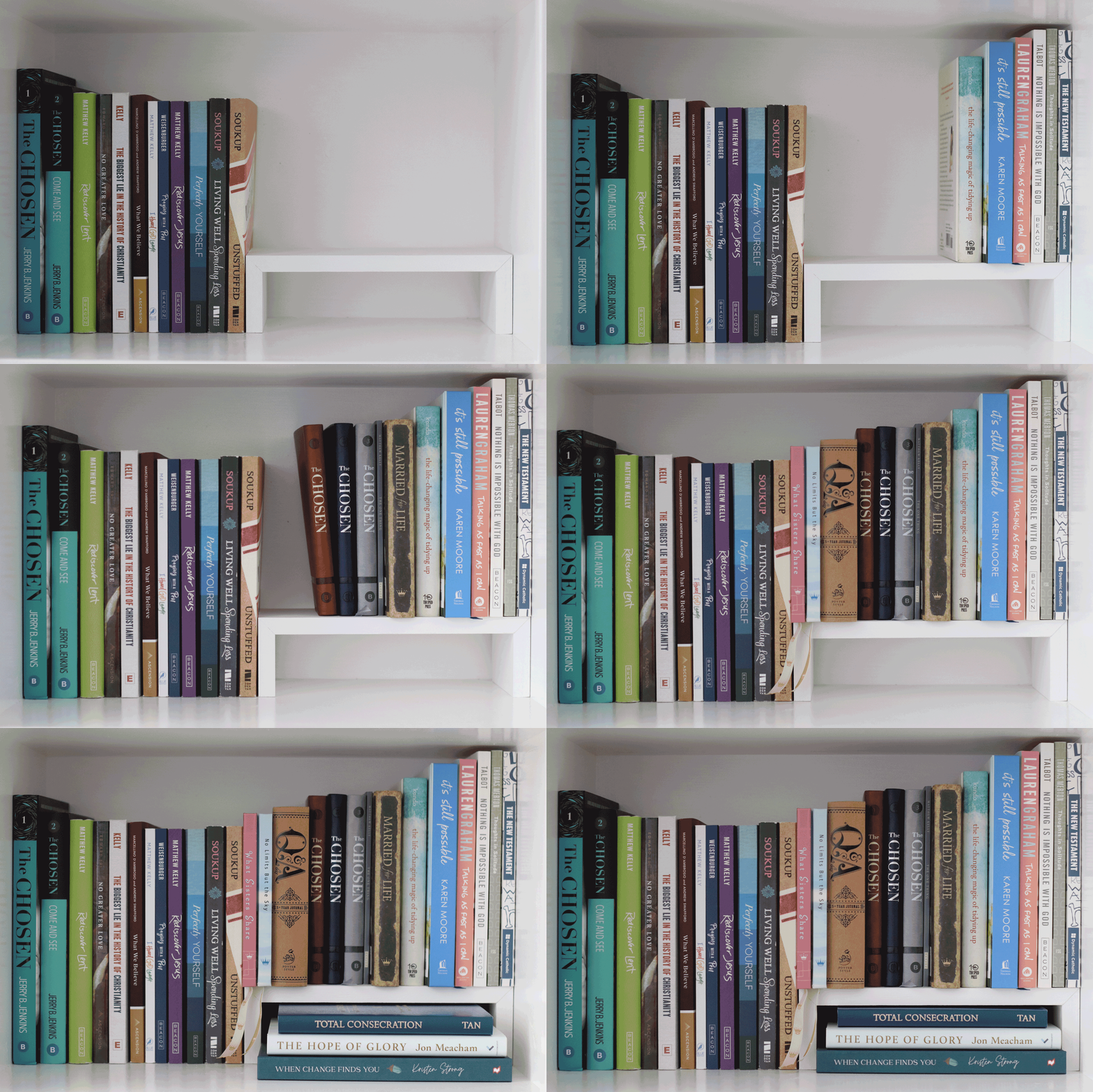
Credit: www.neathousesweethome.com
Arranging Techniques
Arranging books by size on a bookshelf can make your space look neat and stylish. Different techniques create unique looks and help you find books easily. Choose the right style that fits your taste and room.
Tallest To Shortest Order
Place the tallest books on one side of the shelf. Then line up books in order of height, going to the shortest. This method gives a clean, simple look. It also helps in quickly spotting a book by size.
Alternating Heights For Aesthetics
Mix tall and short books side by side. This breaks the monotony and adds visual interest. Alternate heights create a balanced and playful design. It works well for shelves with many books of different sizes.
Stacking Horizontally And Vertically
Combine vertical rows with horizontal stacks. Use horizontal stacks for smaller or delicate books. Vertical rows hold larger books upright. This mix saves space and adds texture to your shelf display.
Combining Size With Other Factors
Arranging books by size creates a neat and organized look. Combining size with other factors can make your bookshelf both beautiful and practical. It helps to create balance, improve access, and add personality to your space. Consider mixing size with color, genre, or function to get the best result.
Color Coordination
Use book colors to enhance size arrangement. Group books with similar colors together. This adds visual harmony and makes your shelf attractive. Color coordination helps break the monotony of size-only sorting. It creates a fresh and lively display.
Genre Or Subject Grouping
Organize books by genre or subject within size groups. This keeps your collection easy to navigate. Readers find books faster and enjoy browsing. It also gives your shelf a clear structure. Size and genre together balance order and interest.
Balancing Function And Style
Think about how you use your bookshelves. Place favorite or often-read books in easy-to-reach spots. Mix decorative items with books for style. Size arrangement supports function by grouping heavy or large books together. This protects your shelf and keeps it stable.

Credit: www.reddit.com
Maintaining Your Arrangement
Keeping your bookshelf neat after arranging books by size takes some effort. A well-maintained shelf looks tidy and helps you find books fast. Small tasks done regularly stop the shelf from becoming messy. Here are some ways to maintain your arrangement and keep your books in order.
Regular Reorganization
Check your bookshelf every few weeks. Take out books and put them back by size again. This keeps the order clear and prevents mixing up. Dust the shelves while reorganizing. It keeps the shelf clean and fresh.
Handling New Additions
Place new books by size as soon as you get them. Avoid stacking them on top or piling in random spots. Find the right space to fit them neatly. This stops clutter and keeps the size order consistent.
Preventing Shelf Clutter
Limit the number of books on each shelf. Too many books make it hard to keep size order. Remove old or unread books from time to time. Use bookends to hold books upright. This keeps the shelf tidy and prevents books from falling.

Credit: www.reddit.com
Frequently Asked Questions
How Do I Start Arranging Books By Size?
Begin by sorting your books from tallest to shortest. This creates a visually pleasing and organized look on your shelf.
What Benefits Come From Arranging Books By Size?
Arranging by size enhances shelf aesthetics and maximizes space efficiency. It also makes finding books easier.
Should I Mix Book Genres When Arranging By Size?
Yes, mixing genres is fine. Size arrangement focuses on visual harmony, regardless of book content or genre.
Can Arranging By Size Protect My Books?
Yes, it helps prevent damage. Proper size alignment reduces strain on book spines and keeps shelves balanced.
Conclusion
Arranging books by size creates a neat and tidy look. It makes finding books easier and faster. Small books fit well on shorter shelves. Tall books stand out nicely on higher shelves. This simple method helps keep your space organized.
Try it out and see the difference yourself. A well-arranged bookshelf feels calm and inviting. Enjoy your books in a way that looks good too.