Are you ready to create a cozy and sturdy bunk bed that lasts? Using treated wood is a smart choice to keep your bed strong and safe for years.
In this guide, you’ll learn simple steps to build your own bunk bed with treated wood, even if you’re new to woodworking. Imagine saving money, customizing your design, and having a bed that fits perfectly in your space. Keep reading, and you’ll discover easy tips and tricks to make your project a success from start to finish.
Materials And Tools
Building a bunk bed requires the right materials and tools. Using treated wood makes the bed strong and long-lasting. It also protects against insects and moisture. Gathering all necessary items before starting saves time and effort.
Selecting Treated Wood
Choose treated wood that is smooth and free of cracks. Pine and cedar are good options. Look for boards that are straight and have no warps. The wood should be thick enough to hold weight safely. Pressure-treated lumber resists rot and insect damage. Avoid wood with splinters or rough patches. This ensures a safe and sturdy bunk bed.
Essential Tools List
Use a saw to cut the wood pieces to size. A drill helps make holes for screws and bolts. Sandpaper smooths rough edges for safety. A tape measure ensures accurate cuts and fits. Screwdrivers or a power driver fasten parts firmly. Clamps hold wood steady during assembly. A carpenter’s square keeps corners straight. All these tools help build the bunk bed correctly.
Safety Gear
Wear safety goggles to protect your eyes from dust and wood chips. Use gloves to avoid splinters and cuts. Ear protection is important when using loud power tools. A dust mask prevents inhaling sawdust. Dress in close-fitting clothes to avoid getting caught. Safety gear reduces the risk of injuries while building.

Credit: www.amazon.com
Planning Your Bunk Bed
Planning your bunk bed is the first step to building a safe and sturdy piece. Good planning saves time and materials. It helps avoid mistakes and ensures the bed fits the room well. Think about the room size, the users, and how the bed will be used. Careful planning makes the building process smoother.
Measuring Space
Measure the room where the bunk bed will go. Check the floor space and the height of the ceiling. Leave extra space around the bed for easy movement. Measure doorways and stairs to ensure the bed can be moved inside. Accurate measurements prevent problems during installation.
Design Considerations
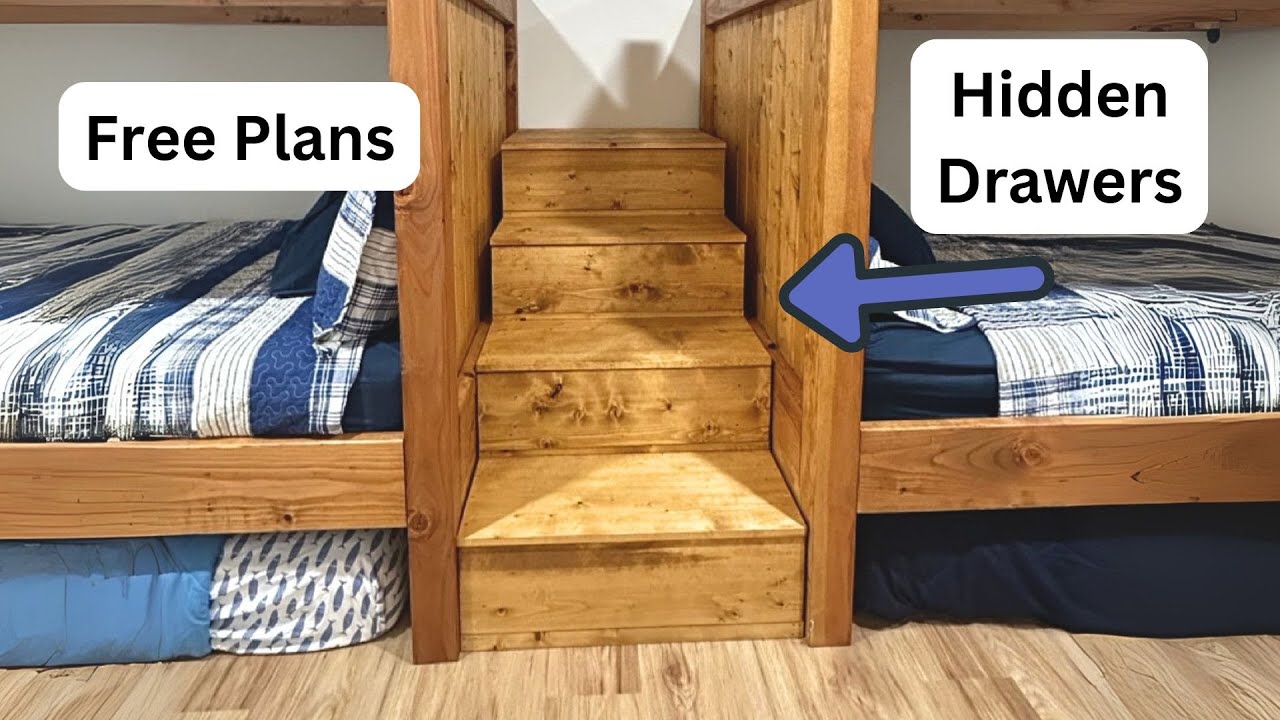
Decide on the bunk bed style. Choose between a classic bunk bed or one with storage. Think about safety features like guardrails and ladder type. Consider the weight the bed must hold. Plan for enough headroom between the two beds. These choices affect comfort and safety.
Choosing Dimensions
Pick standard mattress sizes for easy bedding options. The most common sizes are twin, full, and queen. Make the bed frame slightly larger than the mattress. Allow 30 to 36 inches of space between the top and bottom beds. This space keeps the top bunk from feeling cramped.
Cutting And Preparing Wood
Cutting and preparing wood is a key step in building a sturdy bunk bed with treated wood. This stage ensures all pieces fit well together. Proper preparation also makes the bed safe and strong. Take your time to do it right. Accuracy here saves time later and improves the final look.
Marking Measurements
Start by measuring each piece of wood carefully. Use a tape measure and pencil for clear marks. Double-check every measurement before marking. Draw straight lines with a square or ruler to guide your cuts. Mark each piece clearly to avoid confusion during cutting.
Cutting Techniques
Use a saw suitable for treated wood, like a circular saw or handsaw. Follow your marked lines closely for straight cuts. Cut slowly to avoid splintering the wood. Keep your hands steady and away from the blade. Always wear safety glasses and gloves while cutting.
Sanding And Smoothing
After cutting, sand each edge to remove rough spots. Use medium-grit sandpaper first, then fine grit for a smooth finish. Sand with the grain to prevent scratches. Smooth edges protect the wood and prevent splinters. Clean dust off the wood before assembly for better adhesion.
Building The Frame
Adding support components is key for a strong bunk bed. These parts keep the bed stable and safe. Proper support prevents wobbling and keeps the wood from bending. Follow these steps to add solid support to your bunk bed.
Installing Slats
Slats hold the mattress and spread the weight evenly. Cut treated wood slats to fit between the bed frames. Space slats about 2 to 3 inches apart. Secure slats with screws to avoid movement. Use at least 10 slats for good support.
Reinforcing Joints
Joints are weak spots without reinforcement. Use metal brackets or corner braces at each joint. Screw them tightly to the wood for extra strength. Reinforce all corners and connections. This keeps the bed frame sturdy and long-lasting.
Adding Ladder
A ladder is essential for bunk bed access. Use treated wood for durability and safety. Attach ladder rungs evenly spaced for easy climbing. Fix the ladder firmly to the bed frame. Check that the ladder does not wobble or shift.
Adding Support Components
Safety is very important when building a bunk bed with treated wood. A strong and safe bunk bed keeps everyone safe and comfortable. Follow these safety tips to avoid accidents and problems.
Weight Limits
Know the weight limits for each bunk bed level. Treated wood is strong but has limits. Check the wood’s strength and use strong screws and bolts. Do not let children or adults exceed the weight limit. This keeps the bed stable and safe.
Avoiding Sharp Edges
Sand all edges and corners well. Sharp edges can cause cuts and injuries. Use sandpaper or a sanding block to smooth the wood. Cover corners with safety pads if needed. This helps prevent accidents, especially for young children.
Regular Maintenance
Check the bunk bed often for loose screws and cracks. Tighten screws if they become loose. Look for any wood damage or splinters. Fix problems immediately to keep the bed safe. Regular care makes the bunk bed last longer and stay strong.
Credit: www.ana-white.com

Credit: ebansal.com
Frequently Asked Questions
What Is Treated Wood And Why Use It For Bunk Beds?
Treated wood is wood infused with preservatives to resist decay and insects. It ensures durability and safety, making it ideal for sturdy bunk beds.
How To Choose The Right Treated Wood For Bunk Beds?
Select treated wood that is smooth, strong, and free from warping. Pine and cedar are common choices offering durability and safety.
What Tools Are Needed To Build A Bunk Bed With Treated Wood?
You need a saw, drill, screws, measuring tape, sandpaper, and a level for accurate assembly and finishing.
How To Ensure Safety When Building Bunk Beds With Treated Wood?
Use strong joinery, secure guardrails, and smooth edges. Regularly check stability and avoid toxic finishes to keep beds safe.
Conclusion
Building a bunk bed with treated wood is safe and strong. Treated wood lasts long and resists damage well. Follow the steps carefully to make a sturdy bed. Use the right tools and measure twice before cutting. Take your time to ensure every piece fits well.
This project saves money and adds a personal touch. Enjoy the satisfaction of creating something useful yourself. Your kids will love their new bunk bed. A simple plan and some effort lead to great results.