Choosing the right mattress thickness for your bunk bed can feel tricky. You want your mattress to be comfy, safe, and just the right size for your bed frame.
If it’s too thick, it might be unsafe. If it’s too thin, your sleep won’t be restful. So, how thick should your bunk bed mattress really be? Keep reading, and you’ll discover the perfect balance that keeps you cozy and secure every night.
Ideal Mattress Thickness
Bunk bed mattresses are usually between 6 to 8 inches thick. This thickness fits safety rails and ensures comfort. Too thick a mattress can reduce guardrail height, increasing risk.
Standard Thickness Ranges
Bunk bed mattresses usually range from 6 to 8 inches thick. This thickness fits well under safety rails. It also keeps the bed stable and safe for kids. Mattresses thinner than 6 inches may feel too hard. Thicker than 8 inches can make the bed less safe.
Choosing a mattress within this range balances comfort and safety. It works well for most bunk bed frames. The right thickness prevents falls and adds good support.
Factors Influencing Thickness Choice
Age and weight of the sleeper affect mattress thickness choice. Younger children often need thinner mattresses. They fit better and stay secure on bunk beds. Older kids or teens might prefer thicker mattresses for comfort.
The bunk bed frame design also matters. Some frames allow only thinner mattresses. Others can hold thicker ones safely. Mattress material plays a role too. Foam mattresses can be thinner but still soft. Innerspring mattresses might need more thickness to provide support.
Credit: eachnight.com
Safety Considerations
Safety is the top concern when choosing a mattress for a bunk bed. The mattress thickness affects the bed’s safety features. A mattress that is too thick or too thin can increase the risk of falls or injuries. Parents should pay attention to mattress size and guardrail height to keep children safe.
Guardrail Height And Mattress Size
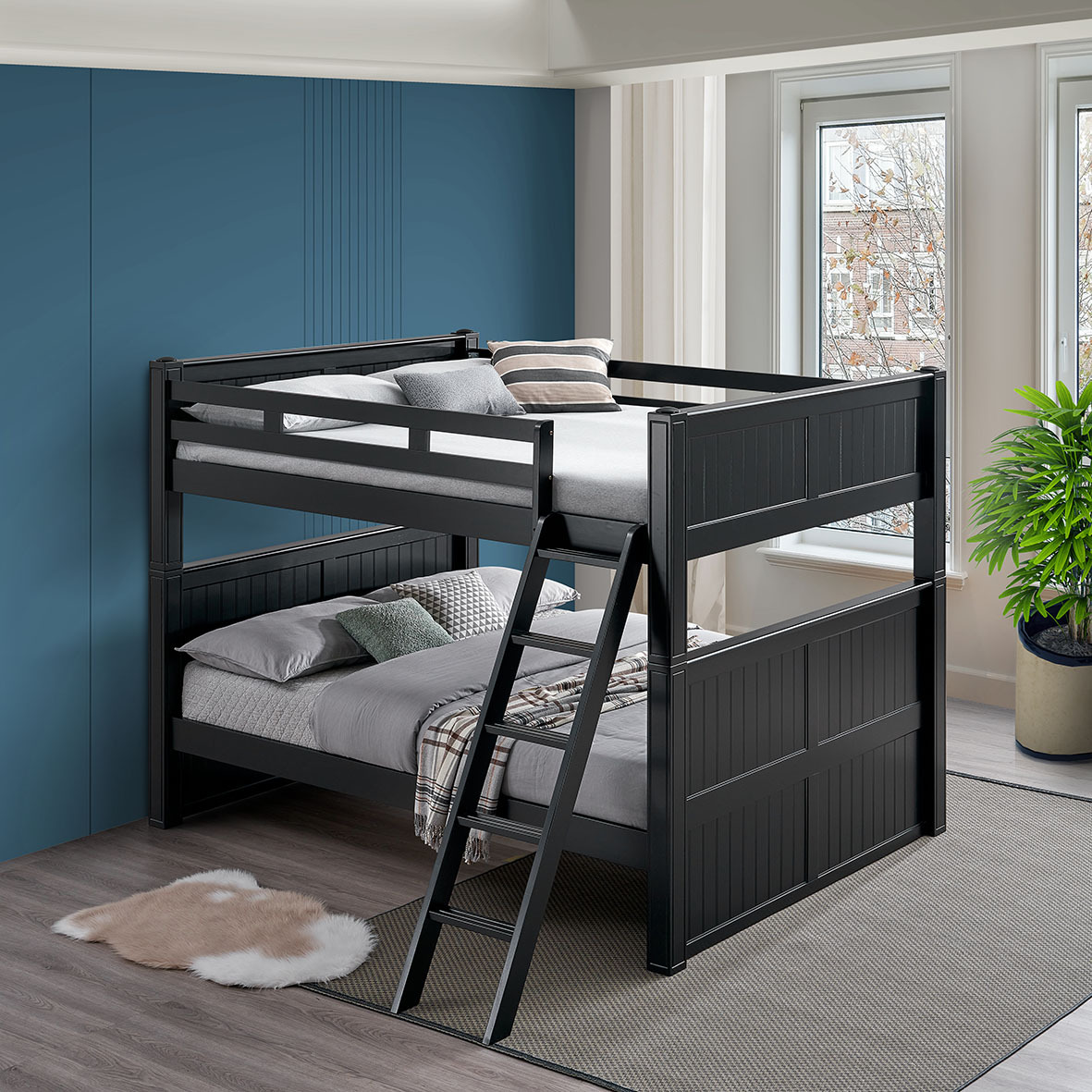
Guardrails prevent children from rolling off the top bunk. The mattress height can affect how well the guardrail works. A mattress too thick may lower the guardrail’s effectiveness. The mattress top should be at least 5 inches below the guardrail’s top. This space helps stop children from falling over.
Standard bunk bed mattresses usually range from 6 to 8 inches thick. This thickness fits well with most guardrails. Always measure the bed frame and guardrails before buying a mattress. The right mattress size keeps the bed safe and comfortable.
Preventing Falls And Injuries
Choosing the right mattress thickness helps prevent falls. Thin mattresses may make the bed frame feel hard and uncomfortable. Thick mattresses can push the sleeper too close to the guardrail top. Both situations increase the chance of falling or injury.
Use mattresses that meet safety standards for bunk beds. Check labels for thickness and firmness recommendations. A mattress between 6 to 8 inches thick usually works best. This range offers good support and fits well under guardrails. Keep the sleeping area safe and reduce risks of injury.
Comfort Factors
Comfort is key for bunk bed mattresses. The right mattress makes a big difference in sleep quality. Thickness plays a role, but comfort depends on other factors too.
These factors include firmness, support, and the mattress material. Each affects how the mattress feels and how well it supports the body. Understanding these helps pick the best mattress for a bunk bed.
Mattress Firmness And Support
Firmness affects how soft or hard a mattress feels. A mattress that is too soft may not support the body well. Too firm can cause pressure points and discomfort.
Support means how well the mattress keeps the body aligned. Good support prevents back pain and improves sleep quality. Medium-firm mattresses often balance comfort and support well for bunk beds.
Material Types And Thickness
Mattress materials impact comfort and durability. Common types include foam, innerspring, and hybrid mattresses. Foam mattresses often feel soft and contour to the body.
Innerspring mattresses provide firmer support and more bounce. Hybrid mattresses combine foam and springs for balanced comfort. Thickness varies but usually ranges from 6 to 8 inches for bunk beds.
Thicker mattresses offer more cushioning but may not fit well in bunk bed frames. Choose a mattress thickness that fits the frame and meets comfort needs.

Credit: www.justbunkbeds.com
Age And Weight Guidelines
Choosing the right bunk bed mattress depends a lot on age and weight. These guidelines help keep safety and comfort in mind. Mattresses that are too thick or thin can cause problems. The right thickness supports growing bodies and fits bunk bed frames well.
Mattress Recommendations By Age
For toddlers, a mattress 4 to 6 inches thick works best. It keeps them close to the bed frame and safe from falls. Kids aged 6 to 12 should use mattresses 6 to 8 inches thick. This thickness offers better comfort and support for active kids. Teens and adults need mattresses 8 to 10 inches thick. This helps support their weight and provide a good night’s rest.
Weight Capacity And Thickness
Mattress thickness often matches the weight it can hold. Thin mattresses hold less weight and wear out faster. Thicker mattresses offer better support for heavier sleepers. Check mattress labels for weight limits. A mattress too thin for the sleeper’s weight may sag or damage the frame. Choose a mattress that fits both the weight and the bunk bed frame size.
Popular Mattress Materials
Choosing the right mattress material is key for bunk beds. Each type affects comfort and mattress thickness. Understanding popular options helps pick the best fit. Here are three common mattress materials for bunk beds.
Foam Mattresses
Foam mattresses are lightweight and easy to handle. They often range from 4 to 8 inches thick. Memory foam adapts to body shape, offering good support. These mattresses reduce pressure points and absorb movement well. Foam is a popular choice for kids and adults alike.
Innerspring Mattresses
Innerspring mattresses contain metal coils for support. Thickness usually ranges from 6 to 10 inches. They provide firm support and good airflow. These mattresses tend to be heavier than foam. Ideal for those who prefer a traditional bounce and feel.
Hybrid Options
Hybrid mattresses combine foam layers and innerspring coils. Thickness varies, commonly between 7 and 12 inches. They balance softness and support effectively. Hybrids suit users who want benefits from both foam and springs. These mattresses often last longer and provide versatile comfort.
Measuring Your Bunk Bed
Measuring your bunk bed mattress correctly is very important. It helps you find the right mattress thickness. A mattress that fits well keeps the bed safe and comfortable. Start by measuring the bed frame and checking the room space. These steps guide you to choose the best mattress size and thickness for your bunk bed.
Checking Bed Frame Dimensions
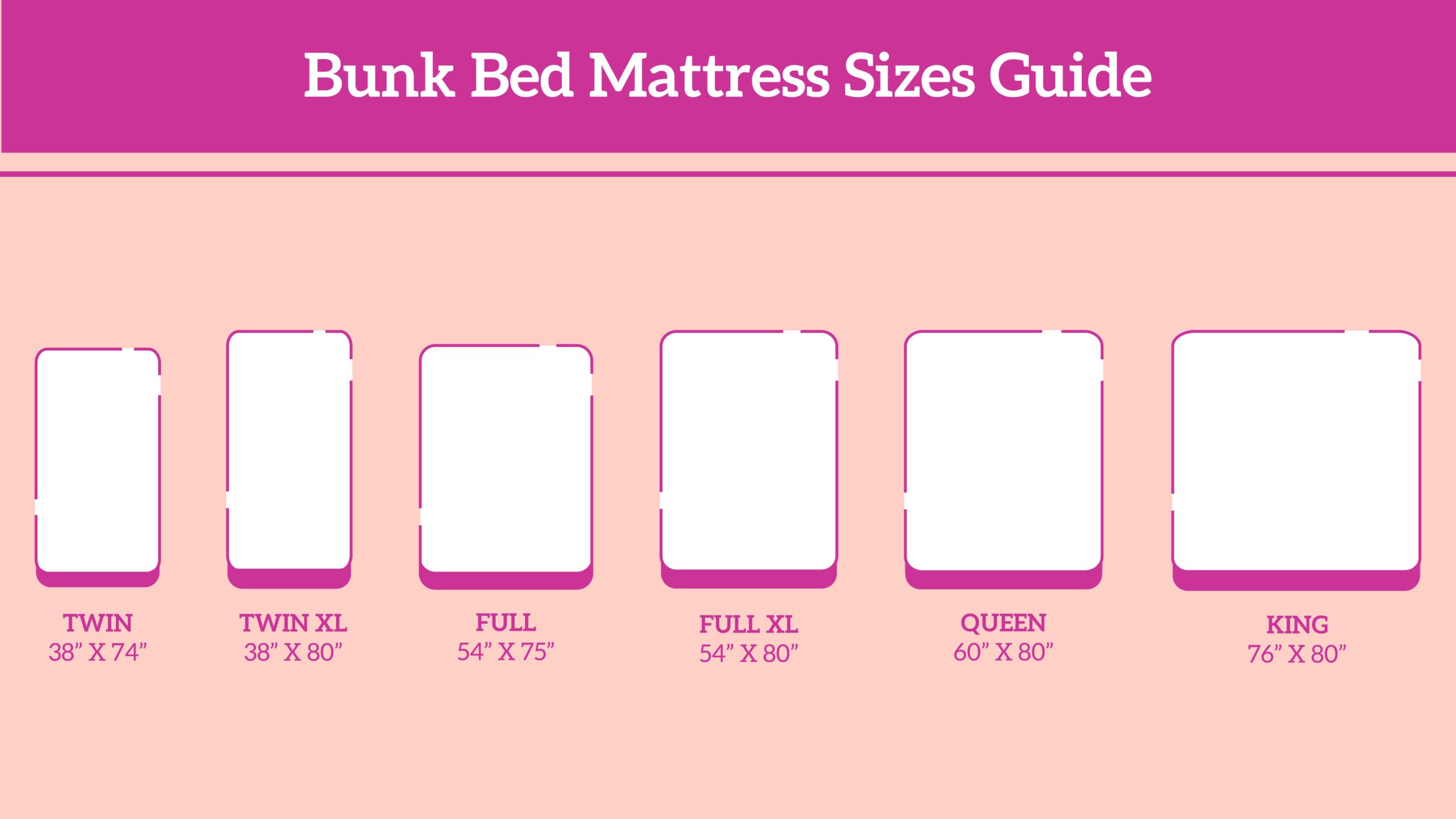
Use a tape measure to find the length and width of the bunk bed frame. Measure from inside edge to inside edge. This shows the mattress area exactly. Write down these numbers. Also, check the mattress support type, like slats or a solid base. It affects mattress thickness choice. Make sure the mattress fits snugly without gaps.
Considering Bed Height And Room Space
Measure the total height of the bunk bed from floor to top. Note the height between the bottom and top bunk. This space limits mattress thickness for the top bunk. Also, check the room’s ceiling height. Leave enough space for sitting up safely. A thinner mattress may be needed to avoid hitting the ceiling or top bunk frame.
Tips For Choosing The Right Mattress
Choosing the right mattress for a bunk bed requires careful thought. The mattress must fit well and keep safety in mind. Comfort matters, but so does the thickness. This section offers clear tips to help you pick the best mattress for your bunk bed.
Balancing Thickness With Safety
Mattress thickness affects safety on the top bunk. Too thick can raise the sleeper too high. This increases the risk of falling out. Too thin may feel uncomfortable for sleeping. A mattress between 6 to 8 inches thick works well. It fits the bunk frame and keeps the guardrails effective. Always check the bunk bed’s safety rules before choosing.
Budget-friendly Options
Good mattresses do not have to be expensive. Many affordable mattresses meet safety and comfort needs. Foam mattresses often cost less and fit most bunk beds. Look for those with good reviews and proper thickness. Avoid very cheap mattresses that are too thin or poor quality. A wise choice saves money and offers a good night’s sleep.
Credit: www.justbunkbeds.com
Maintenance And Longevity
Maintaining a bunk bed mattress properly helps it last longer. Regular care keeps it clean and comfortable. A well-kept mattress supports better sleep and safety for kids. This section shares easy tips for cleaning and signs to replace your mattress.
Cleaning And Care Tips
Remove the mattress cover and wash it often. Use mild detergent and cold water. Air dry the cover to keep its shape. Vacuum the mattress surface weekly to remove dust and dirt. Spot clean stains quickly using a damp cloth. Avoid soaking the mattress to prevent mold. Rotate the mattress every few months. This helps even out wear and sagging. Keep pets off the bunk bed to reduce hair and odors.
When To Replace Your Mattress
Check your mattress for lumps or sagging. These affect comfort and support. If you wake up with aches, it may be time for a new mattress. Mattresses usually last around 6 to 8 years. Older mattresses can harbor dust mites and allergens. Replace the mattress if it smells bad or has stains. A fresh mattress ensures safe and restful sleep for your child.
Frequently Asked Questions
What Is The Ideal Thickness For Bunk Bed Mattresses?
The ideal thickness for bunk bed mattresses is between 6 to 8 inches. This thickness offers comfort and safety while fitting the bed frame properly.
Can A Mattress Thicker Than 8 Inches Be Used On Bunk Beds?
Mattresses thicker than 8 inches are not recommended for bunk beds. They can pose safety risks by reducing guardrail effectiveness and may not fit securely.
How Does Mattress Thickness Affect Bunk Bed Safety?
Thicker mattresses can reduce the height of guardrails, increasing fall risks. Choosing a mattress 6 to 8 inches thick balances comfort and safety.
Are Thinner Mattresses Suitable For Bunk Beds?
Thinner mattresses under 6 inches may lack proper support and comfort. It’s best to select a mattress that’s at least 6 inches thick for durability.
Conclusion
Choosing the right thickness for bunk bed mattresses is important. It keeps sleepers safe and comfortable. Most bunk beds work well with mattresses between 6 to 8 inches thick. Too thick, and safety rails lose protection. Too thin, and comfort may suffer.
Consider the bed frame and who will use it. A good mattress supports rest and prevents falls. Keep these points in mind for a good night’s sleep. Simple choices make a big difference in bunk bed safety and comfort.