Are you thinking about getting a loft bed but wondering how tall the top bunk really is? Knowing the height of the top bunk is more important than you might think.
It affects your comfort, safety, and how well the bed fits in your room. Whether you’re planning for a kid’s room or your own space, understanding the exact height can help you make the best choice. Keep reading, and you’ll discover everything you need to know about the top bunk’s height—so you can feel confident about your decision.

Credit: www.maxtrixkids.com
Standard Loft Bed Heights
Standard loft bed heights vary based on design and purpose. Most loft beds raise the top bunk high enough to create space underneath. This space can be used for a desk, storage, or play area. Knowing typical heights helps buyers choose the right bed for their room size and needs.
Common Top Bunk Measurements
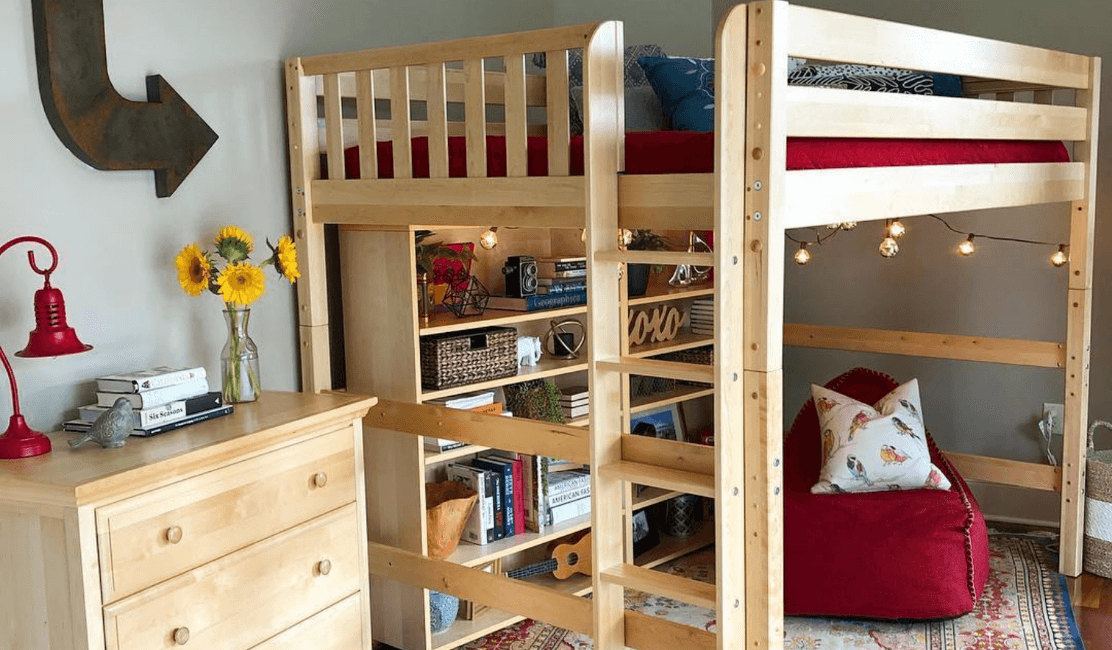
The top bunk usually stands between 50 and 70 inches from the floor. Many beds measure around 60 inches tall at the top bunk. This height allows enough room below for furniture or activities. The exact height depends on mattress thickness and frame style. Guardrails add a few inches to the total height for safety.
Variations By Bed Design
Loft beds with desks underneath are generally taller. These can reach up to 75 inches or more. Beds designed for younger children tend to be shorter for safety. Some models have adjustable heights to fit different spaces. Metal frames often allow slimmer designs than wooden ones. Each design changes the top bunk height slightly.
Credit: www.maxtrixkids.com
Factors Influencing Top Bunk Height
The height of the top bunk on a loft bed depends on several key factors. These factors affect comfort, safety, and how well the bed fits in your room. Understanding them helps you choose the right loft bed height for your space and needs.
Mattress Thickness
The mattress thickness adds to the total height of the top bunk. Thicker mattresses raise the sleeper higher. A thin mattress keeps the bunk lower but may reduce comfort. Choose a mattress thickness that balances comfort and safety.
Bed Frame Construction
The design and materials of the bed frame affect the top bunk height. Some frames have taller guardrails and ladders, adding extra height. Metal and wood frames can differ in size and shape. Stronger frames often mean higher bunks for better support.
Ceiling Clearance
Room height limits how tall the top bunk can be. Enough space between the top bunk and ceiling prevents bumps. A low ceiling requires a lower bunk height for safety. Measure your room’s height before choosing a loft bed.
Safety Considerations
Safety is the most important part of using a loft bed. The top bunk is high off the ground. This height can cause falls or injuries without safety rules. Understanding safety helps keep everyone safe and comfortable. Below are key safety points to check for any loft bed.
Guardrail Requirements
Guardrails stop people from falling off the top bunk. They must be strong and high enough. The guardrail should be at least 5 inches above the mattress. It must cover the long sides of the bed. Small gaps should be avoided to stop slipping through. Proper guardrails make the top bunk safer for children and adults.
Headroom Space
Headroom is the space between the top bunk and the ceiling. Enough headroom stops bumps and injuries. A minimum of 33 inches is best for comfort. Too little space makes sitting or moving hard. Check the room height before buying a loft bed. Proper headroom helps users move easily and safely.
Access Ladder Placement
The ladder must be easy and safe to use. Place it where there is enough space to climb. The ladder should be firmly fixed to the bed frame. Steps must be wide and non-slip to prevent falls. Avoid ladders that are too steep or narrow. Good ladder placement reduces accidents and makes climbing simple.
Choosing The Right Loft Bed Height
Choosing the right loft bed height is important for comfort and safety. The height affects how easy it is to climb and how much space remains below the bed. It also impacts how well the bed fits in the room. This section helps you pick the best height based on needs and room size.
Age And User Needs
Children need lower loft beds for safety and ease. Younger kids may struggle with high beds. Adults or teens can handle taller loft beds. Consider the user’s height and climbing ability. Safety rails are important for all ages.
Room Size And Layout
Measure your room’s height before choosing a loft bed. Leave enough space above the bed to sit up comfortably. Taller loft beds fit rooms with high ceilings. Small rooms benefit from lower loft beds to avoid crowding. Think about furniture placement around the bed.
Multi-purpose Uses
Loft beds often include space for desks or storage below. Taller beds give more room for a desk or play area. Lower beds work well if storage is minimal. Decide if you want space for study, play, or storage under the bed. Match the bed height to the intended use.
Measuring Your Loft Bed
Measuring your loft bed helps you understand the space it occupies. This is important for safety and room planning. Knowing the height of the top bunk ensures enough headroom. It also helps in choosing the right mattress and bedding.
Tools Needed
Gather a tape measure or a ruler. A step stool or ladder can help reach high spots. Use a notebook and pen to write down measurements. A helper can make the process easier and safer.
Step-by-step Measurement Guide
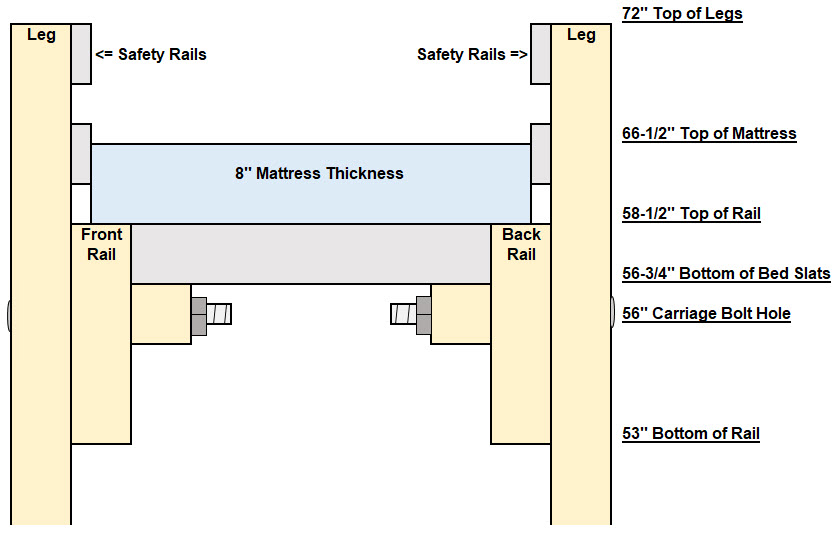
Start by measuring from the floor to the top edge of the loft bed frame. This gives the total height of the bed. Next, measure from the floor to the top bunk’s sleeping surface. Then, check the distance from the top bunk to the ceiling. This space shows how much headroom is available. Finally, record all measurements clearly. Double-check for accuracy before using the data.
Credit: www.collegebedlofts.com
Frequently Asked Questions
How Tall Is The Top Bunk On A Loft Bed?
The top bunk on a loft bed typically ranges from 55 to 72 inches high. Height varies by design and manufacturer. Always check specific product details to ensure it fits your room and safety needs.
What Is The Standard Height For Loft Bed Top Bunks?
Standard top bunk height on loft beds is usually around 60 to 65 inches. This height allows enough space underneath for desks or storage while maintaining safe head clearance.
How Much Space Is Needed Above A Loft Bed Top Bunk?
A minimum of 33 inches is recommended above the top bunk for comfortable sitting. This clearance prevents head injuries and improves comfort when using the loft bed.
Does Mattress Thickness Affect Loft Bed Top Bunk Height?
Yes, mattress thickness adds to overall height. Loft beds are designed for mattresses up to 8-10 inches thick to maintain safety and adequate headroom.
Conclusion
The top bunk on a loft bed usually sits between five and six feet high. This height gives enough space below for a desk or storage. Make sure to check your room’s ceiling height before buying. Safety is key, so choose a loft bed with sturdy rails.
Measure carefully to avoid bumping your head. A well-chosen loft bed saves space and adds fun. Now you know how tall the top bunk typically is. Time to pick the best one for your needs!