Are you tired of cramped spaces and cluttered desks? Imagine having a cozy bunk bed that also doubles as a functional workspace—saving you room and adding style to your room.
Building your own bunk bed desk might sound tricky, but with the right steps, you can create a perfect setup tailored just for you. In this guide, you’ll discover simple tips and tricks that make the process easy and rewarding.
Ready to transform your space and boost your productivity? Keep reading, because your ideal bunk bed desk is closer than you think.
Choosing The Right Materials
Choosing the right materials is key for building a strong and safe bunk bed desk. The materials affect the bed’s look, durability, and ease of assembly. Picking quality supplies helps the project last for years.
Think about the weight the bed will hold. Also, consider the desk space and style you want. Good materials make your work easier and the final product better.
Selecting Wood Types
Wood is the main material for most bunk bed desks. Solid wood like pine, oak, or maple works well. Pine is affordable and easy to cut. Oak and maple are harder and last longer but cost more.
Choose wood with few knots or cracks. Smooth wood helps with sanding and painting. Avoid soft woods that can bend or break easily.
Essential Tools Needed
Gathering the right tools saves time and effort. A saw is needed for cutting wood to size. A drill helps make holes for screws. Sandpaper smooths rough edges.
A screwdriver or power driver tightens screws fast. A tape measure ensures accurate cuts. Clamps hold pieces steady while working.
Hardware And Fasteners
Use strong screws and bolts for safety. Wood screws with coarse threads hold wood tightly. Bolts with washers prevent wood from splitting.
Brackets add extra support to corners. Make sure all hardware is rust-resistant. This keeps the bed sturdy and safe for years.
Planning Your Design
Planning your design is the first step in building a bunk bed desk. It helps you create a clear idea of what you want. This step saves time and avoids mistakes during construction.
Measuring Your Space
Measure the room carefully. Check the height, width, and length where the bunk bed desk will go. Make sure there is enough space to move around comfortably. Don’t forget to measure the ceiling height too. This prevents the top bunk from being too close to the ceiling.
Sketching The Layout
Draw a simple sketch of your bunk bed desk. Include the bed, desk, and any shelves or storage. Use your measurements to keep it accurate. A clear layout helps you plan materials and tools. It also shows how the bed and desk fit in the room.
Safety Considerations
Think about safety from the start. The bed frame must be strong and stable. Use guardrails on the top bunk to stop falls. Check that the ladder is easy to climb and secure. Leave enough space between the desk and bed to avoid bumps. Safety keeps everyone safe and happy.
Building The Bed Frame
Building the bed frame is the first big step in making your bunk bed desk. A strong frame keeps the bed safe and steady. It also holds the desk part securely. Follow each step carefully to build a frame that lasts long and supports weight well.
Cutting And Preparing Wood
Start by choosing good quality wood. Pine or fir wood works well and is easy to handle. Measure each piece carefully before cutting. Use a saw to cut the wood to the right size. Sand the edges to make them smooth. This prevents splinters and helps the pieces fit better.
Assembling The Frame
Lay out all the cut pieces on a flat surface. Join the side rails with the head and foot boards first. Use wood screws and a drill for strong joints. Check that the frame is square by measuring diagonals. Tighten all screws but do not force the wood. Keep the frame level and sturdy.
Securing Support Beams
Add support beams inside the frame for extra strength. Place them evenly under where the mattress will sit. Attach beams using screws and brackets. This stops the mattress from sagging. Double-check all connections to make sure they are tight. This step keeps the bed safe to use every day.

Credit: www.youtube.com
Constructing The Desk Area
Constructing the desk area is a key step in building your own bunk bed desk. This part focuses on creating a functional workspace that fits well under the bed. It must be sturdy, comfortable, and tailored to your needs.
Pay attention to the size and placement. A well-planned desk space can make studying or working much easier. Let’s break down the process into three main parts.
Designing The Workspace
Start by measuring the space under the bunk bed. Consider the height and width available. Plan enough room for a chair and leg space. Choose a desk height that suits your comfort. Keep the design simple to save materials and effort. Think about lighting; a well-lit area improves focus.
Attaching The Desk Surface
Select a solid board for the desk surface, like plywood or MDF. Cut it to fit the measured space perfectly. Use brackets or strong screws to secure the desk to the bunk bed frame. Make sure it is level and stable. Double-check the attachments for safety. Sand the edges to avoid splinters.
Adding Storage Options
Storage helps keep the desk tidy. Attach shelves or small drawers under or beside the desk. Use wall-mounted organizers for pens and papers. Choose storage that fits the size of your desk area. Keep items within easy reach for convenience. Neat storage creates a pleasant workspace.
Finishing Touches
Finishing touches bring your bunk bed desk project to life. These final steps improve safety, look, and feel. Take time to complete each carefully for the best result. Small details make a big difference in the final product.
Sanding And Smoothing
Start with sanding all wooden surfaces. Use medium grit sandpaper first. Then, switch to fine grit for a smooth finish. Sand edges to avoid splinters. Smooth surfaces help paint or stain stick better. Always sand in the direction of the wood grain. Wipe dust off with a damp cloth before the next step.
Painting Or Staining
Choose paint or stain based on your style. Paint offers color and hides imperfections. Stain shows natural wood beauty and grain. Apply primer before painting for better coverage. Use a brush or roller for even coats. Let each coat dry fully before the next. Finish with a clear sealant for protection against wear.
Installing Safety Rails
Safety rails prevent falls from the top bunk. Measure and cut rails to fit securely. Attach them firmly to the bed frame. Use screws, not nails, for a stronger hold. Check that rails stand high enough to protect sleepers. Test rails by applying pressure. Ensure stability before use. Safety is key for peace of mind.

Credit: www.youtube.com
Tips For Maintenance
Keeping your bunk bed desk in good shape ensures safety and durability. Simple maintenance tasks can extend its life. Regular care also keeps the desk looking neat and fresh.
Regular Inspection
Check the bunk bed desk often for any signs of damage. Look for cracks, loose parts, or worn-out areas. Early detection helps prevent bigger problems. Make it a habit to inspect every few weeks.
Tightening Hardware
Screws and bolts may loosen over time. Use a screwdriver or wrench to tighten them regularly. This keeps the desk stable and safe. Pay special attention to joints and connection points.
Cleaning Guidelines
Dust the desk with a soft cloth to avoid scratches. Use mild soap and water for tougher stains. Avoid harsh chemicals that can damage the finish. Dry the surface well after cleaning to prevent water damage.
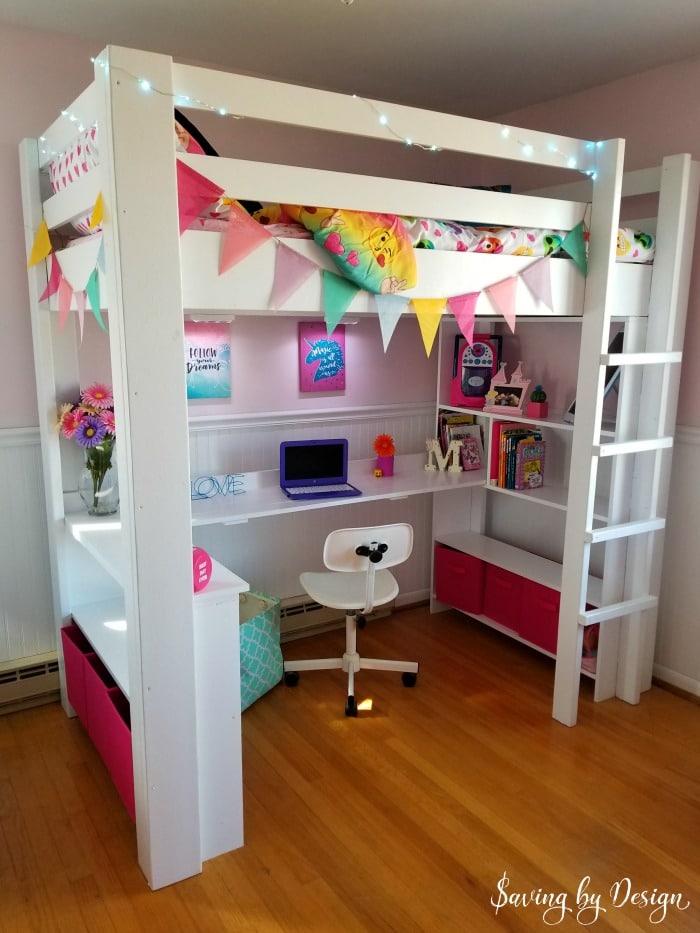
Credit: savingbydesign.com
Frequently Asked Questions
What Materials Do I Need For A Bunk Bed Desk?
You need wood planks, screws, a drill, sandpaper, paint, and brackets. Choose sturdy wood like pine or oak for durability and safety.
How Much Time Does Building A Bunk Bed Desk Take?
Building typically takes 1 to 3 days, depending on skill and design complexity. Allow extra time for drying paint or finish.
Is It Safe To Build A Bunk Bed Desk By Myself?
Yes, with proper tools and instructions, it’s safe. Always follow safety guidelines and use protective gear during construction.
Can I Customize The Size Of My Bunk Bed Desk?
Absolutely. Customize height, width, and desk space to fit your room and needs perfectly.
Conclusion
Building your own bunk bed desk saves space and adds style. It fits small rooms and helps keep things organized. You can choose the design and colors you like best. Simple tools and steps make the project easy to follow.
Take your time and enjoy creating something useful. This DIY project brings fun and function together in one piece. Try it and see how much room you can save. A bunk bed desk can change your space for the better.