Are you struggling with that loose or missing back on your bookshelf? Attaching the bookshelf back might seem simple, but doing it right makes all the difference in keeping your shelves sturdy and your books safe.
In this guide, you’ll discover easy, step-by-step tips to secure your bookshelf back quickly and confidently. By the end, you’ll have the skills to make your bookshelf stronger and more reliable—no more wobbling or gaps. Ready to transform your bookshelf?
Let’s get started!
Choosing The Right Materials
Choosing the right materials is key to attach a bookshelf back properly. The materials affect the strength and look of your bookshelf. Using good materials helps keep books safe and the shelf steady. It also makes your work easier and faster.
Types Of Backing Boards
Common backing boards include plywood, MDF, and hardboard. Plywood is strong and resists warping. MDF is smooth and easy to paint. Hardboard is thin and lightweight but less sturdy. Choose a board that fits your shelf size and weight needs.
Selecting Fasteners
Fasteners hold the backing board firmly in place. Nails, screws, and staples are popular choices. Nails are quick but may loosen over time. Screws give stronger hold and can be removed if needed. Staples work well for thin boards and quick work. Pick fasteners based on your tools and board type.
Tools Needed
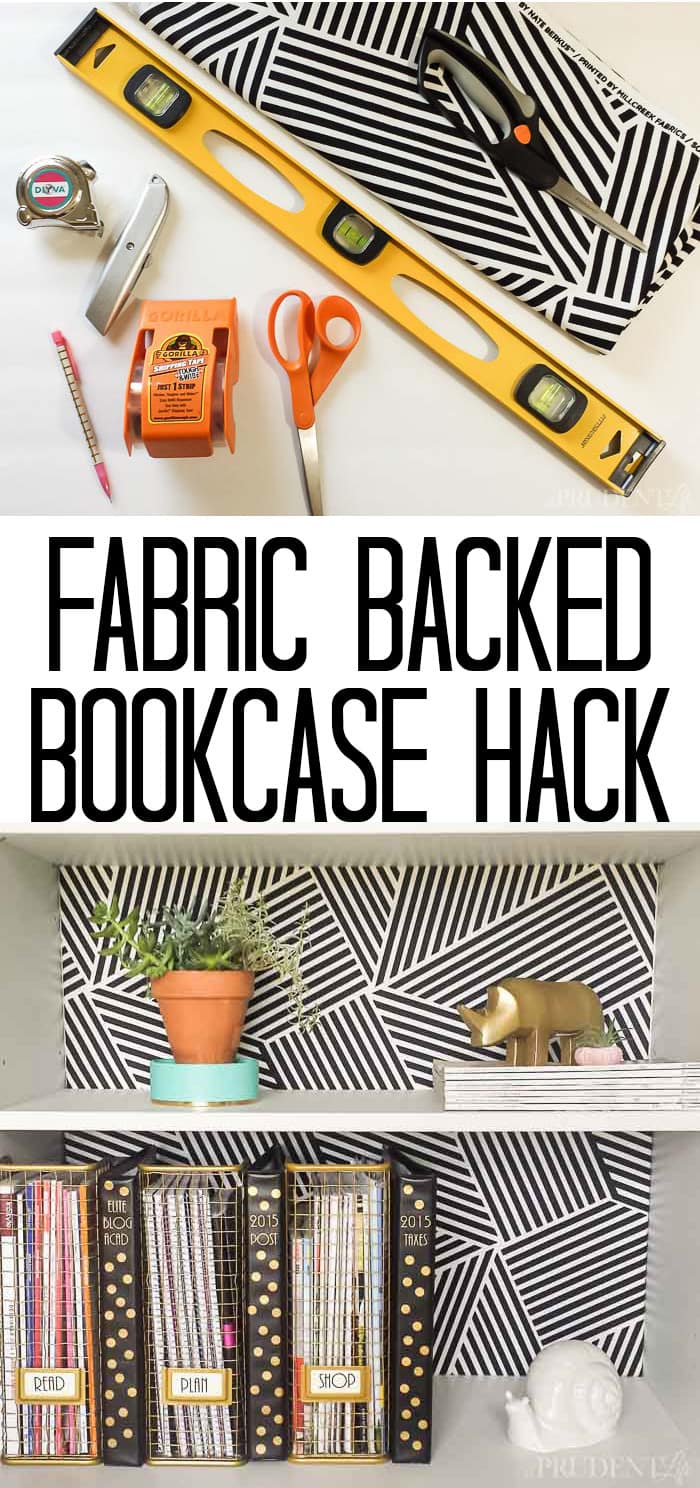
Gathering the right tools makes the job smooth. You will need a drill or screwdriver for screws. A hammer works for nails and staples. A measuring tape helps with exact cuts and placement. A level ensures the backing is straight. Have safety glasses and gloves to protect yourself.
Preparing The Bookshelf
Preparing your bookshelf before attaching the back panel is an important step. It helps ensure a perfect fit and a sturdy finish. Careful preparation saves time and prevents mistakes later.
Start by measuring the space where the back panel will go. Then, cut the board to size. Finally, smooth the edges for a clean look and safe handling.
Measuring The Back Panel
Use a tape measure to find the width and height of the bookshelf’s back. Measure inside the frame, from edge to edge. Write down the exact numbers. Double-check your measurements to avoid errors.
Cutting The Backing Board
Select a backing board that fits your measurements. Place it on a flat surface. Use a pencil to mark the cutting lines clearly. Cut along the lines with a saw or a utility knife. Cut slowly to keep straight edges.
Sanding Edges
After cutting, the edges may feel rough or splintered. Use fine-grit sandpaper to smooth all sides. Sand lightly to avoid removing too much material. This step protects your hands and helps the back panel fit better.
Attaching The Back Panel
Attaching the back panel to your bookshelf is a key step. It strengthens the whole structure. It also helps keep the shelves straight and steady. This part of the process needs care and attention. Follow simple steps to do it right.
Positioning The Board
Place the back panel flat against the bookshelf frame. Make sure it fits evenly on all sides. The edges should line up with the back of the shelves. Hold it steady before fixing it in place. Check for any gaps or uneven spots.
Using Nails Or Screws
Choose small nails or screws for best results. Start at one corner and work your way around. Space them evenly about every 6 to 8 inches. Drive nails or screws straight to avoid splitting the wood. Secure the panel firmly but do not over-tighten.
Applying Adhesive
Spread a thin layer of wood glue on the back edges of the frame. Press the panel firmly against the glue. Hold or clamp it in place until the glue dries. Adhesive adds extra strength and prevents wobbling. Use glue with nails or screws for a strong hold.
Credit: www.polishedhabitat.com
Reinforcing The Structure
Reinforcing the structure of your bookshelf is key to making it strong and durable. A well-secured back keeps the shelves steady and prevents wobbling. This section covers simple steps to boost your bookshelf’s stability. Follow these tips to ensure your bookshelf lasts for years.
Adding Corner Braces
Corner braces add extra support to the bookshelf frame. Attach metal or wooden braces inside each corner. Use screws to fix them tightly. This helps keep the bookshelf square and prevents twisting. Corner braces are small but very effective for strength.
Securing With Wood Glue
Wood glue strengthens joints between the back panel and frame. Apply a thin layer of glue along the edges before nailing or screwing. Press the parts together firmly. Let the glue dry fully before moving the bookshelf. Wood glue adds a strong bond that lasts.
Checking For Stability
Test your bookshelf by gently shaking it. Check all corners and joints for movement. Tighten any loose screws or nails. Make sure the back panel fits snugly against the frame. A stable bookshelf stands firm and holds weight safely. Repeat checks after a few days for lasting strength.
Finishing Touches
Finishing touches bring your bookshelf to life. They hide flaws and make the surface smooth. These steps protect your wood and improve its look. Taking time here gives your project a clean, polished feel.
Filling Nail Holes
Start by filling all nail holes with wood filler. Use a putty knife to press it in firmly. Let it dry completely before moving on. This step hides holes and creates a smooth base.
Sanding Surfaces
Sand all surfaces with fine-grit sandpaper. This removes rough spots and levels out the filler. Sand lightly to avoid damaging the wood. Clean off dust with a soft cloth afterward.
Painting Or Staining
Choose paint or stain to finish your bookshelf. Apply evenly with a brush or cloth. Allow each coat to dry fully before adding another. This seals the wood and enhances its color.

Credit: www.wikihow.com

Credit: www.reddit.com
Frequently Asked Questions
How Do I Attach A Bookshelf Back Panel Securely?
To attach a bookshelf back panel securely, use nails or screws along the edges. Pre-drill holes to avoid splitting. Ensure the panel fits flush with the frame for stability and durability.
What Tools Are Needed To Attach A Bookshelf Back?
You need a hammer or screwdriver, nails or screws, a measuring tape, and a drill. A level helps ensure the panel is straight during attachment.
Can I Use Plywood As A Bookshelf Back?
Yes, plywood is a common choice for bookshelf backs. It’s sturdy, easy to cut, and provides good support to prevent shelves from wobbling.
How Do I Prevent The Bookshelf Back From Warping?
Use a thin, quality plywood or hardboard panel. Attach it tightly and evenly to avoid gaps. Keep the bookshelf away from moisture to prevent warping.
Conclusion
Attaching a bookshelf back is simple with the right steps. Use the right tools and materials to keep it sturdy. Measure carefully and align the back panel well. Secure it with nails or screws for safety. This small task makes your bookshelf stronger and neat.
Take your time and enjoy the process. A well-attached back helps your shelf last longer. Now, you can organize your books with confidence.