Are you wondering whether to choose a toddler bed or a twin bed for your little one? Picking the right bed can feel tricky, especially when you want your child to sleep safely and comfortably.
Understanding the key differences between these two options will help you make the best choice for your family. Keep reading, and you’ll discover what makes each bed unique—and which one fits your child’s needs perfectly.
Credit: casakids.com
Toddler Bed Features
Toddler beds are specially made for young children who are moving from a crib. They focus on comfort and safety. The features of toddler beds differ from other beds. These features help toddlers feel secure and cozy.
Understanding these features helps parents choose the right bed for their child. It also ensures the bed fits the child’s needs perfectly.
Size And Dimensions
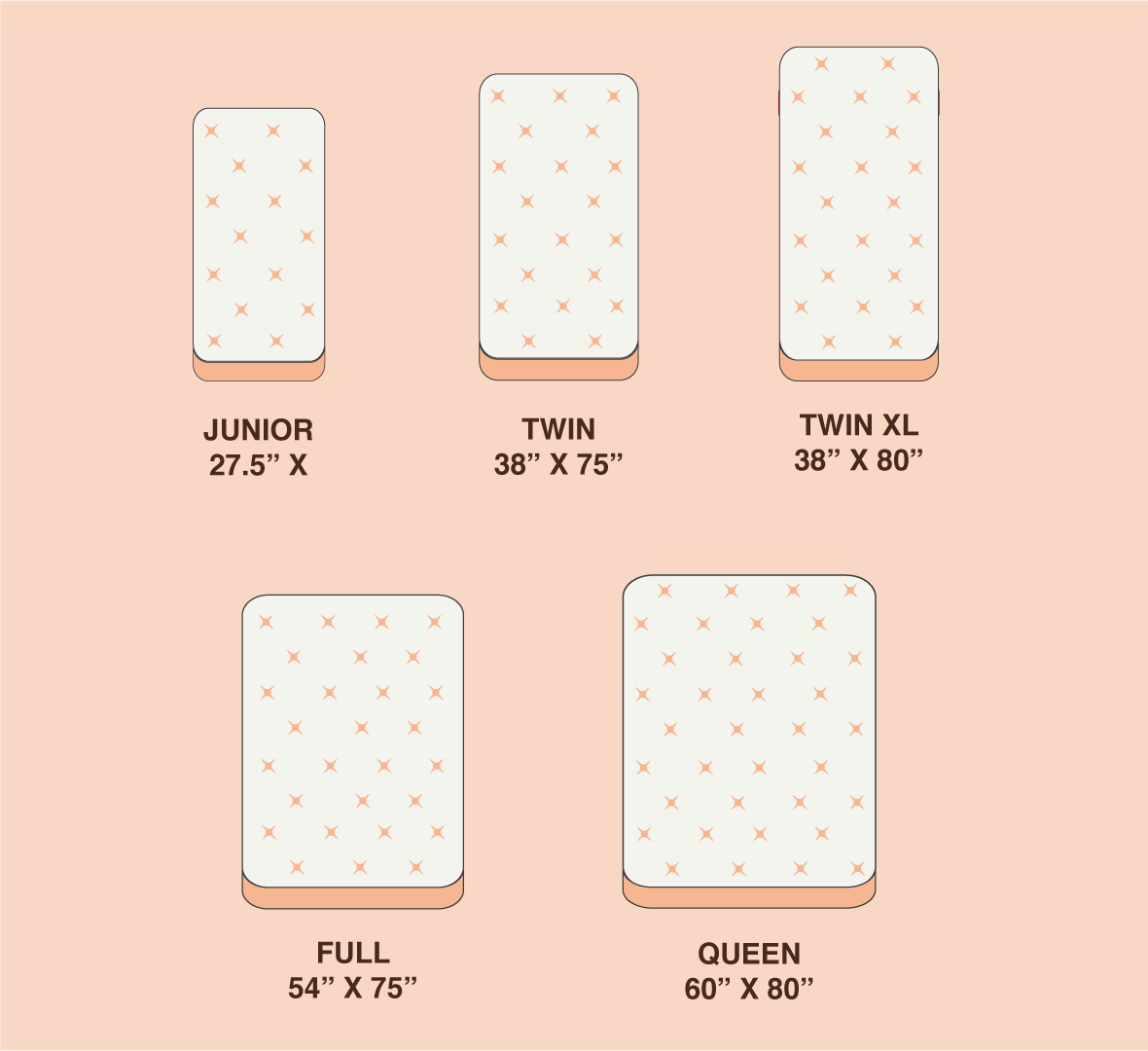
Toddler beds are smaller than twin beds. They usually measure about 28 inches wide and 52 inches long. This size fits toddlers comfortably. It also saves space in the room. The smaller size makes it easier for toddlers to get in and out of bed.
Safety Considerations
Toddler beds have low frames close to the ground. This reduces the chance of injury from falls. Many have guardrails on the sides to stop toddlers from rolling off. The materials used are often non-toxic and safe for children. These beds also avoid sharp corners to prevent accidents.
Design And Style Options
Toddler beds come in many fun designs. Some look like cars, animals, or castles. Others have simple and soft colors. These styles make bedtime exciting for toddlers. Parents can pick styles that match the child’s room theme. The designs also focus on comfort and ease of use.

Credit: www.kidkraft.com
Twin Bed Features
Twin beds are popular for many reasons. They fit well in small rooms and offer a good sleeping space. People choose twin beds for kids, teens, and even adults. Their simple design and size make them a top choice for many homes.
Understanding the features of twin beds helps you see how they differ from toddler beds. Twin beds offer more space and last longer as children grow. Let’s explore what makes twin beds special.
Standard Dimensions
A twin bed is usually 38 inches wide and 75 inches long. This size fits most bedrooms and provides enough room for one person. The larger size means the bed can be used for many years.
Material And Construction
Twin beds come in wood, metal, or engineered materials. Wood frames offer sturdy support and classic looks. Metal frames are lightweight and easy to move. Quality construction ensures the bed lasts a long time.
Versatility And Longevity
Twin beds suit all ages, from children to adults. They can be used as a daybed or guest bed. Their size and strength make them a smart choice for long-term use.
Comparing Toddler And Twin Beds
Choosing the right bed for a child is important for comfort and safety. Toddler beds and twin beds serve different needs. Understanding their differences helps parents decide which fits best.
This section compares toddler and twin beds by age, space, and cost. It highlights what makes each bed type unique.
Age And Growth Suitability
Toddler beds suit children aged 1.5 to 5 years. They are smaller and lower to the ground. These beds help toddlers transition from cribs safely.
Twin beds fit older kids, usually from 5 years and up. They offer more space for growing children. Twin beds can also last through teen years.
Space Requirements
Toddler beds take up less room. Their compact size fits well in small bedrooms. This leaves extra space for toys and play areas.
Twin beds need more floor space. They are longer and wider than toddler beds. This may limit room for other furniture in small spaces.
Cost Differences
Toddler beds often cost less due to smaller size and simpler design. Many models come with safety rails included.
Twin beds usually cost more. They are bigger and made for long-term use. Investing in a twin bed can save money over time.
Transitioning From Toddler To Twin Bed
Moving from a toddler bed to a twin bed is a big step in a child’s life. It marks growing independence and new comfort needs. This change can feel exciting and a bit scary for both kids and parents. Preparing well helps make the transition easy and fun.
Understanding the right time to switch and how to prepare the room is key. Small changes can help your child feel safe and happy in their new bed. Here are some tips to guide you through this important change.
Signs Your Child Is Ready
Your child may climb out of the toddler bed often. This shows they need more space and safety. If they seem crowded or uncomfortable, it is time to move. Your child might also ask for a “big kid” bed. Interest in twin beds or siblings’ beds is a good sign.
Making The Switch Smooth
Talk about the new bed in a positive way. Let your child help pick bedding or decorations. Keep bedtime routines the same to add comfort. Visit the new bed together and read stories there. This helps your child feel safe and excited.
Adjusting Bedding And Accessories
Choose soft, comfortable sheets that fit a twin bed. Add pillows and blankets your child likes. Use familiar stuffed toys for comfort. Ensure the room is cozy but not crowded. This makes the new bed inviting and easy to enjoy.
Choosing The Right Bed For Your Child
Choosing the right bed for your child is an important decision. It affects their comfort, safety, and room space. The right bed helps your child sleep well and feel happy in their room. There are key points to consider before buying a toddler bed or a twin bed.
Considering Room Size
Room size plays a big role in bed choice. Toddler beds are smaller and fit well in tight spaces. Twin beds need more space but can last longer. Measure the room carefully. Think about other furniture and play areas.
Budget And Durability
Budget matters when choosing a bed. Toddler beds are usually less expensive. Twin beds cost more but can be used for many years. Look for sturdy materials. A durable bed saves money over time.
Child’s Preferences
Children’s likes and dislikes affect their comfort. Some kids feel safe in a smaller toddler bed. Others want a bigger twin bed to grow into. Ask your child what they prefer. Their opinion makes bedtime more pleasant.

Credit: www.dimensions.com
Frequently Asked Questions
What Size Is A Toddler Bed Compared To A Twin Bed?
A toddler bed is smaller, typically 28 by 52 inches. A twin bed is larger, about 38 by 75 inches. This size difference suits toddlers transitioning from cribs versus older children or adults.
When Should A Child Move To A Twin Bed?
Children usually transition to a twin bed around ages 5 to 7. This depends on their size and comfort. Twin beds offer more space and can last through childhood and adolescence.
Are Toddler Beds Safer Than Twin Beds For Young Children?
Toddler beds are designed with safety rails and lower height. This prevents falls and helps young kids feel secure. Twin beds lack these specific safety features, making toddler beds better for toddlers.
Can A Toddler Bed Use The Same Mattress As A Twin Bed?
No, toddler beds require smaller mattresses than twin beds. Toddler mattresses measure about 28 by 52 inches. Twin mattresses are larger, so they won’t fit toddler bed frames properly.
Conclusion
Choosing between a toddler bed and a twin bed depends on your child’s needs. Toddler beds offer safety and size for young kids. Twin beds provide more space and last longer as children grow. Think about comfort, room size, and budget before deciding.
Both beds serve different purposes at different stages. The right choice helps your child sleep well and feel secure. Keep these points in mind when picking a bed for your little one. Simple and practical choices work best for happy bedtime routines.