Are you ready to create a cozy and stylish space with your own hands? Building a single bunk bed might sound tricky, but with the right steps, you can make a strong, safe, and comfortable bed that fits perfectly in your room.
Imagine saving money, customizing the design to your taste, and enjoying the pride of sleeping on something you built yourself. In this guide, you’ll find simple instructions, helpful tips, and everything you need to know to build your single bunk bed from start to finish.
Let’s get started and turn your room into a cozy retreat!
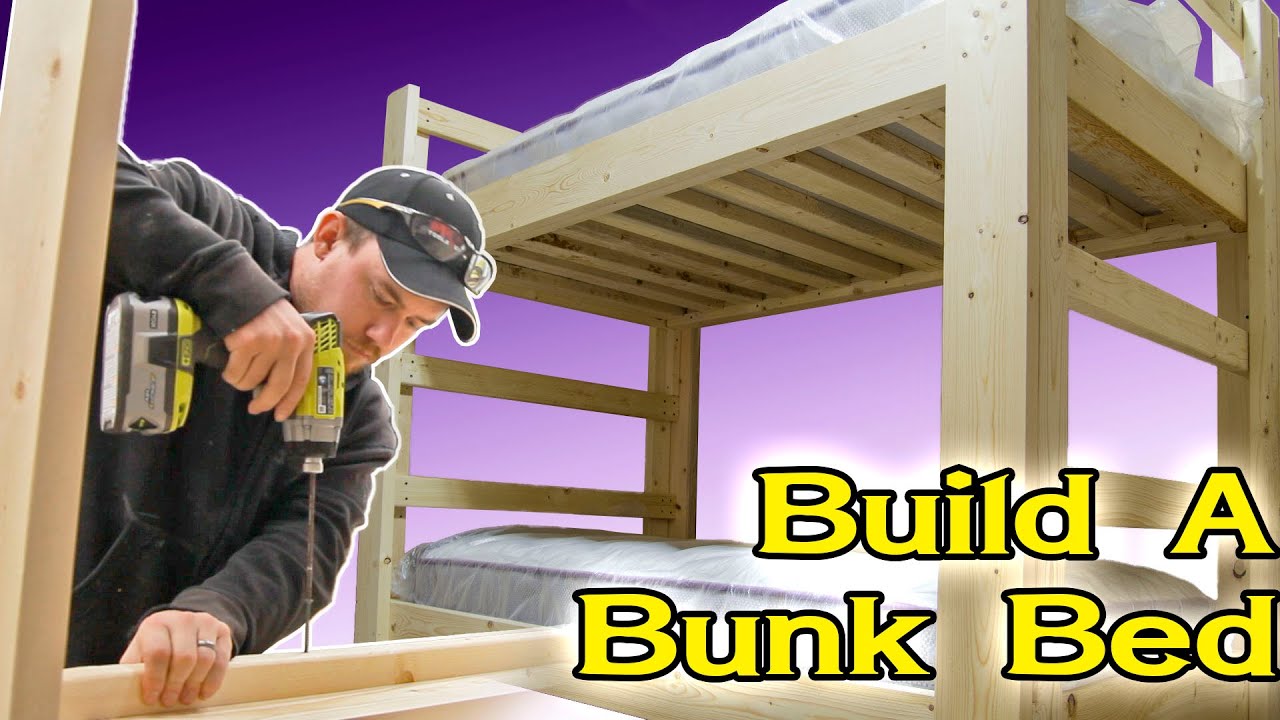
Credit: www.youtube.com
Materials And Tools
Building a single bunk bed starts with gathering the right materials and tools. Choosing quality wood and having the proper tools ensures a sturdy and safe bed. Safety gear protects you during the project. Preparing well saves time and effort.
Choosing The Right Wood
Pick wood that is strong and durable. Pine is common and easy to work with. Oak offers extra strength but costs more. Avoid soft or weak wood that may crack. Make sure wood is smooth and free from knots. Proper wood keeps the bed safe for years.
Essential Tools List
You will need a saw to cut wood pieces. A drill helps make holes and attach screws. Sandpaper smooths rough edges for safety. Use a tape measure for accurate cuts. A screwdriver is needed to fasten parts tightly. Clamps hold pieces steady while working.
Safety Gear Recommendations
Wear safety glasses to protect your eyes from dust. Use gloves to avoid splinters and cuts. Ear protection helps when using loud power tools. A dust mask keeps you from inhaling sawdust. Dress in close-fitting clothes to prevent snags. Safety gear keeps you safe and healthy.
Design And Measurements
Design and measurements are the first steps in building a single bunk bed. They guide you to create a safe and comfortable bed. Careful planning helps avoid mistakes and saves time. This section explains key points about dimensions, stability, and design sketches.
Standard Single Bunk Dimensions
A standard single bunk bed usually fits a twin mattress. The mattress size is about 39 inches wide and 75 inches long. The bed frame should be slightly larger to hold the mattress well. The height of the top bunk should allow enough space for sitting up. A common height is around 60 to 65 inches from floor to top rail. The lower bunk height depends on mattress thickness but is usually 12 to 15 inches off the floor.
Planning For Stability
Stability is crucial for bunk beds. The frame must support weight without wobbling. Use strong materials like solid wood or metal. Make sure the legs are thick and sturdy. Cross braces add extra strength to the structure. Fix the joints tightly with screws or bolts. Check the bed for any movement before use.
Sketching Your Design
Sketching the bed helps you see the final look. Draw all parts with exact measurements. Include details like ladder, guardrails, and slats. Mark where each screw or bolt will go. Use graph paper for neat and scaled drawings. A clear plan makes building easier and faster.
Cutting The Wood
Cutting the wood is a key step in building a single bunk bed. Precise cuts ensure the bed parts fit well. This step needs care and patience. Measuring, marking, and organizing wood pieces helps keep the project smooth and safe. Follow these tips for accurate cutting.
Measuring And Marking
Measure the wood carefully before cutting. Use a tape measure for exact lengths. Mark the cut lines clearly with a pencil. Check your marks twice to avoid mistakes. Straight lines guide your saw for clean cuts.
Tips For Accurate Cuts
Use a sharp saw for smooth edges. Cut slowly to stay on the lines. Clamp the wood to keep it steady. If possible, use a guide to help the saw move straight. Wear safety gear like goggles and gloves.
Organizing Cut Pieces
Sort the cut pieces by size and type. Label each piece to know its place. Keep them in a clean, dry area. This helps find parts quickly during assembly. Organized pieces reduce stress and save time.
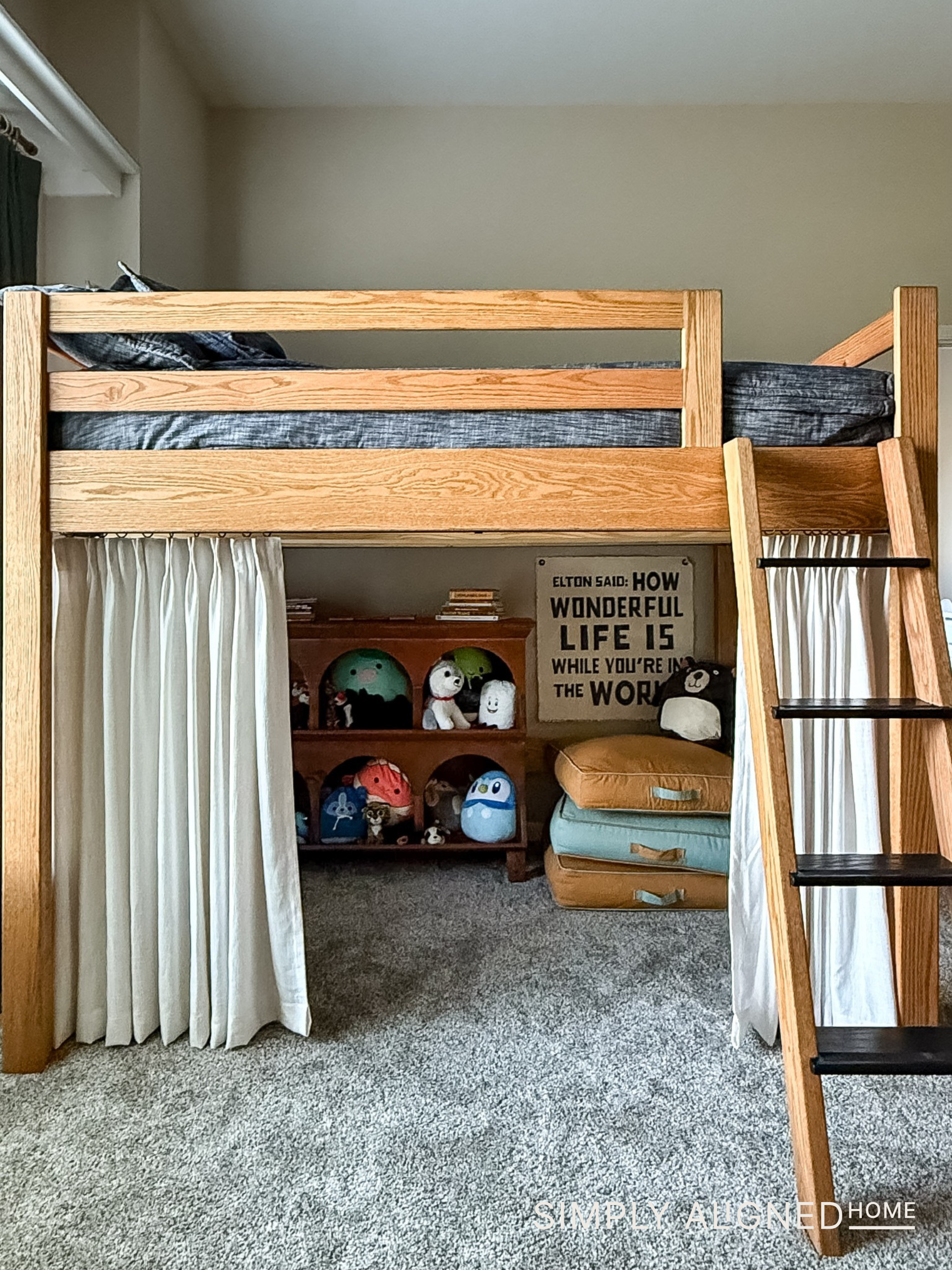
Credit: houwhoekfarmstall.com
Assembling The Frame
Assembling the frame is the first step to build a sturdy single bunk bed. The frame holds the whole bed together. It needs to be strong and well-built. Follow each step carefully to create a safe and stable base for the mattress.
Building The Headboard And Footboard
Start by making the headboard and footboard. These parts are usually the same size. Use wood panels or planks for each. Attach vertical posts to the sides for support. Make sure all pieces are even and smooth. Use screws or bolts to fix the parts tightly. Check that both boards stand straight and firm.
Constructing Side Rails
Next, make the side rails. They connect the headboard and footboard. Cut two long pieces of wood for the rails. They should fit the mattress length. Add support slats between the rails for strength. Sand the edges to avoid splinters. Attach brackets at the ends for easy joining.
Joining The Frame Components
Now join the headboard, footboard, and side rails. Align the parts carefully. Use screws or bolts to connect the brackets. Tighten all fasteners to keep the frame solid. Double-check the frame for any gaps or wobbles. The bed frame must hold firm before adding the mattress.
Adding Support Slats
Adding support slats is a crucial step in building a single bunk bed. These slats hold the mattress and keep it stable. Without strong slats, the mattress might sag or shift. Proper support ensures safety and comfort.
Support slats also help spread the weight evenly across the bed frame. This prevents any weak spots and extends the bed’s life. Choosing the right spacing and securing the slats well makes a big difference.
Spacing For Mattress Support
Slats need to be spaced evenly for good mattress support. Keep the gaps between slats small enough to stop the mattress from bending. A gap of about 2 to 3 inches works well for most mattresses.
Too much space can cause the mattress to sag. Too little space may use more wood than needed. Measure carefully and mark where each slat will go before fixing them.
Securing Slats Properly
Secure the slats firmly to the bed frame. Use screws or nails that are strong and long enough. Make sure they go deep into the frame for a tight hold.
Check each slat for movement after fixing it. Tight slats keep the mattress stable and prevent noise. Avoid loose slats that can shift or break.

Credit: www.pneumaticaddict.com
Finishing Touches
Finishing touches make your single bunk bed safe and attractive. These final steps improve the look and feel. They also protect the wood and keep the bed sturdy. Focus on sanding, painting or staining, and installing safety rails and a ladder. Each part adds value and comfort to the bed.
Sanding For Smooth Edges
Sanding is key to a smooth, safe surface. Use fine-grit sandpaper to remove rough spots. Sand all edges and corners carefully. This prevents splinters and sharp areas. Clean dust off with a dry cloth after sanding. Smooth surfaces make the bed more comfortable and safe.
Applying Paint Or Stain
Paint or stain protects wood from damage. Choose non-toxic, child-safe finishes for safety. Apply thin coats evenly with a brush or cloth. Let each coat dry fully before the next. Paint adds color and style. Stain highlights the natural wood grain. Both improve durability and appearance.
Installing Safety Rails And Ladder
Safety rails prevent falls from the top bunk. Attach rails firmly with screws or brackets. Check they are stable and at the right height. The ladder must be secure and easy to climb. Fix the ladder to the bed frame tightly. Proper installation ensures safe use every night.
Maintenance Tips
Maintaining your single bunk bed keeps it safe and strong for years. Regular care prevents accidents and extends the bed’s life. Simple steps help keep the bed sturdy and clean. Follow these tips to ensure your bunk bed stays in top shape.
Regular Tightening Of Screws
Check all screws and bolts often. Tighten loose screws to keep the bed stable. Loose parts can cause the bed to wobble or break. Use the right tools for tightening to avoid damage. Make this a monthly habit to ensure safety.
Cleaning And Care
Dust the bed frame regularly to prevent dirt buildup. Use a soft cloth and mild cleaner for wooden parts. Avoid harsh chemicals that can damage the finish. Clean mattresses with a vacuum and fresh air. Keeping the bed clean improves its appearance and hygiene.
Inspecting For Wear And Damage
Look for cracks, splits, or signs of wear on the wood. Check metal parts for rust or bending. Replace damaged parts quickly to avoid accidents. Inspect the ladder and guardrails carefully. Early detection of problems helps keep the bed safe.
Frequently Asked Questions
What Materials Are Needed To Build A Single Bunk Bed?
You need wood planks, screws, nails, a drill, sandpaper, wood glue, and paint or stain. Choose quality wood for durability and safety.
How Much Time Does Building A Single Bunk Bed Take?
Building a single bunk bed typically takes 6 to 10 hours. Time depends on skill level and complexity of the design.
What Safety Features Should A Single Bunk Bed Have?
Include guardrails on the top bunk, sturdy ladders, and secure fastening. Ensure proper spacing to prevent falls and injuries.
Can Beginners Build A Single Bunk Bed At Home?
Yes, beginners can build a bunk bed by following detailed plans. Start with simple designs and use step-by-step guides for best results.
Conclusion
Building a single bunk bed can be a fun and rewarding project. It saves space and adds style to any room. Follow clear steps and use the right tools for safety. Take your time and check your work often. You will enjoy the result and feel proud.
Now, you have a sturdy bunk bed ready for use. Simple, strong, and perfect for small spaces. Give it a try and create a cozy spot for sleep or play.