Are you wondering when the right time is to move your little one from a toddler bed to a single bed? It’s a big step that can feel both exciting and a little overwhelming.
You want to make sure your child is comfortable and safe, but you also don’t want to wait too long or rush the change. You’ll discover the key signs to look for and expert tips to help you decide the perfect age for this transition.
Keep reading to make this important move smooth and stress-free for both you and your child.

Credit: raisingchildren.net.au
Signs Your Child Is Ready
Knowing when your child is ready to move from a toddler bed to a single bed can be tricky. Watching for certain signs helps make this change smooth. These signs show your child can handle a bigger bed safely and comfortably.
Understanding these signs guides parents to make the right choice at the right time. The following points highlight key indicators of readiness.
Physical Growth Indicators
Your child may outgrow the toddler bed if their feet hang over the edge. They might look cramped or uncomfortable at night. Growing taller means needing more space to stretch. Legs that touch the bed frame indicate it’s time to switch. A bigger bed fits their size better and supports good sleep.
Behavioral Readiness
Children who ask to sleep in a “big kid” bed show interest in change. They may climb out of the toddler bed more often. This behavior suggests they want more freedom and space. Your child might start to show independence and confidence. These signs suggest they can handle a single bed safely.
Safety Considerations
Safety is key when choosing to move your child to a single bed. Make sure the bed is low to the ground to prevent falls. Check that the room is childproofed and free from hazards. Use guardrails on the single bed for extra protection. Your child should sleep safely without risk of injury.

Credit: raisingchildren.net.au
Ideal Age Range
Choosing the right time to move from a toddler bed to a single bed is important. It helps your child feel safe and comfortable. The ideal age range varies but usually falls between two key stages in early childhood.
Parents often watch for signs of readiness rather than a strict age. This helps the transition go smoothly and keeps your child happy in their new bed.
Common Age Benchmarks
Most children switch to a single bed between 4 and 6 years old. This age range suits many because children grow bigger and need more space. At this time, many kids outgrow the toddler bed size.
Many children also start showing interest in a “big kid” bed around this age. It can feel exciting and boost their confidence. Safety is another reason; single beds usually have guardrails or can be fitted with them.
Variations Among Children
Every child is different. Some may be ready earlier, around 3 years old. Others might stay in a toddler bed until they are 7. Factors like growth, motor skills, and comfort play a big role.
Fear of falling or feeling secure can delay the move. Some children need more time to adjust. Parents should look for signs like climbing out of the toddler bed often.
It is best to follow your child’s pace. This respects their needs and makes bedtime easier for everyone.
Choosing The Right Bed
Choosing the right bed for your child is an important step. It affects their sleep quality and safety. The bed should match your child’s size, age, and comfort needs. It also helps them feel more independent and confident.
Parents often wonder when to switch from a toddler bed to a single bed. The choice depends on many factors, such as your child’s growth and habits. Picking the right bed makes the transition smooth and safe.
Benefits Of Single Beds
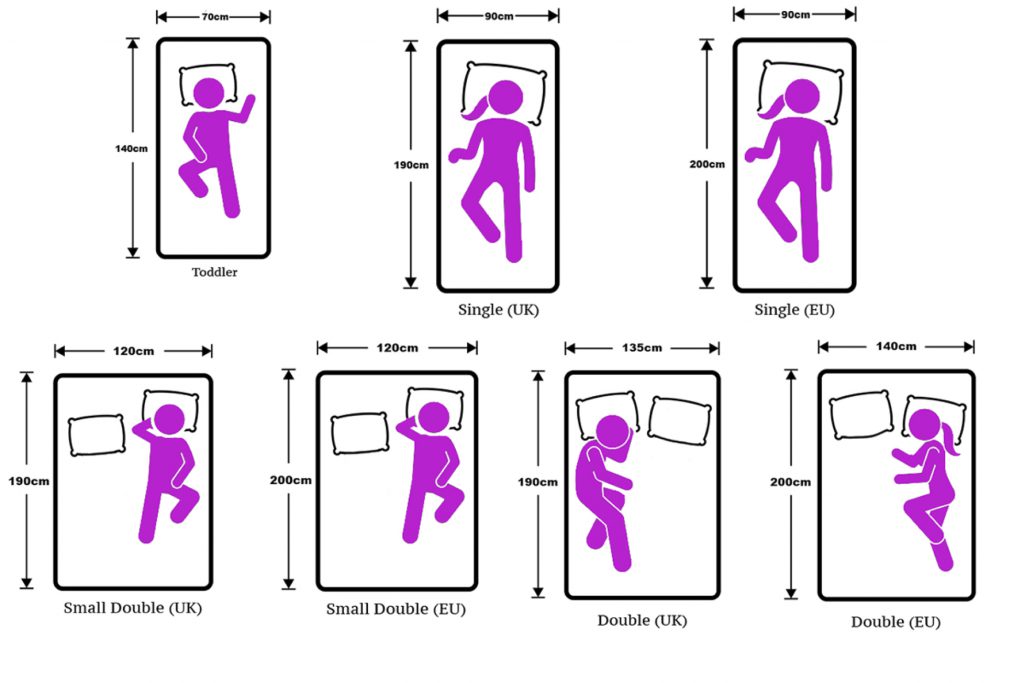
Single beds offer more space for your child to move and stretch. They support growing bodies better than toddler beds. These beds last longer and suit children of many ages. Your child can enjoy reading or playing in bed comfortably. A single bed can boost your child’s independence and sleep routine.
Alternative Bed Options
Not every child is ready for a single bed right away. There are other bed types to consider. Loft beds save space and add fun for older kids. Bunk beds work well for shared rooms or sleepovers. Daybeds are good for small rooms and daytime sitting. Each option suits different needs and room sizes.
Credit: www.cuckooland.com
Making The Transition Smooth
Moving from a toddler bed to a single bed is a big step for your child. It can feel strange and scary at first. A smooth transition helps your child feel safe and excited about the new bed. Careful planning and patience make this change easier for everyone.
Preparing The Bedroom
Start by making the bedroom cozy and inviting. Choose soft bedding your child likes. Add familiar toys or blankets to the new bed. Remove any sharp or unsafe items. Keep the room simple but comfortable. This helps your child feel calm and ready for sleep.
Involving Your Child
Let your child help pick the new bed or bedding. Talk about the new bed as a fun adventure. Listen to their feelings and answer questions kindly. Praise your child for being brave and growing up. Involving them builds excitement and reduces fear.
Establishing New Sleep Routines
Create a consistent bedtime routine with your child. Read a favorite story or sing a lullaby. Keep the same sleep and wake times every day. This routine signals that it is time to sleep. A steady routine makes the new bed feel safe and familiar.
Dealing With Challenges
Moving from a toddler bed to a single bed can bring some challenges for children. This change affects their sleep and comfort. Parents should be ready to help their kids through this transition. Understanding common problems helps in making the process smoother.
Fear Of The New Bed
Many children feel scared of sleeping in a big bed. The space is larger and looks different. Shadows and sounds may seem strange at night. Parents can help by staying close the first few nights. Let the child bring a favorite toy or blanket for comfort. Reassure them that the new bed is safe and cozy.
Nighttime Wandering
Some kids may leave their bed at night. They might walk around or come to the parents’ room. This can happen because the child feels unsure or curious. Setting clear bedtime rules helps reduce wandering. Use night lights to make the room less scary. Gently guide the child back to bed if needed.
Adjusting To Changes
Getting used to a new bed takes time. Sleep routines might change and naps may be shorter. Patience is important during this period. Keep bedtime consistent and calm. Praise the child for sleeping in the big bed. Gradual adjustments help the child feel safe and relaxed.
Safety Tips For Single Beds
Moving your child from a toddler bed to a single bed is a big step. Safety must be the top priority during this change. Single beds have different risks than toddler beds. Taking simple safety steps helps keep your child safe and comfortable. Here are key tips to consider for single bed safety.
Bed Frame And Mattress Safety
Choose a sturdy bed frame without sharp edges. Check for loose screws or parts regularly. Use a mattress that fits the bed frame well. Avoid mattresses that are too soft or too firm. A well-fitted mattress stops gaps where your child could get stuck. Make sure the mattress is clean and free from allergens. Use bed rails if your child moves a lot during sleep.
Room Setup And Hazards
Arrange the room to prevent accidents. Keep the bed away from windows and cords. Remove small objects that could cause choking. Cover electrical outlets with safety plugs. Ensure lamps and nightlights have secure cords. Keep furniture corners padded or out of the way. Make the floor clear of toys and clutter to avoid trips.
Frequently Asked Questions
When Is The Best Age To Switch To A Single Bed?
Most children transition between 2. 5 to 4 years old. This age suits their growth and independence. Safety and comfort are key in deciding the switch.
How To Know If My Toddler Is Ready For A Single Bed?
Look for signs like climbing out of the toddler bed or expressing interest. If your child feels secure and can follow bedtime routines, they are ready.
What Are The Benefits Of Moving To A Single Bed Early?
Single beds offer more space and promote independence. They help develop good sleep habits and support physical growth comfortably.
Should I Consider My Child’s Height Before Switching Beds?
Yes, ensure the new bed fits your child’s height well. A bed too small or too big can affect sleep quality and safety.
Conclusion
Choosing the right time to switch beds matters for your child’s comfort. Most kids move to a single bed between ages 3 and 5. Watch for signs like climbing out of the toddler bed or growing too tall. Safety and your child’s readiness are key.
Every child is different, so trust your instincts. A smooth move helps your child feel secure and happy. Keep the new bed cozy and familiar. This step supports their growth and independence.