Are you looking to add a personal touch to your bookshelf? Building doors for your bookshelf is a simple way to protect your books and give your space a fresh, polished look.
Imagine opening your bookshelf to reveal neatly hidden treasures, keeping dust away while adding style. In this guide, you’ll discover easy steps to create sturdy, attractive doors that fit your shelf perfectly. Ready to transform your bookshelf into a standout piece?
Keep reading, and you’ll have the skills to do it yourself in no time.
Choosing The Right Door Style
Selecting the right materials for your bookshelf doors shapes their look and function. The choice affects durability, style, and ease of use. Each material offers unique benefits and fits different needs. Choose materials that match your room’s style and your skill level.
Wood Options For Doors
Wood is a classic choice for bookshelf doors. It offers strength and a warm, natural look. Pine is a softwood that is easy to work with and affordable. Oak is harder and more durable but costs more. Birch is smooth and paints well, ideal for a clean finish. Choose wood that fits your budget and desired style.
Glass And Other Inserts
Glass inserts add a modern or elegant touch to doors. Clear glass shows your books while protecting them from dust. Frosted or textured glass hides clutter and adds privacy. Acrylic is a lighter, safer alternative to glass. You can also use metal mesh or fabric inserts for unique designs.

Credit: www.housebythebaydesign.com
Selecting Materials
Measuring and planning are the first steps to build doors for your bookshelf. Precise measurements help the doors fit well and look good. Careful planning saves time and avoids mistakes. Take your time to measure and think about the design before cutting any wood.
Accurate Measurements
Measure the bookshelf opening width and height carefully. Use a tape measure that is not stretched or bent. Write down each number clearly. Measure twice to be sure. Check the depth of the shelves too. This helps decide the door thickness. Small errors in measurement can cause big fitting problems.
Designing Door Dimensions
Decide if the doors will cover the whole shelf or only part. Add a little space for hinges and movement. Usually, leave a small gap between the door and shelf frame. This prevents doors from sticking. Plan the door style: flat, paneled, or glass insert. Each design changes the size and shape. Make a simple drawing with exact door sizes. This guide helps during cutting and assembly.
Measuring And Planning
Cutting and preparing materials is the first step in building doors for a bookshelf. It sets the foundation for a clean and sturdy result. Taking time here ensures the doors fit well and look great.
Cutting Wood Panels
Select wood panels that match your bookshelf size. Measure each panel carefully before cutting. Use a saw to cut the panels to the exact dimensions. Keep your cuts straight and smooth for a perfect fit. Wear safety gear to protect your eyes and hands. Double-check measurements before making any cuts.
Sanding And Finishing
Sand the edges and surfaces of the cut panels. Use fine-grit sandpaper for a smooth finish. Sanding removes splinters and rough spots. Wipe away dust with a clean cloth after sanding. Apply a finish like paint or stain to protect the wood. Let each coat dry fully before adding another layer.
Cutting And Preparing Materials
Assembling the door frame is a key step in building bookshelf doors. It creates the structure that holds the door together. A strong frame ensures the door fits well and lasts long. Careful measuring and cutting are important here.
Joining Techniques
Use wood glue to hold the pieces firmly. Apply glue evenly on the edges before joining. Clamps help keep the frame tight while drying. For extra strength, add screws or nails at corners. Pocket holes are a clean way to hide screws. Choose joints like mortise and tenon or dowels for sturdy frames. These joints fit tightly and resist movement.
Adding Decorative Elements
Decorative elements make the door look special and match your style. Add moulding around the frame edges for depth. Use a router to create simple patterns or grooves. Attach small wooden appliques for a classic look. Sand the decorations smooth before painting or staining. These touches give your bookshelf doors a polished finish.
Assembling The Door Frame
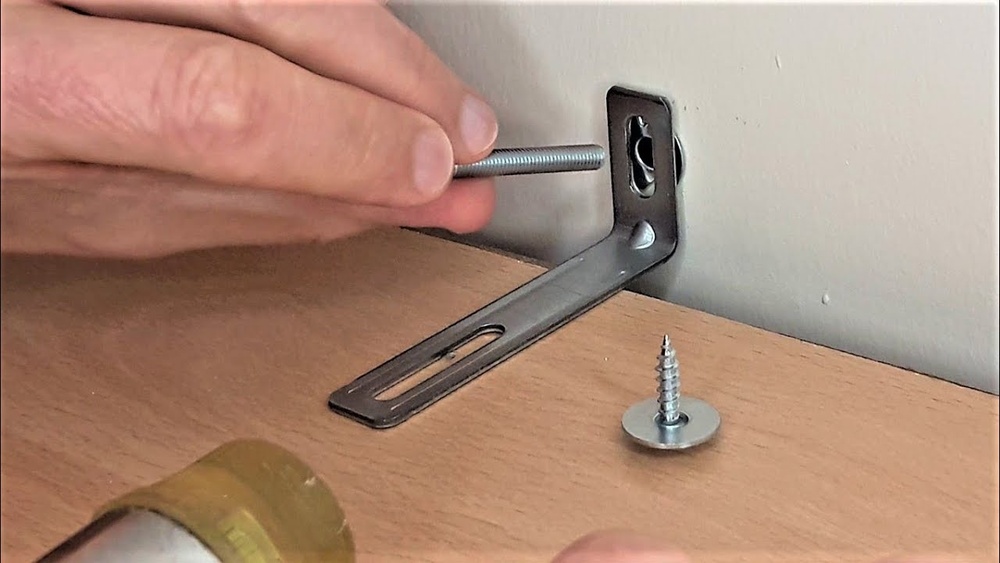
Installing hinges and hardware is the key step to finish your bookshelf doors. This part makes your doors open and close smoothly. It also adds style and function. Proper installation ensures your doors last long and look great.
Choosing The Right Hinges
Select hinges that fit your door size and weight. Small doors need light hinges; heavy doors need strong ones. Consider concealed hinges for a clean look. Butt hinges offer a classic style and easy installation. Check the hinge material for rust resistance and durability. Test the hinge movement before fixing it in place.
Attaching Handles And Knobs
Handles and knobs make door use easy and add character. Pick hardware that matches your room’s style and your door material. Measure and mark the spot for handles carefully. Drill holes straight and to the right depth. Attach handles tight but do not over-tighten screws. Test the handles to ensure they turn or pull smoothly.

Credit: www.youtube.com
Installing Hinges And Hardware
Mounting doors on a bookshelf is a key step to finish your project. Proper mounting ensures the doors open and close correctly. It also keeps the bookshelf looking neat and professional. Take your time to align and secure the doors carefully. Then adjust them for smooth operation.
Aligning And Securing Doors
Start by holding the door in place. Check if the door lines up with the bookshelf edges. Use clamps to hold the door steady. Mark the spots for the hinges on the door and bookshelf. Drill pilot holes for the screws. Attach the hinges to the door first. Then screw the hinges to the bookshelf frame. Make sure the door swings freely without rubbing the frame.
Adjusting For Smooth Operation
Open and close the door several times. Look for any sticking or gaps. Tighten or loosen the hinge screws as needed. Shift the door slightly up or down for better fit. Check the door’s alignment with the shelf edges. Adjust until the door moves smoothly and closes flush. Test the door’s motion often to avoid damage. Good adjustment keeps your bookshelf looking sharp and working well.
Mounting Doors On The Bookshelf
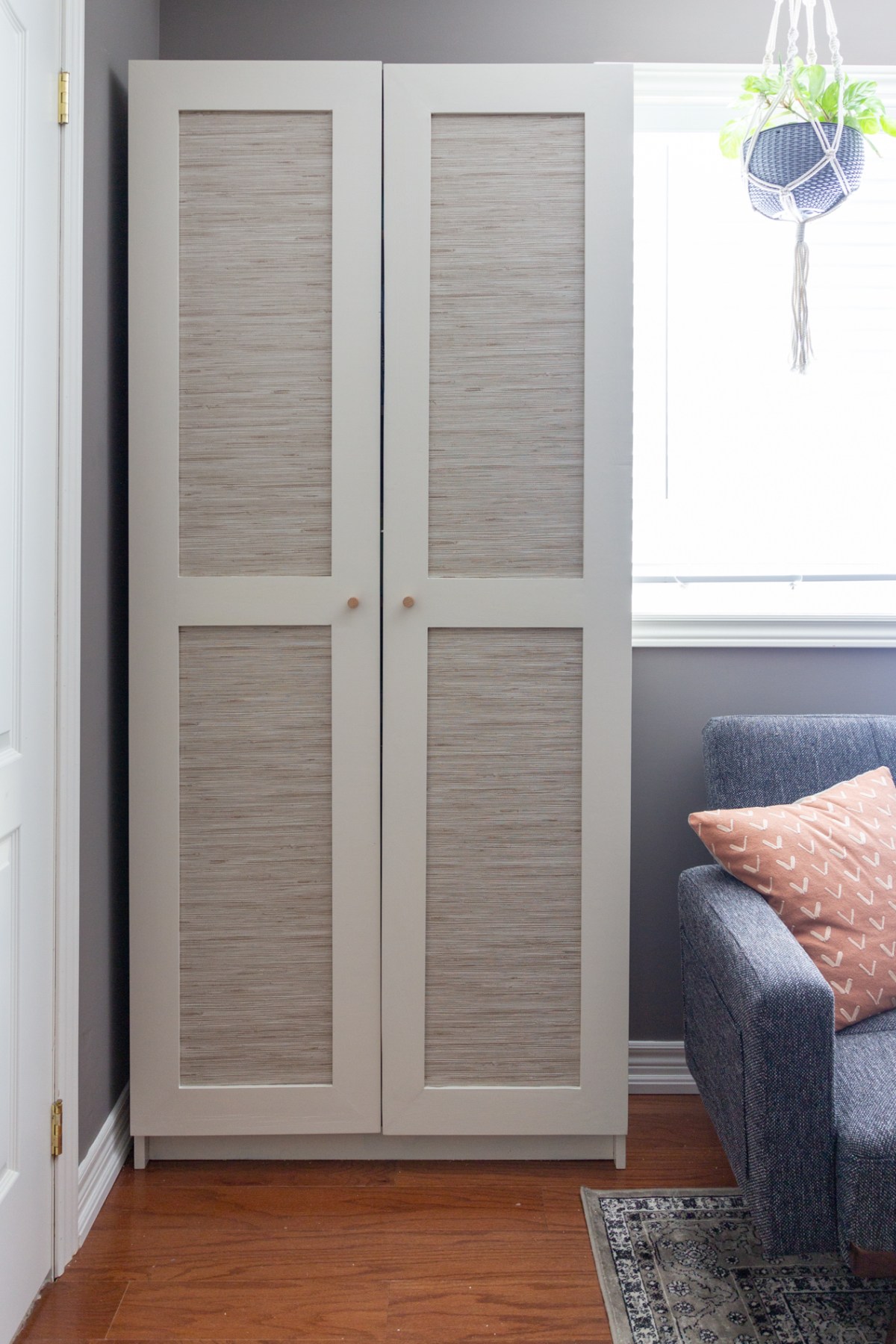
Finishing touches give your bookshelf doors a polished look. They protect wood and improve durability. Small details can make a big difference in the final appearance. Proper finishing enhances the beauty of the wood grain or paint. This step ensures your doors last longer and stay attractive.
Painting And Staining Tips
Choose paint or stain based on your room’s style. Use a primer before painting for smooth coverage. Apply thin coats to avoid drips and uneven color. Allow each coat to dry completely before the next. For staining, test the color on scrap wood first. Wipe off excess stain to keep an even finish. Seal with a clear coat to protect your work.
Maintaining Your Bookshelf Doors
Clean doors regularly with a soft, damp cloth. Avoid harsh chemicals that can damage the finish. Check hinges and handles for tightness and fix if loose. Touch up paint or stain chips to prevent wood damage. Keep doors dry to avoid warping or swelling. Routine care helps doors look new and work well for years.
Credit: www.housebythebaydesign.com
Frequently Asked Questions
How Do I Choose Materials For Bookshelf Doors?
Select sturdy materials like plywood or MDF for durability. Consider glass panels for visibility. Choose finishes matching your bookshelf style for a cohesive look.
What Tools Are Needed To Build Bookshelf Doors?
You’ll need a saw, drill, measuring tape, hinges, screws, sandpaper, and a screwdriver. Optional tools include clamps and a paintbrush for finishing.
How To Measure Bookshelf Doors Accurately?
Measure the height, width, and depth of the bookshelf opening. Subtract a small gap for door clearance. Double-check measurements before cutting materials.
What Types Of Hinges Work Best For Bookshelf Doors?
Concealed hinges provide a clean look and smooth operation. Butt hinges are easier to install but are visible. Choose based on door style and ease of access.
Conclusion
Building doors for your bookshelf adds style and function. Choose the right materials and measure carefully. Cut and assemble pieces with patience and care. Attach hinges and handles for easy use. Test the doors to ensure smooth operation. This project suits many skill levels.
Enjoy the satisfaction of creating something useful. Your bookshelf will look neat and organized. Try this simple step to improve your space today.