Are you trying to decide between a bunk bed and a loft bed for your space? It can be confusing since both save room and look similar at first glance.
But knowing the key differences will help you pick the best option for your needs. Whether you want more floor space, extra storage, or a cozy sleeping spot, understanding how each bed works can make your choice easier. Keep reading, and you’ll discover exactly what sets bunk beds and loft beds apart—and which one fits your lifestyle perfectly.
Credit: maxandlily.com
Bunk Bed Basics
Bunk beds are a popular choice for many homes. They offer a smart way to fit more than one bed into a small space. Understanding the basics helps you decide if a bunk bed suits your needs.
These beds stack one bed on top of another. This simple idea saves floor space and creates room for other uses.
Design And Structure
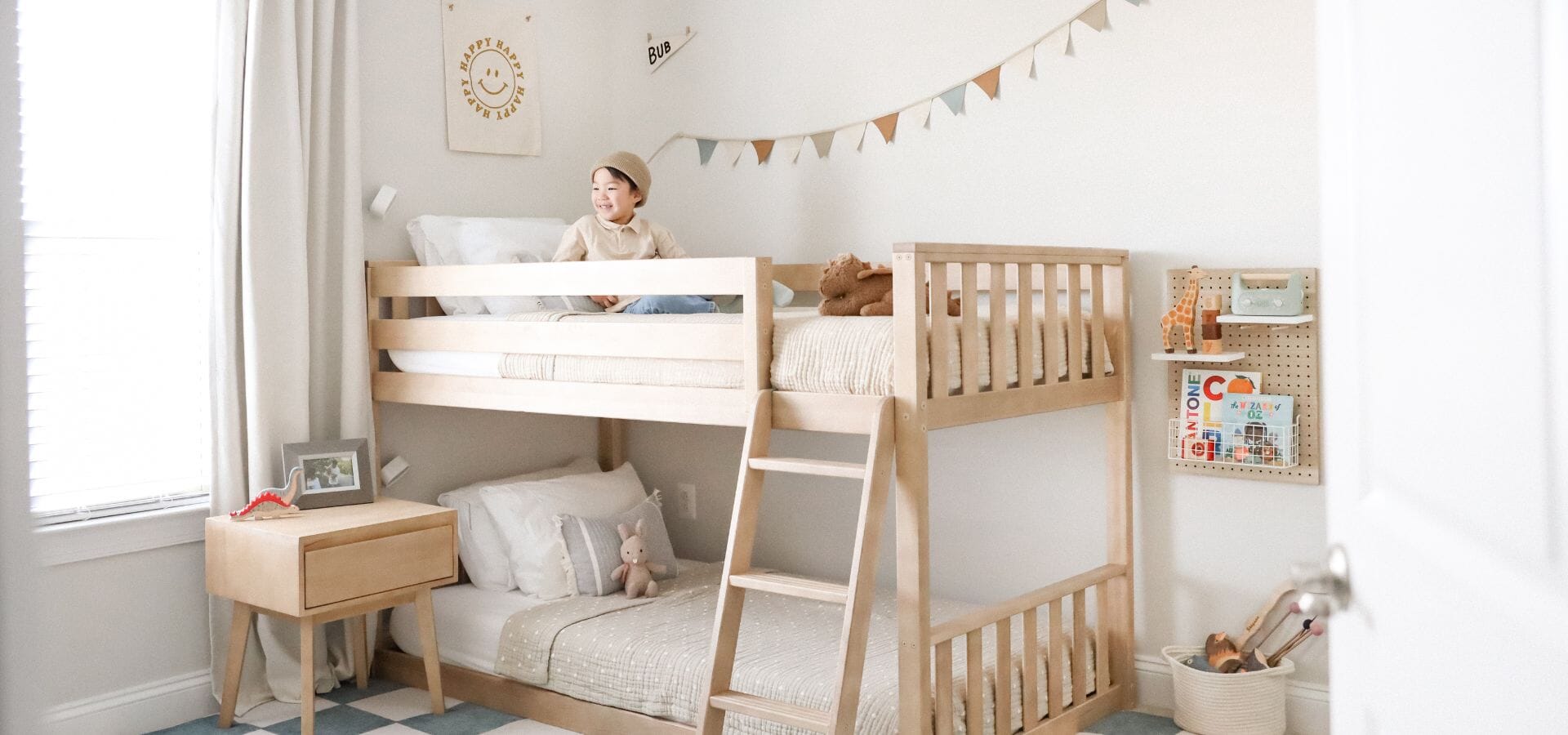
Bunk beds have two or more beds stacked vertically. The top bed is reached by a ladder or stairs. A guardrail keeps the sleeper safe on the upper level. The bottom bed sits directly under the top one, sharing the same frame.
Space Utilization
Bunk beds use vertical space efficiently. They free up floor space for play, study, or storage. This makes them ideal for small bedrooms and apartments. By stacking beds, families fit more sleepers in less area.
Common Uses
Bunk beds are common in kids’ rooms and shared bedrooms. They work well in hostels, dorms, and vacation homes. Parents choose them to save space and create fun sleeping spots for children.
Credit: magicalnest.com
Loft Bed Essentials
Loft beds are a smart choice for small rooms and shared spaces. They raise the bed off the ground. This opens up space underneath for other uses. Understanding the key features of loft beds helps you decide if they fit your needs.
Below are the essentials that make loft beds unique and practical.
Design And Features
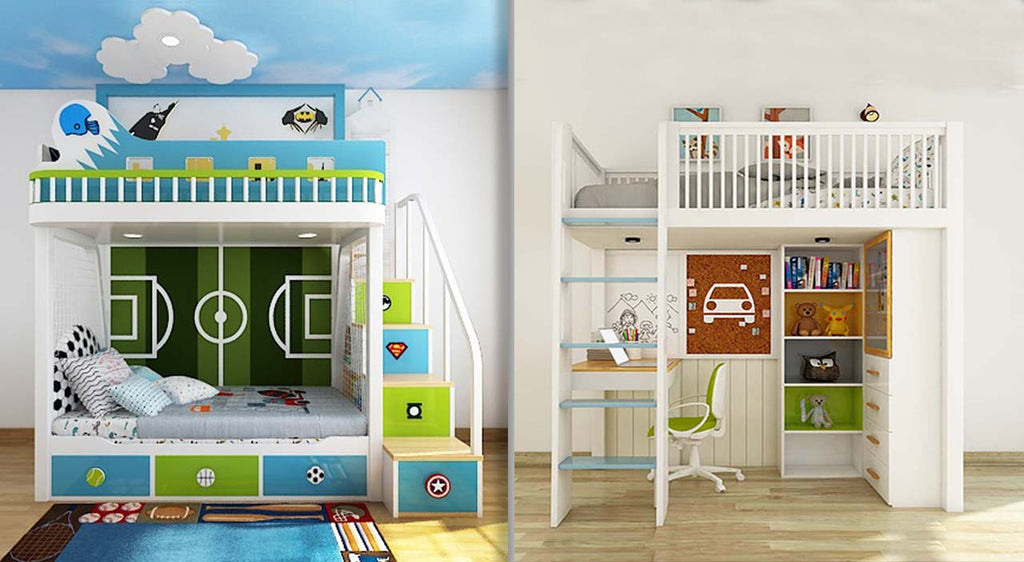
Loft beds have a raised sleeping area. This design creates space below the bed. Many loft beds include built-in desks or shelves underneath. Some have ladders or stairs for easy access. The bed frame is strong to support weight safely. Most loft beds fit a single mattress size. They often have safety rails to prevent falls.
Maximizing Floor Space
Loft beds free up floor space by lifting the bed. The area below can be used for a desk, storage, or play area. This helps keep the room tidy and organized. Using the space wisely makes small rooms feel larger. Loft beds are perfect for rooms with limited space. They create more room for activities and furniture.
Ideal Settings
Loft beds work well in kids’ bedrooms and dorm rooms. They suit small apartments where space is tight. These beds are great for shared rooms. Each person can have a bed and space below for personal use. Loft beds also fit creative workspaces or studios. They provide a bed and a functional area in one.
Comparing Bunk And Loft Beds
Bunk beds and loft beds are popular choices for saving space in small rooms. Both beds elevate the sleeping area but serve different purposes. Understanding their differences helps in choosing the right bed for your needs.
Space Efficiency
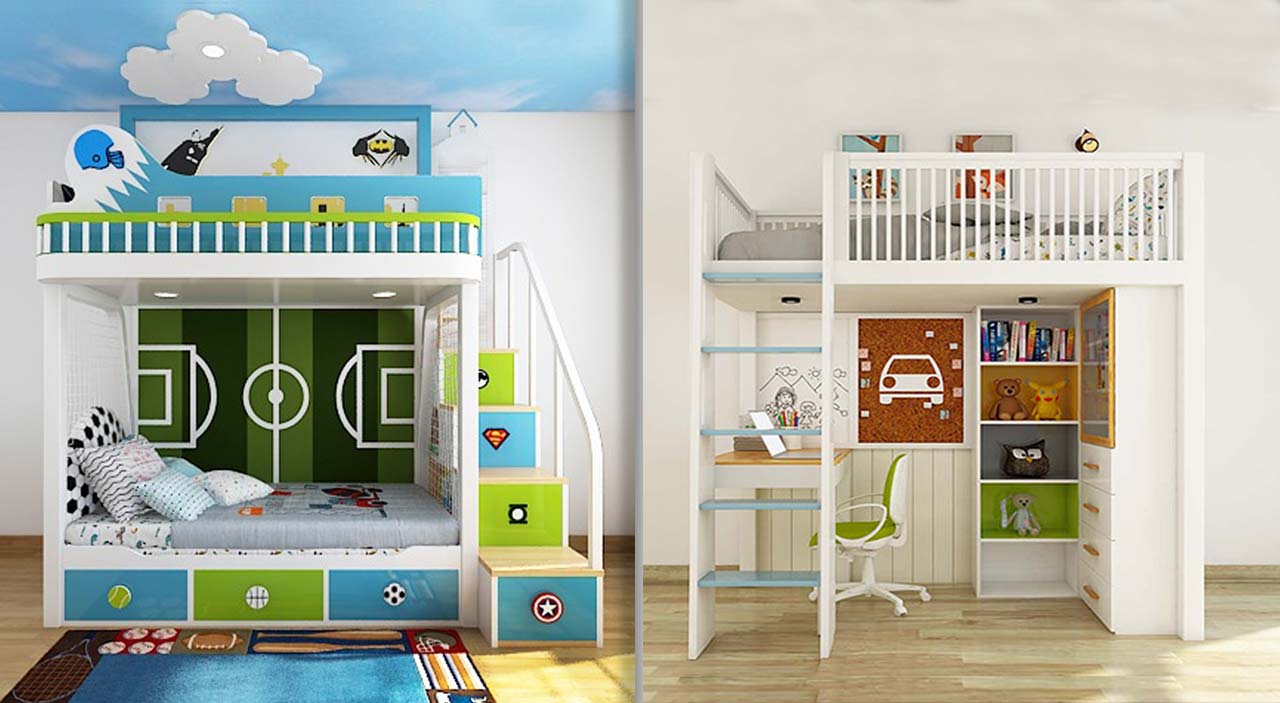
Bunk beds stack two beds vertically. This design fits two sleepers in the space of one bed. Loft beds raise one bed high enough to use the floor space underneath. The space below can be used for a desk, storage, or play area.
Functionality And Flexibility
Bunk beds mainly offer two sleeping spots. Loft beds provide one bed with free space underneath. This space can be customized for many uses. It can be a study area, wardrobe, or seating space. Loft beds offer more flexible room layouts.
Safety Considerations
Bunk beds come with guardrails on the top bunk to prevent falls. The ladder must be sturdy and easy to climb. Loft beds also need guardrails and safe ladders. Since loft beds are higher, safety is very important for both types.
Cost Differences
Bunk beds usually cost more because they include two mattresses and frames. Loft beds often cost less, as they support only one mattress. Costs vary by material, brand, and added features. Choose the option that fits your budget and needs.
Credit: magicalnest.com
Choosing The Right Bed
Choosing the right bed can make a big difference in a room’s comfort and use. Bunk beds and loft beds save space but serve different purposes. Understanding these differences helps pick the best fit for your room and needs. Consider room size, user preferences, and safety to make a smart choice.
Room Size And Layout
Measure the room before picking a bed. Bunk beds fit well in rooms with enough length and width. They stack two beds vertically, using less floor space. Loft beds lift the sleeping area, freeing space underneath. This space can hold a desk or play area. Think about doorways and windows too. Make sure the bed fits without blocking light or movement.
User Needs And Preferences
Think about who will use the bed. Bunk beds suit siblings or guests who share a room. Each person gets their own bed in a compact space. Loft beds appeal to kids who want a fun, elevated bed. The space underneath can become a study or play spot. Ask about favorite activities and comfort needs. Choose a bed that matches their lifestyle and habits.
Age And Safety Factors
Age matters when choosing between bunk and loft beds. Younger children need safer options with guardrails and easy access. Bunk beds have ladders that may be tricky for toddlers. Loft beds require climbing higher, which might not suit small kids. Check weight limits and stability. Ensure the bed meets safety standards to avoid accidents. Safety first keeps everyone happy and secure.
Additional Tips
Choosing between a bunk bed and a loft bed involves more than just style and space. Paying attention to small details can improve your experience and satisfaction. Here are some useful tips to keep in mind.
Material And Build Quality
Strong materials ensure safety and long life. Wood offers a classic look and solid feel. Metal is lighter and often easier to move. Check for smooth finishes to avoid splinters or sharp edges. Tight joints and sturdy frames prevent wobbling. Always verify the bed meets safety standards.
Complementary Furniture Options
Loft beds often pair well with desks or shelves underneath. This setup saves space and adds function. Bunk beds suit rooms with siblings or guests. Adding storage drawers or a trundle bed increases usability. Choose furniture that fits the room size and your needs.
Maintenance And Durability
Regular cleaning keeps beds looking new. Dust and wipe all surfaces often. Tighten screws and bolts every few months. Inspect for any damage or wear. Replace parts quickly to avoid accidents. Durable beds save money by lasting longer.
Frequently Asked Questions
What Is A Bunk Bed?
A bunk bed consists of two or more beds stacked vertically. It saves floor space and suits shared rooms or small spaces.
How Does A Loft Bed Differ From A Bunk Bed?
A loft bed is elevated with open space underneath for furniture or activities. Unlike bunk beds, it only has one sleeping surface.
Which Bed Type Is Better For Small Rooms?
Loft beds are ideal for small rooms. They provide sleeping space above and usable room below for desks or storage.
Are Bunk Beds Safer Than Loft Beds?
Both beds require safety rails. Bunk beds may pose higher risks for younger children due to the upper and lower beds.
Conclusion
Bunk beds and loft beds both save space in small rooms. Bunk beds have two beds stacked, perfect for siblings or guests. Loft beds raise one bed, leaving open space below for a desk or play area. Choose a bunk bed for shared sleeping space.
Pick a loft bed if you want more floor space. Both types offer smart solutions for tight rooms. Think about your needs and room size before deciding. Either way, you get a practical and fun bed option. Simple, useful, and space-saving—bunk and loft beds work well.