Choosing the right mattress size for your bunk bed can feel tricky. You want your mattress to fit perfectly—neither too tight nor too loose.
The wrong size can make your bunk bed uncomfortable or even unsafe. But don’t worry, this guide will help you find the perfect mattress size for your bunk bed. By the end, you’ll know exactly what to look for, so your bunk bed feels cozy and secure every night.
Keep reading, and let’s make your bunk bed the best place to sleep!
Bunk Bed Mattress Basics
Choosing the right mattress for a bunk bed is important. It affects comfort, safety, and space. Bunk beds need mattresses that fit well and support the sleeper properly.
Not all mattresses work for bunk beds. Some are too thick or too large. Knowing the basics helps you pick the best mattress size and type for your bunk bed.
Common Bunk Bed Sizes
Bunk beds usually use twin or twin XL mattresses. These sizes fit most bunk bed frames well. Twin size is the most common choice for kids and teens.
Twin XL mattresses are slightly longer. They offer extra legroom for taller sleepers. Some bunk beds may use full-size mattresses but less often.
Standard Mattress Dimensions
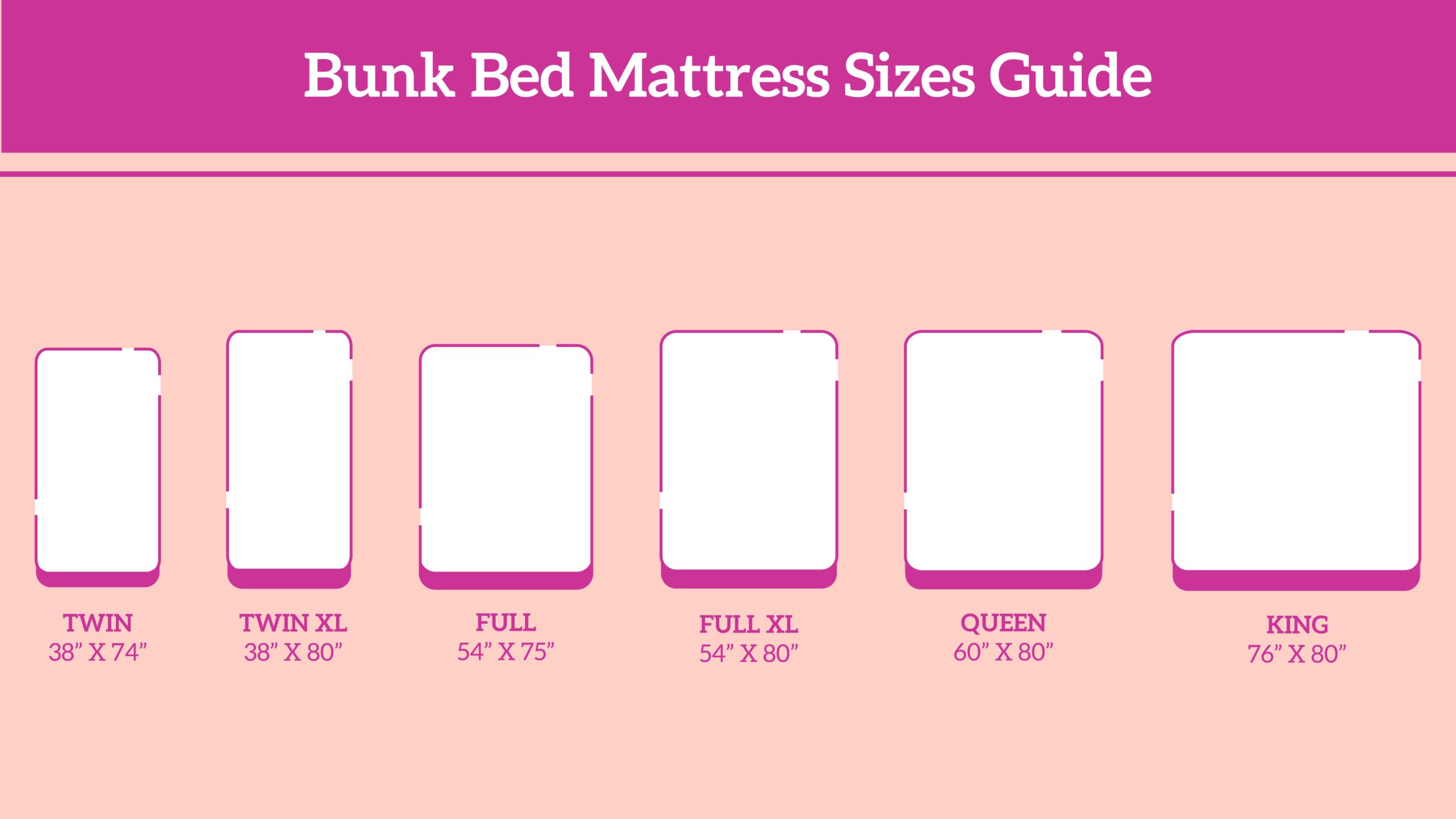
Twin mattresses measure about 38 inches wide and 75 inches long. Twin XL mattresses are 38 inches wide and 80 inches long. Full mattresses measure 54 inches wide and 75 inches long.
Check your bunk bed frame before buying a mattress. The mattress should fit snugly inside the frame without gaps. Proper fit ensures safety and comfort for the sleeper.

Credit: casakids.com
Choosing The Right Mattress Size
Picking the correct mattress size for a bunk bed matters a lot. The mattress must fit well to keep the bed safe and comfy. Too big or too small can cause problems. Measuring the bed frame first helps find the right match.
Think about who will use the bed. Kids need smaller sizes, while adults may need larger ones. Space in the room also affects the choice. The right mattress size ensures good sleep and a secure setup.
Twin Vs Twin Xl For Bunk Beds
Twin mattresses are the most common for bunk beds. They measure 38 by 75 inches. Twin XL mattresses are a bit longer, 38 by 80 inches. Twin XL suits taller sleepers who need extra legroom. Check your bunk bed frame size before buying.
Full Size Options
Full mattresses measure 54 by 75 inches. They offer more width than twin sizes. Some bunk beds are made for full mattresses on the bottom bunk. Full size is good for older kids or adults. Make sure the bunk bed frame supports full size safely.
Custom And Specialty Sizes
Some bunk beds have unique shapes or sizes. Custom mattresses fit these special frames. Specialty sizes can include extra thickness or different lengths. Custom mattresses can be more costly but provide the best fit. Measure carefully and order from trusted makers.
Mattress Thickness And Safety
Choosing the right mattress thickness for a bunk bed is very important. It affects the safety of the person sleeping on the top bunk. A mattress that is too thick can reduce the space between the mattress and the guardrails. This can increase the risk of falling. On the other hand, a mattress that is too thin may not be comfortable or supportive enough.
Understanding mattress thickness helps keep bunk bed users safe and comfortable. This section explains the best mattress thickness and how it impacts guardrails and safety.
Recommended Thickness Limits
Most bunk beds require mattresses between 6 and 8 inches thick. This range offers good comfort and keeps the mattress below the guardrails. Some bunk beds may allow mattresses up to 9 inches thick, but check the manufacturer’s guidelines. A mattress thicker than recommended can cause safety problems. Stick to the limits to avoid accidents and ensure a good fit.
Impact On Guardrails And Safety
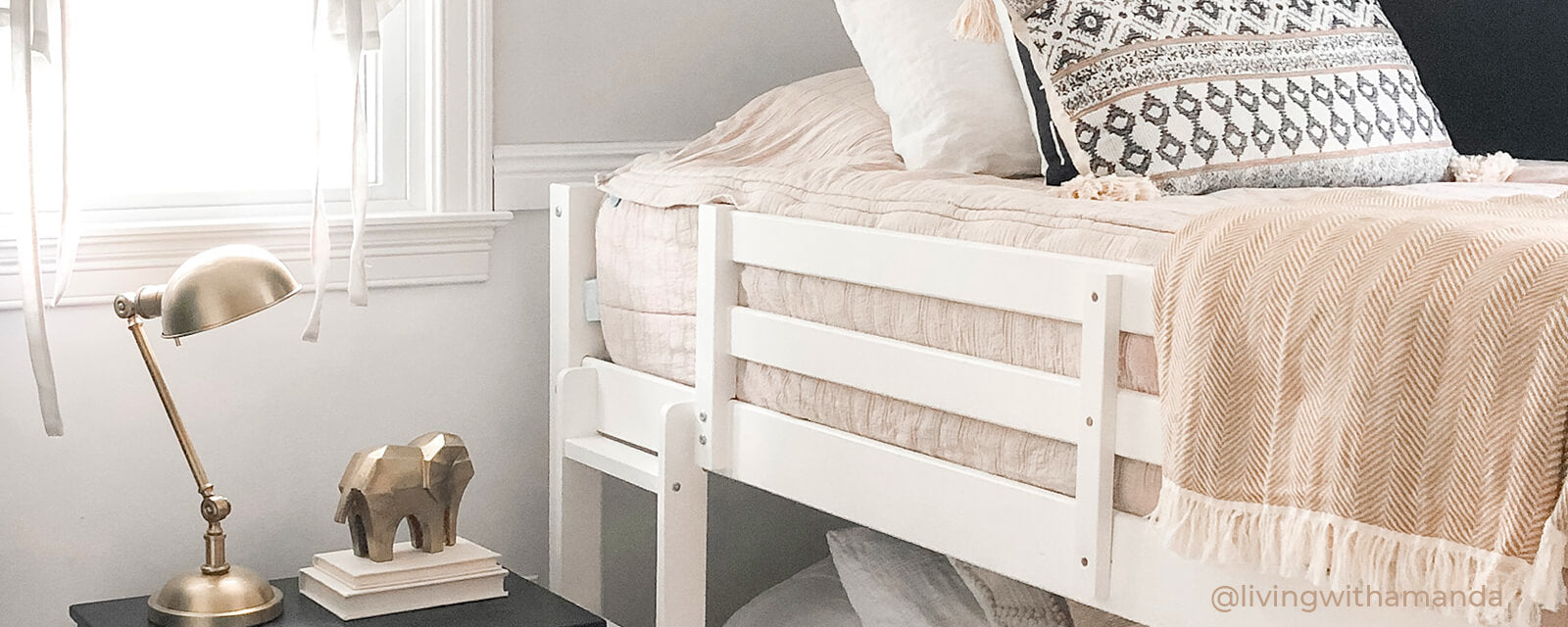
Guardrails protect the sleeper from falling off the top bunk. If a mattress is too thick, it can rise above the guardrails. This lowers their protective effect. A mattress that fits well keeps the guardrails high enough to prevent falls. Proper mattress thickness also supports good posture and comfort. Always measure the mattress height with the bunk bed before buying. Safety is the top priority with bunk beds.
Credit: eachnight.com
Material Types For Bunk Bed Mattresses
Choosing the right mattress material for a bunk bed matters. It affects comfort, safety, and durability. Bunk beds need mattresses that fit well and feel good. Different materials offer unique benefits. Some are soft and light. Others provide strong support and last longer. Understanding these materials helps pick the best mattress for any bunk bed.
Foam Mattresses
Foam mattresses are popular for bunk beds. They are light and easy to move. Foam molds to the body, giving gentle support. These mattresses absorb movement well, reducing noise. Many foam options come with memory foam layers. Memory foam helps relieve pressure points. Foam mattresses usually cost less than others. They fit well in smaller bunk bed frames. Breathable foam types keep sleepers cool.
Innerspring Mattresses
Innerspring mattresses use coils for support. These mattresses feel firmer and bounce back quickly. They offer good airflow, which helps with heat. Innerspring mattresses are durable and last many years. They can be heavier than foam mattresses. Some models have pillow tops for extra softness. They provide solid support for growing kids. These mattresses work well in sturdier bunk beds.
Hybrid Mattresses
Hybrid mattresses combine foam and innerspring layers. They balance softness and firm support. The foam layer adds comfort and pressure relief. The coil layer increases durability and airflow. Hybrids suit children who need both support and softness. They tend to be thicker and heavier. This type fits well in larger bunk beds. Hybrids offer a comfortable sleep for many sleepers.
Tips For Buying Bunk Bed Mattresses
Choosing the right mattress for a bunk bed is important for comfort and safety. The mattress must fit the frame perfectly and support the sleeper well. Follow these tips to find the best mattress for your bunk bed.
Measuring Your Bunk Bed Frame
First, measure the length and width of the bunk bed frame. Use a tape measure for accuracy. Check both the top and bottom bunks. Note any differences in size. This helps avoid buying a mattress that is too big or small.
Also, measure the height between the bunk bed slats and the guardrails. The mattress should not be too tall. A tall mattress can reduce safety by making the rails less effective.
Considering Weight And Support
Check the mattress weight limit for your bunk bed. Most frames have a maximum weight they can hold safely. Choose a mattress that supports the sleeper’s weight and stays durable over time. Look for firm mattresses to prevent sagging. Good support helps keep the sleeper comfortable and safe.
Budget And Durability Factors
Set a budget before shopping. Bunk bed mattresses come in many price ranges. Focus on finding a mattress with good durability within your budget. Cheap mattresses may wear out quickly. A durable mattress saves money in the long run. Check for materials like memory foam or innerspring that last longer.
Think about mattress covers that protect against spills and stains. This keeps the mattress clean and extends its life.
Maintenance And Care
Choosing the right mattress size for a bunk bed is important, but keeping it clean and well-maintained matters too. Proper care helps the mattress stay comfortable and last longer. A clean mattress also supports better sleep and health. Here are some simple tips for cleaning and maintaining your bunk bed mattress.
Cleaning Tips
Vacuum the mattress surface regularly to remove dust and dirt. Use a vacuum with a soft brush attachment. Spot clean stains with a mild soap and water. Avoid soaking the mattress to prevent mold growth. Let it dry completely before putting sheets back on. Use a mattress protector to keep spills and dust away.
Extending Mattress Life
Rotate the mattress every few months to avoid sagging. Flip it if the mattress design allows. Keep the bunk bed frame sturdy to support the mattress well. Avoid jumping on the mattress to prevent damage. Air the mattress outside occasionally to reduce moisture and odors. Follow these steps to keep your mattress fresh and comfortable for years.
Credit: www.bedinabox.com
Frequently Asked Questions
What Mattress Size Fits A Standard Bunk Bed?
A standard bunk bed typically fits a twin mattress. Twin mattresses measure 38 inches wide and 75 inches long. Always check the bed frame’s specific dimensions before purchasing. Using the correct size ensures safety and comfort for the sleeper.
Can A Full-size Mattress Be Used On Bunk Beds?
Full-size mattresses are generally too large for standard bunk beds. Most bunk beds are designed for twin mattresses. Using a full mattress may cause safety hazards and structural issues. Always choose a mattress size recommended by the bunk bed manufacturer.
What Thickness Mattress Is Safe For Bunk Beds?
Mattress thickness for bunk beds should be between 6 to 8 inches. Thicker mattresses can reduce the effectiveness of guardrails. This height ensures safety and comfort, preventing falls. Always verify mattress thickness recommendations from the bed manufacturer.
Are Twin Xl Mattresses Suitable For Bunk Beds?
Twin XL mattresses can fit some bunk beds but are longer than standard twins. They measure 38 inches wide and 80 inches long. Ensure your bunk bed frame supports the extra length. Twin XL mattresses are ideal for taller sleepers.
Conclusion
Choosing the right mattress size for a bunk bed matters a lot. It keeps the bed safe and comfortable. Twin mattresses often fit most bunk beds best. Always measure the bed frame before buying. A good fit means better sleep and less risk of accidents.
Keep these tips in mind to pick the perfect mattress size. This way, your bunk bed stays cozy and secure for years.