Keeping your guinea pig’s bookshelf cage clean isn’t just about looks—it’s about your pet’s health and happiness. If you’ve ever felt overwhelmed by the mess or unsure where to start, you’re not alone.
But don’t worry, this guide will walk you through simple, effective steps to make cleaning easy and stress-free. By the end, you’ll know exactly how to keep your furry friend’s home fresh and safe. Ready to transform your cleaning routine?
Let’s dive in!
Preparing For Cleaning
Preparing to clean your guinea pig bookshelf cage is important. It helps keep your pet safe and the area clean. Good preparation makes the job easier and faster. You need to get the right supplies and move your guinea pig carefully. This section explains these key steps.
Gathering Supplies
Collect all cleaning items before starting. Use mild soap, warm water, and clean cloths. Have a soft brush to scrub tough spots. Prepare fresh bedding for after cleaning. Keep a trash bag handy to throw away waste. Having everything ready saves time and stress.
Removing The Guinea Pig Safely
Find a quiet spot to move your guinea pig. Use both hands to hold it gently but firmly. Support its body to avoid injury. Place your pet in a safe, small area nearby. This keeps the guinea pig calm and secure. Avoid loud noises and sudden movements. Safety is the top priority during cleaning.
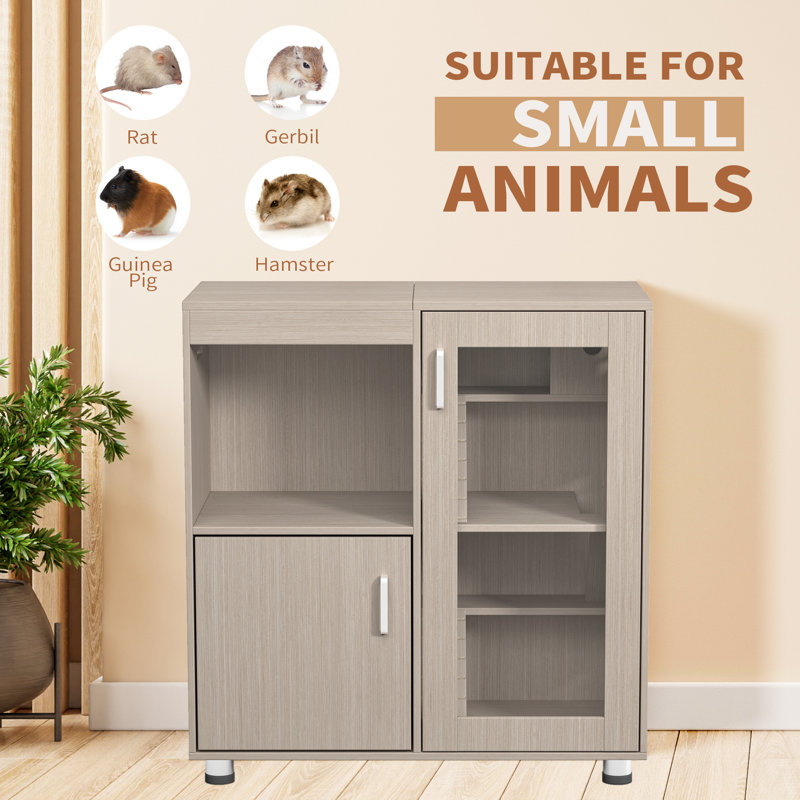
Credit: www.meireles.com.es
Emptying The Cage
Emptying the cage is the first step in cleaning your guinea pig’s bookshelf cage. It helps create a fresh and safe space for your pet. Clearing out the cage prevents odors and bacteria buildup. This process also makes cleaning easier and more effective.
Taking Out Bedding And Accessories
Start by removing all bedding from the cage. Use gloves to protect your hands. Gently scoop out the soiled bedding and place it in a trash bag. Remove all toys, food dishes, water bottles, and hideouts. Set these items aside on a clean surface. This clears the cage completely for thorough cleaning.
Sorting Items To Clean Or Replace
Check each accessory carefully. Toss out any items that are broken or very dirty. Wash food dishes and water bottles with warm, soapy water. Rinse them well to remove soap. Clean toys and hideouts with mild detergent or replace them if needed. Sorting items keeps your guinea pig’s environment healthy and safe.
Cleaning The Cage Structure
Keeping your guinea pig’s bookshelf cage clean is important for its health. A clean cage prevents bad smells and germs. Regular cleaning helps your pet stay happy and active.
Focus on the cage structure itself. This includes the base, shelves, and bars. Clean these parts carefully to remove dirt and waste. Use gentle cleaning methods to protect your pet.
Washing The Cage Base
Start by removing all bedding and toys from the base. Use warm water and mild soap to scrub the base. Avoid harsh chemicals that can harm your guinea pig. Rinse the base well to remove all soap. Dry the base completely before adding fresh bedding.
Cleaning Shelves And Bars
Wipe the shelves and bars with a damp cloth soaked in mild soap. Focus on corners and joints where dirt builds up. Rinse the cloth and wipe again to remove soap. Dry the bars and shelves to stop rust and mold. Check for any damage or sharp edges during cleaning.
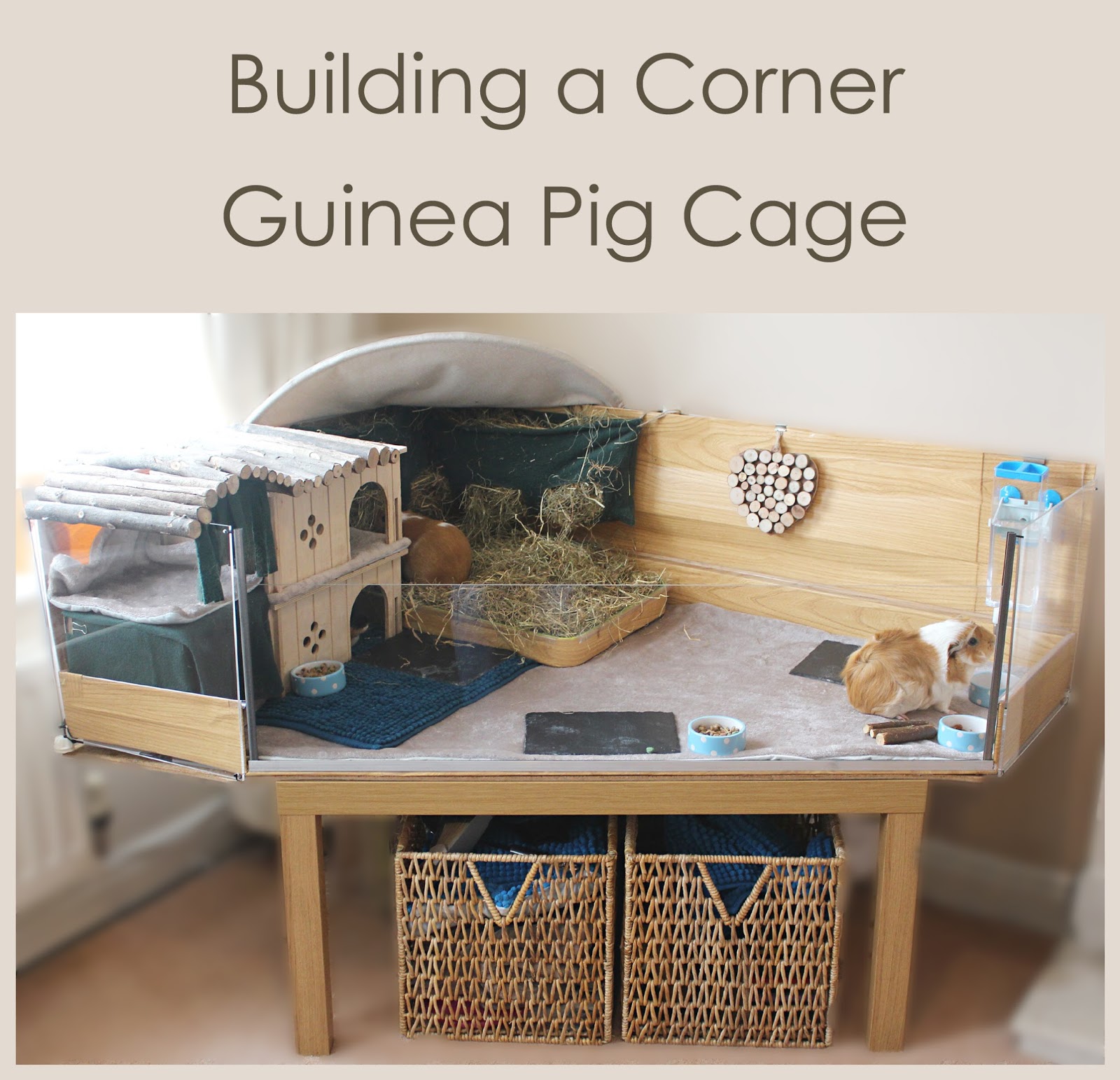
Credit: houwhoekfarmstall.com
Sanitizing And Drying
Sanitizing and drying your guinea pig’s bookshelf cage is key to keeping your pet healthy. Dirt and bacteria can build up quickly. Regular cleaning stops smells and illness. This part of cage care needs care and attention. Use safe products and dry the cage fully. Moisture left behind can cause mold and germs.
Choosing Safe Cleaning Products
Pick cleaning products that are safe for pets. Avoid harsh chemicals like bleach or ammonia. These can hurt your guinea pig’s skin and lungs. Use mild soap or pet-safe disinfectants. Natural options like vinegar and baking soda work well. Always rinse the cage thoroughly to remove any residue. This keeps the environment safe and fresh.
Proper Drying Techniques
Drying the cage fully is very important. Use a clean towel to wipe down all surfaces. Let the cage air dry in a warm, sunny spot. Avoid putting your guinea pig back until the cage is completely dry. Damp areas can cause mold and bacteria growth. Good airflow helps speed up drying. A dry cage means a healthier pet and less odor.
Replacing Bedding And Accessories
Replacing bedding and accessories in your guinea pig’s bookshelf cage keeps their home clean and comfy. It helps prevent bad smells and keeps your pet healthy. Changing these items regularly gives your guinea pig a fresh and safe space to explore.
Selecting Fresh Bedding
Choose soft, absorbent bedding made for small pets. Avoid cedar or pine wood shavings because they can harm guinea pigs. Paper-based or aspen bedding works well. Use enough bedding to cover the cage floor with a thick layer. This helps soak up moisture and keeps the cage dry.
Arranging Toys And Hiding Spots
Place toys and hiding spots in different corners of the cage. This gives your guinea pig places to play and rest. Use tunnels, chew toys, and small houses. Keep the accessories clean and replace worn items. A well-arranged cage makes your pet feel safe and happy.
Maintaining A Clean Cage
Keeping your guinea pig’s bookshelf cage clean is important for their health. A clean cage prevents bad smells and keeps your pet happy. Regular care makes cleaning easier and faster. It also stops germs from building up. This section covers simple ways to keep the cage fresh every day and how often to do deep cleanings.
Daily Spot Cleaning Tips
Check your guinea pig’s cage each day. Remove any wet or soiled bedding quickly. Clean up leftover food and droppings to stop smells. Use a small scoop or paper towel for easy cleaning. Replace dirty spots with fresh bedding. This keeps the cage dry and comfortable. Spot cleaning takes only a few minutes daily. It helps your pet stay healthy and happy.
Scheduling Deep Cleanings
Set a weekly or biweekly time for deep cleaning. Remove your guinea pig and place them safely outside the cage. Take out all bedding, toys, and accessories. Wash the cage with warm, soapy water. Rinse well to remove soap. Dry the cage completely before adding new bedding. Clean toys and food dishes with soap too. Deep cleaning stops bacteria and keeps the cage fresh. Keep a regular schedule to make cleaning easy and effective.
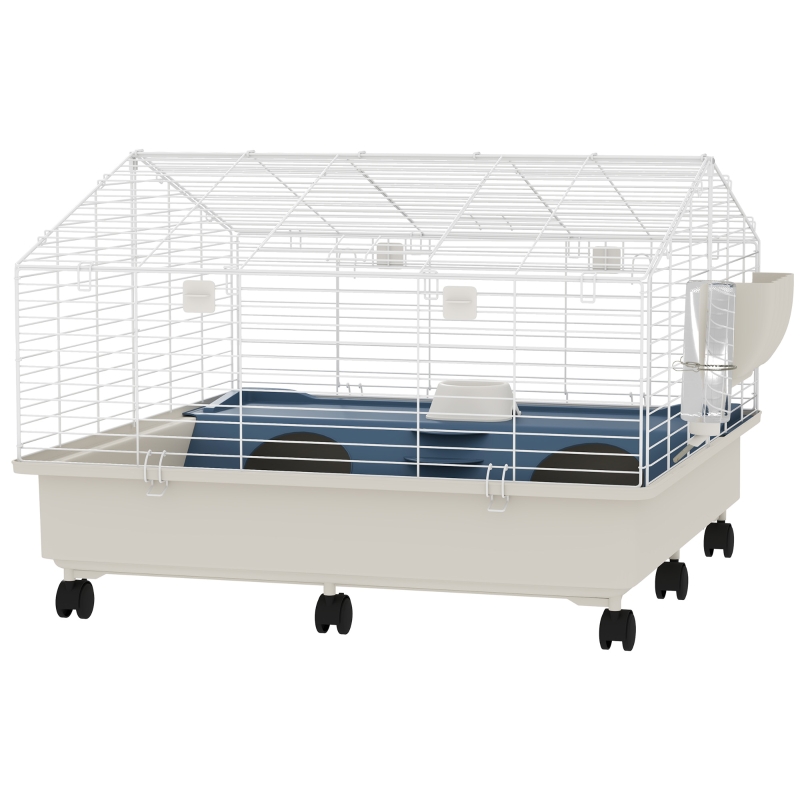
Credit: www.aosom.com
Frequently Asked Questions
How Often Should I Clean My Guinea Pig’s Bookshelf Cage?
Clean the cage weekly to maintain hygiene and prevent odors. Spot-clean daily by removing soiled bedding and uneaten food. Regular cleaning promotes your guinea pig’s health and happiness.
What Supplies Are Needed To Clean A Bookshelf Cage?
Use mild pet-safe disinfectant, warm water, soft brushes, and fresh bedding. Avoid harsh chemicals that can harm your guinea pig. Also, have gloves and paper towels for safe and efficient cleaning.
Can I Use Household Cleaners To Clean The Cage?
Avoid household cleaners with strong chemicals. They can irritate your guinea pig’s sensitive skin and respiratory system. Opt for pet-safe cleaning products to ensure safety and effective cleaning.
How Do I Remove Stubborn Stains And Odors?
Use a mixture of vinegar and water to clean stains. Vinegar neutralizes odors without harmful chemicals. Rinse thoroughly and dry before adding fresh bedding to keep the cage fresh.
Conclusion
Cleaning your guinea pig’s bookshelf cage keeps them healthy and happy. Regular cleaning stops bad smells and germs from building up. Use safe, gentle cleaners to protect your pet. Clean bedding and toys often to keep the cage fresh. A clean cage means a comfortable home for your guinea pig.
Small daily efforts make a big difference. Enjoy your time with a clean, cozy pet space.