Are you looking for a stylish and sturdy way to organize your books and display your favorite items? Building a pipe shelving bookshelf might be the perfect project for you.
It’s not only practical but also adds a cool, industrial touch to any room. Imagine having a custom shelf that fits your space perfectly and shows off your personality. In this guide, you’ll discover simple steps to create your own pipe shelving bookshelf, even if you’re new to DIY.
Ready to transform your space and impress your friends? Keep reading, and let’s get started!
Materials And Tools Needed
Building a pipe shelving bookshelf requires specific materials and tools. Choosing the right items ensures a strong and stylish final product. Gather everything before starting to save time and avoid interruptions.
This section covers the pipes, wood, and tools needed for your project. Each part plays a role in the bookshelf’s durability and look.
Choosing The Right Pipes
Use black steel pipes for a classic industrial look. They are strong and hold weight well. Measure the space to decide pipe lengths. Threaded pipes connect easily with fittings. Avoid thin or plastic pipes; they may bend or break.
Selecting Wood For Shelves
Choose hardwood like oak or maple for sturdy shelves. Pine is cheaper but less durable. Pick wood that fits your room style and budget. Sand the wood smooth to prevent splinters. Finish with stain or paint to protect and beautify.
Essential Tools For Assembly
You need a pipe wrench to tighten fittings securely. A drill helps attach wood shelves to pipes. Use a tape measure for precise cuts and spacing. Sandpaper smooths wood edges before finishing. A level ensures shelves sit straight and balanced.
Credit: grayhousestudio.com
Planning Your Bookshelf Design
Planning your pipe shelving bookshelf is the first step to a great build. Thoughtful planning saves time and avoids mistakes. It helps you create a shelf that fits perfectly and looks good. This section guides you through the key steps for planning your bookshelf design.
Measuring Your Space
Start by measuring the wall or area where the bookshelf will go. Measure height, width, and depth carefully. Check for any obstacles like outlets or vents. Write down all measurements. Double-check to avoid errors later.
Deciding Shelf Dimensions
Choose shelf size based on what you want to store. Books need more depth than small decor items. Think about the height between shelves too. Make sure each shelf can hold your items comfortably. Keep pipe thickness in mind for strength.
Sketching The Layout
Draw a simple sketch of your bookshelf design. Include the number of shelves and pipe placements. Mark measurements on the sketch. This visual helps you spot problems early. It also guides you during assembly.
Preparing The Wood Shelves
Preparing the wood shelves is an important step in building a pipe shelving bookshelf. The shelves need to be cut, smoothed, and finished well. This ensures they look good and last a long time. Careful preparation helps the shelves fit perfectly with the pipes and hold your books safely.
Cutting Wood To Size
Measure the length and width of the shelf space. Mark the wood board with a pencil for cutting. Use a saw to cut the wood along the marked lines. Make sure the cuts are straight and clean. Proper size helps the shelves fit well between the pipes.
Sanding And Finishing
Sand the wood with medium-grit sandpaper to remove rough spots. Smooth all edges and surfaces evenly. Sand again with fine-grit paper for a soft finish. This step prevents splinters and gives the wood a polished look. Clean the dust off before moving on.
Applying Stain Or Paint
Choose a stain or paint that matches your room style. Apply evenly with a brush or cloth. Let the first coat dry fully before applying another. Stain brings out natural wood grain, while paint adds color. This step protects the wood and improves its appearance.

Credit: sawdustsisters.com
Assembling The Pipe Frame
Assembling the pipe frame is the first step in building your pipe shelving bookshelf. This process creates the strong skeleton that holds your shelves. Careful assembly ensures your bookshelf is safe and durable. Follow clear steps to connect pipes and fittings, check stability, and secure the frame to the wall.
Connecting Pipes And Fittings
Start by laying out all pipes and fittings. Arrange them in the order needed for the frame. Screw the pipes tightly into each fitting. Use a pipe wrench to ensure a firm grip. Avoid over-tightening to prevent damage. Make sure all parts align straight for a clean look.
Ensuring Stability And Balance
Check that the frame stands evenly on the floor. Adjust any uneven pipes before moving forward. Tighten all connections to reduce wobbling. Test the frame by gently pushing it from different sides. A steady frame means your shelves will hold weight safely.
Securing Pipes To The Wall
Wall mounting prevents the bookshelf from tipping over. Use wall anchors suitable for your wall type. Attach pipe flanges to the wall with screws. Secure the frame tightly against the wall. Double-check for firmness. This step adds safety, especially in homes with children or pets.
Installing The Wood Shelves
Installing the wood shelves is an important step in building your pipe shelving bookshelf. Proper installation ensures the shelves stay strong and stable. This process involves placing the wood boards correctly on the pipes, securing them firmly, and making sure everything is even and fits well.
Positioning Shelves On Pipes
Start by placing each wood shelf carefully on the pipe supports. Make sure the shelf sits flat and covers the pipe brackets fully. Check that the shelf is centered and balanced to avoid uneven weight. Take your time to adjust the shelf’s position before moving to the next step.
Fastening Shelves Securely
Use screws or brackets to fasten the shelves to the pipes. Choose hardware that fits your shelf thickness and pipe size. Secure the screws tightly but avoid over-tightening to prevent wood damage. Proper fastening keeps the shelves from sliding or wobbling during use.
Adjusting For Level And Fit
After fastening, check if the shelves are level using a spirit level or a simple straight edge. Small adjustments can be made by loosening screws slightly and shifting the shelf. Ensure there are no gaps between the shelf and pipes. A perfect fit improves the shelf’s appearance and stability.
Customizing Your Bookshelf
Customizing your pipe shelving bookshelf makes it unique and practical. It lets you fit the shelf to your space and style. Simple changes can improve both looks and function.
Adding Decorative Elements
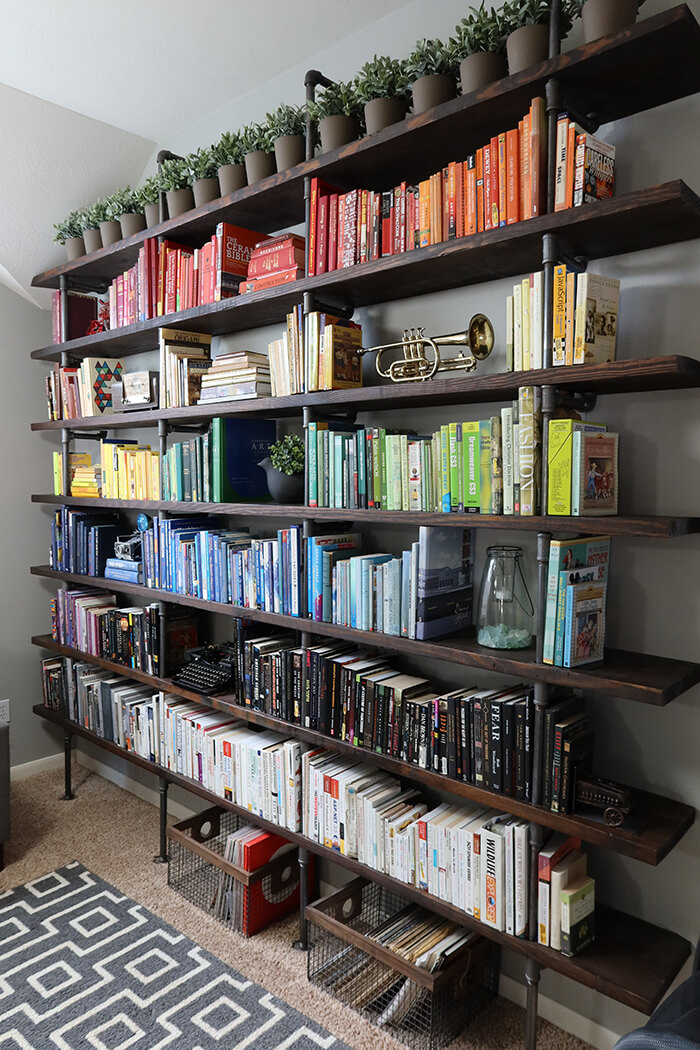
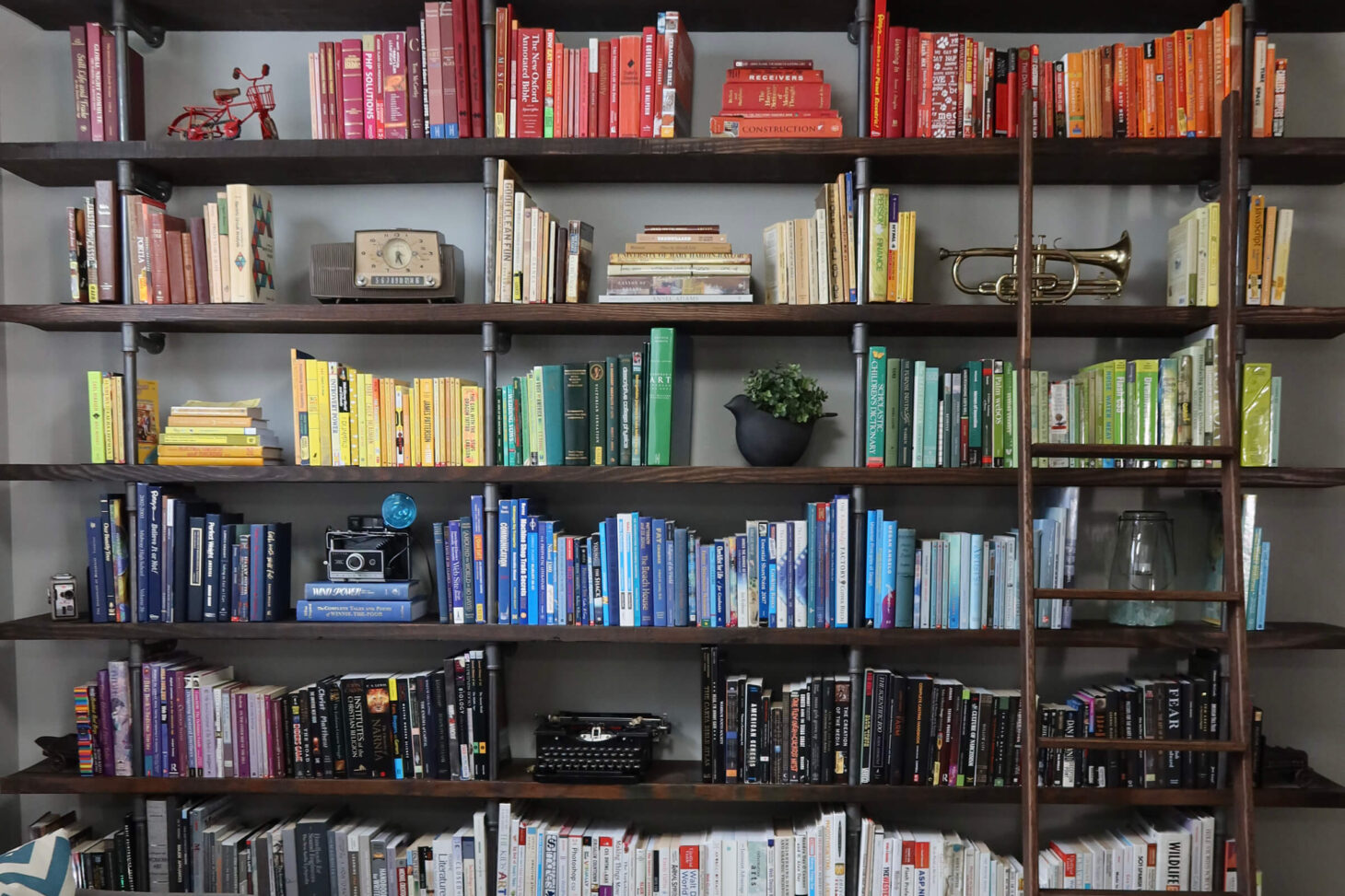
Decorative elements bring personality to your bookshelf. Use plants, small sculptures, or picture frames. These items add color and interest. Choose pieces that match your room’s style. Even a small touch can make a big difference.
Incorporating Storage Bins
Storage bins help keep things tidy on your shelves. Use woven baskets or clear plastic bins. They hide clutter and organize small items. Pick bins that fit the shelf size well. This keeps your space neat and easy to use.
Lighting Options For Display
Lighting highlights your shelf and its contents. Try LED strip lights under each shelf. Small clip-on lamps work too. Soft lighting creates a warm, inviting look. It also makes it easier to find books or objects.
Maintenance Tips
Maintaining your pipe shelving bookshelf keeps it looking good and lasting longer. Simple care steps protect both the metal pipes and wood shelves. Small efforts can prevent damage and keep the shelf stable.
Cleaning Pipe Surfaces
Wipe the pipes with a soft cloth to remove dust. Use a damp cloth for sticky spots, then dry quickly. Avoid harsh cleaners that can damage the pipe’s finish. Regular cleaning stops rust and keeps pipes shiny.
Protecting Wood Shelves
Dust shelves often to prevent dirt buildup. Use a mild wood cleaner or a damp cloth for deeper cleaning. Apply wood polish or wax sometimes to protect the wood. Keep shelves dry to avoid warping or stains.
Regular Stability Checks
Check all joints and screws every few months. Tighten any loose parts to keep the shelf steady. Ensure the shelf stands flat on the floor without wobbling. Fixing small issues early stops bigger problems later.
Credit: grayhousestudio.com
Frequently Asked Questions
What Materials Are Needed For Pipe Shelving Bookshelf?
You need metal pipes, wooden boards, pipe fittings, screws, and brackets. Choose sturdy wood and rust-resistant pipes for durability. Basic tools include a drill, screwdriver, level, and measuring tape for precise assembly.
How Do You Ensure Pipe Shelving Is Stable?
Use strong brackets and secure pipes tightly to the wall. Level each shelf during installation. Anchor the structure into wall studs for extra support and to prevent wobbling or tipping.
Can Pipe Shelving Hold Heavy Books Safely?
Yes, if you use thick pipes and solid wood shelves. Proper installation with secure wall anchors increases weight capacity. Distribute books evenly to avoid overloading any single shelf or pipe.
How Long Does It Take To Build Pipe Shelving?
Building a basic pipe shelving unit typically takes 2 to 4 hours. Time varies based on size, design complexity, and your DIY experience. Planning and preparation can reduce assembly time significantly.
Conclusion
Building a pipe shelving bookshelf takes some effort but feels rewarding. You can create strong, unique shelves with simple materials. This project fits many spaces and styles in your home. Measuring carefully and following steps helps avoid mistakes. Choose pipes and wood that match your needs and taste.
Enjoy arranging your books and decor on the finished shelf. Try this project to add practical and stylish storage today.